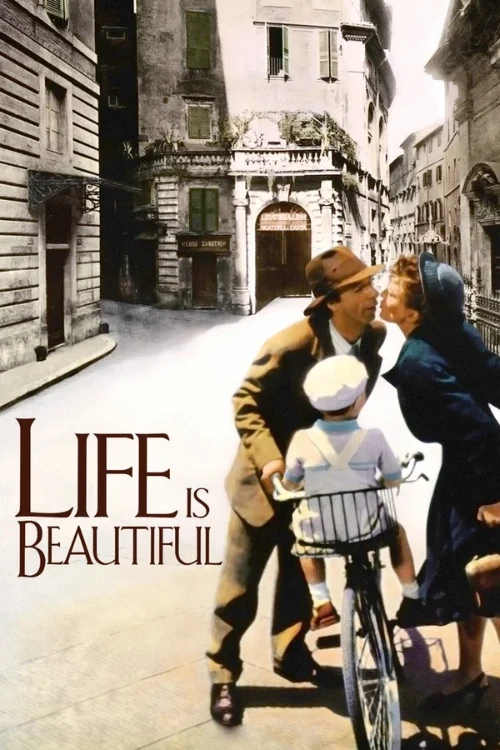
Directed by and starring Roberto Benigni, the 1997 masterpiece La vita è bella (Life Is Beautiful) remains one of the most poignant, daring, and unforgettable films in the history of cinema. The story opens in pre-World War II Italy, introducing Guido, a joyful, imaginative, and endlessly charming Jewish man who woos and wins the heart of his beloved Dora. However, as the dark shadow of war descends and Guido along with his young son Giosuè are deported to a concentration camp, the narrative transitions into a deeply profound direction.
The film's greatest achievement lies in its bold ability to address one of the most tragic and horrifying chapters in human history—the Holocaust—through the lens of humor, imagination, and maternal-paternal devotion. To protect his son from the gruesome reality of their surroundings, Guido convinces him that the camp is merely a complex, high-stakes game where the first to reach 1000 points wins a real tank. Benigni balances the tightrope between comedy and heartbreak with extraordinary delicate grace, making the audience smile at Guido's quick wit while simultaneously feeling the weight of the tragedy.
From a structural standpoint, the movie presents a striking contrast between the vibrant, fairytale-like atmosphere of its first half and the somber, desolate, and claustrophobic tone of the second. Nicola Piovani’s Oscar-winning musical score enhances the emotional weight of every scene. Life Is Beautiful is far more than a war drama; it is a timeless testament to the resilience of the human spirit, the unconditional power of love, and the unimaginable lengths a parent will go to shield a child from evil.