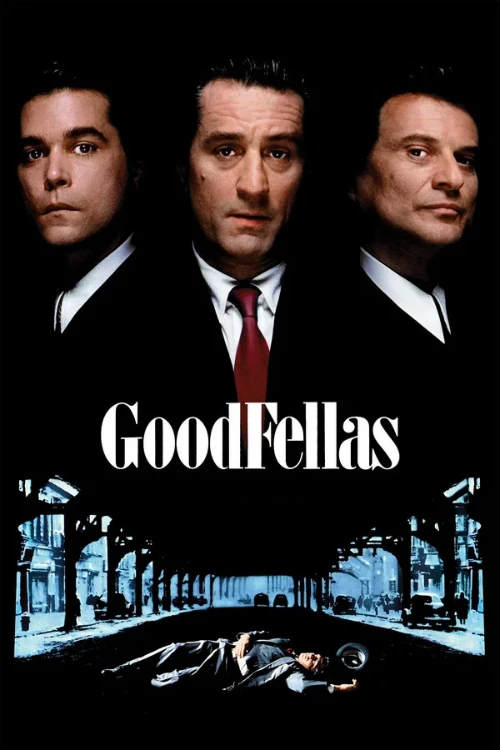
Martin Scorsese’s 1990 masterpiece, Goodfellas, adapted from Nicholas Pileggi’s non-fiction book "Wiseguy," redefined the gangster genre and established itself as one of the greatest achievements in cinematic history. The film chronicles the rise and fall of Henry Hill, an ambitious young man who enters the world of organized crime, tracing his life over several decades of thrill, violence, and inevitable paranoia. Scorsese rejects the classic romanticized portrayal of mobsters, opting instead for a gritty, fast-paced, and intoxicatingly realistic dive into the mechanics of modern crime.
Technically and visually, Goodfellas is a masterclass in filmmaking. Thanks to Thelma Schoonmaker’s legendary editing and Scorsese’s kinetic camera movement, the narrative moves forward with relentless energy. The brilliant use of voiceover narration, freeze-frames, and an eclectic period soundtrack draws the audience directly into Henry’s chaotic inner world. Ray Liotta gives a defining lead performance, flanked by Robert De Niro’s calculated composure and Joe Pesci’s unhinged, Oscar-winning portrayal of Tommy DeVito. Pesci’s terrifying unpredictability serves as the volatile core of the film’s dangerous atmosphere.
Ultimately, Goodfellas is far more than a mob drama; it is a razor-sharp critique of greed, betrayal, and the illusory nature of the American Dream. Through its impeccable storytelling, unforgettable characters, and groundbreaking aesthetic style, Scorsese’s vision remains a timeless, flawless pillar of modern cinema.