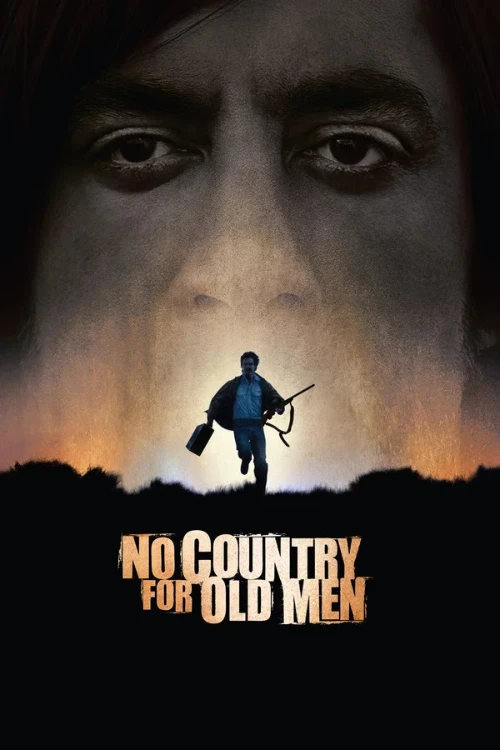
In rural Texas, welder and hunter Llewelyn Moss (Josh Brolin) stumbles upon the bloody aftermath of a drug deal gone catastrophically wrong. Instead of notifying the authorities, Moss seizes the abandoned two million dollars in cash, inadvertently placing himself in the crosshairs of Anton Chigurh (Javier Bardem), a ruthless psychopathic hitman. As Chigurh cold-bloodedly executes anyone standing between him, his quarry, and the money, a desperate Moss struggles to stay one step ahead while the carnage relentlessly intensifies. Meanwhile, the weary Sheriff Ed Tom Bell (Tommy Lee Jones) oversees the investigation, struggling to comprehend and confront the sheer magnitude of the evil he is trying to thwart.
Adapted from Cormac McCarthy’s acclaimed novel by Joel and Ethan Coen, No Country for Old Men stands as a defining masterpiece of modern cinema and the neo-Western genre. The narrative unfolds across the stark, unforgiving expanse of West Texas, ignited when Llewelyn Moss stumbles upon the bloody aftermath of a drug deal gone wrong and absconds with two million dollars. This fateful choice triggers a relentless pursuit by Anton Chigurh, an implacable killer, while aging Sheriff Ed Tom Bell trails behind, grappling with a landscape of escalating violence he can no longer comprehend.
Javier Bardem delivers an iconic, bone-chilling performance as Anton Chigurh, transcending conventional villainy to embody the arbitrary nature of fate itself. The suspenseful coin-toss encounters form the philosophical core of the film, examining moral indifference and chance. Roger Deakins’ austere cinematography emphasizes the isolation of the desert terrain, while the near-total absence of an orchestral score turns everyday ambient noises—footsteps, desert winds, and heavy silence—into instruments of suffocating tension.
Subverting traditional genre conventions of catharsis and clear-cut justice, the film explores the unstoppable momentum of senseless violence and the alienation of an older generation confronting a colder, unrecognizable world. It remains a profound meditation on mortality, destiny, and existential helplessness.