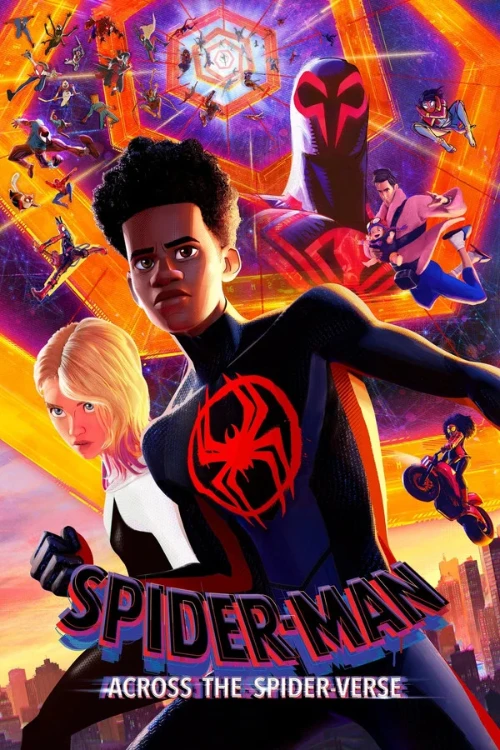
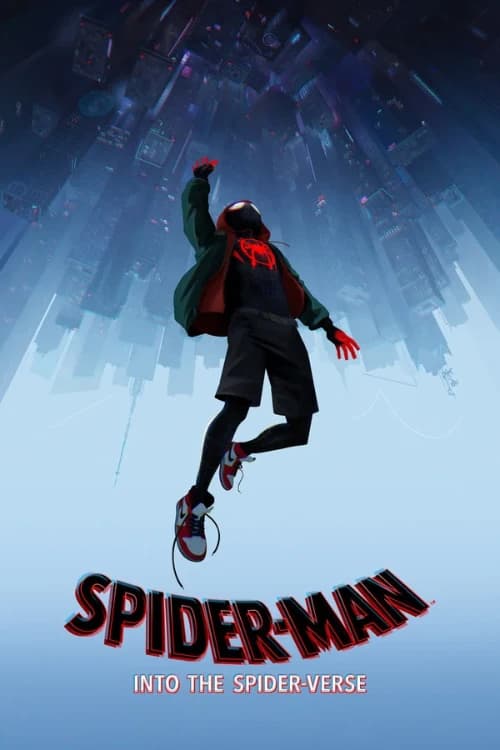
Miles Morales returns for the next chapter of the Oscar®-winning Spider-Verse saga, an epic adventure that will transport Brooklyn's full-time, friendly neighborhood Spider-Man across the Multiverse to join forces with Gwen Stacy and a new team of Spider-People to face off with a villain more powerful than anything they have ever encountered.
Spider-Man: Across the Spider-Verse is an outstanding achievement that pushes the revolutionary visual foundation of its predecessor even further, redefining the boundaries of animated cinema. Directed by Joaquim Dos Santos, Kemp Powers, and Justin K. Thompson, this installment deepens Miles Morales' journey through the multiverse while transforming the technical and aesthetic possibilities of comic book art into a masterclass of visual storytelling. Each dimension features its own distinct artistic style, color palette, and emotional atmosphere, offering the viewer an experience akin to walking through a living art gallery.
The narrative injects profound philosophical weight into the superhero genre by focusing on the clash between fate and free will. Miles Morales' refusal to accept predefined canonical tragedies and his determination to write his own destiny form the emotional core of the film. The expanded screen time dedicated to Gwen Stacy, alongside the core ideological conflict with Miguel O'Hara, creates a compelling narrative dynamic that never lets the tension falter.
On a technical level, the sound design and score complement the visual diversity seamlessly. Daniel Pemberton's score artistically blends electronic, punk, and hip-hop influences to reflect the inner turmoil and growth of its characters. The union of auditory and visual elements produces a narrative rhythm with a sense of momentum rarely matched in contemporary cinema.
In conclusion, Spider-Man: Across the Spider-Verse stands as a breathtaking masterpiece that cements animation not merely as a genre, but as an endless medium of artistic expression. Leaving its audience immersed in high stakes and anticipation, it secures its place as a monumental work of modern film.