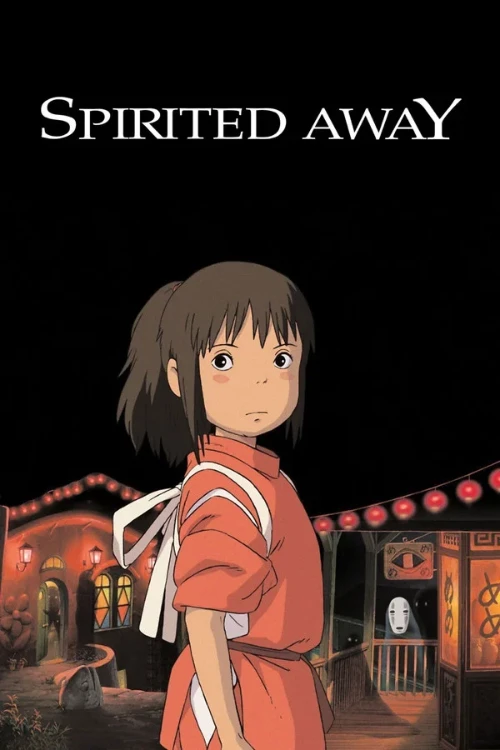
Directed by the legendary Hayao Miyazaki and produced by Studio Ghibli, Spirited Away (Sen to Chihiro no Kamikakushi) stands as one of the most magnificent fantastical journeys in cinematic history. The film begins with Chihiro, a sullen and fearful ten-year-old girl, who wanders through a mysterious tunnel with her parents while moving to a new home. After her parents are transformed into pigs due to their greedy consumption of food left for the spirits, Chihiro finds herself completely alone in a realm populated by gods, spirits, and supernatural beings.
Beyond its surface as a fairy tale, the film is a profound coming-of-age story. When Chihiro takes a job at the bathhouse run by the ruthless witch Yubaba, she is stripped of her original name and given the moniker "Sen". The loss of one's name serves as a powerful metaphor for the erasure of personal identity within rigid, consumerist structures. Yet, through her innate empathy, honesty, and unwavering perseverance, Chihiro navigates this world without losing her humanity. Miyazaki brilliantly addresses themes of industrial greed, environmental degradation, and the preservation of traditional values. Scenes such as the cleansing of the polluted River Spirit and the corrupting influence of No-Face highlight the director's incisive commentary on modern society.
Visually and atmospherically, Spirited Away represents the pinnacle of traditional hand-drawn animation. The rich detail of every frame, combined with elements of Japanese folklore, creates an immersive visual tapestry. Quiet, contemplative moments—such as the iconic, melancholic train sequence across the flooded landscape—elevate the film into pure visual poetry. Coupled with Joe Hisaishi's haunting and evocative musical score, the film leaves an indelible emotional resonance. Spirited Away remains a timeless masterpiece that captures the magic and complexity of human growth.