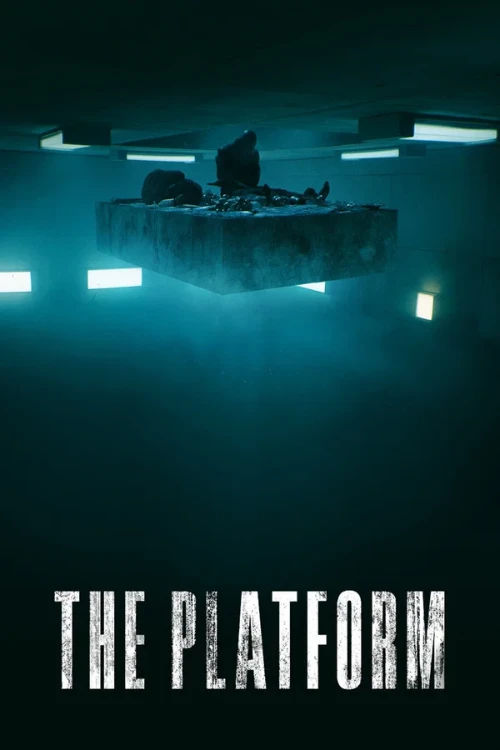
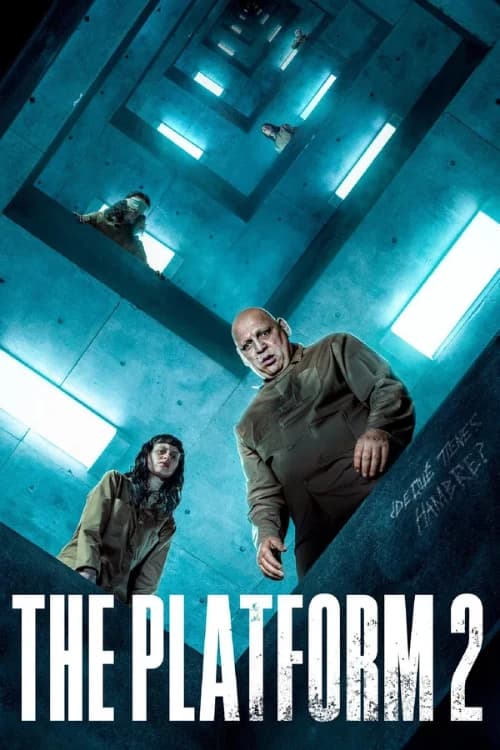
A mysterious place, an indescribable prison, a deep hole. An unknown number of levels. Two inmates living on each level. A descending platform containing food for all of them. An inhuman fight for survival, but also an opportunity for solidarity.
Directed by Galder Gaztelu-Urrutia, the 2019 film "The Platform" (El Hoyo) is a harrowing sci-fi thriller that delves into the dark labyrinths of human nature and the tangible vertical architecture of social inequality. Set in a mysterious, multi-leveled facility known as the Vertical Self-Management Center, the narrative unveils class hierarchy, greed, and human selfishness in their rawest forms through a descending dining platform. In a system where each floor feeds solely on the leftovers of the ones above, the lower levels inevitably devolve into arenas of brutal survival. The film provocatively questions how easily morality is maintained when one is fed and comfortable, and how rapidly it evaporates under the strain of scarcity.
The protagonist Goreng voluntarily enters this system carrying a copy of Miguel de Cervantes' "Don Quixote," imparting a rich philosophical and symbolic depth to the narrative. Goreng's starry-eyed idealism is relentlessly tested against the harsh reality of the lower levels and the pragmatic savagery of his experienced cellmate, Trimagasi. As the story explores the possibilities of individual effort and collective consciousness in a broken system, it serves as a razor-sharp critique of capitalist overconsumption and systemic resource inequality. The claustrophobic staging, combined with visceral, stomach-churning realism, immerses the viewer into an unsettling state of confinement.
As the final act shifts toward heightened symbolism and abstraction, the story transitions from a concrete critique of society into an enigmatic metaphor. While its open-ended finale may prove divisive for some viewers, the film's thought-provoking subtext, sociological commentary, and poignant observations on human psychology elevate it far beyond standard genre fare, making it a compelling modern allegory.