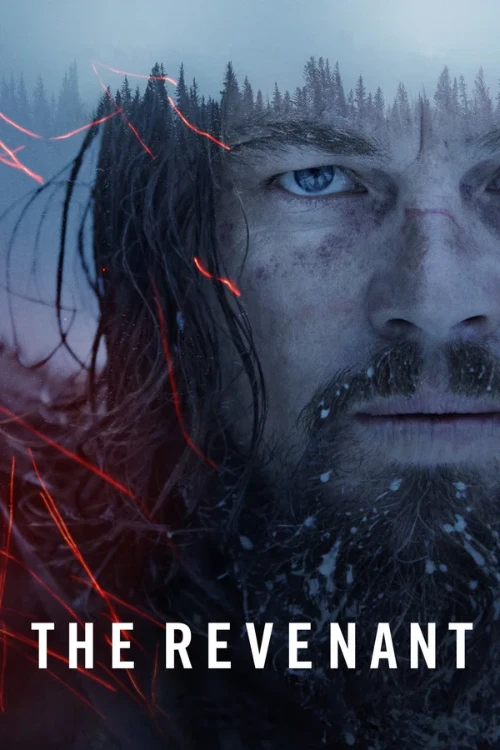
While exploring uncharted wilderness in 1823, legendary frontiersman Hugh Glass sustains injuries from a brutal bear attack. When his hunting team leaves him for dead, Glass must utilize his survival skills to find a way back home while avoiding natives on their own hunt. Grief-stricken and fueled by vengeance, Glass treks through the wintry terrain to track down John Fitzgerald, the former confidant who betrayed and abandoned him.
Directed by Alejandro González Iñárritu, The Revenant (2015) delivers one of the most visceral and haunting survival stories in modern cinema. Inspired by the real-life ordeal of frontiersman Hugh Glass, the film tests the absolute limits of human endurance against both the harshness of uncharted nature and the weight of betrayal. While structured around a classic narrative of revenge, it evolves through its breathtaking visual storytelling into a profound saga of spiritual rebirth.
Cinematographer Emmanuel Lubezki utilizes natural light exclusively, paired with wide-angle lenses, to pull the audience directly into the freezing wilderness alongside the protagonist. The mesmerizing long takes effortlessly balance the serene beauty of the environment with the brutal violence of human struggle. Complemented by the minimalist score from Ryuichi Sakamoto and Alva Noto, the film creates an immersive atmosphere of isolation and existential dread.
Leonardo DiCaprio delivers a career-defining performance as Hugh Glass, relying almost entirely on sheer physical commitment and expressive intensity rather than dialogue. Opposite him, Tom Hardy presents a brilliant counterweight as John Fitzgerald, embodying cold pragmatism and ruthless self-preservation.
The Revenant is more than just a motion picture; it is an exhausting, masterfully crafted cinematic experience that resonates long after the screen fades to black.