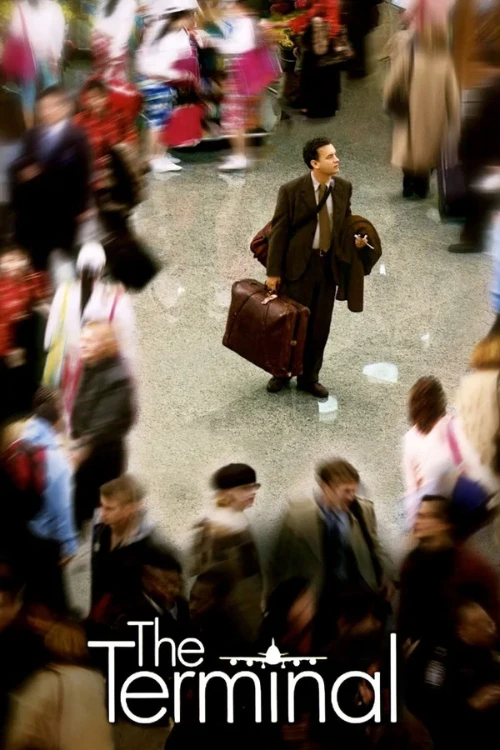
Directed by Steven Spielberg and starring Tom Hanks, the 2004 film The Terminal is a heartwarming tragicomedy that thoughtfully explores themes of bureaucracy, human connections, and belonging. Viktor Navorski, arriving in New York from the fictional Eastern European nation of Krakozhia, finds himself stranded when a military coup breaks out in his homeland during his flight. Rendered stateless with an invalid passport, he is unable to enter the United States or return home, forcing him to make the international transit lounge of John F. Kennedy International Airport his temporary address.
The film excels at transforming a cold, transient space into a vibrant microcosm of human society. While Spielberg depicts the rigid insensitivity of modern bureaucracy through the strictly rule-bound airport director Frank Dixon, he simultaneously illustrates how empathy, community, and resilience can dissolve structural barriers. Tom Hanks delivers a masterclass in subtlety, endowing Viktor with a gentle charm, dignity, and determination. His gradual mastery of the English language, resourceful ways of earning a living, and genuine bonds with airport personnel provide the narrative with rich humor and emotional resonance.
Technically, the film is a remarkable achievement; the massive, custom-built airport set feels entirely authentic and dynamic rather than static. Coupled with Janusz Kamiński’s thoughtful cinematography and John Williams’s warm, jazz-infused score, the film maintains an inviting atmosphere throughout. Although the pacing occasionally falters during secondary romantic subplots, the central emotional drive—Viktor's quiet devotion to fulfilling a promise to his late father—keeps the narrative anchored and deeply satisfying.