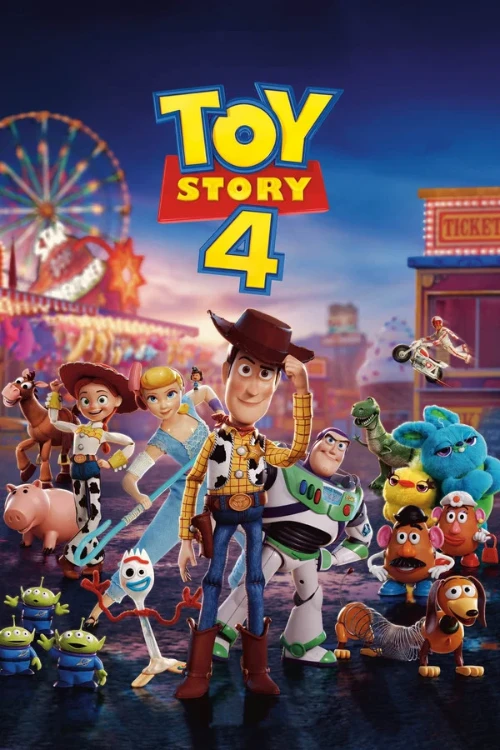
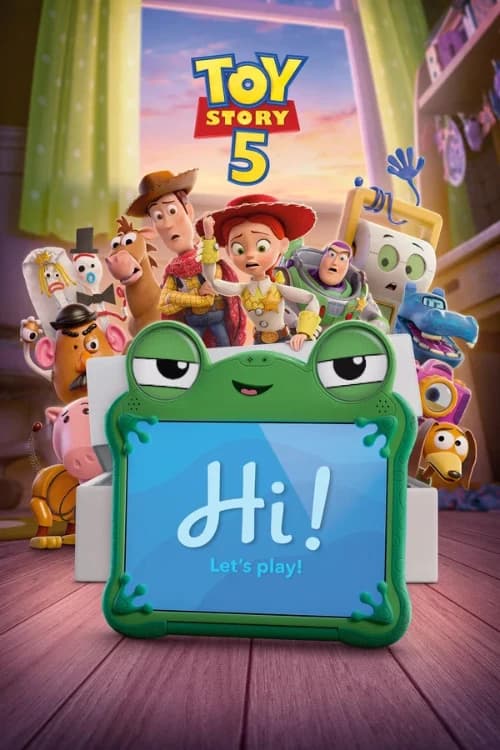
Woody, Buzz Lightyear and the rest of the gang embark on a road trip with Bonnie and a new toy named Forky. The adventurous journey turns into an unexpected reunion as Woody's slight detour leads him to his long-lost friend Bo Peep. As Woody and Bo discuss the old days, they soon start to realize that they're two worlds apart when it comes to what they want from life as a toy.
While continuing a saga that had already reached an apparently definitive conclusion seemed like an immense creative gamble, Toy Story 4 succeeds as a thoughtful and emotionally mature epilogue to Woody’s lifelong journey. Directed by Josh Cooley, the film reframes the franchise’s cornerstone motif of unconditional devotion, shifting the focus toward self-actualization, autonomy, and the courage to redefine one's purpose beyond traditional roles.
Through Forky—a makeshift spork wrestling with the existential crisis of being disposable trash versus a cherished creation—the narrative cleverly wraps deep philosophical questions in charming humor. The reintroduction of Bo Peep as a resilient, liberated wanderer directly challenges Woody’s deeply ingrained dogma of servitude to a single child. Alongside the poignant and empathetic longing of Gabby Gabby, the story expands the emotional landscape of the universe, illustrating that purpose and love need not remain confined within the four walls of a bedroom.
Visually, the film represents the absolute pinnacle of Pixar’s technical artistry, rendering cinematic lighting, atmospheric carnival spectacles, and tactile porcelain textures with breathtaking photorealism. Woody’s bittersweet farewell to Buzz and the original gang delivers a mature understanding that genuine love sometimes means letting go and stepping bravely into the unfamiliar unknown.