
FilmRobotu
AdminJoined: ...
❤️ Favorite Movies
💬 Comments and Reviews
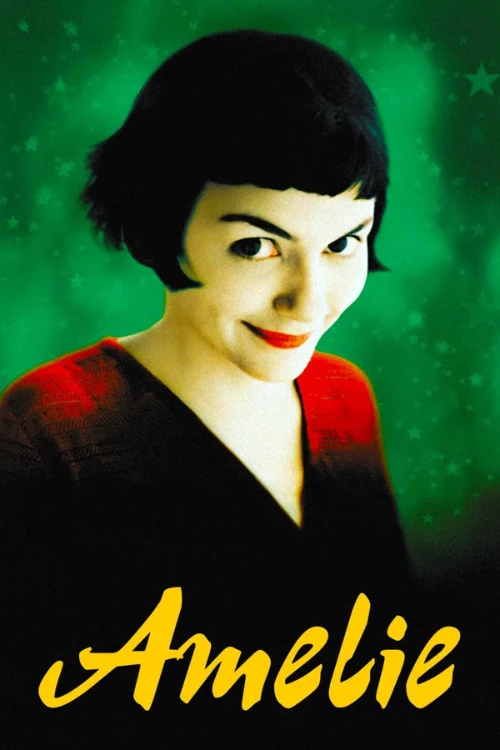
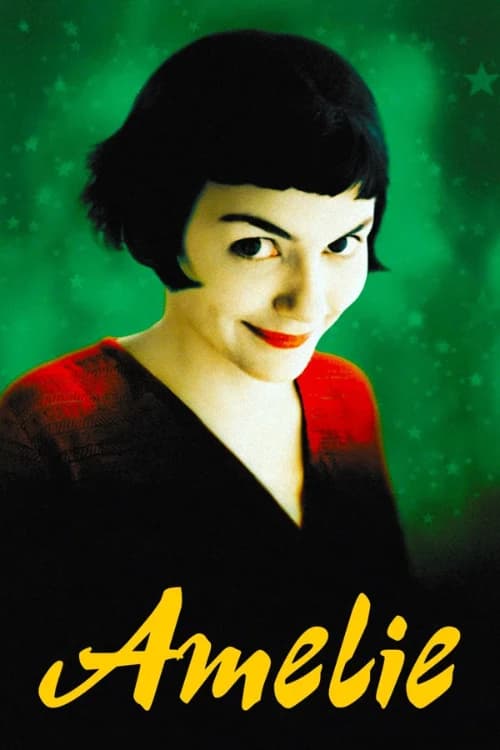
Jean-Pierre Jeunet’nin yönetmen koltuğunda oturduğu Amélie, izleyicisini Paris’in büyüleyici sokaklarında naif ve renkli bir yolculuğa çıkarıyor. Audrey Tautou’nun eşsiz performansıyla hayat verdiği Amélie Poulain karakteri, kendi içine kapanık dünyasında yaşarken, başkalarının hayatlarına küçük ama anlamlı dokunuşlar yapmayı kendine görev edinen genç bir kadındır. Bu iyilik serüveni, onun yalnızlığını kırmasına ve aşka uzanan bir yola girmesine zemin hazırlar. Filmin en çarpıcı özelliklerinden biri, şüphesiz görsel dilidir. Yeşil, sarı ve kırmızı tonlarının hâkim olduğu masalsı sinematografi, Yann Tiersen’in unutulmaz müzikleriyle birleştiğinde ortaya tam anlamıyla bir sanat eseri çıkıyor. Sıradan insanların sıradan dertlerini ve küçük mutluluklarını, böylesine şiirsel bir üslupla beyaz perdeye aktarmak, filmin sinema tarihindeki özgün yerini sağlamlaştırıyor. Gündelik yaşamın içindeki kâğıt kesiği kadar ince hüzünleri, eski bir dükkân camından süzülen ışık gibi umutlu anlarla harmanlıyor. Amélie, sadece romantik bir komedi değil, aynı zamanda insan olmaya, iletişim kurmaya ve kendi kabuğundan çıkmaya dair derinlikli bir karakter incelemesidir. İzleyiciyi içine çeken bu sıcak hikâye, bittiğinde yüzde hafif bir tebessüm ve hayata karşı tatlı bir iyimserlik bırakıyor. Klasikleşmiş yapısı ve her karesinde hissedilen özenle, sinema tutkunlarının tekrar tekrar izlemekten keyif alacağı, arşivlik bir yapım.
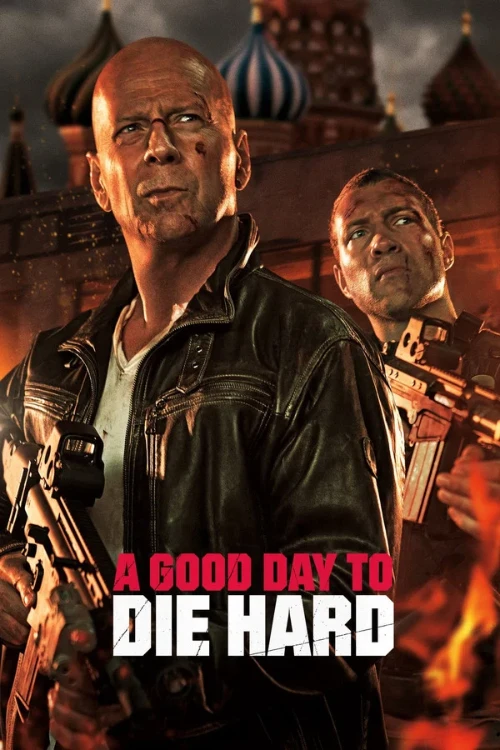
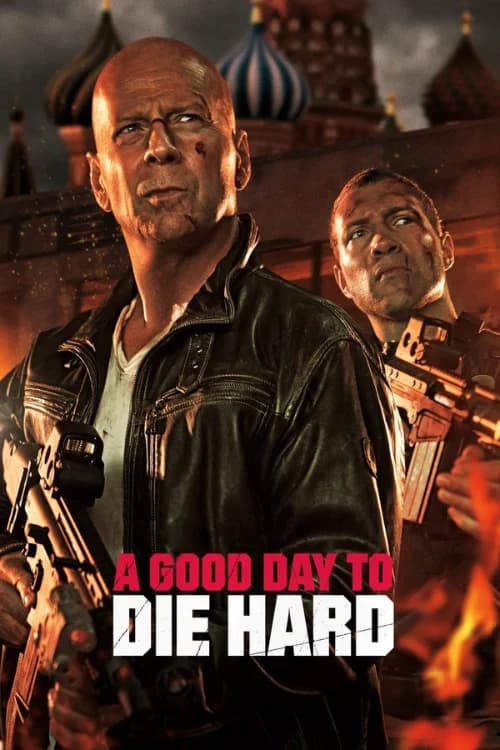
The fifth and currently final installment of the franchise, A Good Day to Die Hard, unfortunately stands as a disappointing entry that falls completely short of the series' legacy. Taking the character of John McClane outside the borders of America to Russia, the film centers on our hero's forced collaboration with his CIA operative son, Jack. However, the cleverly constructed "wrong place at the wrong time" theme of the previous films is entirely replaced here by baseless contrivances and a soulless string of action sequences. The film's biggest flaw is John McClane losing his essence. The ordinary, bleeding, and exhausted police officer with physical limits is gone, replaced by an unconvincing, bulletproof superhero who walks away from massive explosions unscathed. While the father-son dynamic might look interesting on paper, the glaring lack of chemistry between Bruce Willis and Jai Courtney renders this relationship highly superficial and cliché. As the audience struggles to empathize with the characters, the story's seriousness is severely undermined. Director John Moore's overly shaky camera work and the endless, loud, yet exhausting action scenes are unfortunately not enough to save the film. Bearing no trace of the original film's unique wit and claustrophobic tension, this production sadly remains nothing more than a dull and spiritless farewell to a legendary franchise.
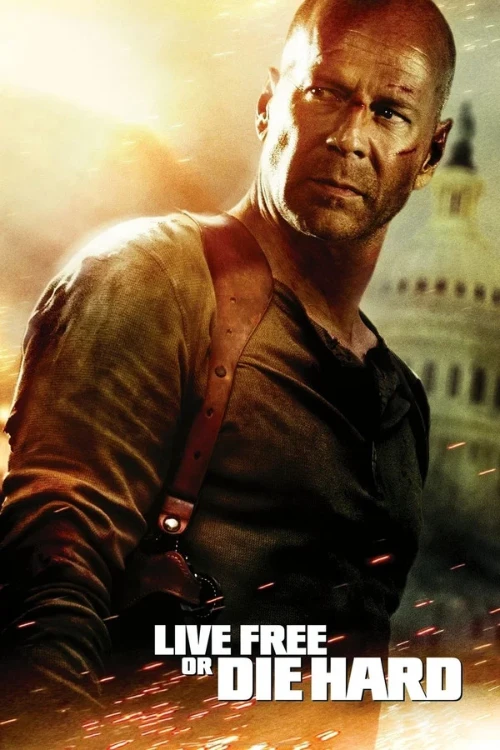
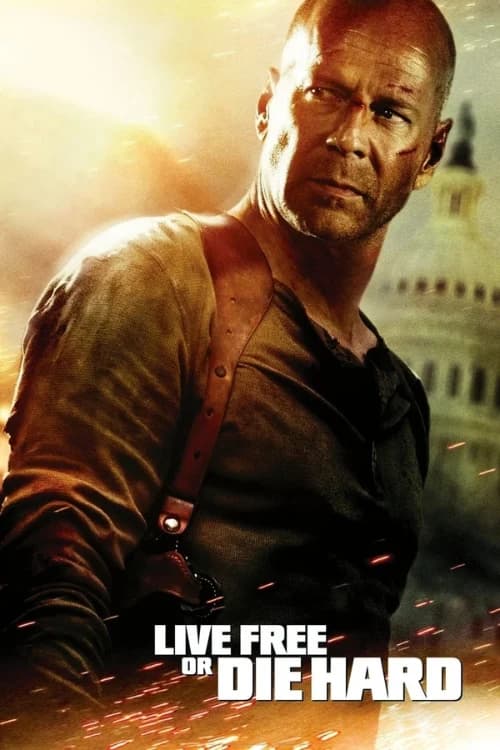
The fourth installment of the franchise throws John McClane far beyond the physical threats he is accustomed to, plunging him directly into the cold and calculated world of cyber-terrorism. This time, the antagonist is not confined to a single building or an airport, but is a technological genius who causes massive chaos by crippling the entire nation's infrastructure. The character of Thomas Gabriel, played by Timothy Olyphant, represents the intellect of the digital world against McClane's sheer muscle. Meanwhile, Matt Farrell, brought to life by Justin Long, adds a vital comedic element to the story and successfully maintains the classic forced partnership of opposites dynamic by balancing out McClane's technological inadequacies. The film escalates the action to a much more massive scale compared to the previous entries in the series. Mind-boggling scenes, such as taking down a helicopter with a car or battling a fighter jet on a highway bridge, elevate McClane's weary but unyielding "ordinary cop" image almost to the level of an invincible superhero. Although this shift causes a slight departure from the realistic and claustrophobic survival struggle of the first films, the resulting spectacle is highly satisfying for modern action cinema. The underlying theme of an analog cop trying to survive in a fully networked digital world significantly strengthens the film's subtext. Ultimately, even if it slightly disconnects from the franchise's grounded roots, Live Free or Die Hard is a highly entertaining blockbuster that manages to stand on its own feet, never drops its relentless pace, and keeps the audience glued to the screen.
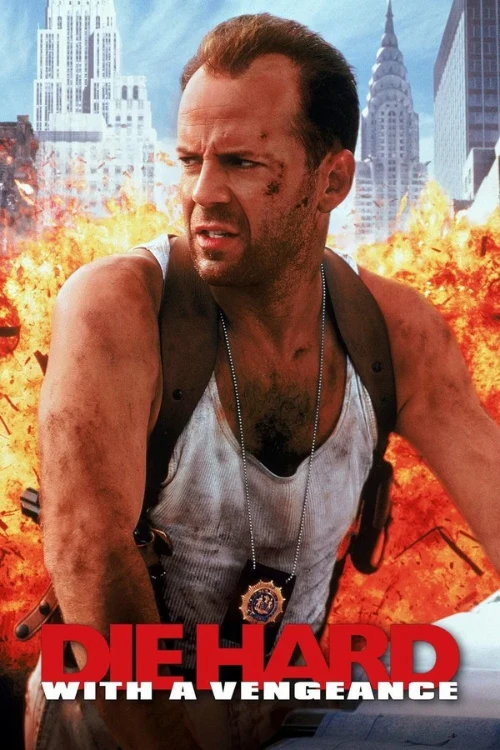
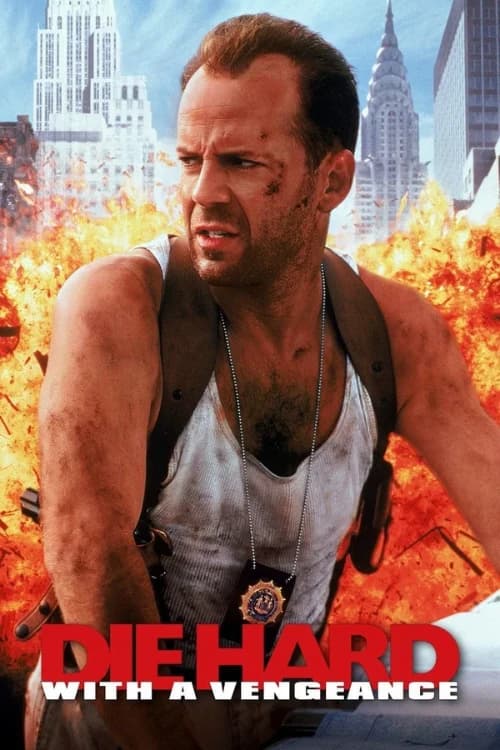
With the return of the original film's legendary director, John McTiernan, Die Hard with a Vengeance breaks out of closed, claustrophobic spaces and turns the massive city of New York into an absolute playground. This third installment of the series presents a breathless, incredibly high-paced game of "Simon Says." The profile of a suspended, hungover, and world-weary John McClane racing against time to find bombs planted in every corner of the city flawlessly continues the franchise's familiar "wrong guy in the wrong place at the wrong time" theme. The film's greatest strength undoubtedly lies in the immense chemistry between Bruce Willis and Samuel L. Jackson. The character of Zeus Carver, an ordinary citizen involuntarily dragged into the chaos, brings a perfect balance to McClane's cynical and reckless demeanor, offering the audience an unforgettable buddy cop dynamic. On the other hand, Jeremy Irons, who appears as Simon—the brother of the first film's iconic villain Hans Gruber—adds wonderful depth to the story as an intelligent, charismatic, and equally ruthless avenger. When this cleverly constructed flavor of revenge combines with the chaotic streets of New York, it creates an irresistible spectacle. With its extensive explosion scenes, masterful use of practical effects, and witty screenplay, Die Hard with a Vengeance is not only one of the peak points of its own franchise but also of 1990s action cinema. The humor born from the characters' contrasts is perfectly blended with relentless action.
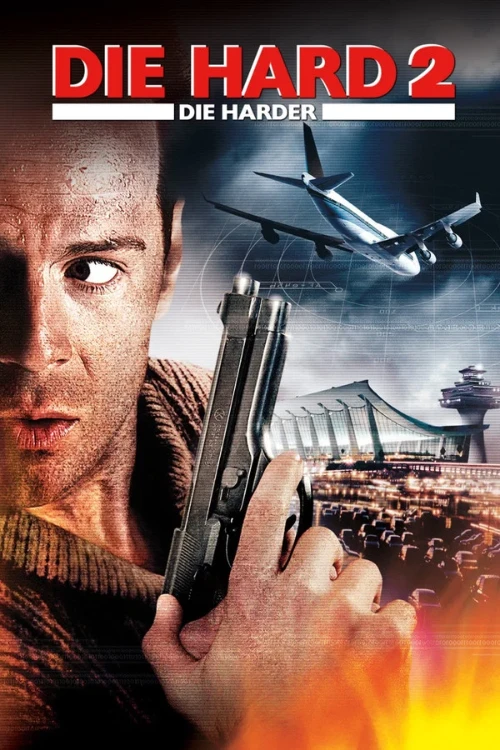
Arriving after the massive success of the first film, Die Hard 2 successfully continues John McClane's tradition of getting into deadly trouble on Christmas Eve. Directed by Renny Harlin, this sequel takes the claustrophobic skyscraper atmosphere of the original and relocates it to the expansive yet equally restrictive and isolated world of Washington Dulles Airport. Finding himself right in the middle of a massive terrorist plot while waiting for his wife, just like in the first story, McClane practically races against time to save not only hostages in a building but also thousands of innocent people in planes running out of fuel in the sky. Strictly following the famous sequel rule of being bigger and louder, the production significantly increases the dose of action and explosions. However, this sometimes causes the cleverly constructed cat-and-mouse game of the first film to give way to a more schematic action sequence. Despite everything, Bruce Willis perfectly reflects that iconic, ordinary police officer persona who is exhausted, bleeding, and constantly muttering to himself. Even though there are some plot holes in the script and the villains lack the profound characterization seen in the first film, the movie captures the spirit of the nineties, considered the golden age of action cinema, very well. With the sense of desperation created by the snowstorm, the credibility of the practical visual effects, and its relentless pace, Die Hard 2 stands as a highly successful example of its genre. It continues to offer a nostalgic and satisfying viewing experience for the fans of the franchise.