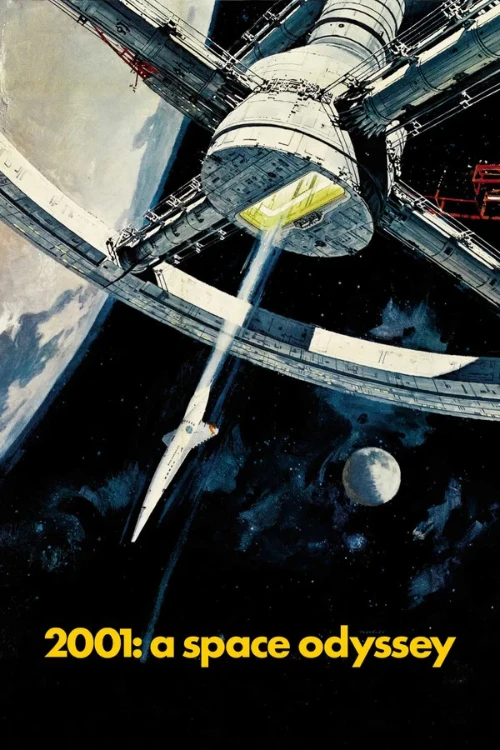
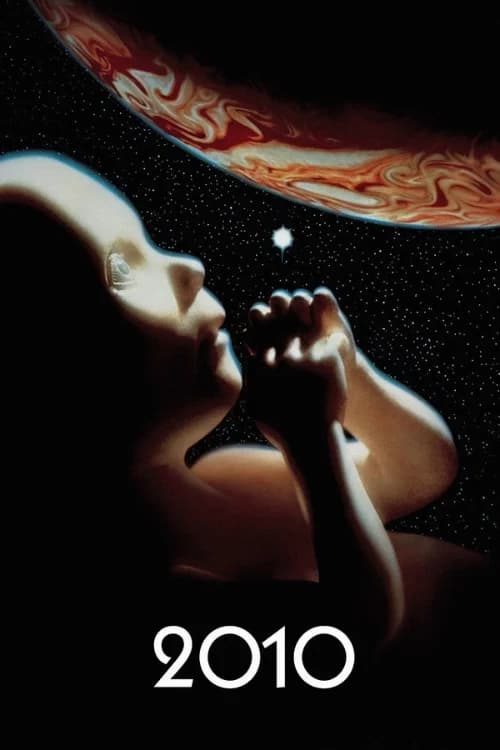
"2001: A Space Odyssey" is an epic chronicle of evolution and human destiny. In the distant past, an enigmatic presence nudges the course of human development by placing a mysterious monolith on Earth. Millennia later, humankind evolves sufficiently to reach the lunar surface, where they uncover another monolith that signals its creators about humanity's progress. Assisted by the advanced artificial intelligence HAL 9000, a space expedition ventures into the deep cosmos to confront the mysterious beings behind the monoliths, hoping to unlock the next threshold of evolution.
Stanley Kubrick’s 1968 masterpiece, 2001: A Space Odyssey, transcends the conventional boundaries of science fiction to deliver a profound philosophical meditation on human evolution, consciousness, and our place in the cosmos. Bridging the dawn of humankind with the vast unknown of deep space, the narrative relies on hypnotic visual storytelling and immaculate sound design rather than exposition-heavy dialogue. The fragile boundary between human ingenuity and artificial intelligence—epitomized by the chillingly calm HAL 9000—raises timeless questions regarding control, sentience, and destiny under the enigmatic gaze of the Monolith.
Kubrick’s meticulous direction, groundbreaking practical effects, and iconic pairing of classical waltzes with orbital mechanics grant the film an enduring, transcendent grace. By utilizing silence and deliberate pacing, the film immerses the viewer into the stark, awe-inspiring beauty of the void. Decades after its release, it remains an unparalleled cinematic monolith that invites continuous philosophical contemplation.