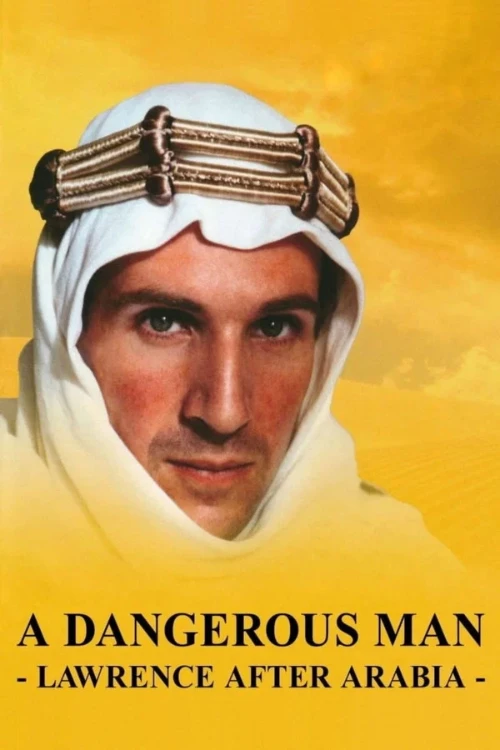
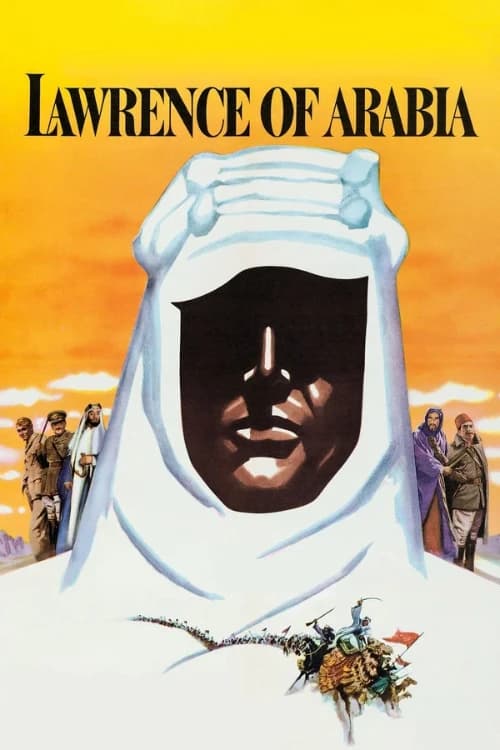
In 1919, the great English military man T. E. Lawrence tries to help the king of the Syrian in the Conference of Peace in Paris. The film shows the hero of the movie Lawrence of Arabia (1962) in a phase of reflection and politics, defending the Arabs against the pretensions of England and France.
Shifting away from the sweeping desert vistas and cinematic romanticism of David Lean’s classic, A Dangerous Man: Lawrence After Arabia tackles the sobering, bureaucratic, and morally fraught aftermath of the Arab Revolt. Set against the backdrop of the 1919 Paris Peace Conference, the film dismantles the heroic mythos of T. E. Lawrence, exposing how wartime promises of Arab sovereignty were systematically dismantled by Anglo-French imperialist machinations and backroom diplomacy.
Ralph Fiennes delivers a breakthrough early-career performance that rightfully brought him to international prominence. His portrayal captures Lawrence’s profound identity crisis, disillusionment, and harrowing guilt as he watches his own government betray Prince Feisal—portrayed with composed dignity by Alexander Siddig. The film thrives on tense political maneuvering, turning diplomatic negotiations into a compelling psychological battleground.
While its television budget inherently constrains large-scale visual spectacle, the production compensates with razor-sharp dialogue, period authenticity, and rigorous historical fidelity. It serves as an essential thematic companion piece to the Lawrence lore, effectively illustrating how the geopolitical lines drawn in smoke-filled rooms laid the groundwork for modern conflicts.