
▶ JustWatch
Currently available to stream, rent, or buy. JustWatch helps you easily find where you can legally watch your favorite movies and TV shows online.
Stream


Rent


Buy
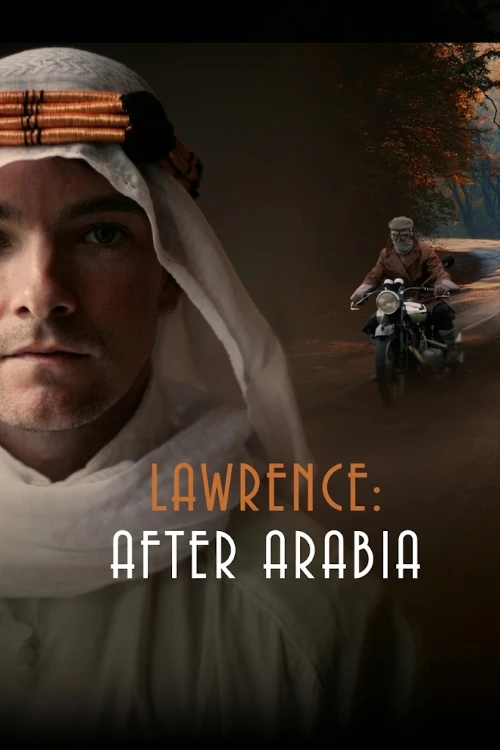
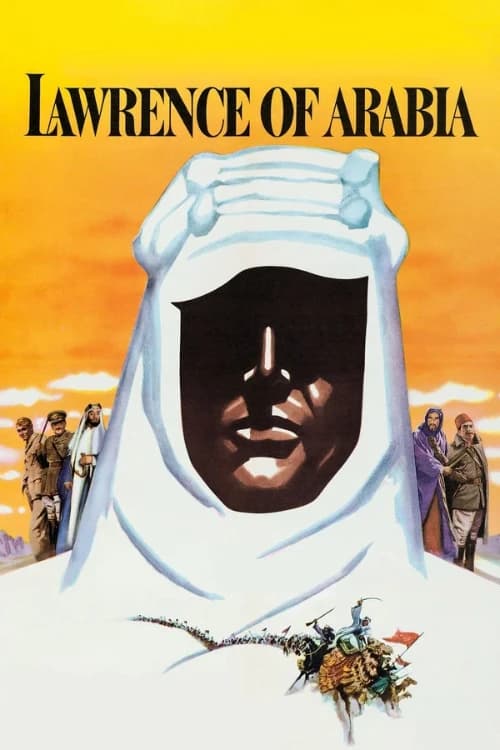
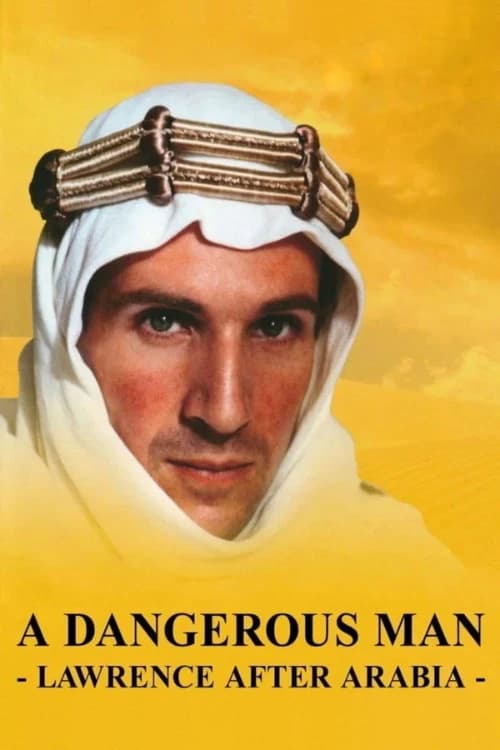
Retiring to his cottage in Dorset Lawrence hopes to forget his past fighting in Arabia but soon he is drawn into political intrigue and his many enemies begin to plot against him. Was a motorcycle crash an accident or attempt at assassination by the British Secret Service? "Lawrence: After Arabia" tells the story of the last years of the life of the 20th century hero, T.E. Lawrence - Lawrence of Arabia. Lawrence was a writer and poet with friendships with GB Shaw, Thomas Hardy, Henry Williamson, EM Forster, Siegfried Sassoon and others but he was also a political agitator and good friends with Winston Churchill. Lawrence lived at Cloud's Hill, his simple cottage near Bovington in Dorset where he spent years escaping the "Lawrence of Arabia" and hero epithets by using pseudonyms and changing his name. He still had strong ties with his Arab friends, was building bridges with Mosely and the Blackshirts and was also be prepared for a leadership position in the Secret Service. In common with many other soldiers, he suffered from depression and post traumatic stress disorder. His uncompromising and direct manner and beliefs created many powerful and influential enemies. Chronologically the story follows on from David Lean's "Lawrence of Arabia" (1962) with the late Peter O'Toole playing Lawrence and "Dangerous Man: Lawrence After Arabia" (1990) with Ralph Fiennes who played the title role. The screenplay is a British period drama and a character study of a man that uses extracts from letters and other contemporaneous documents from the period to reconstruct the final years of Lawrence's life, the accident, inquest and his funeral and why the authorities want to eliminate him.
Other Movies in the Series
Audience Reviews
Rate and Review

Immortalized in cinema history by David Lean’s 1962 sweeping masterpiece, the portrait of T.E. Lawrence takes on a far more intimate and psychological dimension in Mark J.T. Griffin’s Lawrence: After Arabia (2021). Departing from the vast, romanticized dunes of the Arabian desert, the film shifts focus to the quiet post-war countryside of Dorset and Lawrence’s reclusive, tormented existence at Clouds Hill. Rather than echoing the grandeur of battlefield heroics, this narrative delves into the lingering aftermath of war, exploring the psychological fractures, guilt, and alienation that defined his twilight years. Portrayed by Tom Barber-Duffy with brooding restraint, Thomas Edward Lawrence is depicted as a man haunted by past ghosts and struggling under the weight of unresolved trauma. The film weaves together his volatile relationship with the British establishment, his private correspondence with prominent figures of the era, and the ominous web of political intrigue that encircled him. Director Griffin leans heavily into the enduring mystery surrounding Lawrence’s fatal 1935 Brough Superior motorcycle crash, boldly challenging the official verdict of an accidental death and presenting the case for a covert state-sponsored assassination. From a production standpoint, the film operates within the visible boundaries of an independent budget. While it makes evocative use of genuine Dorset locations and benefits from the grounding presence of seasoned actors like Brian Cox and Hugh Fraser, the pacing occasionally stumbles into dialogue-heavy staging and television-drama aesthetics. At times, the investigative focus on the assassination conspiracy overshadows a deeper psychological study. Nonetheless, its willingness to unpack the tragic, disenfranchised end of a global icon makes it an intriguing and commendable contribution to the Lawrence mythos.