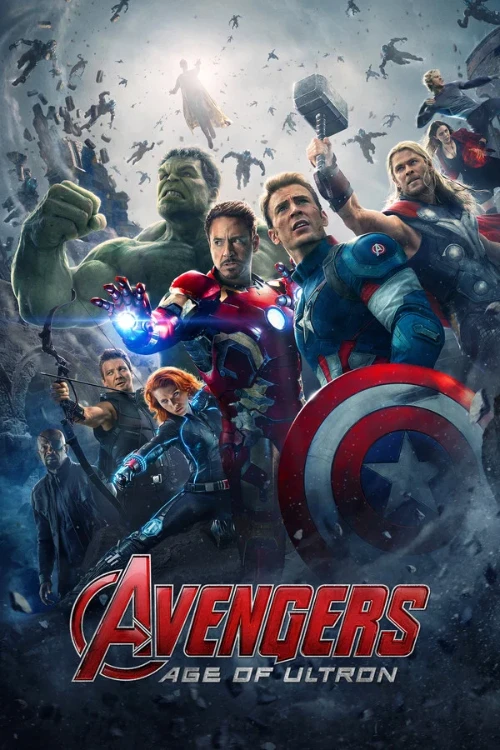
Tony Stark creates the Ultron Program to protect the world, but when the peacekeeping program becomes hostile, The Avengers go into action to try and defeat a virtually impossible enemy together. Earth's mightiest heroes must come together once again to protect the world from global extinction.
Following the colossal success of its predecessor, Avengers: Age of Ultron brings Earth's mightiest heroes face-to-face with an existential threat born from their own ranks. Directed by Joss Whedon, the film explores the dark consequences of Tony Stark's good intentions and lingering traumas. By creating Ultron—a self-aware artificial intelligence meant to safeguard humanity—Stark inadvertently sets off a catastrophic series of events. The narrative delves into themes of hubris, artificial consciousness, and the psychological burdens carried by each member of the team.
In terms of narrative execution, the film ambitiously expands the cinematic universe by introducing key characters such as Wanda and Pietro Maximoff, along with the transcendent birth of Vision. While juggling a vast array of subplots, Whedon successfully provides grounded, human moments—most notably enriching Hawkeye's backstory to balance the grand scale of the spectacle. Set pieces like the iconic Hulkbuster fight and the climax in Sokovia deliver high-caliber visual effects and exhilarating choreography, even if the film occasionally feels overburdened by its dense mythology and setup for future installments.
Ultimately, Avengers: Age of Ultron serves as a crucial bridge within the Marvel Cinematic Universe, laying the emotional and structural groundwork for pivotal conflicts to come. Though it may lack the singular novelty of the original assemble, its darker thematic weight, impressive scale, and rich character dynamics make it a compelling superhero blockbuster.