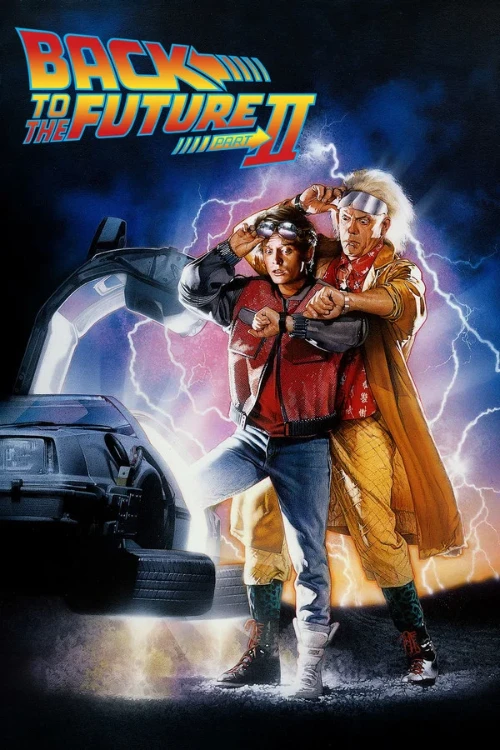
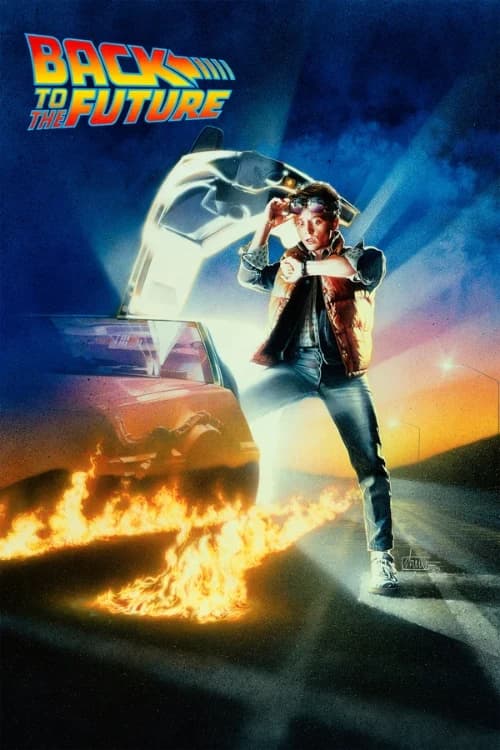
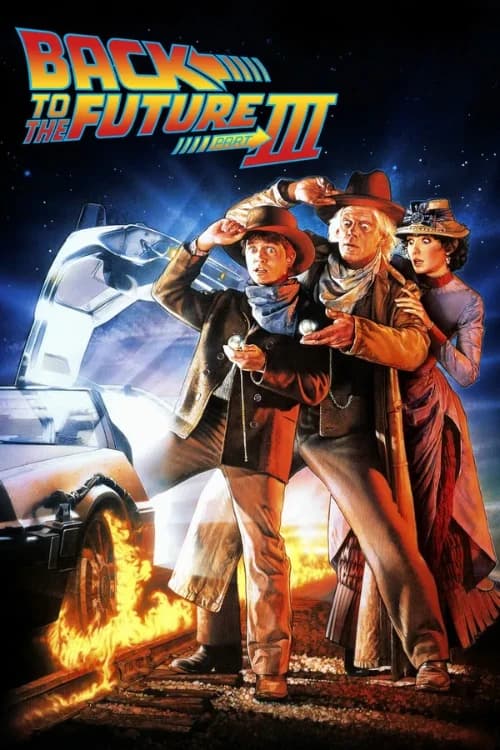
Marty McFly has only just gotten back from the past, when he is once again picked up by Dr. Emmett Brown and sent through time to the future. Marty's job in the future is to pose as his own son to prevent him from being thrown in prison. Unfortunately, things get worse when the future changes the present.
Directed by Robert Zemeckis, Back to the Future Part II (1989) does far more than rely on the triumph of its predecessor; it elevates the time-travel concept into a significantly more intricate, ambitious, and layered adventure. Building directly upon the charm of the original, this sequel dramatically expands the narrative scope to solidify one of the most iconic universes in film history.
The story initially hurls the audience into an imaginative vision of 2015. Packed with hoverboards, auto-lacing sneakers, and giant holographic advertisements, this depiction of the future captured the public imagination and left an indelible mark on pop culture. However, the true narrative brilliance shines when a sports almanac falls into the hands of Biff Tannen, altering the course of history. After plunging Marty and Doc into a dark, dystopian alternate version of 1985, the film skillfully loops back to 1955, weaving its plot around the very events of the first movie.
The screenplay by Bob Gale and Zemeckis executes a masterclass in timeline logistics as the protagonists navigate around their past selves without disrupting time. Pushing the boundaries of optical effects and motion-control photography at the time, the film maintains a relentless pace from start to finish. Michael J. Fox seamlessly portrays multiple generations of his family, while Thomas F. Wilson delivers an exceptional performance across various iterations of Biff. Darker and more complex than the original, Part II stands as a brilliantly engineered sequel that delivers pure sci-fi spectacle.