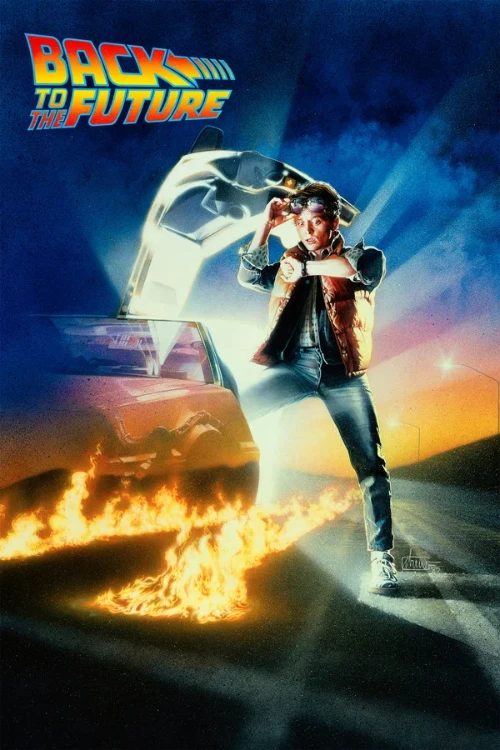
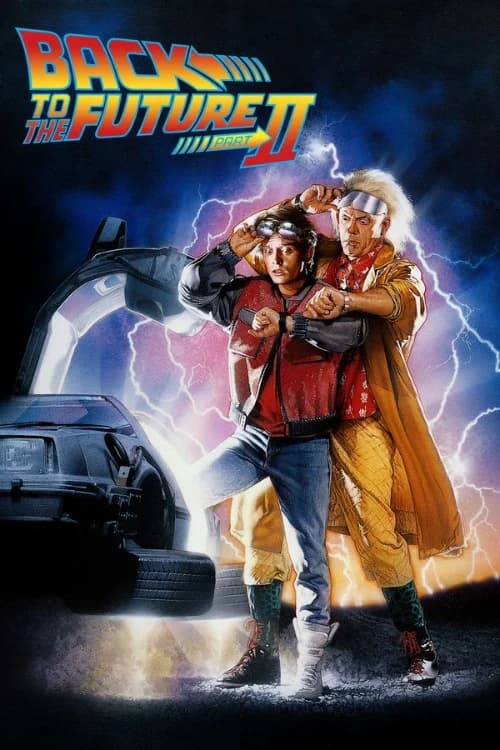
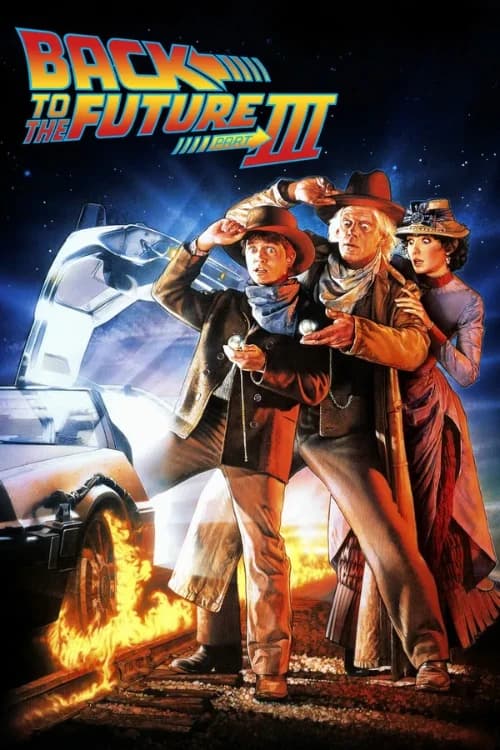
Marty McFly, a typical American teenager of the Eighties, is accidentally sent back to 1955 in a plutonium-powered DeLorean "time machine" invented by a slightly mad scientist. During his often hysterical, always amazing trip back in time, Marty must make sure his teenage parents-to-be meet and fall in love to get back to the future.
Robert Zemeckis’s 1985 masterpiece, Back to the Future, stands as one of the most impeccably crafted films in cinema history, effortlessly transcending the boundaries of science fiction and pop culture. Its timeless appeal stems not merely from its time-travel premise, but from its flawless narrative structure and the electrifying chemistry of its lead characters.
At its core, the journey of high schooler Marty McFly and the eccentric scientist Doc Brown is built on razor-sharp humor, relentless pacing, and a brilliant masterclass in setup and payoff. The script, co-written by Bob Gale and Zemeckis, ensures that every subtle detail dropped in the opening acts—a passing casual line, a flyer, or a clock tower story—becomes a crucial mechanism that drives the climax. The sharp contrast between the vibrant, rock-and-roll energy of the 1980s and the seemingly naive, suburban landscape of the 1950s gives the film an enduring thematic resonance.
The dynamic between Michael J. Fox’s effortless charisma and Christopher Lloyd’s iconic, wide-eyed madness anchors the entire emotional weight of the story. Coupled with Alan Silvestri's triumphant, instantly recognizable score and the unforgettable image of a stainless-steel DeLorean tearing through time, the film delivers pure cinematic joy from start to finish. It remains an endlessly rewatchable gem that defy the very concept of aging.