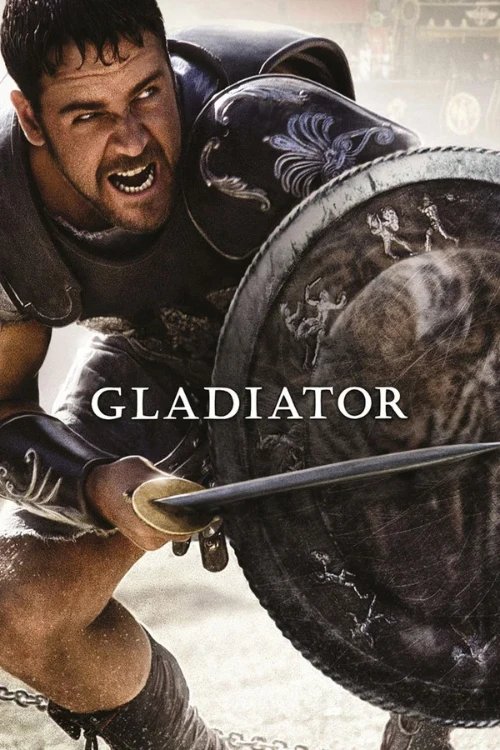
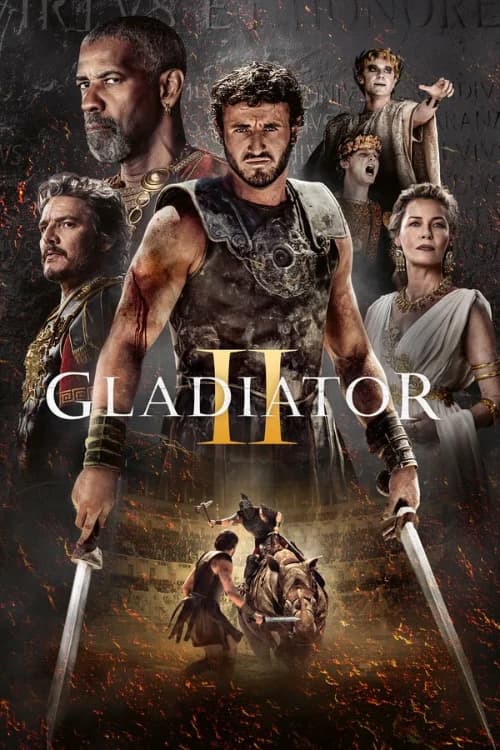
Gladiator, directed by Ridley Scott, stands as one of the most magnificent historical epics in cinema history, perfectly fusing grand narrative scope with intimate human drama.
The story follows Maximus Decimus Meridius, a brave and loyal Roman general who is betrayed and cast into slavery following the death of Emperor Marcus Aurelius. Stripped of his home and family by the corrupt new emperor, Commodus, Maximus is forced to fight as a gladiator. Driven by grief and a relentless search for justice, his rise through the arena eventually threatens the tyrant on the throne. Scott masterfully weaves themes of honor, political corruption, loyalty, and retribution against the backdrop of an empire in turmoil.
Russell Crowe gives a career-defining performance as Maximus, embodying quiet dignity, sorrow, and unyielding strength. Opposite him, Joaquin Phoenix delivers a brilliant turn as Commodus, portraying him with a terrifying mixture of vulnerability, jealousy, and megalomania. Complemented by Hans Zimmer and Lisa Gerrard’s iconic, haunting score, the film hits profound emotional notes. The visceral arena action, seamless production design, and dramatic depth ensure that ancient Rome feels remarkably vibrant and real.
Gladiator is far more than a thrilling display of sword-and-sandal action; it is a timeless tribute to the resilience of the human spirit in the face of absolute tyranny. Decades after its debut, it remains a towering masterpiece of modern filmmaking.