
▶ JustWatch
Currently available to stream, rent, or buy. JustWatch helps you easily find where you can legally watch your favorite movies and TV shows online.
Stream
Rent





Buy
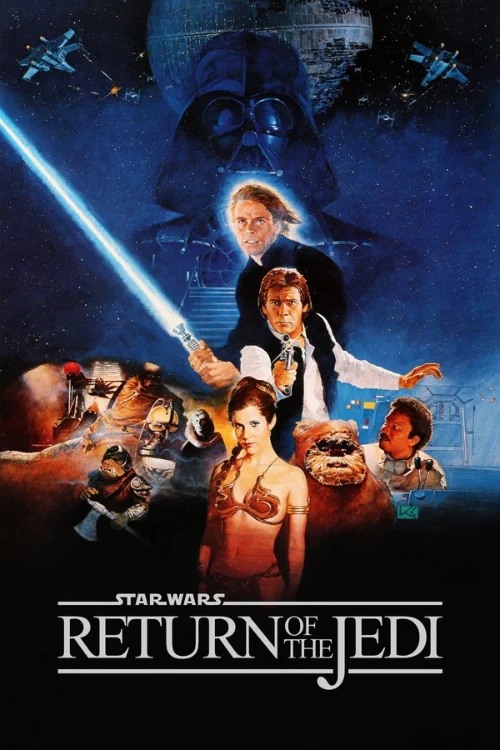
Luke Skywalker (Mark Hamill) battles horrible Jabba the Hut and cruel Darth Vader to save his comrades in the Rebel Alliance and triumph over the Galactic Empire. Han Solo (Harrison Ford) and Princess Leia (Carrie Fisher) reaffirm their love and team with Chewbacca, Lando Calrissian (Billy Dee Williams), the Ewoks and the androids C-3PO and R2-D2 to aid in the disruption of the Dark Side and the defeat of the evil emperor.
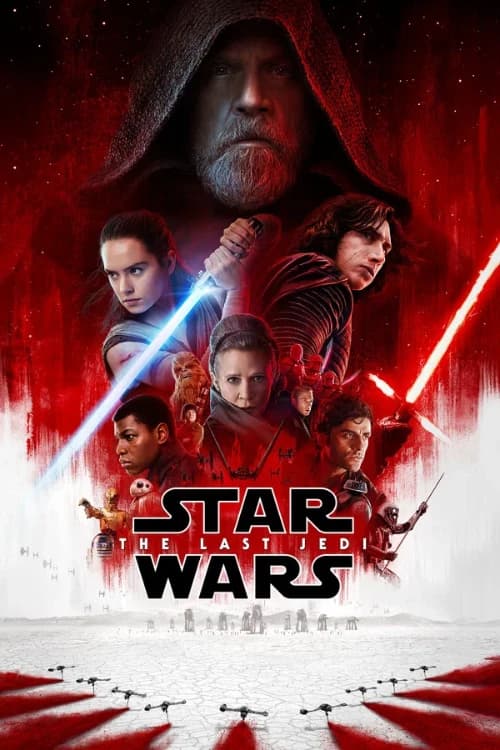
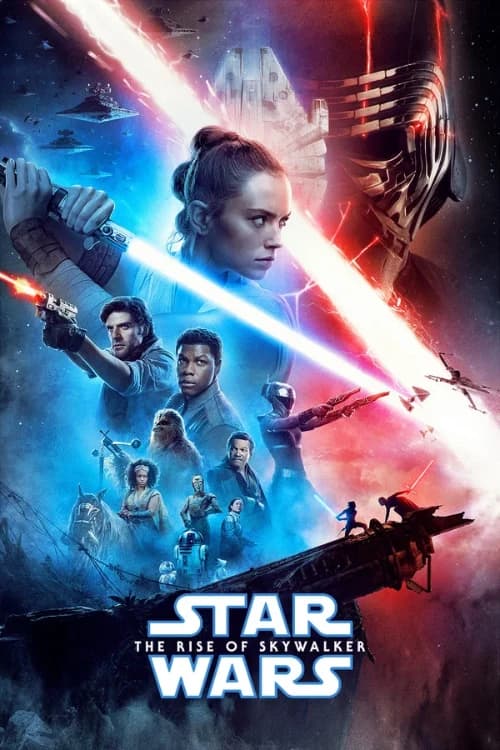
Other Movies in the Series
Audience Reviews
Rate and Review

Released in 1983 and directed by Richard Marquand, "Star Wars: Episode VI - Return of the Jedi" serves as the grand, emotionally resonant conclusion to the original trilogy. Bringing the epic narrative woven across the previous installments to a definitive close, the film offers audiences both a visual spectacle and a poignant story of redemption and forgiveness. The rich universe crafted by George Lucas resolves its central themes around compassion, loyalty, and familial bonds, turning this final chapter into an unforgettable cinematic experience. The film's narrative begins with a high-stakes rescue mission at Jabba the Hutt's palace before expanding into a thrilling three-pronged finale that decides the fate of the galaxy. The ground assault on the forest moon of Endor, the high-octane space battle against the second Death Star, and, above all, the spiritual confrontation in the Emperor's throne room maintain a compelling rhythmic balance. Luke Skywalker's unwavering faith in the remaining light within his father, Darth Vader, forms the philosophical core of the story. Luke's refusal to give in to hatred and anger facilitates Anakin Skywalker's ultimate redemption, imbuing the climax with profound emotional weight. From a technical and aesthetic standpoint, the film pushes the boundaries of practical effects, creature design, and space combat sequence craftsmanship of its era. The kinetic choreography of the Death Star battle scenes retains a dynamic vigor that stands up remarkably well today. John Williams' majestic score continues to elevate every beat, seamlessly shifting from the sinister choral themes of the Emperor to the tragic, tense motifs of the Vader-Luke duel. In conclusion, "Return of the Jedi" crowns the original trilogy—one of the foundational pillars of sci-fi and fantasy cinema—with a deeply satisfying, timeless finale. By proving that ultimate victory over darkness is achieved not merely through military might but through love and redemption, the film firmly maintains its celebrated place in cultural history.