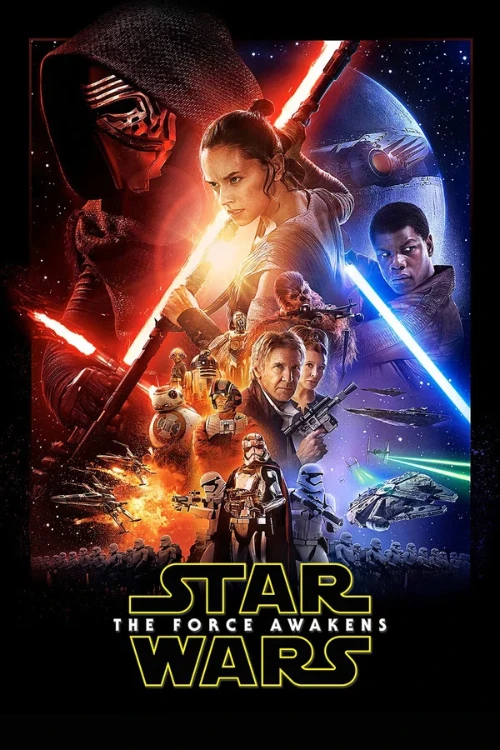
Directed by J.J. Abrams and released in 2015, "Star Wars: Episode VII - The Force Awakens" marks a monumental milestone that brought one of cinema's most legendary sagas back to the big screen after a decade-long hiatus. Taking up the torch from George Lucas, the film aims to satisfy the deep nostalgia of longtime fans while simultaneously welcoming a new generation of viewers into this captivating universe. The emergence of a new dark threat known as the First Order and the urgent quest to locate the missing Jedi Master Luke Skywalker serve as the narrative catalyst for this new era.
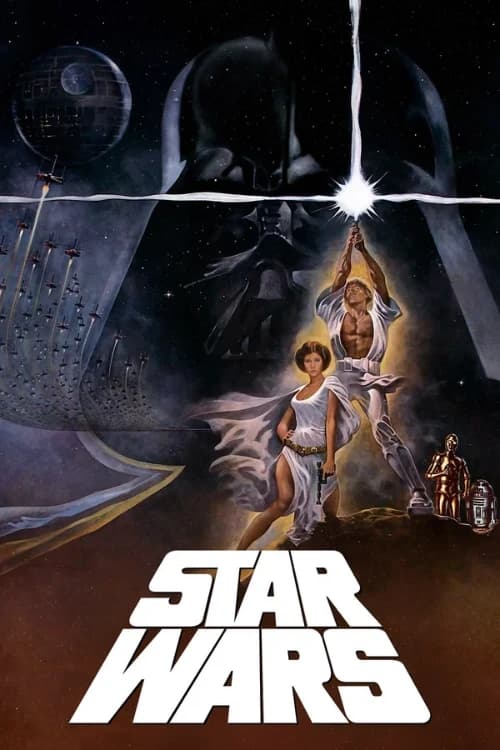
The storytelling structure consciously mirrors the framework of 1977's "A New Hope." The crossing paths of Rey, a solitary scavenger on the desert planet Jakku, and Finn, a disillusioned stormtrooper fleeing the tyranny of the First Order, drive the energetic core of the film. While the return of iconic characters like Han Solo and Chewbacca gracefully passes the torch to the new leads, Adam Driver's portrayal of Kylo Ren—a deeply conflicted villain struggling beneath the imposing legacy of Darth Vader—adds impressive psychological weight to the drama. However, reliance on familiar tropes, such as the planet-destroying Starkiller Base, limits the script from taking truly bold narrative risks.
Technically and aesthetically, the film strikes a superb balance between digital visual effects and practical props and sets. J.J. Abrams' dynamic camera work, fast-paced editing, and rich environmental design deliver a thrilling, immersive cinematic experience. Elevating this visual craft is master composer John Williams, whose new motifs—most notably "Rey's Theme"—brilliantly capture the spirit and emotional resonance of the new protagonists.
In conclusion, while "The Force Awakens" leans heavily into safe, nostalgic territory rather than pioneering entirely new ground, its vibrant energy, compelling new characters, and immaculate technical execution successfully revitalize the Star Wars legacy for modern audiences.