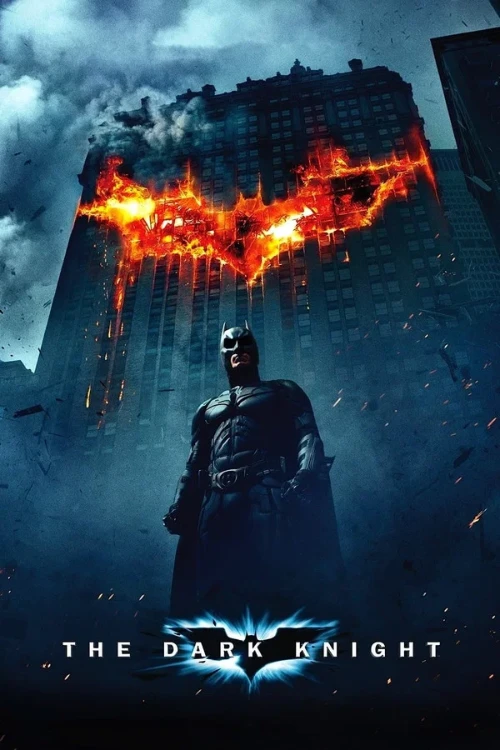
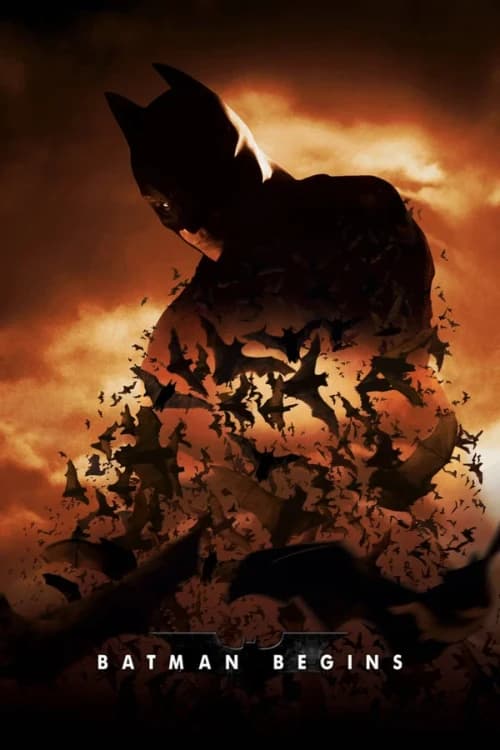
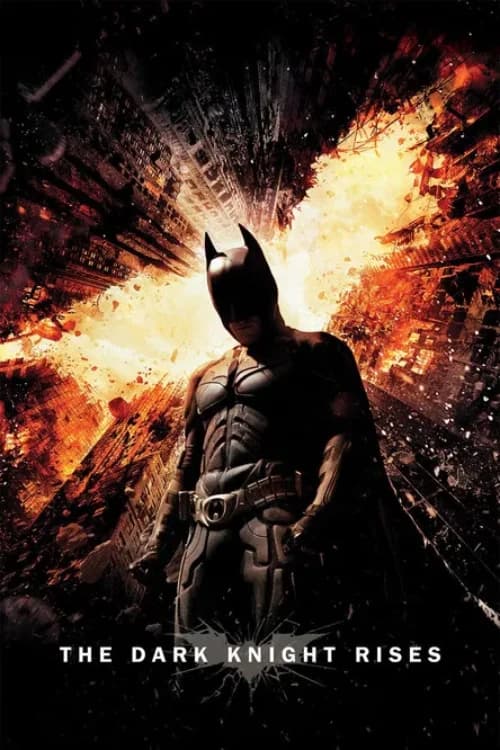
Christopher Nolan’s "The Dark Knight" transcends the boundaries of comic book adaptations to stand as one of the most accomplished crime sagas and psychological dramas in cinematic history. Set against the backdrop of Gotham City's fragile stability, the narrative follows Batman, Lieutenant Jim Gordon, and District Attorney Harvey Dent as their alliance is tested by the Joker—an agent of pure chaos. Nolan crafts a gripping narrative that shifts away from typical superhero tropes, diving instead into a profound exploration of escalation, morality, and the fragility of social order.
At the heart of the film’s monumental success is the late Heath Ledger’s legendary performance as the Joker. Ledger presents an unsettling, force-of-nature antagonist whose motivations are untethered from conventional greed or power, thriving solely on destabilizing societal norms and forcing heroes into impossible moral compromises. Aaron Eckhart delivers a haunting depiction of Harvey Dent's tragic downfall, while Christian Bale anchors the story with a grounded, burdened portrayal of Bruce Wayne, who must accept becoming a villain in the eyes of the public to preserve hope.
From a technical perspective, the film is a masterclass in filmmaking. Wally Pfister’s stunning IMAX cinematography gives Gotham a tactile, atmospheric presence, while the nerve-shredding score by Hans Zimmer and James Newton Howard amplifies every moment of tension. Coupled with seamless practical effects, razor-sharp dialogue, and relentless pacing, "The Dark Knight" remains an unchallenged masterpiece of modern cinema.
In conclusion, "The Dark Knight" is a cinematic triumph that elevates its source material into a timeless epic of light, dark, and the choices that define humanity.