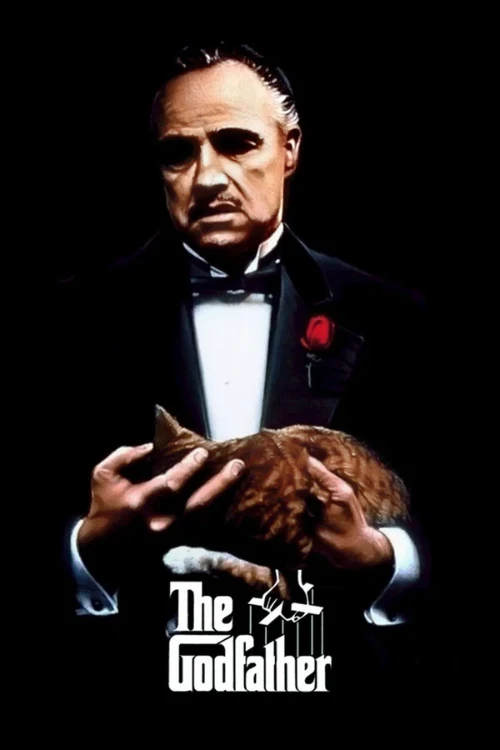
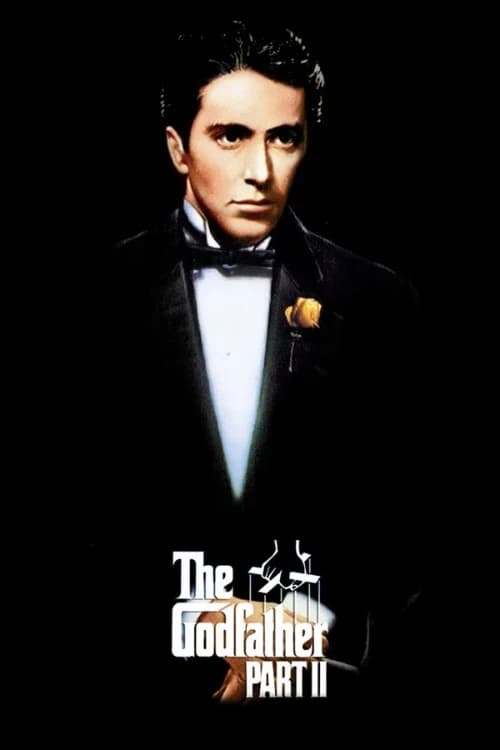
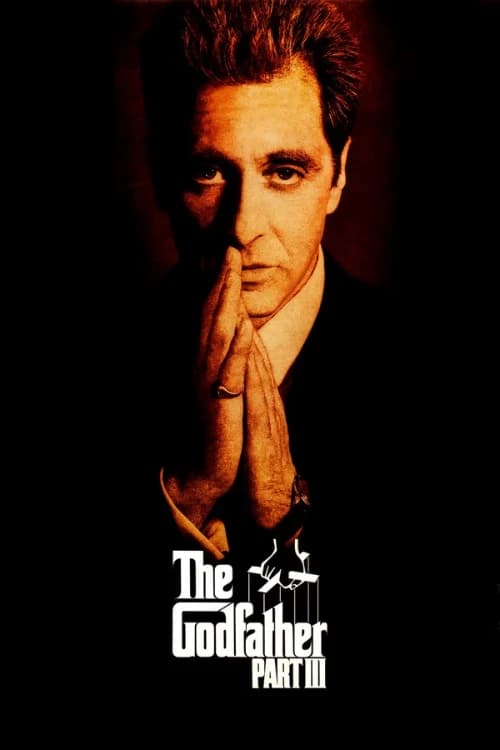
The Godfather "Don" Vito Corleone is the head of the Corleone mafia family in New York. He is at the event of his daughter's wedding. Michael, Vito's youngest son and a decorated WWII Marine is also present at the wedding. Michael seems to be uninterested in being a part of the family business. Vito is a powerful man, and is kind to all those who give him respect but is ruthless against those who do not. But when a powerful and treacherous rival wants to sell drugs and needs the Don's influence for the same, Vito refuses to do it. What follows is a clash between Vito's fading old values and the new ways which may cause Michael to do the thing he was most reluctant in doing and wage a mob war against all the other mafia families which could tear the Corleone family apart.
Francis Ford Coppola’s 1972 masterpiece, The Godfather, stands as one of the most magnificent achievements not only in crime cinema, but in the entire history of filmmaking. Adapted from Mario Puzo’s novel of the same name, the film deeply examines family bonds, loyalty, the thirst for power, and the dark underbelly of the American Dream through the lens of the Corleone crime dynasty. The iconic opening line, "I believe in America," gradually transforms into a poignant tragedy driven by power and moral decay.
Coppola builds his narrative beyond simple mob feuds, skillfully exploring the human and ethical dimensions of power dynamics. Marlon Brando’s portrayal of Don Vito Corleone lends a paternal face to organized crime through his commanding presence, while Al Pacino’s Michael Corleone undergoes one of the most compelling character arcs in cinema history—devolving from a reluctant war hero into a cold, ruthless patriarch. Cinematographer Gordon Willis utilizes rich chiaroscuro lighting to construct a gloomy, claustrophobic atmosphere that visually mirrors the characters' internal struggles. Coupled with Nino Rota’s unforgettable musical score, the movie achieves a timeless artistic elegance.
Ultimately, The Godfather remains a flawless masterpiece owing to its narrative mastery, extraordinary performances, meticulously crafted direction, and iconic score. Its haunting exploration of corruption and the heavy burden of power leaves an indelible mark on cinematic history.