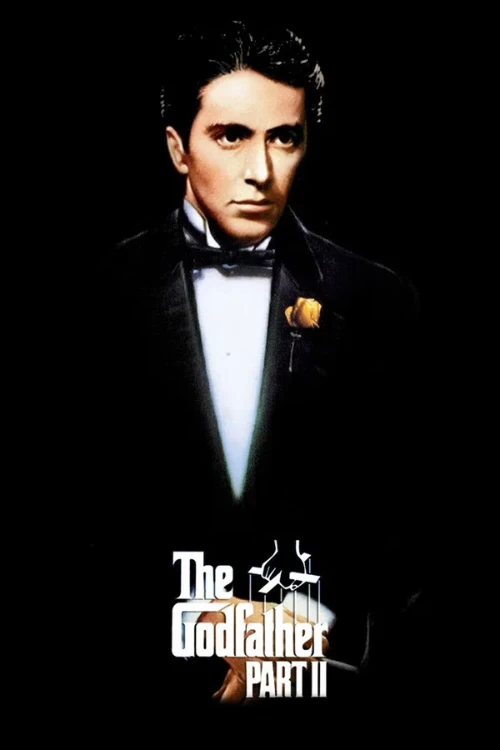
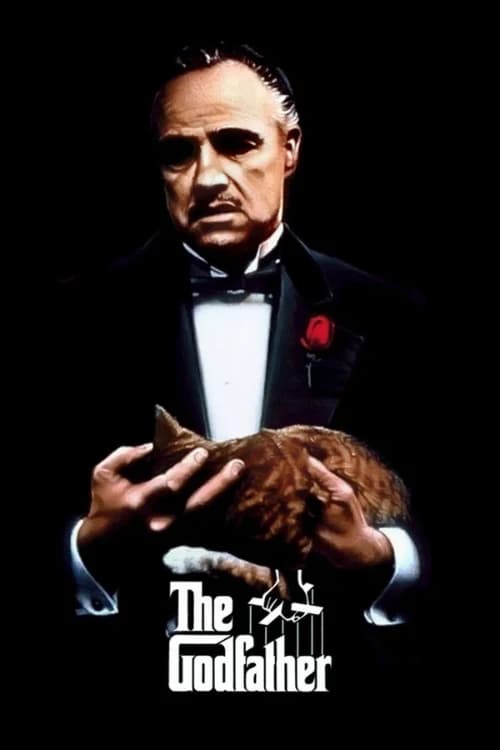
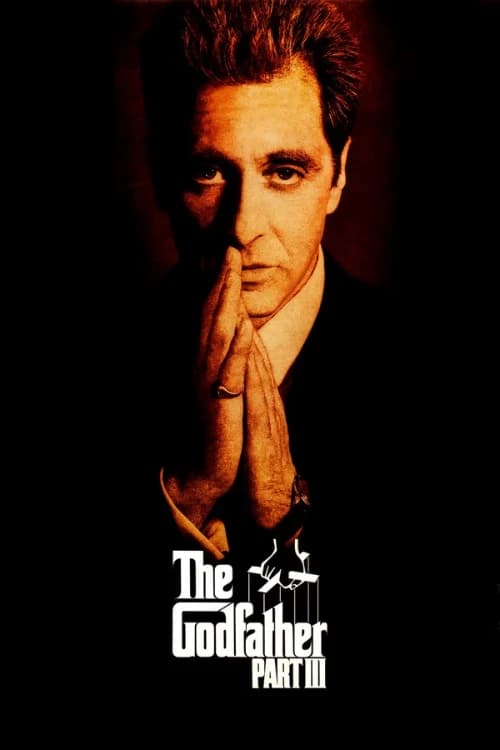
The continuing saga of the Corleone crime family tells the story of a young Vito Corleone growing up in Sicily and in 1910s New York; and follows Michael Corleone in the 1950s as he attempts to expand the family business into Las Vegas, Hollywood and Cuba.
Francis Ford Coppola’s 1974 cinematic monument, The Godfather Part II, is one of those rare masterpieces that completely shatters the common notion that sequels are doomed to live in the shadow of their predecessors. The film seamlessly bridges two distinct timelines using one of the most masterful display of parallel editing in cinema history. On one hand, we witness the young Vito Corleone’s (Robert De Niro) journey from early 20th-century Sicily to New York, tracing his rise from poverty to empire and his inevitable slide into crime to protect his family. On the other hand, set in the late 1950s, we watch Michael Corleone (Al Pacino) consolidate his authority while suffering a complete disintegration of his human core.
By interweaving these two generations, Coppola constructs a profound contrast. While Vito sees crime as a means to build and sustain a family, Michael inadvertently destroys the very institution he strives to protect in his desperate pursuit of absolute power. Al Pacino’s portrayal of Michael conveys an overwhelming sense of isolation and chilling detachment, serving as one of the finest psychological character studies ever captured on film. Robert De Niro masterfully inherits Marlon Brando’s iconic persona, adding his own nuanced elegance to the role through meticulously crafted subtleties.
Gordon Willis’s cinematography—contrasting the warm, nostalgic tones of the past with the cold, dark palette of Michael's present—reaches the pinnacle of visual storytelling. Complemented by the melancholic compositions of Nino Rota and Carmine Coppola, the movie becomes far more than a crime saga: it is a haunting elegy on power, ambition, betrayal, and moral decay.