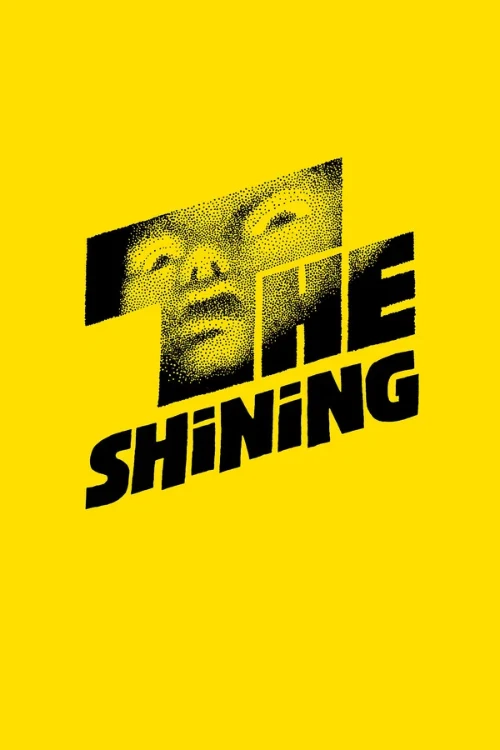
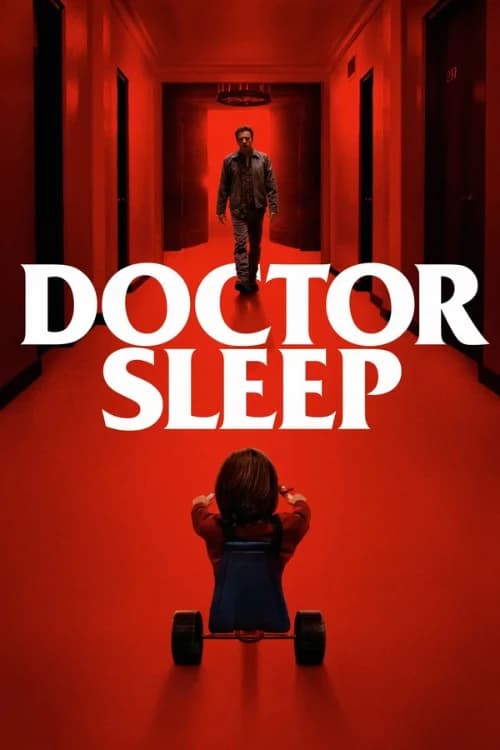
Stanley Kubrick’s adaptation of Stephen King’s classic novel, "The Shining", stands not merely as a horror film, but as a deeply haunting masterpiece of psychological terror. Set within the imposing, snowbound isolation of the Overlook Hotel, the film explores the fragile boundary between sanity and madness. As winter caretaker Jack Torrance moves his family into the desolate resort to overcome writer's block, the sinister history embedded within the structure slowly merges with his own mental decay. Rather than relying solely on supernatural tropes, the narrative presents a tragic decay of family bonds, meticulously drawn through psychological unraveling and atmospheric dread.
Kubrick brilliantly subverts traditional horror conventions by placing dread not in darkness, but within brightly lit, expansive halls. Utilizing groundbreaking Steadicam tracking shots, the camera glides through symmetrical, labyrinthine corridors, trapping the viewer alongside the characters. The architectural precision, striking color choices, and unsettling acoustic landscape combine to form a surreal nightmare. The sheer vastness of the hotel, far from offering freedom, transforms into an inescapable container of isolation and existential terror.
Jack Nicholson delivers a legendary performance, capturing Jack Torrance’s gradual decline into unhinged madness with menacing intensity. Shelley Duvall’s raw depiction of escalating panic and Danny Lloyd’s quiet, intuitive presence ground the film in an authentic emotional weight. Each visual composition and sonic cue reinforces the overarching motif of past horrors consuming the present.