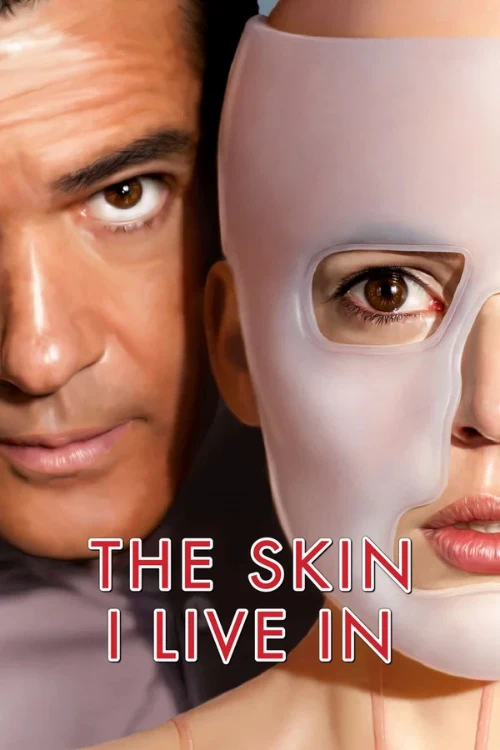
Pedro Almodóvar's 2011 psychological thriller, The Skin I Live In (La piel que habito), stands as one of the most audacious and emotionally complex explorations of obsession, identity, and retribution in modern European cinema. Melding elements of body horror, melodrama, classical tragedy, and film noir, Almodóvar crafts a narrative that is both clinically precise and intensely passionate. At its core, the film examines the dark corridors of human grief through the actions of Dr. Robert Ledgard, a brilliant yet ethically untethered plastic surgeon who seeks to sculpt a flawless, indestructible synthetic skin following a series of devastating personal losses.
What elevates the film beyond a conventional thriller is its profound philosophical inquiry into the nature of personhood. Through a labyrinthine structure filled with haunting flashbacks, the narrative challenges the assumption that identity is merely skin-deep. As Ledgard attempts to wield total biological authority over his captive, reshaping physical form to conquer his past traumas, the film asks whether the human psyche can ever truly be erased or subjugated by physical alteration. The tension between external metamorphosis and internal resilience turns the story into a gripping study of control and survival, where the body becomes both a prison and an instrument of ultimate resistance.
Visually and aurally, the movie is a masterclass in atmospheric filmmaking. The stark, minimalist aesthetic of the surgeon’s isolated estate contrasts brilliantly with the swirling emotional turmoil beneath the surface. Alberto Iglesias delivers a haunting score that weaves seamlessly around every frame, amplifying the underlying dread without sacrificing the story's melancholic soul. Antonio Banderas delivers a chillingly calculated performance, perfectly complemented by Elena Anaya’s delicate yet fierce portrayal of psychological endurance. The Skin I Live In remains an unforgettable cinematic achievement that lingers long after the credits roll.