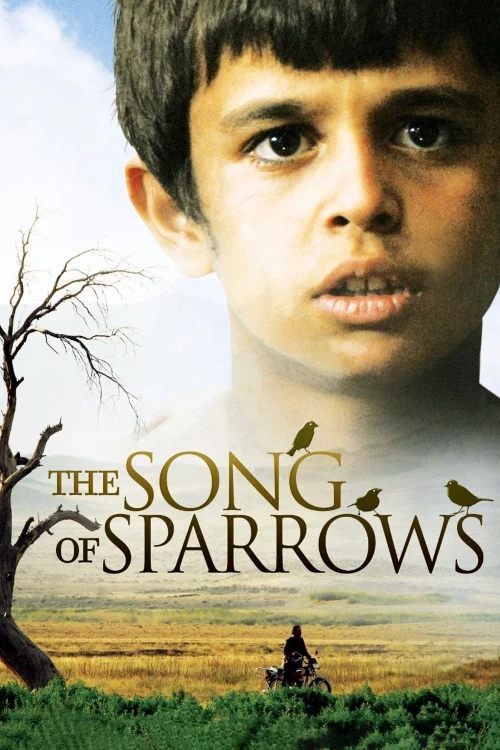
When an ostrich rancher in rural Iran sets out to replace his daughter's broken hearing aid right before her crucial exams, everything changes for his struggling family. Journeying by motorbike into the dizzying chaos of Tehran, Karim stumbles upon unexpected opportunities that offer both thrilling independence and financial hope. However, as he navigates the vast cultural and economic chasm between his desert village and the relentless metropolis, his unwavering honesty, moral integrity, and traditional authority over his inventive family are put to the ultimate test.
Majid Majidi’s 2008 film The Song of Sparrows (Âvâz-e Gonjeshk-hâ) is a lyrical exploration of the tension between modern consumerism and innate spiritual purity. The narrative centers on Karim, a humble worker at an ostrich farm on the rural outskirts of Tehran. When an ostrich escapes, cost-cutting measures lead to his dismissal, coinciding with his hearing-impaired daughter losing her hearing aid. Driven by necessity, Karim travels into the capital, where a simple search for repairs swiftly morphs into an evocative moral journey.
Accidentally mistaken for a motorcycle taxi driver in the bustling streets of Tehran, Karim is pulled into the urban rush of opportunistic commerce. The discarded clutter and scrap items he compulsively hauls home become a vivid metaphor for the spiritual baggage and greed encroaching upon his once-peaceful domestic life. Majidi brilliantly counterpoints this quiet moral decay with the enduring innocence of the children, whose modest dream of clearing a sludge-filled reservoir to raise goldfish reflects untainted hope and collective joy.
Anchored by Reza Naji’s remarkable, Silver Bear-winning performance, the film captures human vulnerability and redemption with immense warmth and visual elegance. The Song of Sparrows remains a deeply resonant fable about dignity, humility, and the true cost of losing touch with one's roots.