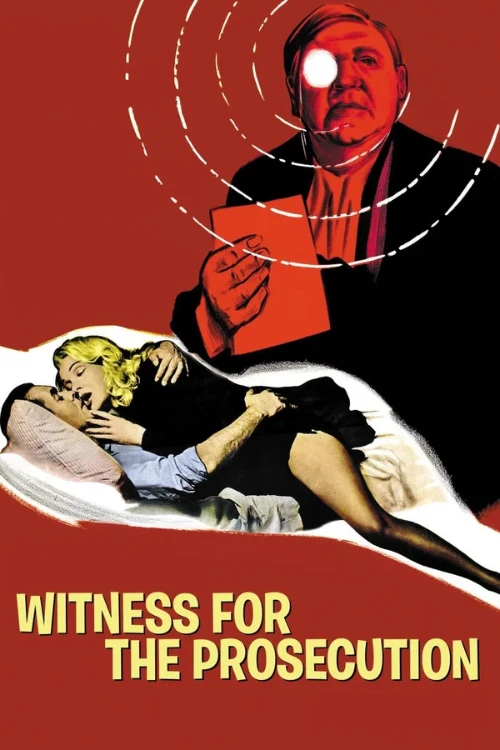
Ailing barrister Sir Wilfrid Robarts is thrust back into the courtroom in what becomes one of the most unusual and eventful murder cases of the lawyer's career when he finds himself defending Leonard Vole, a man being tried for the murder of a wealthy woman. With Robarts choosing to represent him, the two find themselves up against Leonard's cold-hearted wife, Christine - who, in a surprising turn of events, chooses to appear in court against her husband.
Billy Wilder’s 1957 masterpiece, "Witness for the Prosecution," is a brilliant legal drama that elevates Agatha Christie’s sharp-witted narrative to the pinnacle of classic cinema. Centered around Sir Wilfrid Robarts, a veteran barrister who takes on the murder trial of Leonard Vole despite his own failing health, the film instantly draws the audience into the high-stakes atmosphere of the courtroom. The narrative flow and relentless escalation of events demonstrate the sheer perfection of golden-age screenwriting.
The primary strength of the film lies within its extraordinary ensemble cast. Charles Laughton delivers a masterclass performance as the grumpy yet genius defense attorney Sir Wilfrid, balancing sharp comedic timing with intense dramatic gravitas. Marlene Dietrich’s enigmatic, composed presence alongside Tyrone Power’s desperate charm creates an unforgettable interplay. Wilder transforms a straightforward murder trial into a captivating study of human deception and psychological warfare.
With its iconic twist ending, flawless pacing, and razor-sharp dialogue, "Witness for the Prosecution" remains a towering achievement in courtroom cinema. The intricate logic of the plot continuously prompts viewers to question the truth, making it a timeless cinematic experience.