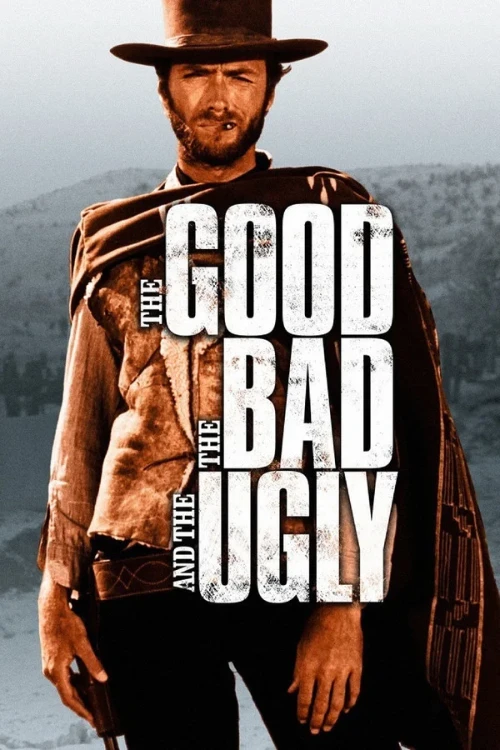
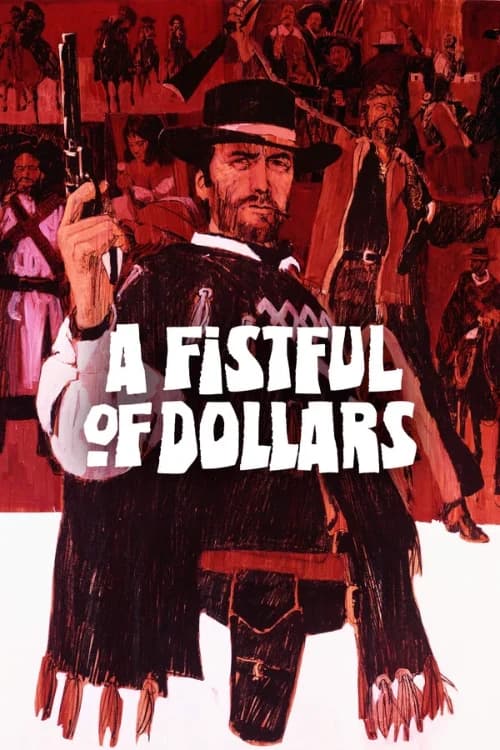
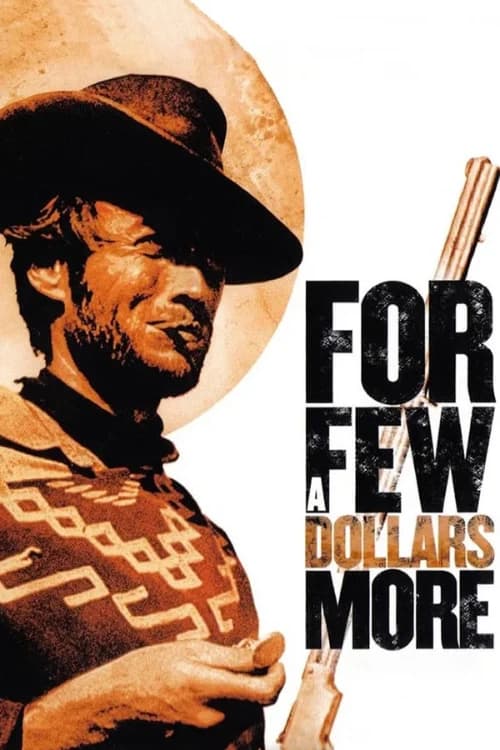
Directed by Sergio Leone, the 1966 masterpiece "The Good, the Bad and the Ugly" (Il buono, il brutto, il cattivo) serves as the grand culmination of the legendary Dollars Trilogy and one of the absolute pinnacles of cinematic history. Set against the chaotic backdrop of the American Civil War, the narrative follows three morally distinct yet equally desperate men—Blondie, "The Good" (Clint Eastwood); Angel Eyes, "The Bad" (Lee Van Cleef); and Tuco, "The Ugly" (Eli Wallach)—as they engage in a relentless, treacherous race to locate a buried fortune of Confederate gold.
Leone elevates the Western framework far beyond standard genre tropes, transforming it into a sweeping historical epic about human greed, survival, and moral ambiguity. By contrasting the horror and futility of war with the personal obsessions of its three leads, the film offers a piercing critique of violence and motivation. The electric dynamic between Eastwood’s calculated calm, Wallach’s chaotic vitality, and Van Cleef’s cold malice creates an unforgettable narrative tension.
Capped by the legendary three-way standoff at the Sad Hill Cemetery—seamlessly synchronized with Ennio Morricone’s immortal score "The Ecstasy of Gold"—the movie reaches an unparalleled height of visual and auditory tension.
Ultimately, "The Good, the Bad and the Ugly" remains a timeless cinematic landmark of directorial perfection, iconic performances, and brilliant music.