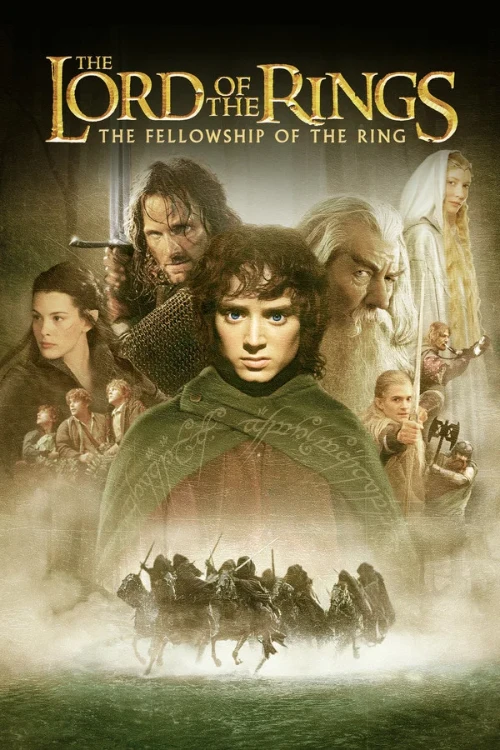
In the first part of J.R.R. Tolkien's epic masterpiece, The Lord of the Rings, a shy young hobbit named Frodo Baggins inherits a simple gold ring. He knows the ring has power, but not that he alone holds the secret to the survival--or enslavement--of the entire world. Now Frodo, accompanied by a wizard, an elf, a dwarf, two men and three loyal hobbit friends, must become the greatest hero the world has ever known to save the land and the people he loves.
Peter Jackson's The Lord of the Rings: The Fellowship of the Ring stands as one of the most monumental achievements in cinematic history, brilliantly translating J.R.R. Tolkien's legendary and once "unfilmable" work onto the big screen. The film accomplishes far more than delivering an epic fantasy adventure; it profoundly examines the corruption of power, the strength of fellowship, self-sacrifice, and resilience in the face of overwhelming darkness. From the serene warmth of the Shire to the claustrophobic dread within the Mines of Moria, the world-building instantly pulls the viewer into Middle-earth.
Technically and visually, the movie strikes a masterclass balance between practical craftsmanship, breathtaking real-world locations, and groundbreaking visual effects. Howard Shore’s haunting and majestic score acts as a living entity within the story, amplifying every emotional resonance and heroic moment. Beyond the grandeur, the true heart of the film lies in its character arcs: Boromir’s tragic struggle with temptation, Frodo’s quiet burden, Aragorn’s gradual embrace of his destiny, and Sam’s unwavering loyalty.
The Fellowship of the Ring is not merely an setup for a trilogy, but a complete, breathtaking masterpiece that redefined the epic fantasy genre forever.