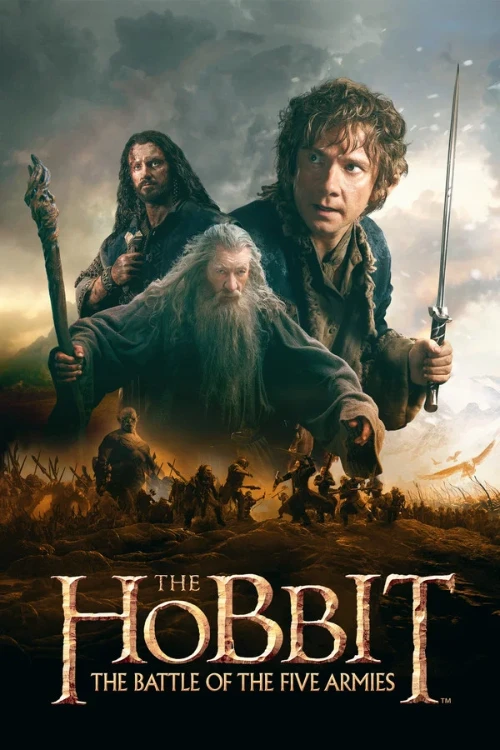
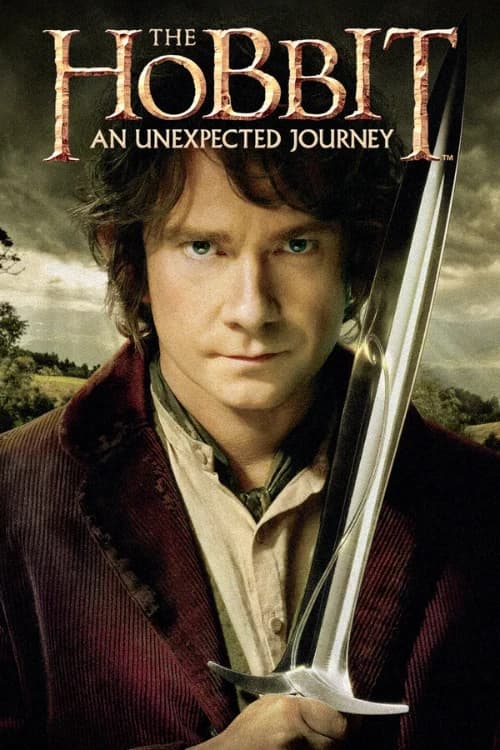
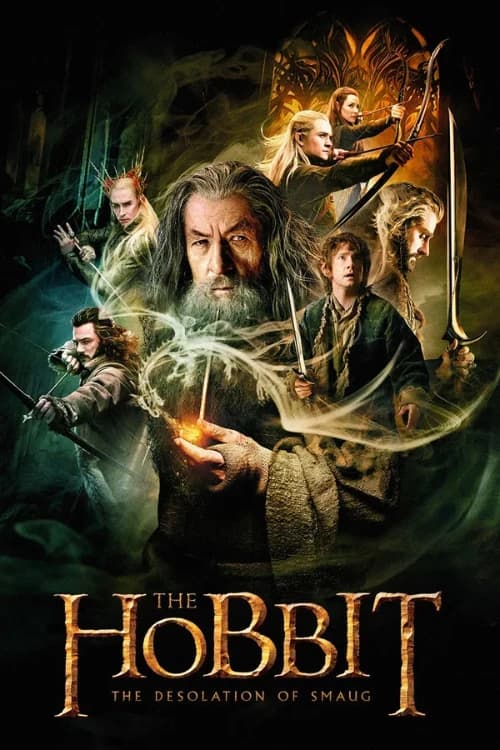
Serving as the explosive conclusion to Peter Jackson’s trilogy, The Hobbit: The Battle of the Five Armies channels the accumulated tension of the previous two films into a high-octane, battle-centric finale. Opening with Smaug’s devastating attack on Lake-town, the film swiftly shifts focus to the Lonely Mountain and the ruinous greed ignited by its vast hoard of gold. Having finally reclaimed his ancestral home, Thorin Oakenshield succumbs to "dragon-sickness," placing his mind and honor in jeopardy and establishing the primary emotional conflict of the story.
The film's primary strength lies in its exploration of how greed can corrode nobility, tragically portrayed through Thorin’s psychological descent and eventual redemption. Richard Armitage delivers a compelling performance, grounding the tragedy of his character amid the chaos. Meanwhile, Martin Freeman’s Bilbo Baggins remains the humble moral compass, attempting to preserve peace through wisdom and compassion. However, while the titular battle offers a thrilling spectacle of scale, the heavy reliance on CGI occasionally diminishes the grounded, visceral quality that defined Jackson's original Middle-earth trilogy.
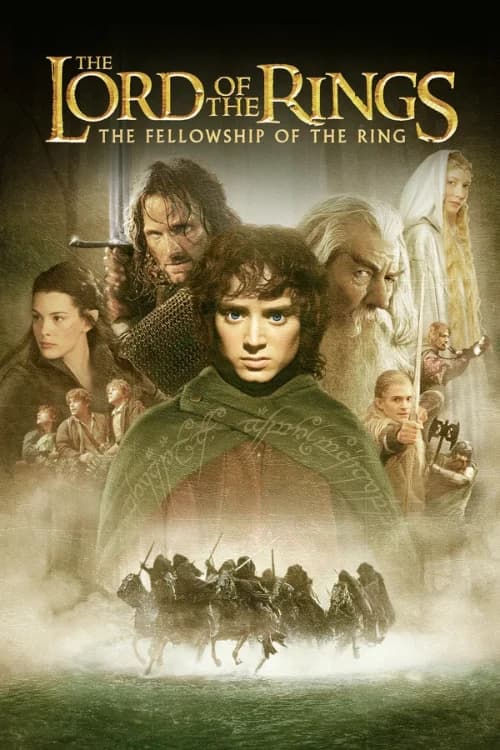
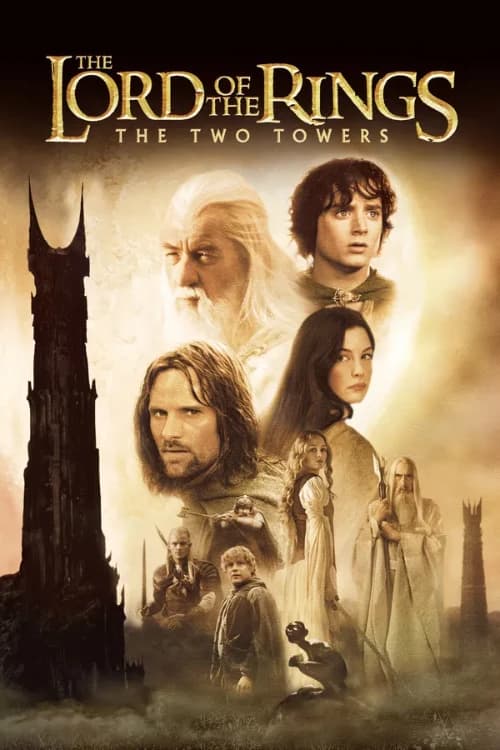
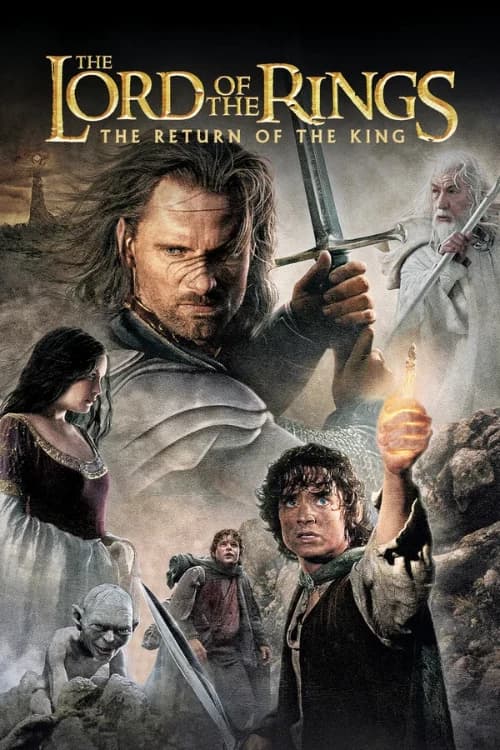
Ultimately, The Battle of the Five Armies succeeds in bridging the gap between Bilbo’s journey and the grander events of The Lord of the Rings. Though the relentless focus on action sometimes overshadows character depth, Howard Shore’s evocative score ensures that the emotional weight of sacrifice and loss hits home. As Bilbo makes his quiet return to Bag End, the film leaves viewers with a bittersweet sense of closure, concluding a memorable chapter in cinematic fantasy.