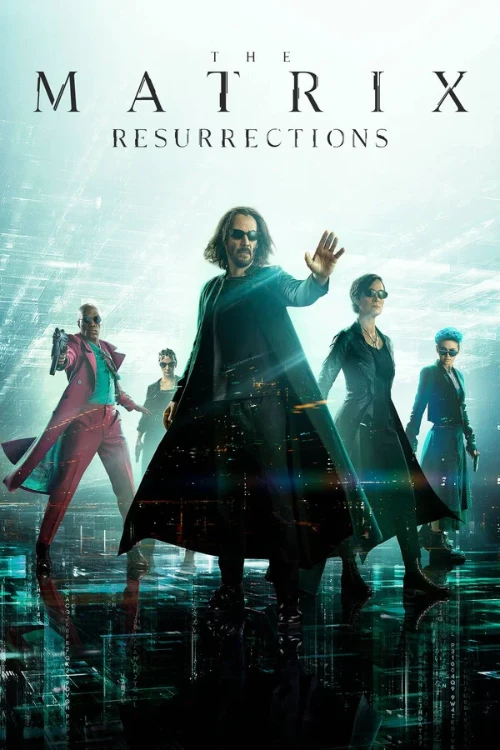
Directed solely by Lana Wachowski, the 2021 film "The Matrix Resurrections" marks an exceptionally risky, self-aware, and meta-narrative driven return to one of cinema’s most legendary franchises. Rather than opting for a conventional sequel or purely riding on nostalgia, the film constructs a sharp self-critique aimed directly at Hollywood’s obsession with reboot culture and corporate intellectual property. Introducing Thomas Anderson as an acclaimed video game developer trapped in a new layer of reality, the first half boldly deconstructs the franchise's legacy while blurring the lines between memory, trauma, and perception. At its core, the narrative strips away the grand machine wars to prioritize the enduring, romantic bond between Neo and Trinity.
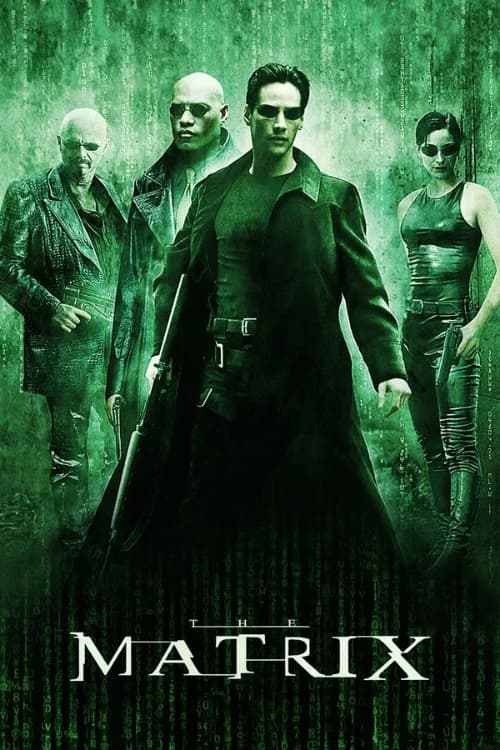
From a visual and technical perspective, the movie sharply departs from the dark, green-tinted cyberpunk aesthetic of the original trilogy. The introduction of brighter, more vibrant color palettes and a distinct camera style aligns with the nature of the new simulation, yet it sacrifices the stylized, revolutionary atmosphere that defined its predecessors. The shift away from the original trilogy's fight choreography results in more chaotic, close-quarters action that struggles to match the saga's high-water mark. However, charismatic performances from Neil Patrick Harris as The Analyst and Jonathan Groff as Smith inject fresh energy into the narrative. Ultimately, "The Matrix Resurrections" is a deeply divisive chapter—celebrated for its daring meta-textual ambition and emotional heart, even as it falls short of the visual and action heights of the original trilogy.