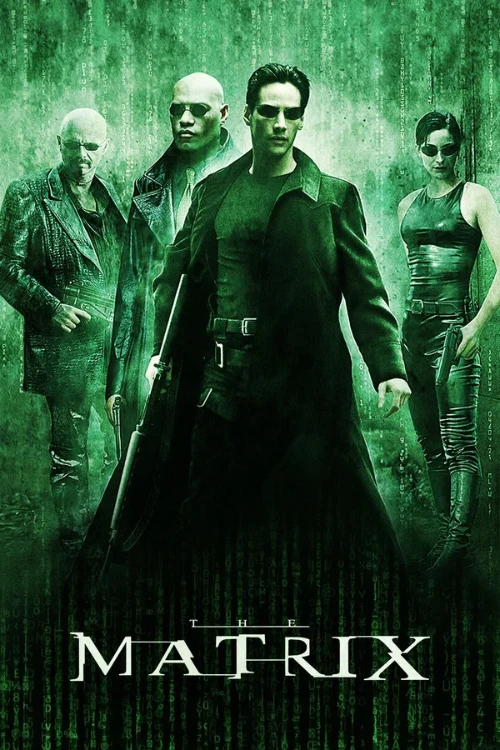
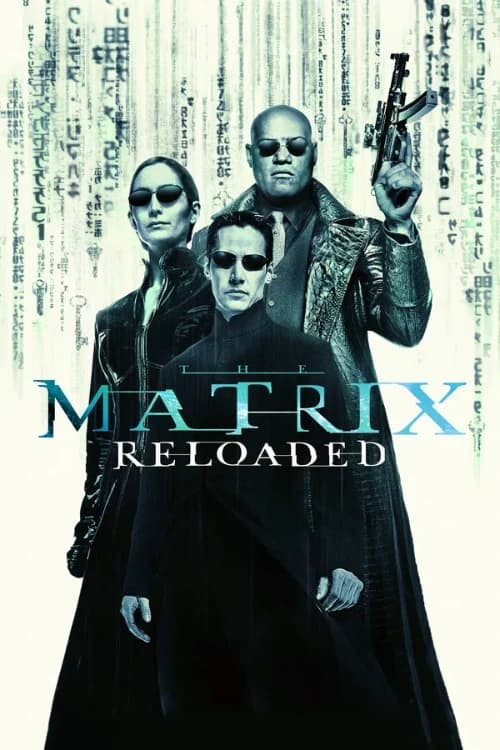
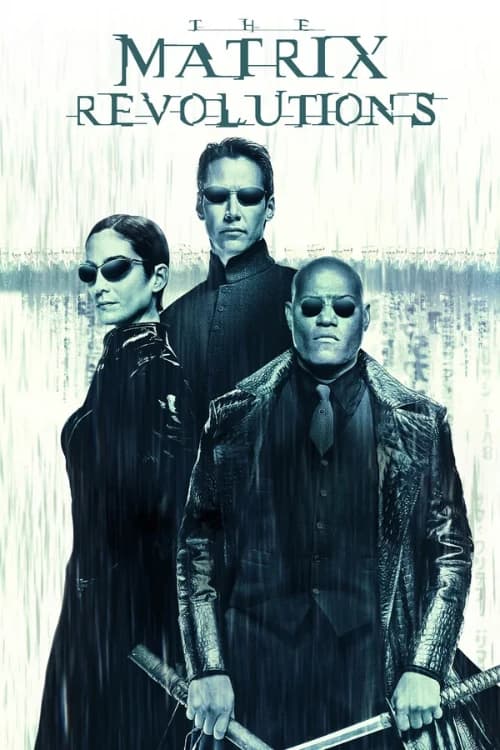
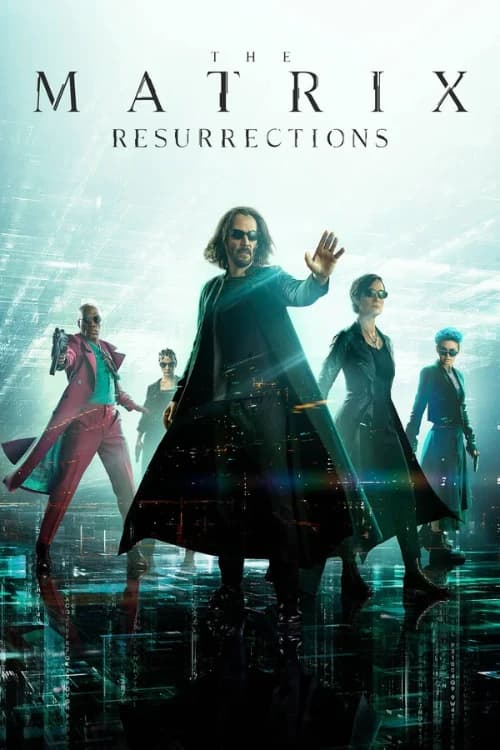
Thomas A. Anderson is a man living two lives. By day he is an average computer programmer and by night a hacker known as Neo. Neo has always questioned his reality, but the truth is far beyond his imagination. Neo finds himself targeted by the police when he is contacted by Morpheus, a legendary computer hacker branded a terrorist by the government. As a rebel against the machines, Neo must confront the agents: super-powerful computer programs devoted to stopping Neo and the entire human rebellion.
Standing as one of the most radical turning points in cinema history, the 1999 masterpiece "The Matrix" fundamentally redefined the science fiction genre not merely through visual effects, but through its rich philosophical architecture. Directed by the Wachowskis, the film tackles humanity's existential struggle against illusions and systemic perception control in a modern context. Drawing from Jean Baudrillard’s simulation theory to Eastern philosophy, and from Plato’s Allegory of the Cave to Cyberpunk aesthetics, its intricate web of references transforms the movie into a multi-layered text where new meanings unfold upon every viewing.
Technically, the production completely redefined the visual lexicon of action cinema. The signature green-tinted color palette that remains timeless, the iconic wardrobe choices of the characters, and the revolutionary "bullet time" camera technology showcase the camera's ability to bend space and time with breathtaking visual flair. The meticulously choreographed martial arts sequences brilliantly fuse traditional Eastern martial arts aesthetics with a bleak, Western dystopian atmosphere.
Keanu Reeves delivers an exceptionally convincing performance in Neo's arc of self-discovery and transformation, while Laurence Fishburne as Morpheus and Carrie-Anne Moss as Trinity stand out as deeply iconic figures in cinematic history. Opposite them, Hugo Weaving’s chillingly imposing performance as Agent Smith—the ultimate embodiment of systemic control—elevates the narrative conflict to its peak. Beyond the action-packed spectacle that reshaped popular culture, "The Matrix" remains a timeless classic that poses profound questions about human free will, faith, and the relentless pursuit of truth.