FilmRobotu - 💬 Comments and Reviews
← Back to Profile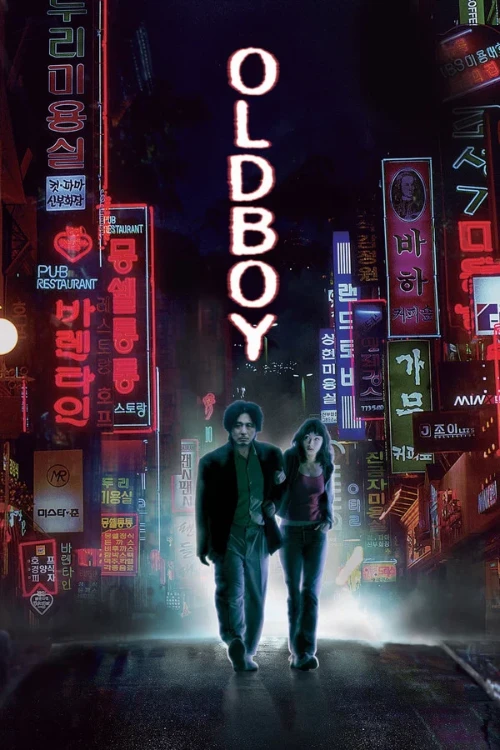
As the centerpiece of Park Chan-wook’s iconic Vengeance Trilogy, Oldboy stands as a monumental masterpiece of modern cinema—an intoxicating, visually striking, and morally harrowing examination of obsession, trauma, and retribution. The narrative follows Oh Dae-su, a man imprisoned in a solitary hotel room for fifteen years with no explanation, who is abruptly released and given five days to uncover his captor’s identity and motives. Echoing the inescapable fatalism of classic Greek tragedy, the story unravels a devastating labyrinth of psychological manipulation orchestrated by the enigmatic Lee Woo-jin. Dae-su believes he is pursuing justice, unaware that his quest is part of a meticulously calculated trap designed to dismantle his soul. The legendary single-take corridor fight sequence, along with the film’s stylized violence, functions not merely as kinetic spectacle, but as a visceral manifestation of Dae-su’s accumulated rage, exhaustion, and isolation. Choi Min-sik delivers an astonishing, tour-de-force performance, charting an unforgettable descent from feral desperation into devastating emotional ruin. Elevated by Cho Young-wuk’s melancholic, waltz-driven orchestral score and razor-sharp editing, Oldboy delivers an unforgettable and unforgiving truth: revenge offers neither catharsis nor healing, only a mutually destructive void that eternally consumes both hunter and prey.
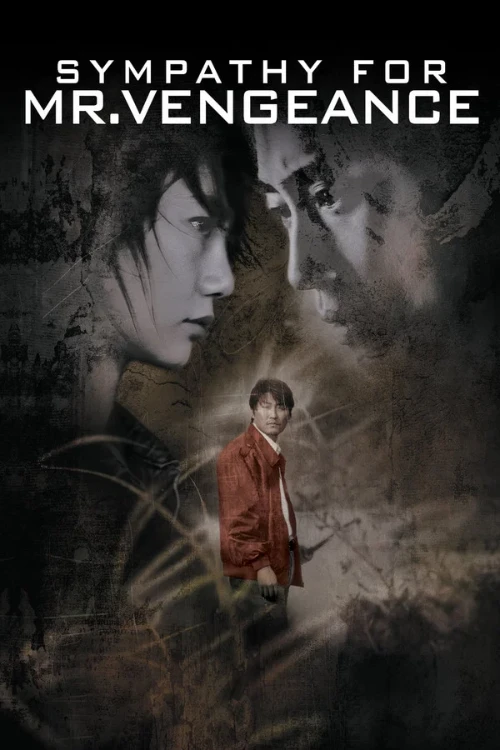
As the foundational entry in Park Chan-wook’s celebrated Vengeance Trilogy, Sympathy for Mr. Vengeance strips retribution of all cinematic glamour, presenting a bleak, unrelenting, and grounded exploration of grief and moral erosion. The narrative centers on Ryu, a deaf-mute factory laborer whose desperate bid to secure a life-saving kidney for his terminally ill sister pushes him into the clutches of black-market organ dealers. When that fails, a desperate, well-intentioned kidnapping plot spirals out of control, igniting a devastating chain reaction of violence. The film deliberately rejects clear-cut binaries of heroes and villains; each character acts on genuine suffering and perceives their actions as entirely warranted, ultimately becoming the architect of someone else’s ruin. Park refuses to romanticize the bloodshed, instead capturing its raw, heavy, and exhausting consequences. The deliberate sound design—intermittently channeling Ryu’s silent reality—combined with stark framing and controlled pacing, creates an atmosphere of profound dread. Anchored by visceral, restrained performances from Song Kang-ho and Shin Ha-kyun, the film delivers a grim realization: vengeance offers no catharsis or closure, only absolute mutual destruction.
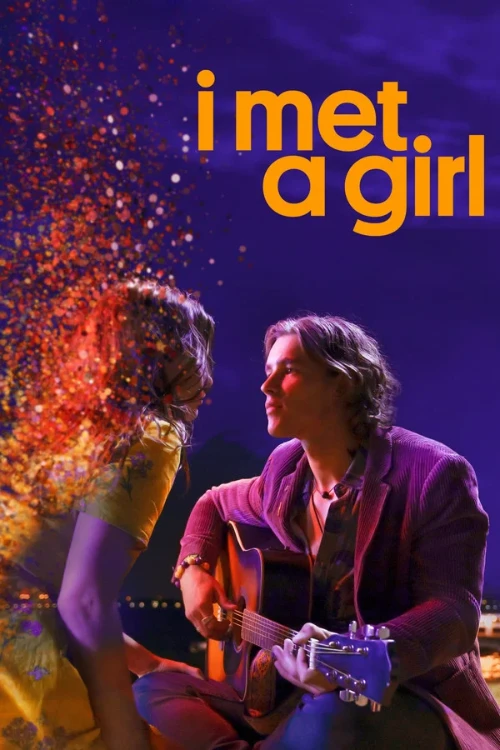
I Met a Girl is an emotionally resonant romantic drama that diverges from conventional genre tropes by examining connection through the lens of psychological vulnerability. The story revolves around Devon (Brenton Thwaites), an aspiring musician living with schizophrenia, who falls instantly for Lucy (Lily Sullivan)—an impulsive, enigmatic woman who leaves behind only fleeting clues before vanishing. The central ambiguity of whether Lucy is real or merely a projection of Devon’s unmedicated mind transforms a cross-country journey into a poignant quest for identity and acceptance. Director Luke Eve effectively utilizes the vast Australian landscape as a visual extension of Devon’s internal state. The dynamic use of warm color palettes and evocative music captures the protagonist's heightened perception, allowing the audience to experience the world through his subjective reality. Brenton Thwaites delivers an earnest, grounded performance, bringing warmth and vulnerability to a role that avoids turning mental illness into a simplistic plot device. While the narrative occasionally falters in its pacing and leaves a few supporting dynamics slightly underdeveloped, the film succeeds through its compassionate tone and heartfelt core. I Met a Girl stands out as a sincere, visually expressive, and touching exploration of love, perception, and healing.
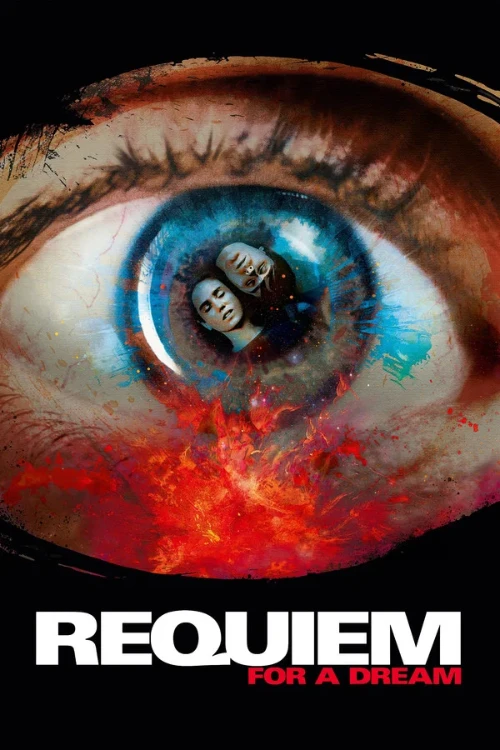
Darren Aronofsky's Requiem for a Dream (2000) is a relentlessly visceral descent into the destructive nature of addiction, obsession, and unfulfilled human longing. Adapted from Hubert Selby Jr.’s novel, the narrative follows four interconnected Coney Island residents—Sara Goldfarb, her son Harry, his girlfriend Marion, and his friend Tyrone—each chasing their subjective version of the American Dream, only to be consumed by the very delusions they manufacture. Aronofsky crafts an intensely claustrophobic sensory experience through the use of rapid hip-hop montages, jarring split-screens, extreme macro close-ups, and disorienting SnorriCam perspectives. Clint Mansell’s iconic, brooding score—performed by the Kronos Quartet—amplifies the mounting psychological dread to an excruciating peak. Ellen Burstyn delivers a tour de force performance as Sara, capturing the terrifying erosion of a lonely widow’s reality under the influence of prescribed diet pills and media obsession. Structured across three distinct seasons—Summer, Fall, and Winter—the film systematically strips away hope and vitality, leaving each character isolated in a fetal posture of defeat. Requiem for a Dream transcends traditional cautionary cinema, standing as a masterclass in psychological horror and visual storytelling.
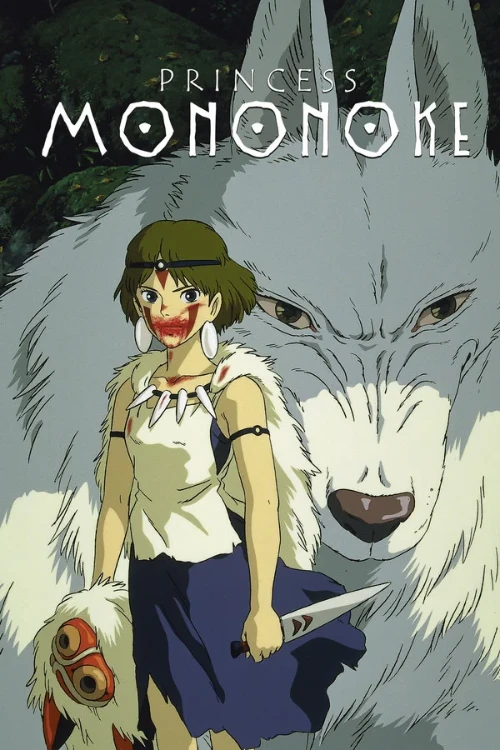
Hayao Miyazaki’s Princess Mononoke stands as an unparalleled cinematic triumph that elevates animated storytelling into a profound, multifaceted meditation on the clash between industrial civilization and the natural world. By deliberately discarding simplistic moral dualities, the narrative follows Prince Ashitaka, an exiled warrior afflicted by a fatal curse who strives to navigate the world with "eyes unclouded by hate." Caught between Lady Eboshi’s technologically progressive yet destructive Iron Town and San’s fierce defense of the sacred forest, Ashitaka acts as the conscience of an escalating war where neither side is entirely villainous nor purely righteous. The breathtaking hand-drawn animation captures both the brutal savagery of conflict and the quiet majesty of the wilderness, elevated immeasurably by Joe Hisaishi’s evocative and grand orchestral score. Miyazaki refuses to present nature as a passive sanctuary; instead, it is an awe-inspiring, volatile force capable of immense creation and ruthless destruction. The film offers no facile resolutions, challenging the audience to confront the heavy ecological and spiritual tolls of human progress while asserting the urgent necessity of coexistence. With its mature thematic complexity, rich mythological worldbuilding, and extraordinary visual execution, Princess Mononoke remains an enduring masterpiece of global cinema.

Mel Gibson’s 1995 epic Braveheart stands as one of the most resonant and visceral historical dramas in modern cinema. Centered on the legendary Scottish patriot William Wallace and his uprising against the tyrannical rule of England's King Edward I in the late 13th century, the narrative masterfully charts the evolution of private grief into an impassioned, collective struggle for freedom. Beyond its narrative sweep, the film excels in technical execution. John Toll’s Oscar-winning cinematography captures both the unforgiving beauty of the Highlands and the gritty brutality of the front lines, seamlessly complementing James Horner’s haunting, bagpipe-infused orchestral score. The battle choreography, particularly the monumental clash at Stirling, discarded sanitized cinematic conventions in favor of visceral, bone-crunching realism that permanently raised the bar for medieval combat on screen. While historians rightfully point out liberties taken with chronology and biographical detail, the film's mythic weight, dramatic conviction, and thematic exploration of loyalty versus aristocratic betrayal make it enduringly powerful. It remains a definitive benchmark of 1990s epic filmmaking.
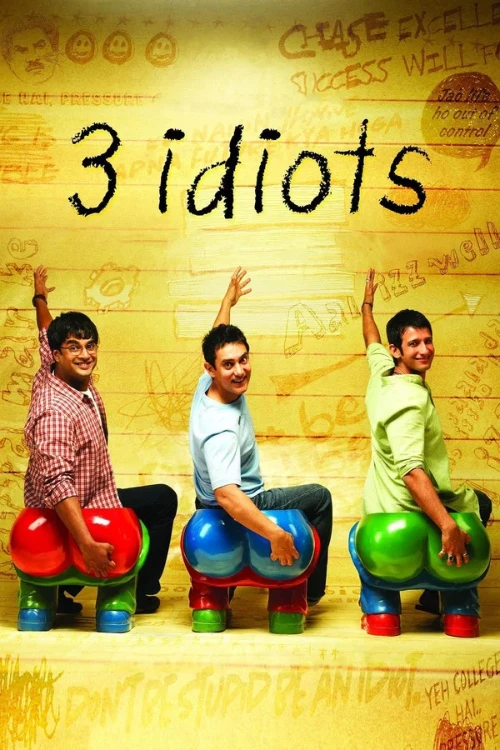
Directed by Rajkumar Hirani, 3 Idiots is a masterfully executed satire that takes aim at rigid, high-pressure academic institutions while celebrating individuality, creativity, and the power of genuine friendship. Set against the demanding backdrop of the Imperial College of Engineering, the narrative alternates between past and present as two friends search for their long-lost companion, Rancho. At the core of the film is Rancho (portrayed with infectious charisma by Aamir Khan), an unorthodox thinker who challenges the rote-learning pedagogy championed by the draconian director, Dr. Viru Sahastrabuddhe. Rancho advocates that education should stem from curiosity and joy rather than fear and competition. The screenplay seamlessly weaves poignant drama into vibrant situational comedy; Farhan’s hidden passion for wildlife photography and Raju’s crippling fear of failure provide compelling emotional gravity, addressing real social pressures without losing narrative lightness. With its memorable music, sharp pacing, and unforgettable emotional payoffs, 3 Idiots delivers a timeless, uplifting message that resonates across cultures: pursue excellence, and success will naturally follow.

Wolfgang Petersen’s 1981 masterpiece Das Boot stands as one of the most immersive, unrelenting, and claustrophobic war films ever made. Chronicling the perilous Atlantic patrol of the German submarine U-96 during World War II, the film strips away heroic glorification to expose the raw, agonizing reality of survival under extreme physical and psychological strain. Confined within narrow, suffocating corridors thick with grease, sweat, and perpetual dread, the viewer is thrust directly into the heart of an underwater crucible. The brilliance of the film relies on its immaculate pacing, authentic atmosphere, and revolutionary sound design. The horrifying groans of the hull resisting crushing ocean pressure, the haunting cadence of enemy sonar pings, and the suffocating silence between depth charge detonations build an extraordinary level of suspense. Jost Vacano’s innovative handheld cinematography glides seamlessly through the cramped interior, while Jürgen Prochnow delivers a towering performance as the weathered, pragmatic captain carrying the burden of his men’s lives. By grounding the narrative in the visceral decay of human endurance rather than political ideology, Petersen captures the grim absurdity of warfare. Das Boot remains an unvarnished anti-war landmark that lays bare the sheer devastation, futility, and psychological scars left in the wake of armed conflict.
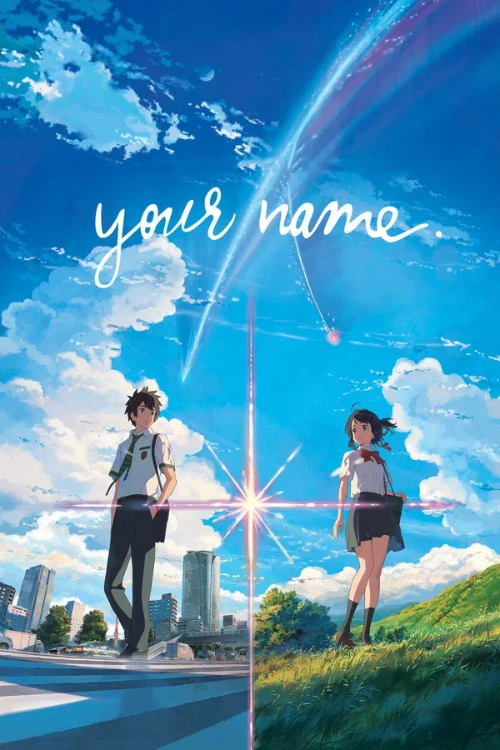
Makoto Shinkai's Your Name. (Kimi no Na wa.) elevates a familiar body-swapping trope into a breathtaking meditation on cosmic synchronicity, memory, and emotional longing. Set against the stark contrast between the rural tranquility of Itomori and the pulsing metropolitan rhythm of Tokyo, the film chronicles the lives of Mitsuha and Taki as they inexplicably inhabit each other's bodies across disparate timelines. What begins as an engaging, lighthearted comedy gracefully matures into an urgent, high-stakes drama anchored in the concept of musubi—the interwoven threads of time, fate, and human connection. Visually, the film stands as a triumph of modern animation. Shinkai paints every frame with luminous color palettes, photorealistic cityscapes, and an evocative mastery of natural light that renders both a celestial comet streak and a mundane twilight train ride utterly hypnotic. Complemented by RADWIMPS’ driving, melancholic soundtrack, the narrative builds a resonant momentum where the tragedy of fading memories and the desperate search for an elusive identity become profoundly poignant. It is a cinematic achievement that masterfully balances grand visual spectacle with delicate emotional vulnerability.
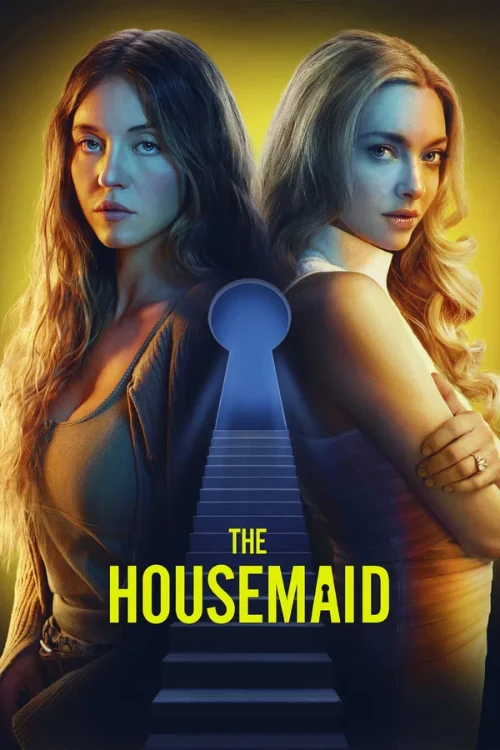
Directed by Paul Feig and adapted from Freida McFadden’s bestselling novel, The Housemaid delivers a sharp psychological thriller set behind the manicured facade of high-society domesticity. The plot centers on Millie, a young woman burdened by a difficult past who takes a job as a live-in maid for the wealthy Winchester family. What begins as a seemingly straightforward domestic drama quickly spirals into a claustrophobic web of deception, manipulation, and shifting power dynamics. The film excels in maintaining atmospheric tension through tight spatial framing and compelling character interplay. Sydney Sweeney portrays Millie with an effective mix of vulnerability and quiet resilience, while Amanda Seyfried commands the screen as the erratic, mercurial Nina. Their psychological cat-and-mouse dynamic constantly subverts audience expectations, blurring the line between predator and prey. Brandon Sklenar provides solid support, serving as the deceptive anchor of an increasingly unstable domestic triangle. Feig paces the suspense deliberately, utilizing calculated plot twists and stylish visual staging to revitalize familiar thriller tropes. While occasionally leaning into heightened genre melodrama, the brisk editing and well-executed narrative reversals make the film an engaging, thoroughly entertaining viewing experience.

Written and directed by Berkun Oya, Cici centers on the collective trauma of an Anatolian family that originates in the rural heartland during the 1980s, migrates to the metropolis following a tragic loss, and festers beneath decades of silence. When Kadir, now an established filmmaker, returns to the abandoned family farmhouse to shoot an autobiographical feature about his childhood and his authoritarian father Bekir, the narrative reveals that the past is never an immutable truth. Instead, it is an ever-shifting psychological construct shaped by guilt, selective memory, and repressed grief. By employing the cinematic apparatus as an instrument of introspection, the film systematically unpacks the fragility of familial mythology. The film's central strength lies in its nuanced deconstruction of subjective memory versus objective reality. Kadir’s obsessive attempt to restage his childhood trauma through a film set underscores a subconscious desire to rewrite history and regain emotional agency. However, the discrepancies between what was lived and what is remembered expose how thoroughly each sibling and parent has altered their shared history to endure survival. The matriarch Havva’s unspoken burden, Saliha’s unresolved identity trapped in the role of an eternal caregiver, and Cemil’s poignant positioning on the margins of the family dynamic illustrate the lingering resonance of domestic wounds. Visually and formally, Cici synthesizes Berkun Oya’s articulate theatrical dialogue with a restrained, contemplative cinematic cadence. Lingering static compositions, expansive landscape photography, and the inventive integration of archival home videos create an evocative meta-narrative that turns the audience into an active witness. The ensemble cast—anchored by understated and layered performances from Nur Sürer, Ayça Bingöl, Fatih Artman, Okan Yalabık, Olgun Şimşek, and Yılmaz Erdoğan—infuses the script with authentic emotional gravity. While the deliberate pacing across its 151-minute runtime occasionally lingers and certain climatic disclosures lean slightly into theatrical staging, Cici remains a remarkably mature, atmospheric, and penetrating examination of unresolved familial grief, reconciliation, and memory.
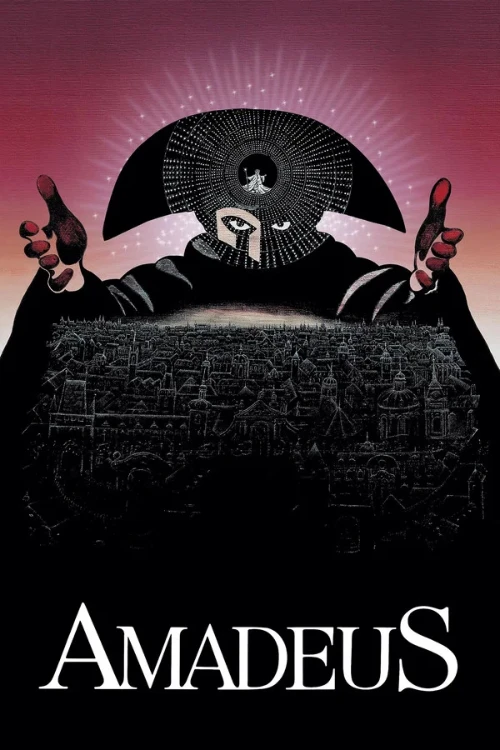
Miloš Forman’s 1984 masterpiece Amadeus transcends the conventional boundaries of biographical drama, delivering a magnificent cinematic tragedy that delves into the darkest corridors of the human soul. Adapted by Peter Shaffer from his acclaimed stage play, the narrative unfolds through the tormented recollections of court composer Antonio Salieri as he reflects on his fraught relationship with Wolfgang Amadeus Mozart. Salieri’s lifelong devotion to God collapses into bitter spiritual rebellion upon realizing that the divine gift of musical perfection was bestowed not upon a pious servant like himself, but upon an irreverent, immature, and vulgar prodigy. F. Murray Abraham delivers a career-defining performance as Salieri, capturing the devastating friction between venomous jealousy and transcendent awe with breathtaking nuance. Opposite him, Tom Hulce infuses Mozart with a manic, youthful vitality that never obscures the profound isolation and physical toll of pure genius. The film’s thematic power rests on the existential agony of mediocrity: the unique torment of possessing just enough insight to recognize divine artistry, yet lacking the spark to create it. Shot largely under natural light in Prague, the film boasts immaculate production and costume design that breathe vibrant authenticity into 18th-century Vienna. Neville Marriner’s musical arrangements serve as far more than an evocative score; they function as the narrative engine and emotional core of the entire picture. Amadeus remains a monumental triumph of storytelling, visual elegance, and auditory majesty.
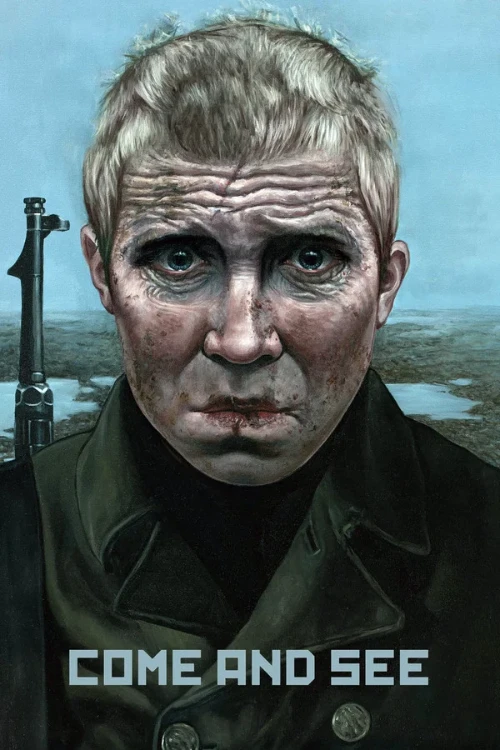
Directed by Elem Klimov, Come and See (Idi i smotri, 1985) stands as one of the most uncompromising, devastating, and profound anti-war films in cinema history. Depicting the Nazi occupation and systematic destruction of Byelorussian villages during World War II through the perspective of an adolescent boy, the film entirely rejects conventional heroism and battlefield romanticism. Instead, it immerses the viewer into a visceral, relentless psychological nightmare shaped by atrocity, grief, and terror. The narrative follows young Flyora (Aleksei Kravchenko), whose eager enlistment into the Soviet partisans quickly disintegrates into a harrowing descent into madness. Klimov’s direction, coupled with Aleksei Rodionov’s fluid Steadicam cinematography and a disorienting, tinnitus-infused sound design, creates an oppressive atmosphere suspended between stark realism and feverish hallucination. Kravchenko’s astonishing performance documents an accelerated loss of innocence; his physical transformation and haunted expression embody the irreversible psychological scars inflicted by total war. The climactic village massacre sequence remains one of the most chilling portrayals of collective malice and hysteria ever committed to celluloid. Rather than succumbing to mere spectacle or conventional revenge catharsis, the final sequence—in which Flyora repeatedly shoots a portrait of Adolf Hitler set to Mozart’s Requiem—evolves into a profound philosophical confrontation with historical trauma and the origins of evil. Come and See is a grueling yet essential masterpiece that leaves an indelible mark on the viewer's conscience.
Alejandro González Iñárritu’s debut feature, Amores perros, masterfully weaves three distinct lives together through a violent car crash in the chaotic sprawl of Mexico City. Anchored by Guillermo Arriaga’s sharp, non-linear screenplay, the narrative explores the intersections of poverty, ambition, vanity, decay, and redemption, treating love not as a romantic ideal, but as a raw, destructive, and instinctual force. Across all three interconnected stories, dogs serve as visceral metaphors for the characters' moral states and social strata. Whether it is Octavio’s descent into illegal dog fighting out of forbidden passion, a supermodel confronting the fragility of beauty as her pet gets trapped beneath the floorboards, or a disillusioned ex-guerrilla turned hitman seeking solace among strays, the film relentlessly argues that love and pain are inseparable. Rodrigo Prieto’s handheld cinematography and gritty visual palette capture the frantic heartbeat of the metropolis with uncompromising realism. With its relentless pacing, profound thematic cohesion, and gripping performances, Amores perros stands as a definitive masterpiece of modern world cinema.

Confronting its decades-long legacy with the realities of the digital era, Toy Story 5 pits the beloved ensemble against the defining challenge of contemporary childhood: the all-consuming allure of screens, tablets, and smart electronics. Co-directors Andrew Stanton and McKenna Harris reframe the franchise's core philosophy by examining what happens when tactile toys and imaginative play are sidelined by the instant gratification of virtual entertainment. Rather than reducing modern technology to a one-dimensional antagonist, the narrative explores the evolving dynamics of childhood attention and emotional connection. The struggle of Woody, Buzz, Jessie, and the rest of the gang to remain relevant in Bonnie’s world becomes a poignant reflection on how modern kids interact with their surroundings. The contrast between the tangible warmth of a handcrafted play session and the hypnotic glow of a portable screen is balanced with sharp social commentary and heartfelt humor. With breathtaking animation fidelity, inventive set pieces, and an enduring emotional resonance, Toy Story 5 manages to justify its continuation. It delivers an engaging, thoughtful adventure that reaffirms the timeless necessity of physical companionship, empathy, and genuine imagination in an increasingly digitized world.

While continuing a saga that had already reached an apparently definitive conclusion seemed like an immense creative gamble, Toy Story 4 succeeds as a thoughtful and emotionally mature epilogue to Woody’s lifelong journey. Directed by Josh Cooley, the film reframes the franchise’s cornerstone motif of unconditional devotion, shifting the focus toward self-actualization, autonomy, and the courage to redefine one's purpose beyond traditional roles. Through Forky—a makeshift spork wrestling with the existential crisis of being disposable trash versus a cherished creation—the narrative cleverly wraps deep philosophical questions in charming humor. The reintroduction of Bo Peep as a resilient, liberated wanderer directly challenges Woody’s deeply ingrained dogma of servitude to a single child. Alongside the poignant and empathetic longing of Gabby Gabby, the story expands the emotional landscape of the universe, illustrating that purpose and love need not remain confined within the four walls of a bedroom. Visually, the film represents the absolute pinnacle of Pixar’s technical artistry, rendering cinematic lighting, atmospheric carnival spectacles, and tactile porcelain textures with breathtaking photorealism. Woody’s bittersweet farewell to Buzz and the original gang delivers a mature understanding that genuine love sometimes means letting go and stepping bravely into the unfamiliar unknown.
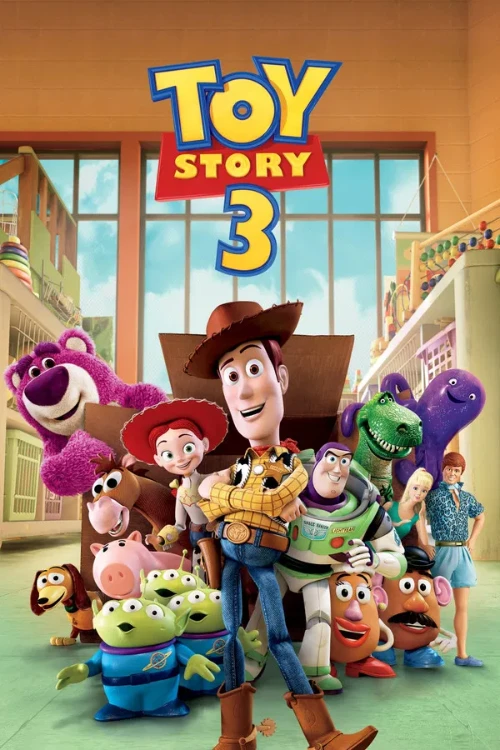
Serving as a triumphant and emotionally devastating conclusion to one of cinema’s most celebrated trilogies, Toy Story 3 tackles the painful inevitability of growing up, the passage of time, and the grace of letting go with astonishing maturity. With Andy preparing to leave for college, Woody, Buzz, and the rest of the gang are confronted with the ultimate existential crisis of irrelevance and displacement, pushing the franchise's thematic foundation to its most poignant heights. The narrative masterfully blends high-stakes adventure with darker allegorical undertones as Sunnyside Daycare transforms from an apparent paradise into a totalitarian prison governed by the bitter, disillusioned Lotso. Yet, the film's artistic zenith arrives in the incinerator scene—a harrowing moment of quiet resignation where the characters, facing apparent destruction, simply hold hands in silent solidarity. It stands as one of the most daring, profoundly mature sequences in mainstream animation history. Capped off by Andy’s bittersweet farewell to his beloved companions as he passes them on to Bonnie, the film delivers a deeply resonant catharsis that honors the transition from childhood into adulthood. Toy Story 3 is a storytelling triumph that seamlessly balances razor-sharp humor, thrilling escapades, and profound melancholy, securing its place as an absolute masterpiece.
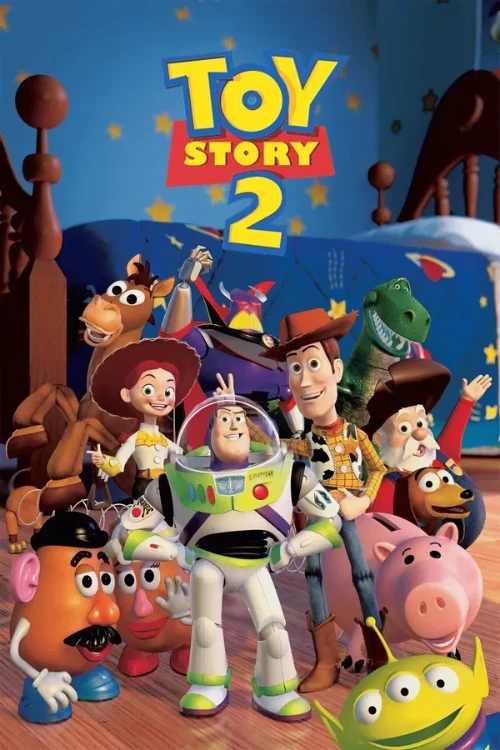
Surpassing the monumental foundation of its predecessor, Toy Story 2 stands as a rare sequel that expands both the emotional stakes and the philosophical scope of its universe. Rather than merely offering higher technical fidelity, the film crafts a poignant meditation on mortality, purpose, the fear of obsolescence, and the bittersweet nature of growing up. When Woody is stolen by an obsessive toy collector, his journey shifts into an existential crossroads: choose the pristine, untouchable immortality of a museum display case, or embrace the transient, fragile joy of being loved by a child who will inevitably outgrow him. The tragic backstory of Jessie embodies the painful sting of abandonment with astonishing emotional resonance, while Buzz Lightyear’s daring rescue mission delivers razor-sharp wit, dynamic set pieces, and impeccably timed comedy. With its flawless pacing, vibrant character additions, and profound narrative depth, Toy Story 2 transcends the boundaries of animated cinema, delivering an enduring masterpiece about the courage to choose vulnerability and love over sterile self-preservation.
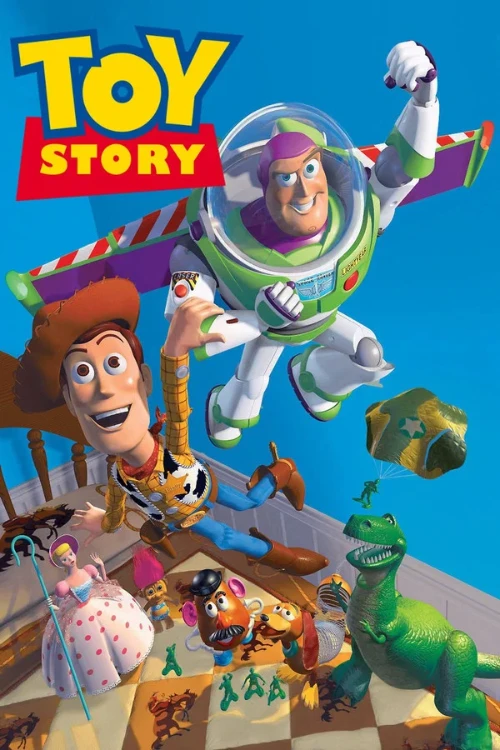
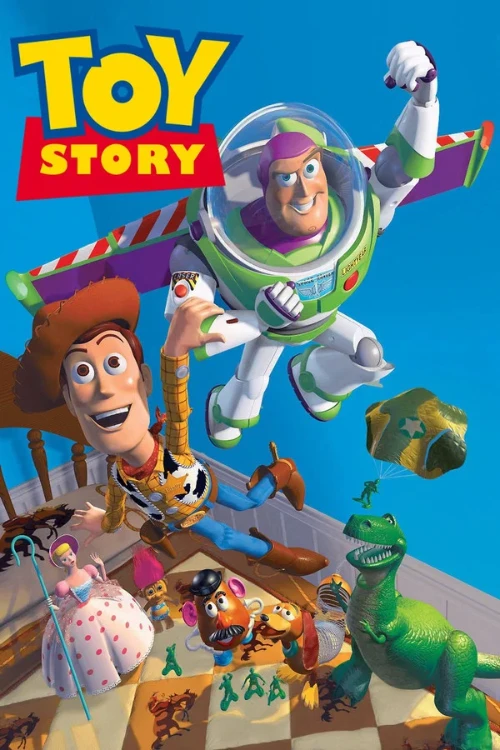
As a monumental milestone in cinematic history, Toy Story is celebrated not merely for being the first entirely computer-animated feature film, but for its timeless, emotionally resonant storytelling. Director John Lasseter and the Pixar creative team avoided using groundbreaking technology as a fleeting visual novelty, instead channeling it into a profoundly human narrative about the secret lives of toys and the vulnerability of childhood. At the film's core, the friction between Sheriff Woody and Buzz Lightyear masterfully navigates universal themes of jealousy, identity, displacement, and existential acceptance. Woody’s deeply flawed, desperate fear of being replaced mirrors genuine human insecurity, while Buzz’s tragicomic awakening—realizing he is not an intergalactic space ranger, but simply a manufactured plaything—elevates the script far above standard family entertainment. The pitch-perfect vocal chemistry between Tom Hanks and Tim Allen breathes life into this rivalry turned camaraderie, underpinned by sharp dialogue and layered comedic timing. Decades after its debut, Toy Story retains its crisp pacing, thematic weight, and heartfelt sincerity without feeling dated. It stands as a pivotal classic that redefined the animated medium, demonstrating that technological innovation truly shines only when built upon a foundation of great writing and unforgettable characters.

Pixar’s Coco stands as an exquisite cinematic triumph that seamlessly weaves the vibrant traditions of the Mexican holiday Día de los Muertos into a profound meditation on family, memory, and ambition. Following Miguel, a young boy torn between his hereditary shoemaking legacy and an innate, forbidden passion for music, the film embarks on a visually dazzling odyssey into the Land of the Dead. Rather than presenting the afterlife as a somber void, the narrative constructs a towering, luminous metropolis brimming with spirit, wit, and cultural reverence. At its thematic core, Coco explores the delicate balance between the pursuit of personal destiny and the enduring power of ancestral roots. The film achieves its most poignant emotional depth through the concept of the "final death"—the heartbreaking reality that our true departure occurs only when no living soul remembers us. Music functions not merely as entertainment, but as an emotional conduit and a vehicle for reconciliation, culminating in an unforgettable, cathartic crescendo that celebrates love’s ability to transcend the boundaries of mortality. With its breathtaking visual artistry, tightly structured screenplay, and universally touching narrative core, Coco elevates animated storytelling into a timeless, multi-generational masterpiece.