FilmRobotu - 💬 Comments and Reviews
← Back to Profile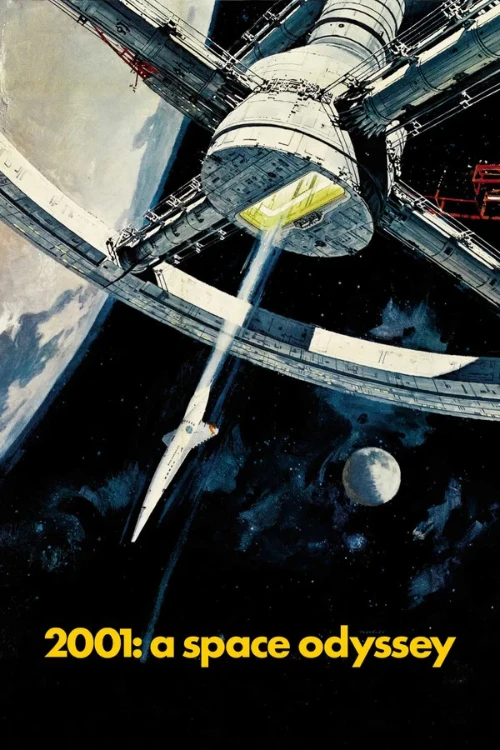
Stanley Kubrick’s 1968 masterpiece, 2001: A Space Odyssey, transcends the conventional boundaries of science fiction to deliver a profound philosophical meditation on human evolution, consciousness, and our place in the cosmos. Bridging the dawn of humankind with the vast unknown of deep space, the narrative relies on hypnotic visual storytelling and immaculate sound design rather than exposition-heavy dialogue. The fragile boundary between human ingenuity and artificial intelligence—epitomized by the chillingly calm HAL 9000—raises timeless questions regarding control, sentience, and destiny under the enigmatic gaze of the Monolith. Kubrick’s meticulous direction, groundbreaking practical effects, and iconic pairing of classical waltzes with orbital mechanics grant the film an enduring, transcendent grace. By utilizing silence and deliberate pacing, the film immerses the viewer into the stark, awe-inspiring beauty of the void. Decades after its release, it remains an unparalleled cinematic monolith that invites continuous philosophical contemplation.
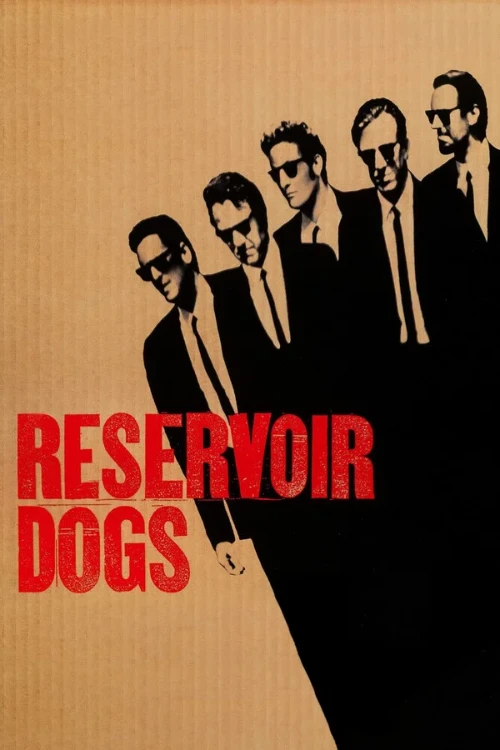
Quentin Tarantino’s feature debut, Reservoir Dogs, is a dialogue-driven crime masterpiece that radically subverts conventional heist movie tropes. Its boldest narrative choice is omitting the actual diamond heist entirely, choosing instead to drop the audience directly into the bloody, paranoid aftermath within an abandoned warehouse. This single-location staging transforms the film into a tense, theatrical chamber piece fueled by mistrust, betrayal, and unraveling criminal egos. The non-linear structure expertly peels back the layers of each character, utilizing focused flashbacks to contextualize the escalating tension. Tarantino blends razor-sharp pop-culture dialogue with stylized violence, creating an unsettling tonal contrast through upbeat 1970s pop radio tracks. The dynamic between Harvey Keitel’s protective Mr. White and Tim Roth’s wounded Mr. Orange anchors the narrative’s tragic core, while Michael Madsen delivers a chilling, indelible performance as the sadistic Mr. Blonde. Driven by exceptional ensemble performances, tight pacing, and a masterclass in script economy, the film remains an essential benchmark of modern independent cinema.
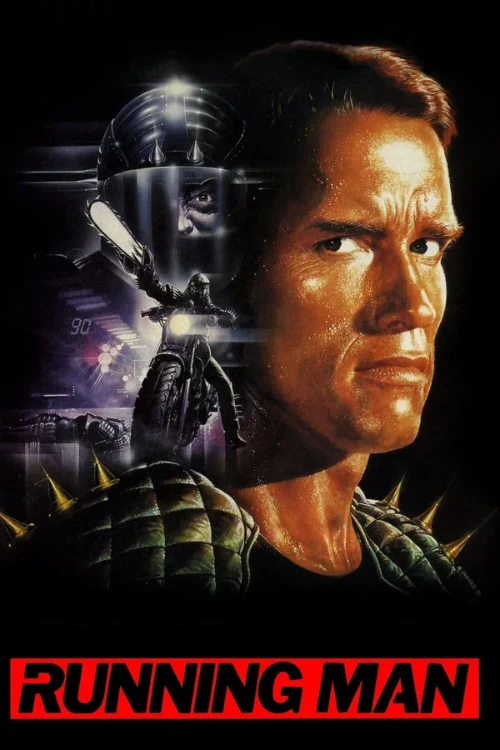
Directed by Paul Michael Glaser and loosely adapted from Stephen King’s novel written under the pseudonym Richard Bachman, The Running Man (1987) remains one of the most distinctive dystopian action satires of its era. Set in an authoritarian future paralyzed by economic decline and total state censorship, the narrative centers on a sadistic, televised gladiatorial game show used by the regime to pacify and distract the populace. Framed former police officer Ben Richards is forced into this lethal broadcast arena, turning a brutal spectacle of state-sanctioned execution into an all-out rebellion against media manipulation. Beneath the hyper-stylized 1980s aesthetic, synthwave grooves, and vibrant stalker adversaries lies an extraordinarily prophetic critique of broadcast culture. Long before the rise of modern reality television and digital deepfakes, the film captured the mechanisms of selective editing, fabricated outrage, and the commodification of real violence for public consumption. Richard Dawson is brilliant as Damon Killian, personifying the ruthless, smarmy cynicism of entertainment executives who trade human dignity for television ratings. Arnold Schwarzenegger commands the screen with his signature charismatic presence and biting one-liners, serving as the ultimate anti-authoritarian protagonist dismantling the network from within. Propelled by Harold Faltermeyer’s driving score and relentless pacing, the film trades the bleak psychological dread of King's original prose for high-energy Hollywood action. Despite this tonal pivot, its sharp sociopolitical commentary and pulpy entertainment value make it an enduring cult classic.
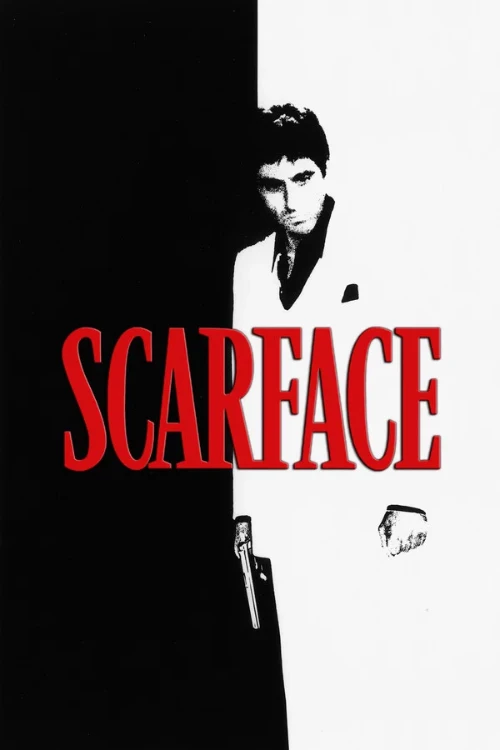
Directed by Brian De Palma and written by Oliver Stone, Scarface (1983) stands as one of cinema’s most visceral and unsparing deconstructions of the American Dream. Charting the meteoric ascent and catastrophic downfall of Tony Montana—a penniless Cuban refugee who aggressively carves out a cocaine empire in sun-drenched Miami—the film transcends traditional gangster tropes to deliver an operatic critique of unchecked ambition, greed, and 1980s excess. Al Pacino commands the screen with a ferocious, larger-than-life performance, capturing Montana’s ruthless determination alongside the suffocating paranoia that consumes him at the summit of his power. De Palma’s stylish direction, accentuated by pastel aesthetics, lavish set pieces, and Giorgio Moroder’s pulse-pounding synth score, creates an intoxicating atmosphere where grandeur and moral decay collide. The extreme violence is never merely gratuitous; it acts as a direct reflection of a world governed solely by appetite and ego. Scarface remains a cultural touchstone and a timeless cinematic tragedy that masterfully exposes the isolating, self-destructive cost of absolute power.
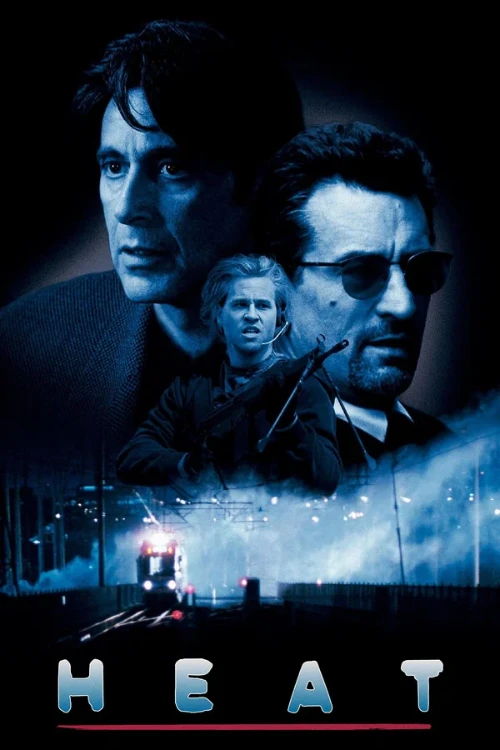
Michael Mann’s 1995 masterwork, Heat, transcends the boundaries of standard crime cinema to deliver a profound urban opera about professionalism, obsession, and existential alienation. Anchored by the magnetic collision of Al Pacino’s volatile detective Vincent Hanna and Robert De Niro’s disciplined thief Neil McCauley, the narrative positions its central figures not merely as adversaries, but as psychological mirrors trapped in parallel pursuits of perfection. Both men operate at the peak of their craft, possessing extraordinary intellect and focus, yet remain emotionally marooned and incapable of sustaining normal human connections. Mann frames Los Angeles not as a mere backdrop, but as a sprawling, melancholic labyrinth of cold blue hues and sleek architecture that echoes the inner detachment of its protagonists. The film achieves a flawless equilibrium between deliberate, character-driven drama and kinetic realism. The celebrated diner scene crackles with quiet intensity, proving that dialogue and restraint can be as thrilling as gunplay, while the iconic downtown bank heist shootout remains the gold standard of practical action filmmaking through its deafening, unvarnished acoustic design and tactical authenticity. The central creed—never getting attached to anything you cannot walk out on in thirty seconds flat—serves as both a survival mechanism and a tragic curse. Supported by exceptional ensemble performances and Elliot Goldenthal’s haunting score, Heat elevates the cat-and-mouse formula into a timeless meditation on duty, loneliness, and destiny.

Shingeki no Kyojin: The Last Attack stands as a monumental cinematic culmination of Hajime Isayama’s generational dark fantasy epic. By seamlessly stitching together the extended television specials into a cohesive theatrical feature, the film eliminates episodic fragmentation and delivers an unbroken, emotionally exhausting momentum. MAPPA’s production shines brilliantly here; the sheer scale of the Rumbling is rendered with terrifying weight, blending harrowing apocalyptic imagery with intimate character vulnerability. The updated theatrical sound mix and refined visuals elevate the sensory impact, making every colossal footstep resonate with existential dread. Narratively, the film transcends standard action tropes by confronting uncomfortable philosophical dilemmas surrounding deterministic fate, extreme nationalism, and the inescapable cycle of violence. Eren Yeager’s descent from an oppressed seeker of liberty to the perpetrator of global annihilation dismantles conventional heroism, forcing the audience into uncomfortable moral ambiguity. The alliance of former adversaries—bound by shared guilt rather than pure righteousness—creates poignant interpersonal tension, particularly in the heartbreaking resolutions between Eren, Mikasa, and Armin. Concluding with a raw, bittersweet reflection on humanity’s inclination toward conflict, the film provides a deeply satisfying, tragic, and definitive closure to a landmark saga.
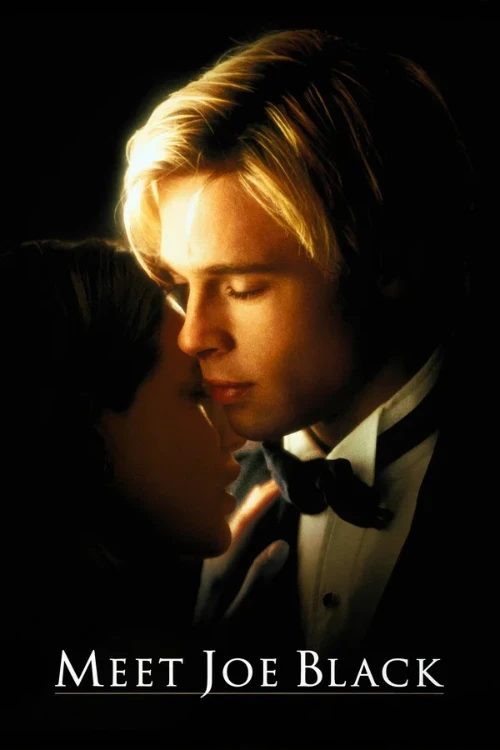
Martin Brest’s 1998 feature Meet Joe Black is a grand, meditative exploration of mortality, privilege, and the delicate beauty of the human experience. Loosely adapted from the 1934 classic Death Takes a Holiday, the narrative follows media tycoon William Parrish (Anthony Hopkins), whose impending demise is put on hold when Death (Brad Pitt) assumes mortal form to understand earthly existence. In exchange for extra time, William acts as his guide, leading to an intimate journey through corporate legacy, family reconciliation, and an unexpected romance with Parrish’s daughter, Susan (Claire Forlani). Deliberately paced across its nearly three-hour runtime, the film relies on patient composition and Thomas Newman’s sweeping, emotive score to establish its atmosphere. Hopkins commands the screen with dignity, warmth, and profound emotional weight, while Pitt balances detached menace with genuine, wide-eyed curiosity. Although its expansive duration occasionally stretches narrative tension and borders on lavish melodrama, the film remains an evocative and lingering reflection on love, grief, and the grace of letting go.
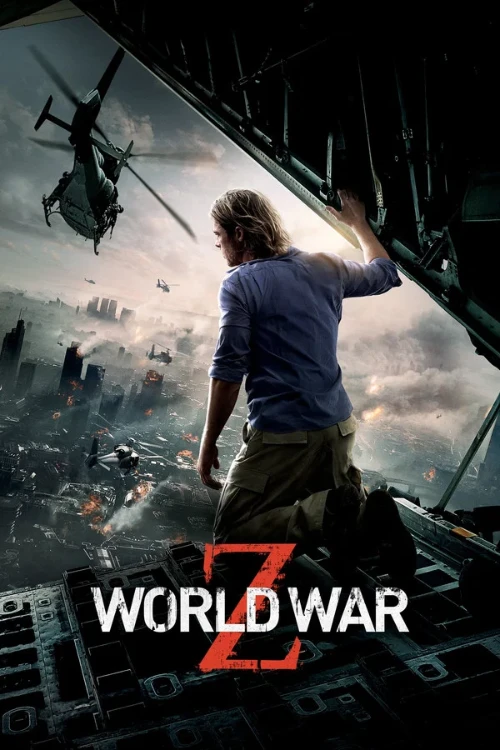
Directed by Marc Forster, World War Z (2013) revitalizes the conventional zombie subgenre by framing its narrative within a sweeping, high-stakes geopolitical pandemic. Loosely inspired by Max Brooks’ acclaimed oral history novel, the film departs from the layered, multi-perspective sociopolitical structure of its source material to focus entirely on Gerry Lane (Brad Pitt), a seasoned former UN investigator navigating a fractured world to uncover the origin of a catastrophic outbreak. From its immediate and disorienting opening in Philadelphia, the narrative maintains a relentless, forward-moving momentum. The production’s most striking visual achievement is its reimagining of the infected: aggressive, fast-moving entities that swarm with a terrifying hive-mind velocity. The sweeping set pieces—most notably the breach of the defensive fortifications in Jerusalem—translate the threat into a vast, tidal force of nature rather than isolated monster encounters. While the first two acts thrive on large-scale urban devastation and kinetic action, the final act pivots effectively into a quiet, suspenseful, and claustrophobic cat-and-mouse dynamic within a WHO research facility in Cardiff, providing a refreshing tonal contrast. Brad Pitt anchors the story with a pragmatic and composed performance, grounding the high-octane spectacle in human vulnerability and quick-witted deduction. Although purists of the novel may miss the exhaustive geopolitical depth of the text, the film excels as a polished, high-tension disaster thriller propelled by sharp editing, immersive sound design, and an innovative visual approach to the undead.

Immortalized in cinema history by David Lean’s 1962 sweeping masterpiece, the portrait of T.E. Lawrence takes on a far more intimate and psychological dimension in Mark J.T. Griffin’s Lawrence: After Arabia (2021). Departing from the vast, romanticized dunes of the Arabian desert, the film shifts focus to the quiet post-war countryside of Dorset and Lawrence’s reclusive, tormented existence at Clouds Hill. Rather than echoing the grandeur of battlefield heroics, this narrative delves into the lingering aftermath of war, exploring the psychological fractures, guilt, and alienation that defined his twilight years. Portrayed by Tom Barber-Duffy with brooding restraint, Thomas Edward Lawrence is depicted as a man haunted by past ghosts and struggling under the weight of unresolved trauma. The film weaves together his volatile relationship with the British establishment, his private correspondence with prominent figures of the era, and the ominous web of political intrigue that encircled him. Director Griffin leans heavily into the enduring mystery surrounding Lawrence’s fatal 1935 Brough Superior motorcycle crash, boldly challenging the official verdict of an accidental death and presenting the case for a covert state-sponsored assassination. From a production standpoint, the film operates within the visible boundaries of an independent budget. While it makes evocative use of genuine Dorset locations and benefits from the grounding presence of seasoned actors like Brian Cox and Hugh Fraser, the pacing occasionally stumbles into dialogue-heavy staging and television-drama aesthetics. At times, the investigative focus on the assassination conspiracy overshadows a deeper psychological study. Nonetheless, its willingness to unpack the tragic, disenfranchised end of a global icon makes it an intriguing and commendable contribution to the Lawrence mythos.

Shifting away from the sweeping desert vistas and cinematic romanticism of David Lean’s classic, A Dangerous Man: Lawrence After Arabia tackles the sobering, bureaucratic, and morally fraught aftermath of the Arab Revolt. Set against the backdrop of the 1919 Paris Peace Conference, the film dismantles the heroic mythos of T. E. Lawrence, exposing how wartime promises of Arab sovereignty were systematically dismantled by Anglo-French imperialist machinations and backroom diplomacy. Ralph Fiennes delivers a breakthrough early-career performance that rightfully brought him to international prominence. His portrayal captures Lawrence’s profound identity crisis, disillusionment, and harrowing guilt as he watches his own government betray Prince Feisal—portrayed with composed dignity by Alexander Siddig. The film thrives on tense political maneuvering, turning diplomatic negotiations into a compelling psychological battleground. While its television budget inherently constrains large-scale visual spectacle, the production compensates with razor-sharp dialogue, period authenticity, and rigorous historical fidelity. It serves as an essential thematic companion piece to the Lawrence lore, effectively illustrating how the geopolitical lines drawn in smoke-filled rooms laid the groundwork for modern conflicts.
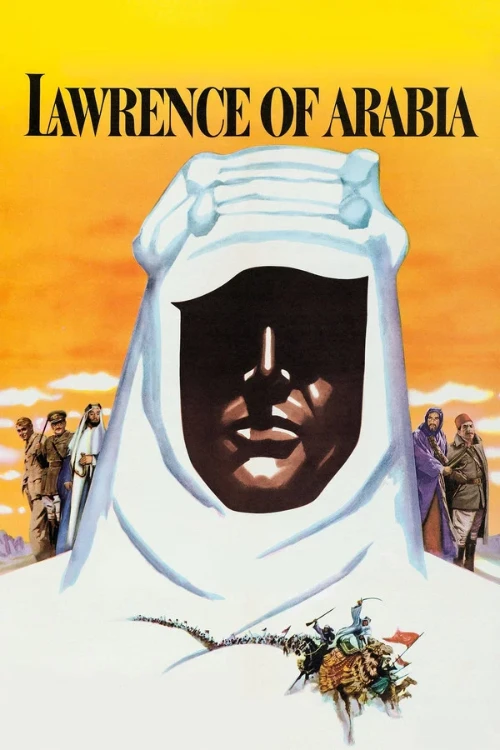
David Lean’s 1962 masterpiece, Lawrence of Arabia, stands as one of the most magnificent and meticulously crafted epics in cinematic history. Freddie Young’s breathtaking 70mm Super Panavision cinematography transforms the vast desert into far more than a backdrop; it is an indifferent, living titan that mirrors the fragile psyches of those attempting to conquer it. From the legendary match-cut transitioning into a blazing desert sunrise to the shimmering mirages emerging from the heat, every frame exemplifies the pinnacle of visual storytelling. Beneath its monumental scale lies an incisive, haunting character study. Peter O’Toole delivers an electrifying performance, capturing T.E. Lawrence’s descent into megalomania, alienation, and existential disillusionment. Caught between a genuine devotion to the Arab revolt and the cynical machinery of British imperial ambition, Lawrence becomes a tragic figure crushed beneath the weight of his own myth. Maurice Jarre’s iconic orchestral score underscores both the physical vastness of the landscape and the psychological turmoil of its protagonist. Balancing peerless directorial ambition with profound narrative depth, the film remains an untouchable benchmark of classic filmmaking.

Nadine Labaki’s Capernaum (Capharnaüm) is a harrowing and profoundly compassionate exploration of systemic neglect, poverty, and survival set against the labyrinthine backdrop of Beirut’s most marginalized neighborhoods. The narrative unfolds through the perspective of Zain, a resilient twelve-year-old boy serving a prison sentence who decides to sue his parents for bringing him into an unlivable world without the means to protect or nurture him. The film draws immense power from its documentary-like realism and non-professional cast. Zain Al Rafeea delivers an astonishing central performance, embodying the physical exhaustion, fierce protectiveness, and bitter disillusionment of a child stripped of his innocence far too early. The middle act, which pairs Zain with an undocumented Ethiopian migrant worker named Rahil and her infant son Yonas, becomes the emotional heartbeat of the story, proving that empathy and solidarity can endure even in conditions of utter deprivation. Labaki’s direction avoids sensationalism and exploitative melodrama by anchoring the socio-political critique in raw, tactile humanity. Through kinetic camerawork and unpolished urban textures, Capernaum forces the audience to confront the invisible existence of unregistered children and stateless migrants. It is an indispensable, gut-wrenching piece of modern world cinema that balances sharp societal indictment with lingering emotional resonance.
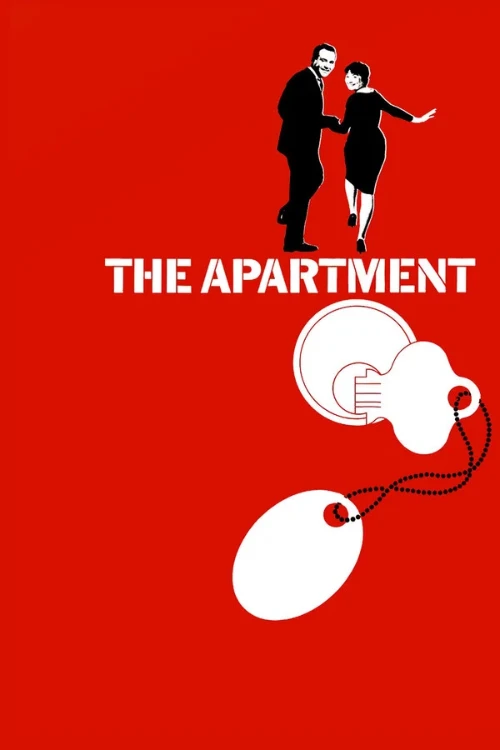
Billy Wilder’s 1960 masterpiece The Apartment is an incisive dark comedy that lays bare the alienation, transactional morality, and emotional emptiness embedded within modern corporate culture. The film centers on C.C. Baxter, an ambitious insurance clerk who climbs the executive ladder by lending his Manhattan apartment to superiors for their extramarital trysts. Wilder orchestrates the sprawling, uniform office landscapes and pervasive urban loneliness with surgical precision, transforming the corporate workplace into a striking monument of modern isolation. The narrative's greatest triumph lies in its seamless oscillation between sharp wit and poignant melancholy. When Baxter realizes that the elevator operator he secretly admires, Fran Kubelik, is entangled with the very executive controlling his promotion, the story pivots from cynical workplace satire into a profound examination of human dignity. Jack Lemmon delivers a career-defining performance that blends physical comedy with understated heartache, matched brilliantly by Shirley MacLaine’s vulnerable yet resolute portrayal. The razor-sharp script by Wilder and I.A.L. Diamond strikes right at the core of institutional hypocrisy without ever losing its emotional resonance. The Apartment endures as a timeless critique of ruthless ambition and a moving portrait of ethical redemption, reminding viewers that true success lies in reclaiming one's integrity and choosing to be a decent human being.
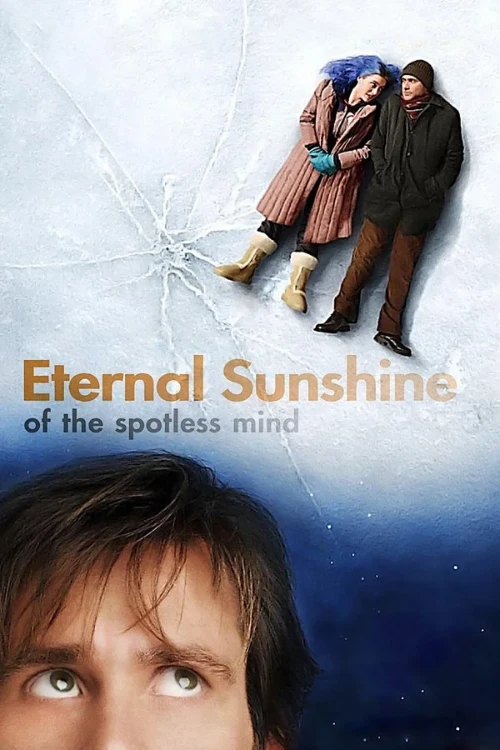
Directed by Michel Gondry and written by Charlie Kaufman, Eternal Sunshine of the Spotless Mind remains one of the most poignant and inventive explorations of memory, grief, and romantic inevitability in modern cinema. By anchoring a high-concept sci-fi premise—a medical procedure designed to eradicate painful memories—in raw emotional realism, the film investigates whether erasing heartache also strips away the essential fabric of human identity. Kaufman’s non-linear, labyrinthine screenplay works in breathtaking synergy with Gondry’s analog visual ingenuity. Rather than leaning heavily on digital spectacle, Gondry employs in-camera illusions, expressive lighting, and collapsing practical sets to depict the terrifying vulnerability of a decaying subconscious. As Joel races through his own dissolving mind to preserve even the most painful remnants of his time with Clementine, the film transforms into a desperate, poetic plea for the enduring value of shared experience. The central performances elevate the narrative far beyond an intellectual exercise. Jim Carrey delivers a career-defining turn of muted vulnerability and quiet anguish, perfectly balanced by Kate Winslet’s vibrant, impulsive, and fiercely authentic portrayal of Clementine. The film rejects simplistic cynicism and naive optimism alike, ultimately demonstrating that an imperfect connection—even one destined to fracture—carries profound worth, and that to love fully requires accepting the sorrow woven into it.
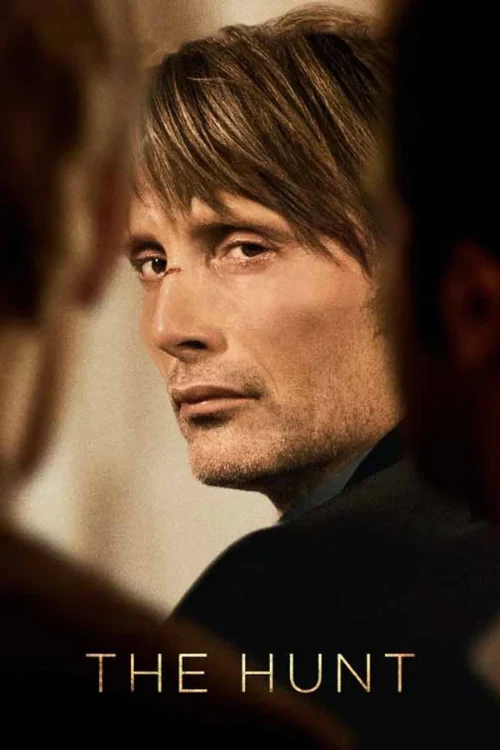
Directed by Thomas Vinterberg, The Hunt (Jagten) delivers a devastatingly precise examination of mass hysteria, fragile morality, and the swift collapse of communal trust. Set against the cozy, insular backdrop of a tight-knit Danish town, the narrative follows Lucas, a gentle kindergarten teacher whose life unravels when a child’s naive falsehood morphs into a monstrous accusation. Rather than structuring the narrative around an ambiguous mystery, the film confirms Lucas’s absolute innocence from the beginning, forcing the audience to endure the suffocating dread of watching an innocent man systematically dehumanized. Mads Mikkelsen delivers a tour de force anchored by restraint and quiet agony. Instead of resorting to melodramatic outbursts, Lucas bears the weight of social isolation with stoic bewilderment, making his psychological torment profoundly palpable. Vinterberg deftly exposes the dangerous undercurrents of collective righteousness, illustrating how unquestioned assumptions and protective instincts can easily weaponize a community into a ruthless mob. The lingering power of The Hunt lies in its chilling realization that innocence offers no antidote to poisoned perception. Even when formal exoneration is achieved, the social fabric remains permanently damaged, leaving behind a latent hostility that echoes indefinitely. It is an unsparing, emotionally gripping psychological drama that fearlessly questions human nature and the permanence of suspicion.
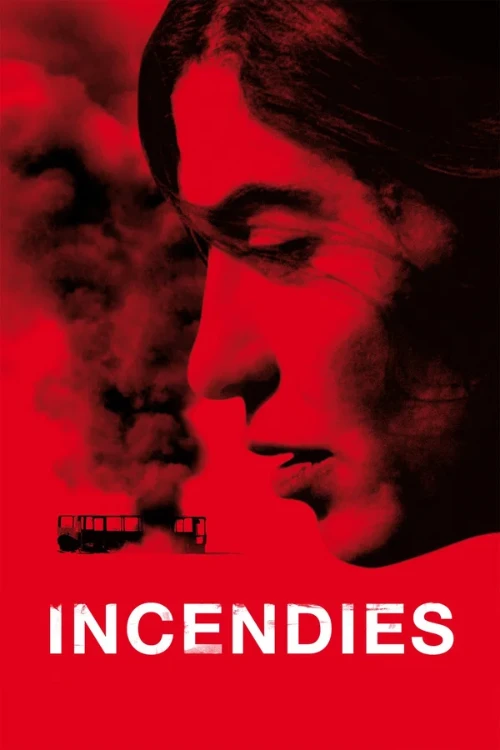
Denis Villeneuve’s Incendies stands as an emotionally devastating masterpiece that explores the generational trauma, cyclical violence, and buried secrets wrought by civil conflict. Following the death of their mother, Nawal Marwan, twin siblings Jeanne and Simon are tasked with fulfilling her final wishes: delivering letters to a father they believed was long dead and a brother they never knew existed. Their journey into the Middle East unravels a harrowing history intertwined with the brutal realities of sectarian warfare. Adapted from Wajdi Mouawad’s acclaimed play, the narrative dissects the profound tension between vengeance and reconciliation with clinical narrative precision. Villeneuve avoids sensationalizing brutality; instead, he frames its lingering psychological impact through patient pacing, grounded framing, and an atmosphere thick with impending revelation. From its haunting opening set to Radiohead's melancholic chords to its shattering climax, the story builds inexorably toward a revelation that is as mathematically precise as it is emotionally catastrophic. Incendies is a profound meditation on the futility of hatred and the immense resolve required to break the cycle of generational pain.
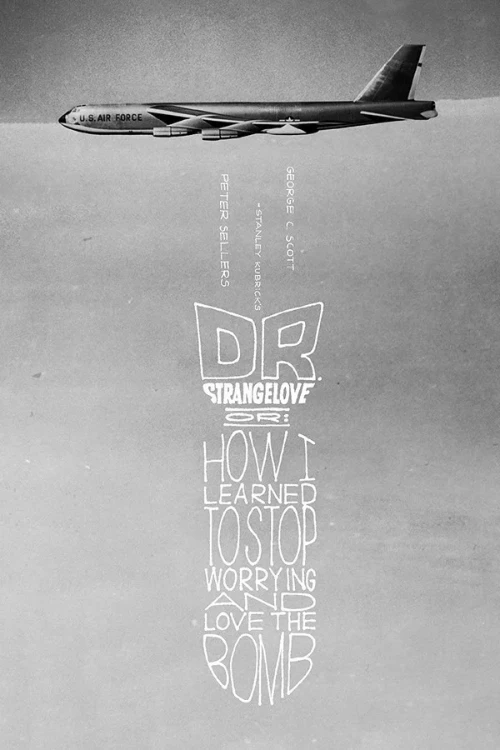
Stanley Kubrick’s 1964 masterpiece, Dr. Strangelove or: How I Learned to Stop Worrying and Love the Bomb, stands as one of the sharpest and most enduring political satires in cinema history. Conceived at the height of Cold War paranoia, Kubrick initially set out to adapt Peter George’s thriller novel Red Alert as a straight suspense film, but quickly realized that the sheer logic of Mutually Assured Destruction (MAD) was inherently farcical and absurd. The narrative unfurls through the catastrophic breakdown of institutional sanity when the unhinged Brigadier General Jack D. Ripper orders an unauthorized nuclear strike on the Soviet Union. As the fail-safe protocols prove irreversible, the film exposes the terrifying fragility of geopolitical power structures. Ken Adam’s legendary War Room set provides the ultimate arena of claustrophobia and absurdity, capturing the stark contrast between bureaucratic posturing and existential doom. Peter Sellers delivers a breathtaking tour de force across three distinct roles: the rational RAF Group Captain Lionel Mandrake, the meek US President Merkin Muffley, and the sinister titular ex-Nazi scientist Dr. Strangelove. Complemented brilliantly by George C. Scott’s manic, gum-chewing General Buck Turgidson and Sterling Hayden’s deadpan fanaticism, the ensemble turns geopolitical catastrophe into a masterclass of black comedy. Ultimately, Dr. Strangelove remains timeless because its central terror—that humanity’s survival rests entirely in the hands of fallible minds and rigid machines—has never lost its relevance. The closing montage of nuclear explosions juxtaposed with Vera Lynn’s melancholic "We'll Meet Again" delivers cinema’s definitive commentary on the absurdity of human self-destruction.
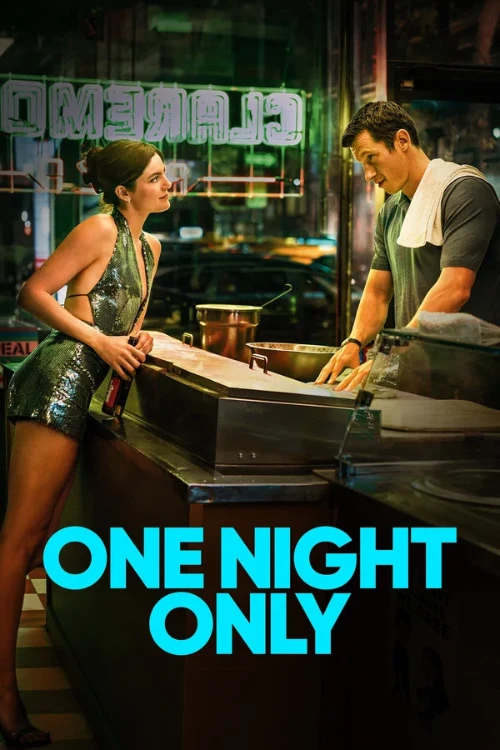
Directed by Will Gluck, One Night Only attempts to reinvigorate the romantic comedy formula through a high-concept, quasi-dystopian premise: an alternate reality where premarital sex is legally banned except for a single night each year. As highlighted in The AU Review's One Night Only Interview, director Will Gluck uses this unconventional setup to explore contemporary dating anxieties, artificial urgency, and the search for authentic emotional intimacy. The narrative follows Owen (Callum Turner), a pizza shop owner recovering from sudden heartbreak, and Allie (Monica Barbaro), a commercial singer, whose paths repeatedly intersect during a chaotic Manhattan evening. The sharp comedic timing and palpable chemistry between Turner and Barbaro serve as the film's strongest assets, supported by entertaining appearances from Maya Hawke and Molly Ringwald.
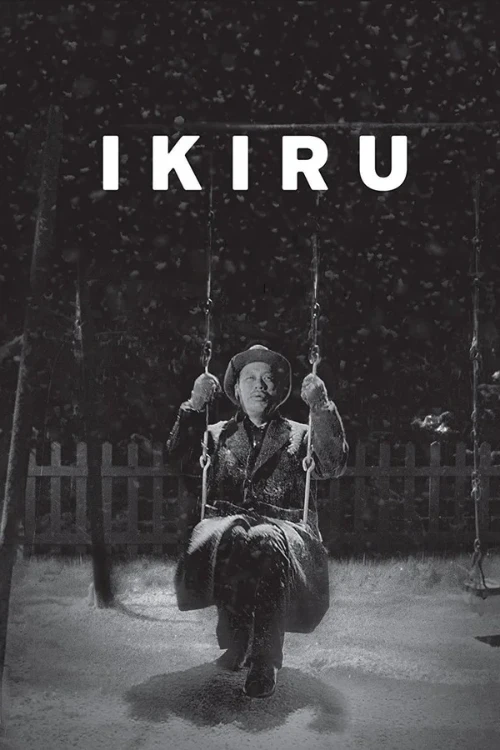
Akira Kurosawa’s 1952 masterwork Ikiru (To Live) stands as one of cinema’s most profound and moving meditations on human existence, mortality, and moral purpose. Set in postwar Tokyo, the film chronicles the life of Kanji Watanabe (Takashi Shimura), a veteran bureaucrat who has spent thirty years pushing paper without missing a single day of work, yet has essentially lived as a ghost. Upon receiving a terminal stomach cancer diagnosis, Watanabe is forced to confront the chilling truth that he has merely occupied space rather than truly lived. Takashi Shimura delivers an extraordinary performance characterized by a fragile posture, hollowed eyes, and quiet desperation. His transformation from a numb, defeated official into a man possessed by singular purpose carries immense emotional weight. After failing to find solace in decadent Tokyo nightlife or the fleeting vitality of a younger colleague, Watanabe realizes that true redemption lies in selfless action. His quiet campaign to transform an infectious wasteland into a neighborhood playground becomes an indelible act of defiance against administrative apathy and bureaucratic stagnation. Kurosawa’s structural daring shines in the film’s unconventional second half, shifting directly to Watanabe’s wake. Through a series of drunken recollections by his hypocritical colleagues, Kurosawa exposes societal inertia and the bureaucratic urge to claim unearned credit. Yet against this systemic cynicism stands the haunting, iconic image of Watanabe gently swaying on a swing in the falling snow, singing softly to himself in quiet peace. Ikiru remains an unforgettable humanist triumph that poses a fundamental question: what does it truly mean to live before it is too late?
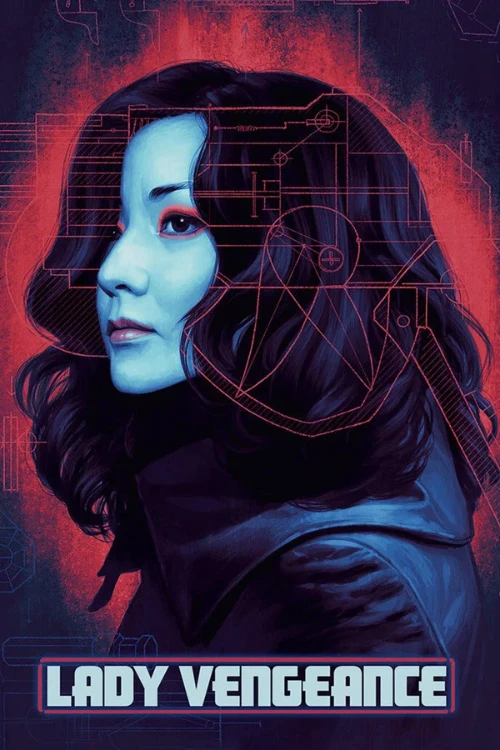
Serving as the ornate, lyrical, and emotionally layered conclusion to Park Chan-wook’s celebrated Vengeance Trilogy, Lady Vengeance (Sympathy for Lady Vengeance) shifts the thematic focus from raw, nihilistic fury to an agonizing exploration of atonement, guilt, and spiritual redemption. Wrongfully imprisoned for thirteen years after being coerced into taking the blame for a horrific child abduction, Lee Geum-ja cultivates an angelic, nurturing persona behind bars—earning the moniker "Kind-hearted Geum-ja"—while meticulously laying the groundwork for retribution against the true perpetrator, Mr. Baek. However, as her calculated plot unfolds, the narrative pivots from solitary vengeance into a harrowing, shared ritual of communal justice among the victims' families. The film questions the very nature of retribution, probing whether executing punishment on the guilty can ever truly mend fractured souls or restore lost innocence. Park’s signature aesthetic reaches a peak of baroque sophistication, elevated by painterly compositions, a fading color palette that gradually drains into stark monochrome, and a sumptuous classical score. Lee Young-ae delivers an extraordinary performance balancing razor-sharp resolve with immense maternal sorrow, juxtaposed against Choi Min-sik’s chillingly detached villainy. Lady Vengeance stands as a poignant, visually arresting meditation on sin and salvation, asserting that while vengeance may deliver closure, true redemption remains a far more elusive and fragile endeavor.