FilmRobotu - 💬 Comments and Reviews
← Back to Profile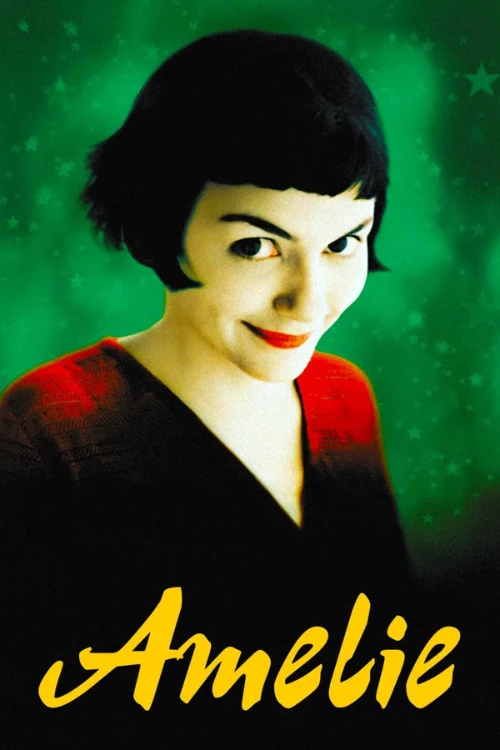
Jean-Pierre Jeunet’nin yönetmen koltuğunda oturduğu Amélie, izleyicisini Paris’in büyüleyici sokaklarında naif ve renkli bir yolculuğa çıkarıyor. Audrey Tautou’nun eşsiz performansıyla hayat verdiği Amélie Poulain karakteri, kendi içine kapanık dünyasında yaşarken, başkalarının hayatlarına küçük ama anlamlı dokunuşlar yapmayı kendine görev edinen genç bir kadındır. Bu iyilik serüveni, onun yalnızlığını kırmasına ve aşka uzanan bir yola girmesine zemin hazırlar. Filmin en çarpıcı özelliklerinden biri, şüphesiz görsel dilidir. Yeşil, sarı ve kırmızı tonlarının hâkim olduğu masalsı sinematografi, Yann Tiersen’in unutulmaz müzikleriyle birleştiğinde ortaya tam anlamıyla bir sanat eseri çıkıyor. Sıradan insanların sıradan dertlerini ve küçük mutluluklarını, böylesine şiirsel bir üslupla beyaz perdeye aktarmak, filmin sinema tarihindeki özgün yerini sağlamlaştırıyor. Gündelik yaşamın içindeki kâğıt kesiği kadar ince hüzünleri, eski bir dükkân camından süzülen ışık gibi umutlu anlarla harmanlıyor. Amélie, sadece romantik bir komedi değil, aynı zamanda insan olmaya, iletişim kurmaya ve kendi kabuğundan çıkmaya dair derinlikli bir karakter incelemesidir. İzleyiciyi içine çeken bu sıcak hikâye, bittiğinde yüzde hafif bir tebessüm ve hayata karşı tatlı bir iyimserlik bırakıyor. Klasikleşmiş yapısı ve her karesinde hissedilen özenle, sinema tutkunlarının tekrar tekrar izlemekten keyif alacağı, arşivlik bir yapım.
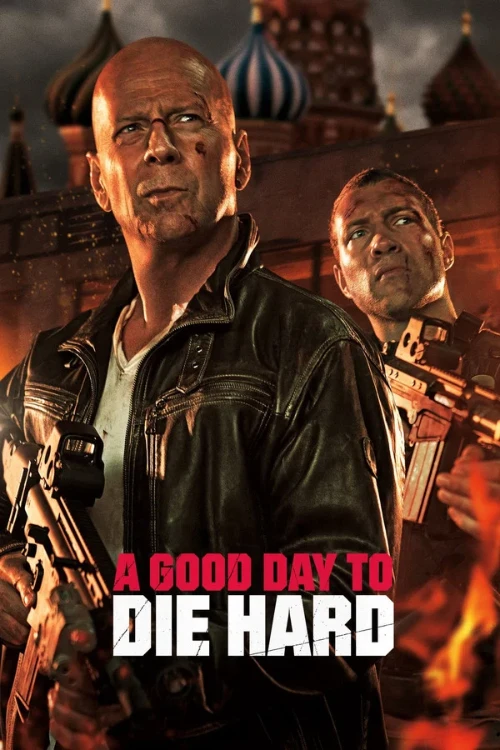
The fifth and currently final installment of the franchise, A Good Day to Die Hard, unfortunately stands as a disappointing entry that falls completely short of the series' legacy. Taking the character of John McClane outside the borders of America to Russia, the film centers on our hero's forced collaboration with his CIA operative son, Jack. However, the cleverly constructed "wrong place at the wrong time" theme of the previous films is entirely replaced here by baseless contrivances and a soulless string of action sequences. The film's biggest flaw is John McClane losing his essence. The ordinary, bleeding, and exhausted police officer with physical limits is gone, replaced by an unconvincing, bulletproof superhero who walks away from massive explosions unscathed. While the father-son dynamic might look interesting on paper, the glaring lack of chemistry between Bruce Willis and Jai Courtney renders this relationship highly superficial and cliché. As the audience struggles to empathize with the characters, the story's seriousness is severely undermined. Director John Moore's overly shaky camera work and the endless, loud, yet exhausting action scenes are unfortunately not enough to save the film. Bearing no trace of the original film's unique wit and claustrophobic tension, this production sadly remains nothing more than a dull and spiritless farewell to a legendary franchise.
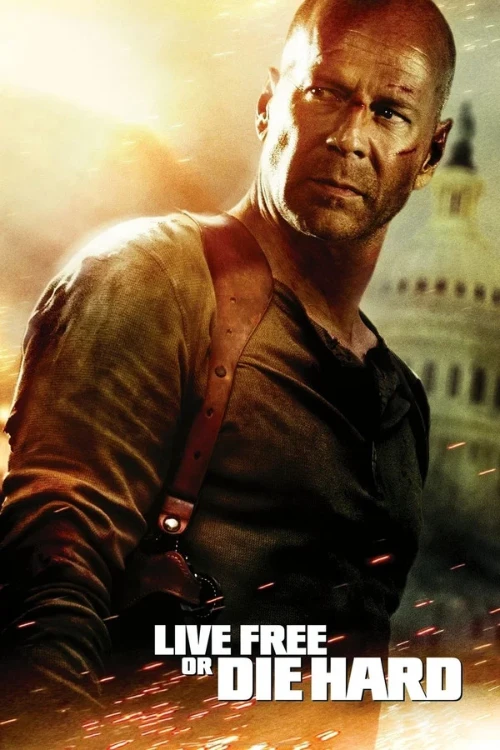
The fourth installment of the franchise throws John McClane far beyond the physical threats he is accustomed to, plunging him directly into the cold and calculated world of cyber-terrorism. This time, the antagonist is not confined to a single building or an airport, but is a technological genius who causes massive chaos by crippling the entire nation's infrastructure. The character of Thomas Gabriel, played by Timothy Olyphant, represents the intellect of the digital world against McClane's sheer muscle. Meanwhile, Matt Farrell, brought to life by Justin Long, adds a vital comedic element to the story and successfully maintains the classic forced partnership of opposites dynamic by balancing out McClane's technological inadequacies. The film escalates the action to a much more massive scale compared to the previous entries in the series. Mind-boggling scenes, such as taking down a helicopter with a car or battling a fighter jet on a highway bridge, elevate McClane's weary but unyielding "ordinary cop" image almost to the level of an invincible superhero. Although this shift causes a slight departure from the realistic and claustrophobic survival struggle of the first films, the resulting spectacle is highly satisfying for modern action cinema. The underlying theme of an analog cop trying to survive in a fully networked digital world significantly strengthens the film's subtext. Ultimately, even if it slightly disconnects from the franchise's grounded roots, Live Free or Die Hard is a highly entertaining blockbuster that manages to stand on its own feet, never drops its relentless pace, and keeps the audience glued to the screen.
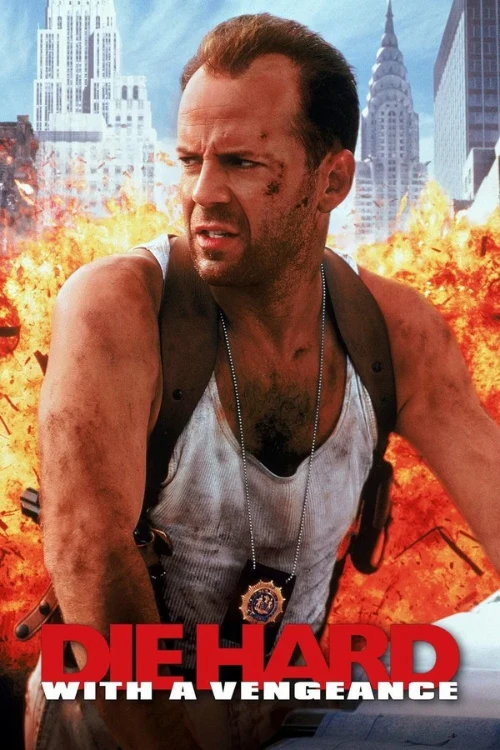
With the return of the original film's legendary director, John McTiernan, Die Hard with a Vengeance breaks out of closed, claustrophobic spaces and turns the massive city of New York into an absolute playground. This third installment of the series presents a breathless, incredibly high-paced game of "Simon Says." The profile of a suspended, hungover, and world-weary John McClane racing against time to find bombs planted in every corner of the city flawlessly continues the franchise's familiar "wrong guy in the wrong place at the wrong time" theme. The film's greatest strength undoubtedly lies in the immense chemistry between Bruce Willis and Samuel L. Jackson. The character of Zeus Carver, an ordinary citizen involuntarily dragged into the chaos, brings a perfect balance to McClane's cynical and reckless demeanor, offering the audience an unforgettable buddy cop dynamic. On the other hand, Jeremy Irons, who appears as Simon—the brother of the first film's iconic villain Hans Gruber—adds wonderful depth to the story as an intelligent, charismatic, and equally ruthless avenger. When this cleverly constructed flavor of revenge combines with the chaotic streets of New York, it creates an irresistible spectacle. With its extensive explosion scenes, masterful use of practical effects, and witty screenplay, Die Hard with a Vengeance is not only one of the peak points of its own franchise but also of 1990s action cinema. The humor born from the characters' contrasts is perfectly blended with relentless action.
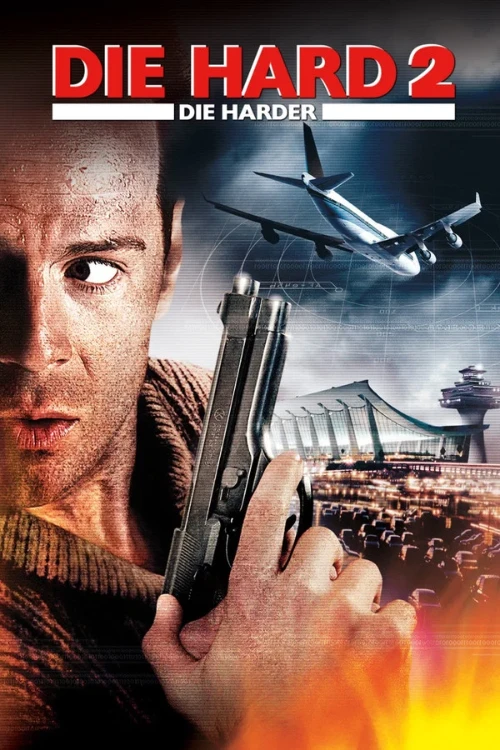
Arriving after the massive success of the first film, Die Hard 2 successfully continues John McClane's tradition of getting into deadly trouble on Christmas Eve. Directed by Renny Harlin, this sequel takes the claustrophobic skyscraper atmosphere of the original and relocates it to the expansive yet equally restrictive and isolated world of Washington Dulles Airport. Finding himself right in the middle of a massive terrorist plot while waiting for his wife, just like in the first story, McClane practically races against time to save not only hostages in a building but also thousands of innocent people in planes running out of fuel in the sky. Strictly following the famous sequel rule of being bigger and louder, the production significantly increases the dose of action and explosions. However, this sometimes causes the cleverly constructed cat-and-mouse game of the first film to give way to a more schematic action sequence. Despite everything, Bruce Willis perfectly reflects that iconic, ordinary police officer persona who is exhausted, bleeding, and constantly muttering to himself. Even though there are some plot holes in the script and the villains lack the profound characterization seen in the first film, the movie captures the spirit of the nineties, considered the golden age of action cinema, very well. With the sense of desperation created by the snowstorm, the credibility of the practical visual effects, and its relentless pace, Die Hard 2 stands as a highly successful example of its genre. It continues to offer a nostalgic and satisfying viewing experience for the fans of the franchise.
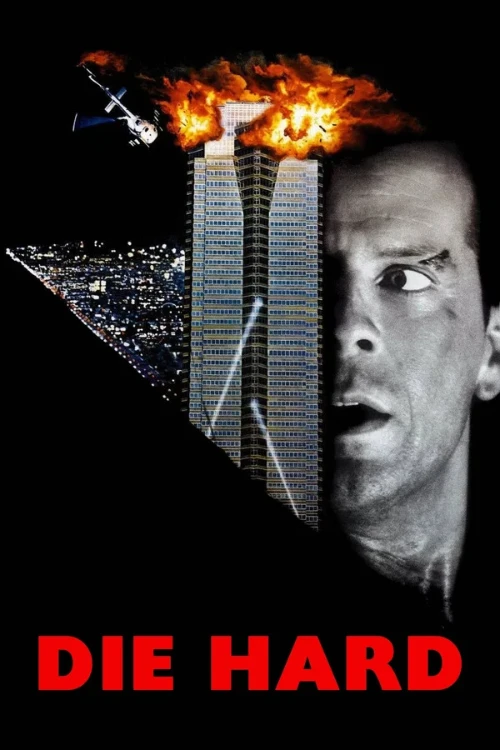
Die Hard, which forever changed the course of action cinema and stands as one of the brightest examples of its genre, has evolved into an unforgettable classic under the masterful direction of John McTiernan. The film shatters the 1980s cliché of invincible, heavily muscled, and flawless action heroes by centering on John McClane—an ordinary police officer who bleeds, gets exhausted, and feels genuine fear. This innovative approach allows the audience to form a much more intimate and powerful bond with the character. One of the most significant factors in the film's enduring success is undoubtedly the character of Hans Gruber, brought to life through an immense performance by Alan Rickman. Portraying a highly intelligent, cold-blooded, and incredibly charismatic villain, Gruber creates the perfect dynamic contrast to McClane. The claustrophobic, multi-story structure of Nakatomi Plaza is treated almost like a character in itself, pushing the tension of their deadly cat-and-mouse game to its absolute peak. This struggle for survival in a confined space is executed with perfect pacing, keeping the audience glued to the screen at all times. The cleverly constructed screenplay, the tangible practicality of the visual effects, and the ironic use of the Christmas theme in the background give the story a highly unique texture. Even today, this production is widely accepted as a flawless template for modern action movies, fully deserving its cult status through its stellar cinematography and memorable dialogue.
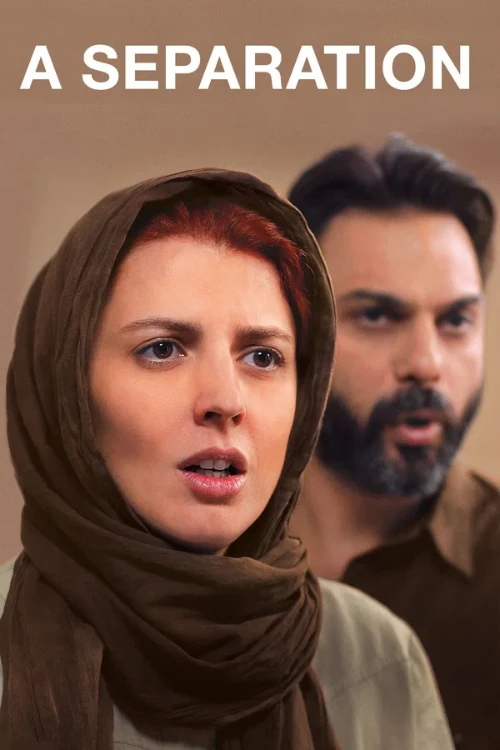
Directed by Asghar Farhadi, A Separation (Jodaeiye Nader az Simin) is a modern cinematic masterpiece that transcends the confines of a domestic dispute to examine human fallibility, moral ambiguity, and deep-seated socio-economic divides. The narrative begins with a fundamental conflict: Simin seeks to emigrate to build a better life for their daughter, while Nader refuses to abandon his father who suffers from advanced Alzheimer's disease. This domestic fracture rapidly snowballs into a complex legal and ethical spiral when a devout, impoverished caregiver is brought in to assist the household. Farhadi’s brilliance lies in his refusal to create heroes or villains. Every character acts out of deeply human and understandable motives—protecting personal dignity, adhering to religious convictions, or shielding family members—yet their desperate self-preservation inevitably leads to a web of omissions and half-truths. The handheld cinematography, claustrophobic domestic spaces, and complete absence of an intrusive musical score heighten the tension, presenting a relentless portrait of how truth fractures under systemic and personal pressure. Elevated by profoundly authentic performances, the film stands as a gripping inquiry into conscience, justice, and the quiet casualties left in the wake of adult compromises.
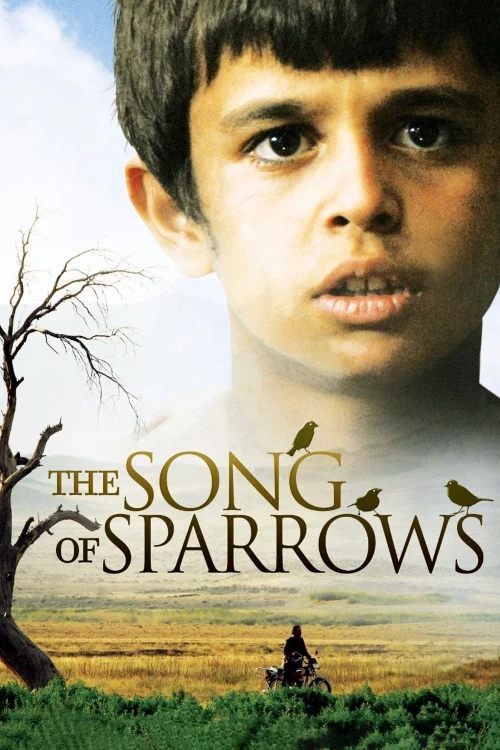
Majid Majidi’s 2008 film The Song of Sparrows (Âvâz-e Gonjeshk-hâ) is a lyrical exploration of the tension between modern consumerism and innate spiritual purity. The narrative centers on Karim, a humble worker at an ostrich farm on the rural outskirts of Tehran. When an ostrich escapes, cost-cutting measures lead to his dismissal, coinciding with his hearing-impaired daughter losing her hearing aid. Driven by necessity, Karim travels into the capital, where a simple search for repairs swiftly morphs into an evocative moral journey. Accidentally mistaken for a motorcycle taxi driver in the bustling streets of Tehran, Karim is pulled into the urban rush of opportunistic commerce. The discarded clutter and scrap items he compulsively hauls home become a vivid metaphor for the spiritual baggage and greed encroaching upon his once-peaceful domestic life. Majidi brilliantly counterpoints this quiet moral decay with the enduring innocence of the children, whose modest dream of clearing a sludge-filled reservoir to raise goldfish reflects untainted hope and collective joy. Anchored by Reza Naji’s remarkable, Silver Bear-winning performance, the film captures human vulnerability and redemption with immense warmth and visual elegance. The Song of Sparrows remains a deeply resonant fable about dignity, humility, and the true cost of losing touch with one's roots.
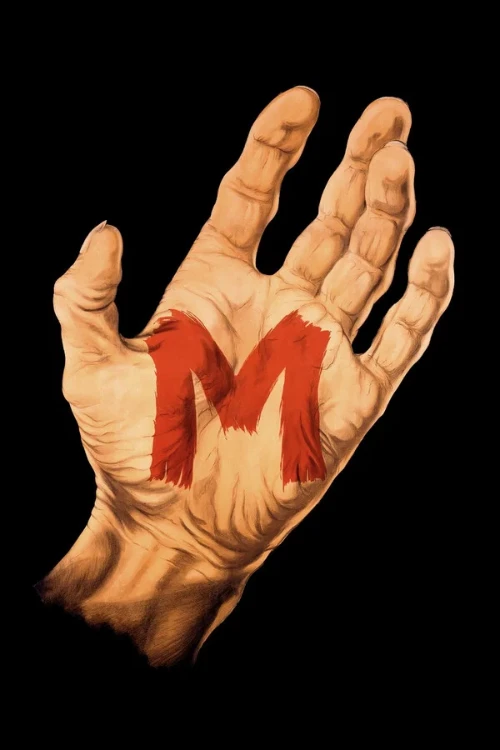
Fritz Lang’s 1931 masterpiece M stands as a monumental milestone that not only pioneered early sound cinema but also laid the foundational grammar for the psychological thriller and film noir. Set in a Berlin gripped by hysteria over an elusive child murderer, the film transforms a citywide manhunt into a scathing sociological study and a profound moral inquiry. Lang’s revolutionary application of sound turns auditory cues into narrative instruments. Hans Beckert’s compulsive whistling of Edvard Grieg’s melody functions as one of the most chilling motifs in cinematic history. Combining German Expressionist shadows with gritty urban realism, Lang employs razor-sharp parallel editing between the frantic police investigations and the pragmatic mobilization of the criminal underworld, crafting an airtight atmospheric tension. Peter Lorre delivers an indelible, career-defining performance, portraying the killer not merely as a sinister villain, but as a tormented man trapped by his own uncontrollable impulses. The climactic kangaroo court sequence in an abandoned distillery forces the audience to confront enduring questions regarding retributive justice, sanity, and the thin line separating societal order from mob rule.
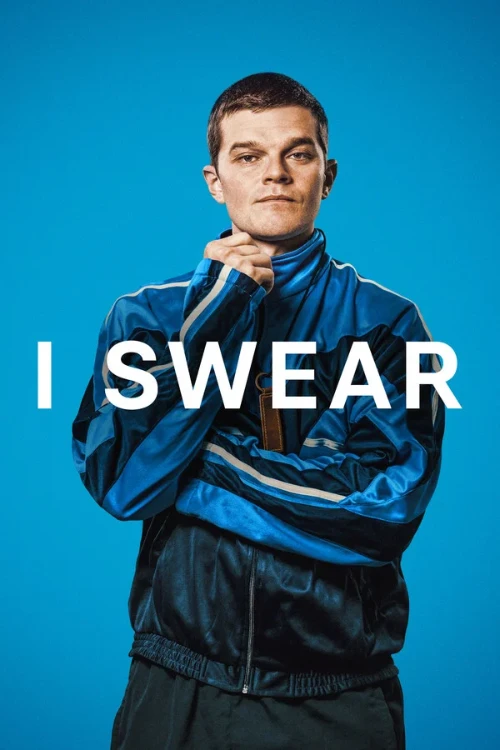
Written and directed by Kirk Jones, I Swear is a poignant and grounded biographical drama chronicling the real-life journey of Scottish Tourette syndrome activist John Davidson. Set against the backdrop of 1980s and 1990s Scotland—a period when Tourette syndrome was heavily misunderstood, neglected, and stigmatized—the film strikes a delicate balance between unflinching dramatic realism and sharp, organic humor. At the core of the film is Robert Aramayo’s career-defining lead performance. Aramayo captures the physical intensity of Davidson’s involuntary tics and coprolalia alongside the profound emotional isolation that accompanied them, delivering a layered depiction rooted in genuine vulnerability. Maxine Peake offers tremendous supporting depth as Dottie Achenbach, grounding the narrative with warmth, compassion, and emotional stability. Rather than reducing neurological illness to a comedic trope or sentimental melodrama, Jones maintains narrative integrity by confronting the ignorance and ostracization Davidson faced daily. By blending uncomfortable truths with heartfelt perseverance and well-timed levity, the film delivers a compelling tribute to human resilience and empathetic storytelling.
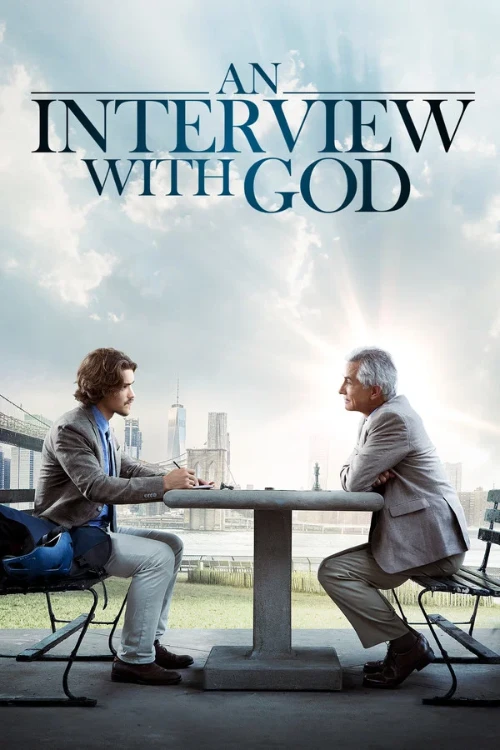
Directed by Perry Lang, An Interview with God centers on Paul Asher, an up-and-coming journalist struggling with post-traumatic stress after covering the war in Afghanistan while witnessing the quiet unraveling of his marriage. At a critical crossroads in his personal and professional life, Paul is granted a rare opportunity: three thirty-minute interview sessions with an enigmatic man who calmly claims to be God. Rather than leaning on grand theological spectacle, the film is structured primarily like a two-person chamber play driven by conversation. David Strathairn delivers a grounded, poised, and quietly compelling performance that elevates the central dynamic, while Brenton Thwaites effectively captures the skepticism, vulnerability, and internal turmoil of a man seeking answers to his pain. The screenplay tackles timeless existential dilemmas—including human suffering, free will, and the burden of forgiveness—without entirely succumbing to heavy-handed sermonizing. While the pacing occasionally falters and the secondary subplots carry less weight than the core theological debate, the film remains an introspective and thoughtful exploration of faith, doubt, and human grief.
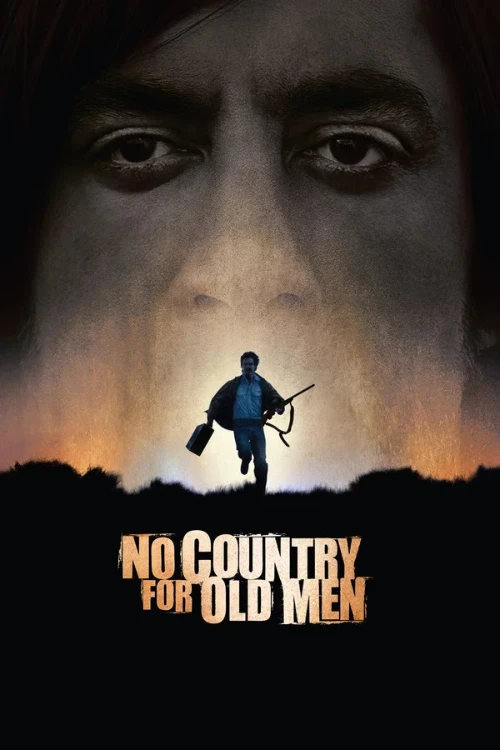
Adapted from Cormac McCarthy’s acclaimed novel by Joel and Ethan Coen, No Country for Old Men stands as a defining masterpiece of modern cinema and the neo-Western genre. The narrative unfolds across the stark, unforgiving expanse of West Texas, ignited when Llewelyn Moss stumbles upon the bloody aftermath of a drug deal gone wrong and absconds with two million dollars. This fateful choice triggers a relentless pursuit by Anton Chigurh, an implacable killer, while aging Sheriff Ed Tom Bell trails behind, grappling with a landscape of escalating violence he can no longer comprehend. Javier Bardem delivers an iconic, bone-chilling performance as Anton Chigurh, transcending conventional villainy to embody the arbitrary nature of fate itself. The suspenseful coin-toss encounters form the philosophical core of the film, examining moral indifference and chance. Roger Deakins’ austere cinematography emphasizes the isolation of the desert terrain, while the near-total absence of an orchestral score turns everyday ambient noises—footsteps, desert winds, and heavy silence—into instruments of suffocating tension. Subverting traditional genre conventions of catharsis and clear-cut justice, the film explores the unstoppable momentum of senseless violence and the alienation of an older generation confronting a colder, unrecognizable world. It remains a profound meditation on mortality, destiny, and existential helplessness.
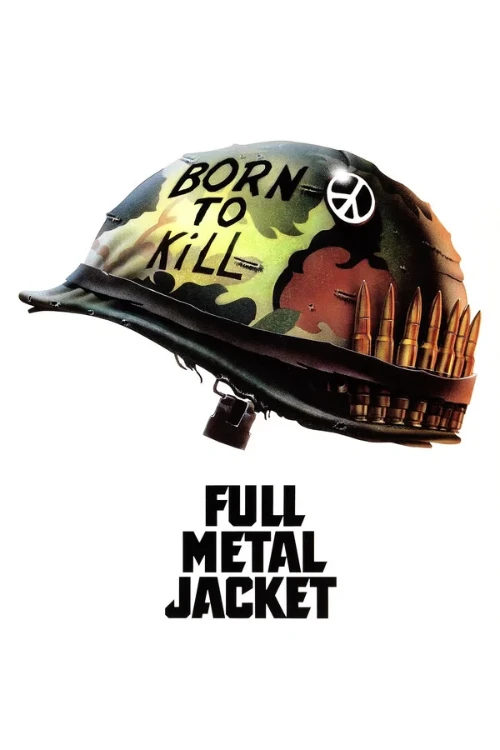
Stanley Kubrick’s 1987 masterpiece Full Metal Jacket stands as one of the most uncompromising examinations of war, psychological conditioning, and the systematic dehumanization of the individual. Split sharply into two distinct acts, the narrative meticulously dissects both the manufacturing of a soldier and the subsequent moral void of the battlefield. The first half unfolds within the suffocating confines of the Parris Island Marine boot camp. Gunnery Sergeant Hartman’s relentless verbal and psychological abuse strips the recruits of their civilian identities to mold them into lethal instruments. Through the devastating descent of Private "Gomer Pyle" Lawrence, Kubrick captures the breaking point of the human psyche under institutional cruelty with chilling precision. The second act transitions to the ruins of Vietnam, exploring the senselessness of war through the detached perspective of Private Joker. The stark juxtaposition of Joker wearing a peace sign pin while sporting "Born to Kill" on his helmet encapsulates Kubrick’s core theme: the fundamental duality of man and the profound absurdity of armed conflict. Rather than glorifying combat, the film illustrates moral ambiguity, alienation, and the grim reality of survival. Kubrick’s symmetrical visual compositions, disciplined pacing, and sharply ironic soundtrack choices present the brutality of warfare with clinical detachment. Full Metal Jacket transcends the conventional war genre to deliver a timeless, devastating critique of institutional violence and the fragility of the human spirit.
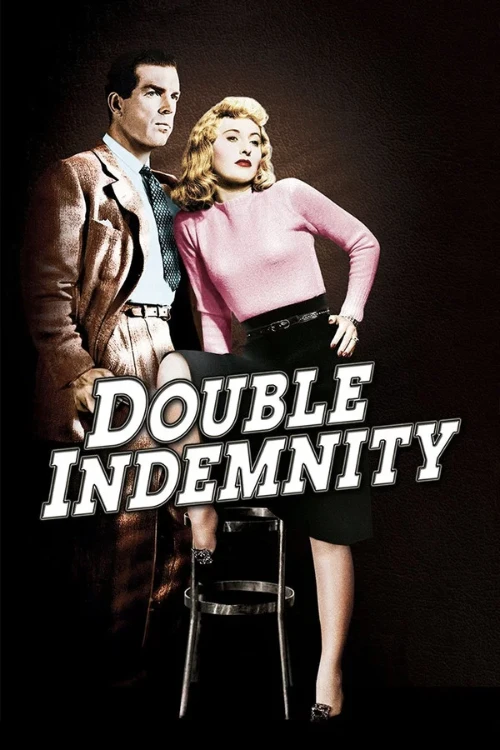
As one of the purest and most definitive masterworks of film noir, Double Indemnity brilliantly captures the fatal intersection of greed, lust, and betrayal. Adapted from James M. Cain’s novella through the razor-sharp collaborative writing of Billy Wilder and Raymond Chandler, the film not only established the aesthetic archetype of the genre but also set the gold standard for hard-boiled, cynical storytelling. Framed by Walter Neff’s wounded dictation into an office recording machine, the narrative immediately establishes a sense of inescapable doom. Barbara Stanwyck delivers a mesmerizing, career-defining performance as Phyllis Dietrichson, the ultimate femme fatale whose cold calculation and magnetic allure entrap Fred MacMurray’s ambitious insurance salesman. The chemistry between their moral decay and reckless confidence drives the plot toward cold-blooded murder. Balancing this toxic partnership is Edward G. Robinson as Barton Keyes, whose relentless investigative instinct and sharp moral clarity provide the story's emotional and intellectual tension. John F. Seitz’s evocative cinematography—dominated by sharp chiaroscuro lighting, Venetian blind slats, and smoke-filled interiors—translates psychological guilt directly onto the screen. With its crisp pacing, blistering dialogue, and uncompromising exploration of human vulnerability and corruption, Double Indemnity stands as an enduring monument of classic American cinema.
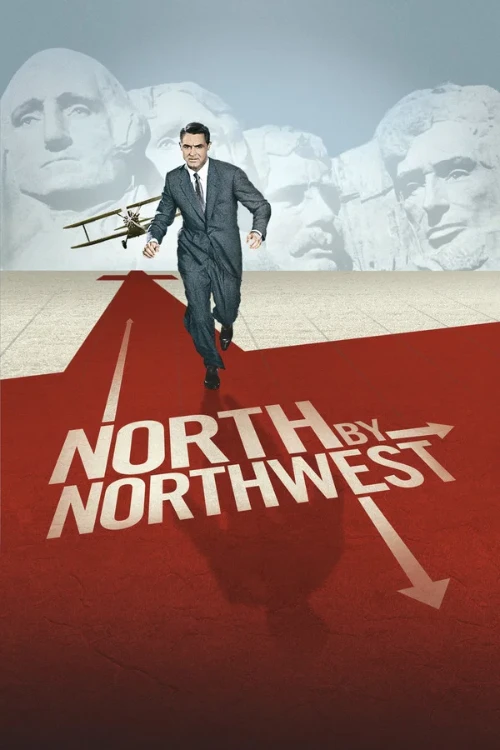
Alfred Hitchcock’s 1959 masterpiece, North by Northwest, stands as the quintessential high-water mark of mistaken-identity thrillers. The narrative follows Roger Thornhill (Cary Grant), a smooth New York advertising executive who is abruptly mistaken for a fictitious government agent named George Kaplan. Thrust into a deadly cross-country pursuit by a ruthless espionage syndicate, Thornhill must clear his name while navigating a world where appearances are entirely deceptive. Hitchcock maneuvers this escalating nightmare with pristine visual elegance and sharp, sophisticated wit. The film is a masterclass in architectural suspense and spatial geography. The legendary crop duster sequence subverts traditional thriller tropes by situating dread not in narrow, shadowy corners, but beneath the unforgiving midday sun of an expansive, empty field. From the sterile modernist luxury of the United Nations headquarters to the perilous vertigo of the Mount Rushmore climax, each sequence is elevated by Bernard Herrmann’s propulsive, rhythmic orchestral score and Hitchcock's seamless editing. Ernest Lehman’s sparkling screenplay balances razor-sharp romantic banter with genuine peril, brought to life through the effortless chemistry between Cary Grant and Eva Marie Saint, balanced by James Mason’s chillingly suave villainy. Serving as a foundational prototype for the modern action-espionage genre, North by Northwest remains an enduring triumph of kinetic storytelling and visual mastery.
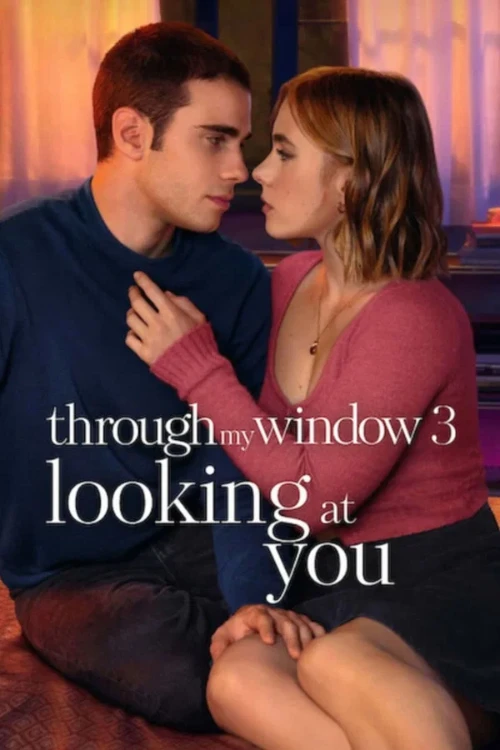
Serving as the concluding chapter of the romantic trilogy, Through My Window: Looking at You (A través de tu mirada) reunites Raquel and Ares against a moody winter backdrop following the tragic and turbulent fallout of the previous summer. Despite their attempts to move on with separate lives and new partners, an undeniable magnetic pull draws them back together during the holiday season in Barcelona, forcing both to confront their unresolved grief and lingering passions. Director Marçal Forés shifts the visual palette from sun-soaked beaches to cool, polished urban aesthetics, preserving the franchise's signature glossy production values. The palpable chemistry between Clara Galle and Julio Peña remains the film's core anchor; however, the screenplay continues to suffer from narrative thinness. Rather than exploring mature emotional growth, the plot relies on recycled romantic tropes, contrived jealousies, and predictable misunderstandings. The supporting ensemble is largely relegated to decorative roles, and the climactic reconciliations feel rushed rather than earned. Ultimately, Through My Window: Looking at You provides a tidy, emotionally satisfying conclusion for dedicated fans of the trilogy, even if it never transcends the limitations of formulaic young-adult melodrama.
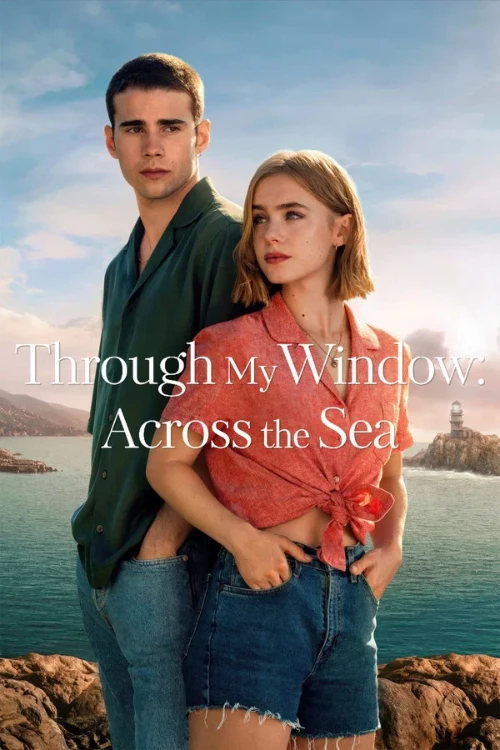
Following the commercial success of its predecessor, Through My Window: Across the Sea (A través del mar) shifts Raquel and Ares’s turbulent romance to a sun-drenched Mediterranean coastal setting. With Ares studying medicine in Stockholm and Raquel pursuing her literary ambitions in Barcelona, the young couple reunites for a lavish summer holiday. However, their physical reunion quickly exposes the emotional fissures created by distance, miscommunication, and unaddressed insecurities. Director Marçal Forés once again delivers a visually polished production, utilizing idyllic coastal vistas, saturated warm palettes, and the undeniable aesthetic appeal of the cast. Yet, beneath this glamorous exterior, the narrative feels increasingly thin. The screenplay leans heavily on contrived jealousies sparked by new acquaintances, superficial miscommunications, and well-worn coming-of-age tropes. Rather than cultivating authentic character growth, the film resorts to an abrupt, tragic shift in the third act that feels melodramatic and unearned rather than genuinely impactful. Ultimately, Through My Window: Across the Sea provides breezy, picturesque escapism for dedicated fans of the franchise, but its fragmented storytelling and lack of thematic depth render it a weaker entry than the original.
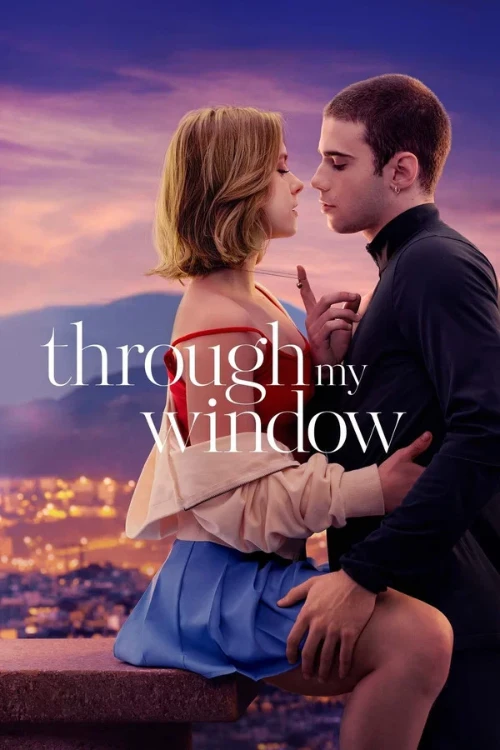
Adapted from Ariana Godoy’s popular novel, Through My Window (A través de mi ventana) delivers a glossy, highly formulaic teen romance that leans heavily into contemporary melodrama. Directed by Marçal Forés, the film centers on Raquel’s voyeuristic infatuation with her wealthy, emotionally distant neighbor, Ares Hidalgo. Sparked by a shared Wi-Fi password—a distinctly modern narrative catalyst—their dynamic swiftly evolves into a turbulent entanglement set against a stylized Barcelona backdrop. The film's primary strength lies in its slick cinematography and the undeniable chemistry between Clara Galle and Julio Peña. However, this aesthetic polish does little to disguise the narrative’s thin foundation. The script frequently romanticizes toxic relationship dynamics and boundary-crossing behavior, relying on predictable young-adult tropes rather than organic character growth. Ares’s brooding disposition and Raquel’s fixation unfold through familiar plot beats, culminating in third-act conflicts resolved through rushed melodrama rather than earned development. Ultimately, Through My Window delivers the breezy, passionate escapism expected by its target audience, even if it lacks substantive thematic depth or lasting artistic impact.

Pixar’s Up, directed by Pete Docter and Bob Peterson, transcends the traditional boundaries of animated cinema to deliver a poignant meditation on grief, aging, and the courage to move forward. Its universally acclaimed prologue accomplishes more in a few dialogue-free minutes than most full-length dramas, establishing the emotional weight that anchors the entire narrative. Carl Fredricksen’s grief is both tender and heavy, manifested physically in the house lifted by thousands of helium balloons—a flying monument to past promises and unresolved mourning. The journey toward Paradise Falls transforms when Carl unexpectedly finds himself accompanied by Russell, an earnest Wilderness Explorer, alongside the endearing canine Dug and the colorful bird Kevin. This eclectic group gradually pierces Carl’s hardened exterior. The film brilliantly contrasts Carl’s arc with that of his childhood idol, the fallen explorer Charles Muntz, demonstrating the corrosive danger of lifelong obsession compared to the liberating grace of letting go. The thematic climax, revealed through Ellie’s scrapbook, redefines the entire concept of adventure: life's greatest journey lies not in uncharted territories, but in the everyday moments shared with loved ones. Bolstered by Michael Giacchino’s Oscar-winning score and masterclass visual pacing, Up remains a timeless, emotionally resonant work of art.
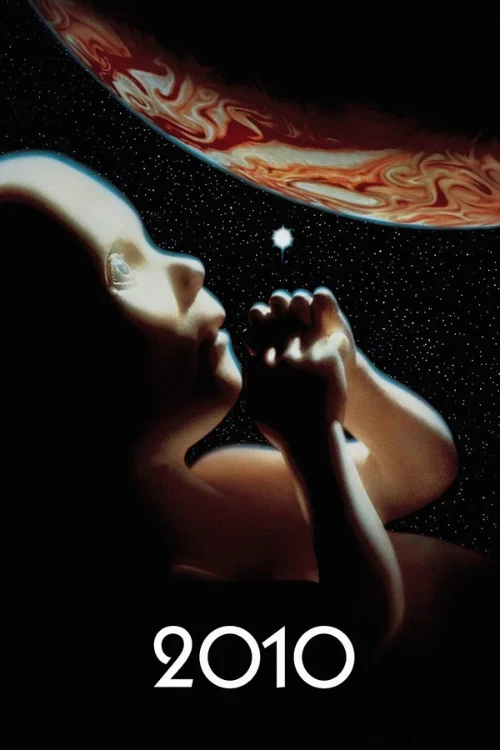
Directing a sequel to one of the most defining cinematic landmarks in history is a formidable endeavor. Rather than attempting to replicate Stanley Kubrick’s abstract mysticism and enigmatic visual poetry, director Peter Hyams charts a pragmatic course in 2010: The Year We Make Contact. Anchored in Arthur C. Clarke’s literary style, the film adopts a plot-driven, exposition-friendly approach that transposes Cold War geopolitics into the cold vacuum of space, framing a story of international collaboration against cosmic uncertainty. Elevated by grounded performances from Roy Scheider, John Lithgow, and Helen Mirren, the story excels particularly in contextualizing the malfunction and tragedy of HAL 9000. Through impressive practical miniature effects, steady pacing, and genuine tension surrounding the derelict Discovery One, the film trades existential ambiguity for narrative resolution and emotional closure. While it lacks the transcendent grandeur of its predecessor, it stands as an intelligent, suspenseful, and dignified hard sci-fi entry that delivers an enduring message of global unity and evolutionary wonder.