FilmRobotu - 💬 Comments and Reviews
← Back to Profile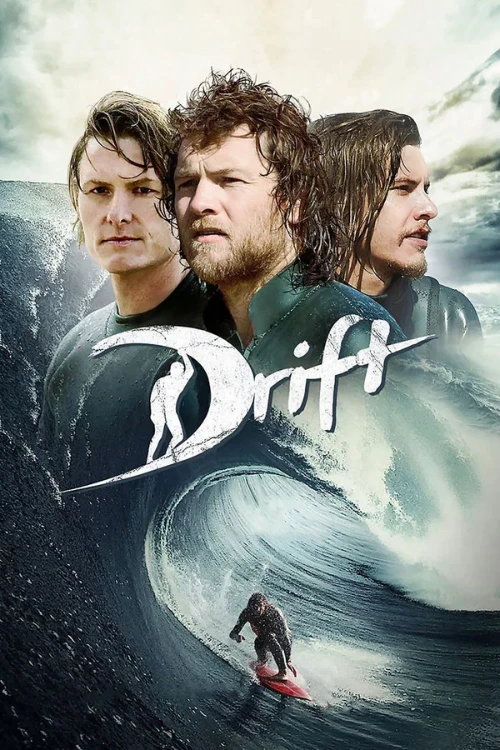
Directed by Ben Nott and Morgan O'Neill, the 2013 Australian film Drift captures the spirit of the 1970s surf culture through the story of two brothers, Andy and Jimmy Kelly, who turn their lifelong obsession with big-wave surfing into a burgeoning business. Settling along the rugged Margaret River coast, the brothers begin crafting custom surfboards and wetsuits out of their home garage. However, their ambition quickly collides with conservative local attitudes, financial hardship, and dangerous encounters with a local drug syndicate. The standout highlight of the film is its breathtaking practical cinematography. Shot by cinematographer Geoffrey Hall without relying on digital visual effects, the aquatic sequences feature real 30-to-40-foot waves that deliver visceral excitement and genuine adrenaline. The lead performances by Myles Pollard, Xavier Samuel, and Sam Worthington lend a natural groundedness to the brotherly bond and the surrounding surf community. Where Drift stumbles is in its dry-land narrative, which frequently leans on formulaic tropes and predictable drama. When the focus shifts from the ocean to crime subplots and debt pressures, the pacing slows down noticeably. Nevertheless, the film remains a visually compelling celebration of freedom, ocean power, and vintage Australian surf heritage.
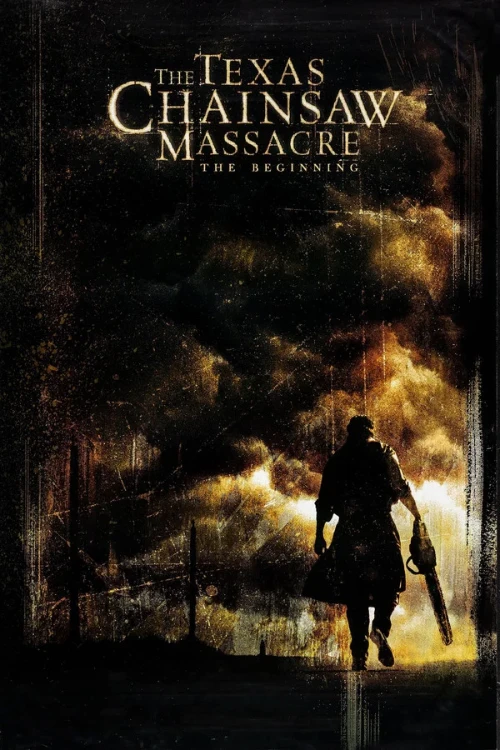
Directed by Jonathan Liebesman, the 2006 horror film "The Texas Chainsaw Massacre: The Beginning" serves as a prequel to the 2003 reboot, shedding light on the origin of Leatherface and the dark history of the Hewitt family. Set against the grim backdrop of the Vietnam War era, the story follows two brothers on the verge of deployment and their girlfriends as a road trip through rural Texas devolves into a brutal struggle for survival. Right from its unsettling opening scene in a slaughterhouse, the film establishes a relentlessly bleak and graphic tone. Visually, the film successfully retains the dusty, suffocating, and dirty aesthetic established by its predecessor, while ramping up the intensity and gore to make it one of the most violent entries in the franchise. R. Lee Ermey delivers another terrifying performance as the sadistic, impostor Sheriff Hoyt, anchoring the film’s psychological horror with unhinged authority. While the cast performs admirably within genre bounds, the plot relies heavily on familiar slasher tropes and rarely offers groundbreaking narrative surprises. Because the narrative favors visceral carnage over character development, it may not appeal to those seeking a nuanced psychological thriller. However, for horror enthusiasts and fans of the franchise, it delivers a fast-paced, visceral, and uncompromising look into how a terrifying legend was born.
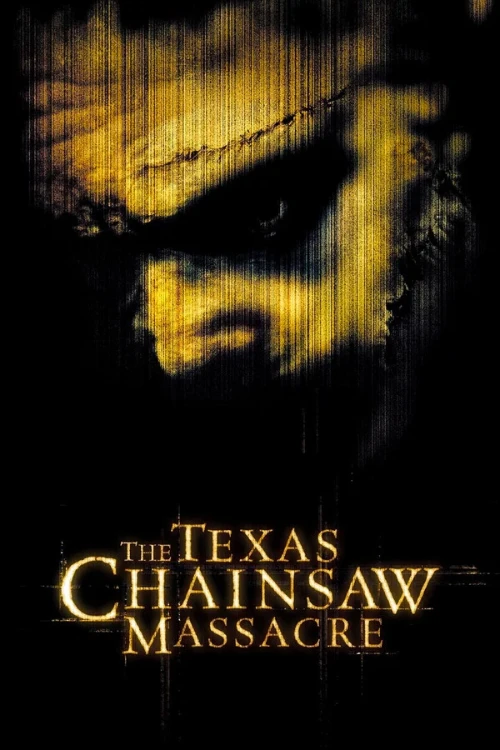
Directed by Marcus Nispel, the 2003 remake of "The Texas Chainsaw Massacre" successfully reimagines one of the most terrifying classics in horror history through a modern cinematic lens. Inheriting the legacy of Tobe Hooper’s groundbreaking 1974 original, the film retains a deeply unsettling, sweaty, and claustrophobic aesthetic, notably bringing back the original film's cinematographer, Daniel Pearl. The story begins on the scorching, isolated roads of rural Texas, where a group of young friends is unexpectedly plunged into a brutal, nightmare-inducing fight for survival. One of the film's greatest strengths lies in its relentless visual tension and immersive environmental design. The dusty, suffocating atmosphere of the Texan countryside creates an almost tactile sense of dread for the viewer. Performance-wise, Jessica Biel delivers a strong and grounded turn as the lead, while R. Lee Ermey steals every scene with a chillingly psychotic portrayal of Sheriff Hoyt. Modernized for a new decade, Leatherface appears as a more physically imposing and relentless force of pure violence. However, the film somewhat trades the raw, documentary-like realism and social subtext of the 1974 classic for a slicker, gore-heavy formula characteristic of early 2000s studio horror. Nevertheless, it stands out as one of the few truly effective horror remakes of its era, maintaining a ferocious pace and serving as a thrilling homage to the genre.

Pedro Almodóvar's 2011 psychological thriller, The Skin I Live In (La piel que habito), stands as one of the most audacious and emotionally complex explorations of obsession, identity, and retribution in modern European cinema. Melding elements of body horror, melodrama, classical tragedy, and film noir, Almodóvar crafts a narrative that is both clinically precise and intensely passionate. At its core, the film examines the dark corridors of human grief through the actions of Dr. Robert Ledgard, a brilliant yet ethically untethered plastic surgeon who seeks to sculpt a flawless, indestructible synthetic skin following a series of devastating personal losses. What elevates the film beyond a conventional thriller is its profound philosophical inquiry into the nature of personhood. Through a labyrinthine structure filled with haunting flashbacks, the narrative challenges the assumption that identity is merely skin-deep. As Ledgard attempts to wield total biological authority over his captive, reshaping physical form to conquer his past traumas, the film asks whether the human psyche can ever truly be erased or subjugated by physical alteration. The tension between external metamorphosis and internal resilience turns the story into a gripping study of control and survival, where the body becomes both a prison and an instrument of ultimate resistance. Visually and aurally, the movie is a masterclass in atmospheric filmmaking. The stark, minimalist aesthetic of the surgeon’s isolated estate contrasts brilliantly with the swirling emotional turmoil beneath the surface. Alberto Iglesias delivers a haunting score that weaves seamlessly around every frame, amplifying the underlying dread without sacrificing the story's melancholic soul. Antonio Banderas delivers a chillingly calculated performance, perfectly complemented by Elena Anaya’s delicate yet fierce portrayal of psychological endurance. The Skin I Live In remains an unforgettable cinematic achievement that lingers long after the credits roll.
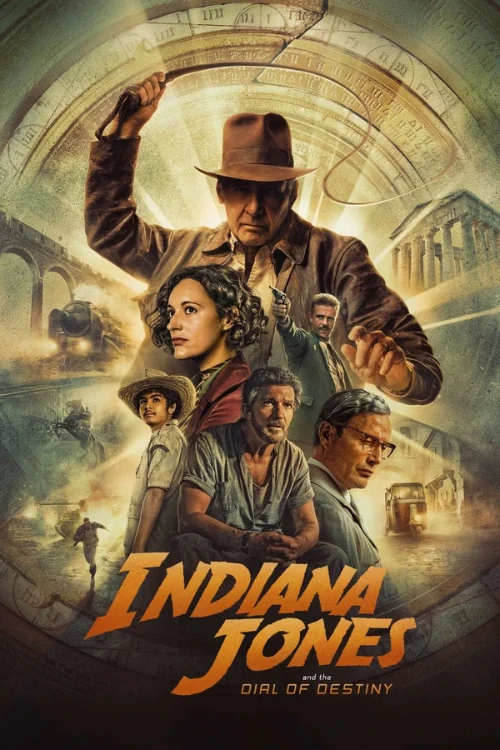
Directed by James Mangold, the 2023 feature Indiana Jones and the Dial of Destiny marks the first entry in the franchise not helmed by Steven Spielberg, serving as a respectful and nostalgic farewell to one of cinema’s most enduring icons. Set against the backdrop of the 1969 Space Race, the plot follows an aging Indiana Jones on the brink of retirement, whose quiet life is disrupted by the arrival of his estranged goddaughter, Helena Shaw (Phoebe Waller-Bridge). Together, they embark on a globe-trotting quest to locate the Dial of Archimedes—a legendary device capable of detecting fissures in time—before former Nazi scientist Jürgen Voller (Mads Mikkelsen) can use it to alter the course of history. Harrison Ford delivers a deeply poignant performance, bringing emotional weight and familiar charisma to his final portrayal of the beloved archaeologist. The film opens with a high-stakes prologue set in 1944, employing impressive de-aging technology to evoke the classic energy of the original trilogy. Mangold’s direction honors Spielberg’s visual legacy while steering the narrative toward reflective themes of aging, regret, and the inescapable march of time. Waller-Bridge adds a spirited, pragmatic dynamic opposite Ford, while Mikkelsen provides a menacing, methodical antagonist. Despite occasional pacing stumbles in its middle act and heavy reliance on CGI, the film shines through its varied action set pieces, vibrant locations, John Williams’ moving score, and an unexpectedly bold climax. Ultimately, Dial of Destiny gives Indiana Jones a fitting, affectionate, and worthy send-off.
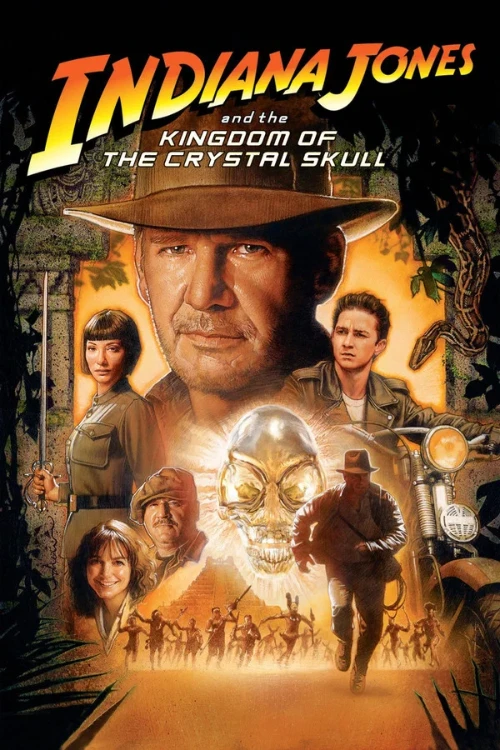
Directed by Steven Spielberg and rooted in a story by George Lucas, the 2008 feature Indiana Jones and the Kingdom of the Crystal Skull brings the iconic franchise back to the big screen after a nineteen-year hiatus, shifting its narrative into the 1950s Cold War era. Set in 1957, the plot follows the aging archaeologist Indiana Jones as he gets entangled in a Soviet conspiracy led by the ruthless Agent Irina Spalko (Cate Blanchett) to harness the telepathic powers of the mysterious Crystal Skulls and locate the legendary city of Akator. Harrison Ford steps comfortably back into his legendary role, rejoined by Karen Allen as Marion Ravenwood and Shia LaBeouf as the rebellious young Mutt Williams. The film moves away from the classic 1930s pulp action of the original trilogy, leaning heavily into 1950s B-movie sci-fi tropes and extensive digital visual effects. While certain polarizing sequences—such as surviving a nuclear blast in a lead-lined refrigerator—drew mixed reactions from long-time fans, the movie still delivers enjoyable set-pieces, including a spirited campus motorcycle chase and impressive production design. Ford’s effortless charisma and the underlying nostalgia keep the adventure afloat, even if the script occasionally lacks the tight tension and mythic weight of its predecessors. Overall, it remains a flawed yet fun chapter in the legacy of cinema's most famous archaeologist.
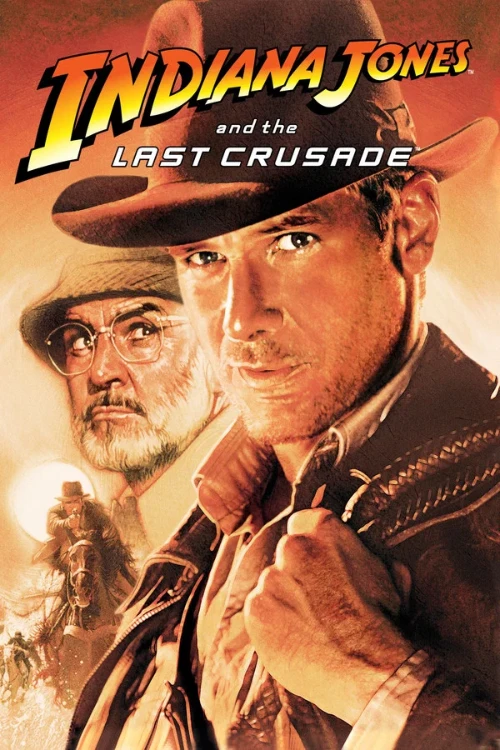
Directed by Steven Spielberg and rooted in a story by George Lucas, the 1989 cinematic milestone Indiana Jones and the Last Crusade stands as the most emotionally resonant and wittily written chapter of the original trilogy. Set in 1938, the plot revolves around the legendary archaeologist Indiana Jones searching for his missing father, Professor Henry Jones, who has dedicated his life to discovering the Holy Grail. The electric chemistry between Harrison Ford and Sean Connery transforms a thrilling globe-trotting mission into one of the most endearing father-son dynamics in film history. From its brilliant prologue featuring River Phoenix as a young Indy—explaining the origins of his fedora, whip, scar, and fear of snakes—the movie masterfully enriches its iconic hero's backstory. As the duo battles Nazi forces from the canals of Venice to the desert canyons of Petra, the narrative balances breathtaking practical stunts with clever humor and profound mythic themes. Coupled with John Williams’ iconic score and Spielberg’s flawless directorial control, Last Crusade delivers a deeply satisfying, timeless adventure that captures the absolute magic of classic cinema.
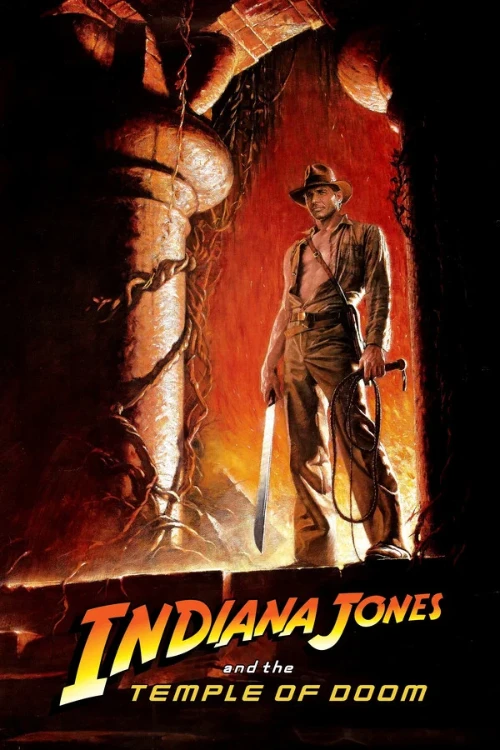
Directed by Steven Spielberg and based on a story by George Lucas, the 1984 feature Indiana Jones and the Temple of Doom (released as Kamçılı Adam in Turkey) serves as a prequel to Raiders of the Lost Ark, offering one of the most thrilling and darker entries in action-adventure cinema. Following a narrow escape from Shanghai, archaeologist Indiana Jones stumbles upon a destitute Indian village whose sacred stone and children have been stolen by a sinister cult operating beneath Pankot Palace. Harrison Ford effortlessly embodies the iconic hero with grit and intellect, supported by Kate Capshaw as nightclub singer Willie Scott and Ke Huy Quan as his sharp, loyal young sidekick Short Round. Distinct from its predecessor, Temple of Doom adopts a grittier and more nightmare-fueled atmosphere. The subterranean rituals, child labor rescue, and the iconic mine cart chase showcase practical visual effects and stunt craft at their absolute peak. Maintaining a relentless narrative rhythm, the film masterfully balances dark horror motifs with classic humor and high-octane set pieces. Enhanced by impressive production design and John Williams’ sweeping score, Spielberg delivers an unforgettable, adrenaline-charged adventure.
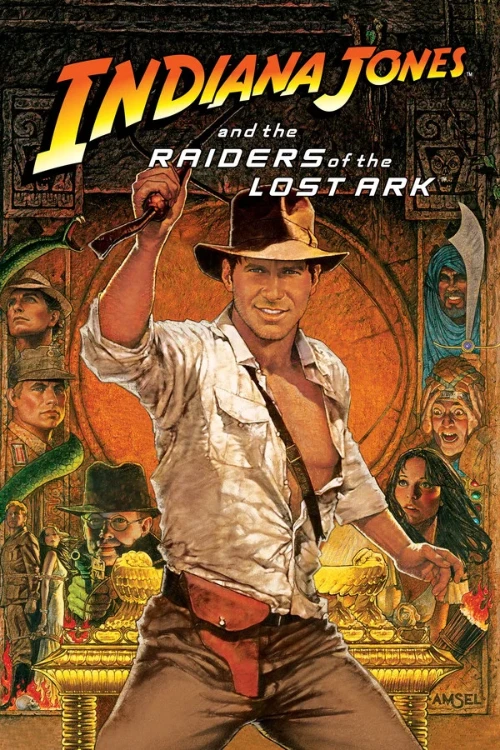
Directed by Steven Spielberg and conceived by George Lucas, the 1981 masterpiece Raiders of the Lost Ark stands as a defining milestone in modern action-adventure cinema. Set in 1936, the film follows the charismatic archaeologist Indiana Jones as he races against Nazi forces to locate the legendary Ark of the Covenant before they can claim its power. Harrison Ford delivers an iconic performance that seamlessly blends grit, intelligence, and charm. Coupled with John Williams’ unforgettable score and brilliantly executed practical stunts, the narrative grips the audience from its opening scene to its thrilling climax. Beyond its electrifying set pieces, the film excels in visual storytelling, atmosphere, and rhythmic pacing. Spielberg utilizes expansive landscapes and precise cinematography to heighten the sense of mystery and danger surrounding the expedition. Indiana Jones represents a grounded yet larger-than-life hero, making his journey endlessly captivating. Ultimately, Raiders of the Lost Ark remains a timeless cinematic triumph that continues to set the gold standard for adventure storytelling.
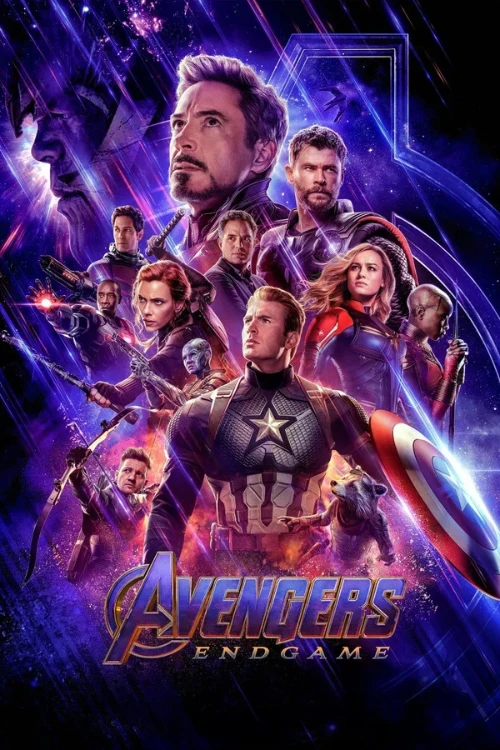
Serving as the grand culmination of the Marvel Cinematic Universe's twenty-two-film "Infinity Saga," Avengers: Endgame achieves one of the most emotionally resonant and cinematic send-offs in blockbuster history. Directed by Anthony and Joe Russo, the film opens in the tragic shadow of Infinity War, confronting the surviving heroes with grief, loss, and defeat. Rather than rushing into continuous action, the narrative takes a surprisingly intimate approach in its opening act, prioritizing psychological depth, character vulnerability, and the human weight of failure. The central pursuit to reverse the devastation evolves into a clever "time heist," offering a nostalgic and celebratory tribute to the franchise's rich history. This structural choice allows the narrative to revisit key moments from previous films while weaving humor, heart, and high stakes together seamlessly. The climactic final battle stands as a monumental cinematic achievement, combining staggering visual effects with triumphant, character-defining payoffs. The resolution of arcs for foundational figures like Tony Stark and Steve Rogers provides an exquisitely satisfying emotional closure. Ultimately, Avengers: Endgame is far more than a conventional superhero spectacle; it is a masterfully executed coronation of a decade-long storytelling experiment. With its remarkable emotional weight, meticulous pacing, and unforgettable moments, the film delivers a landmark cinematic experience that firmly cements its legacy in modern pop culture.
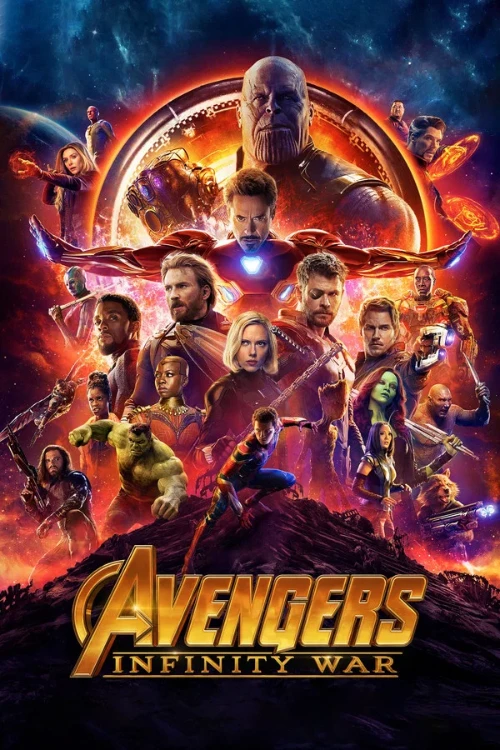
Representing the culmination of a decade's worth of interconnected storytelling, Avengers: Infinity War achieves a rare level of narrative triumph and ambition in modern blockbuster cinema. Directed by Anthony and Joe Russo, the film centers on Thanos's relentless quest to collect all six Infinity Stones and wipe out half of all life in the universe. The film's defining strength lies in its treatment of Thanos, framing him not merely as a conventional antagonist, but as a complex, driving protagonist motivated by a darkly tragic philosophy. Maintaining a relentless pace across multiple cosmic locations, the narrative seamlessly balances an unprecedented ensemble of characters without letting the plot feel overburdened. Key set pieces, such as the desperate conflict on Titan and the battle in Wakanda, showcase exceptional visual artistry and action choreography. The emotional core of the film is continually heightened by the juxtaposition of lighthearted character interactions against an ever-growing sense of impending doom, culminating in one of the most audacious and shocking cliffhangers in cinematic history. Ultimately, Avengers: Infinity War stands as the crown jewel of the Marvel Cinematic Universe's ambitious decade-long experiment. With its masterclass in pacing, profound narrative stakes, and emotionally resonant execution, it secures its place as a definitive masterpiece of the superhero genre.
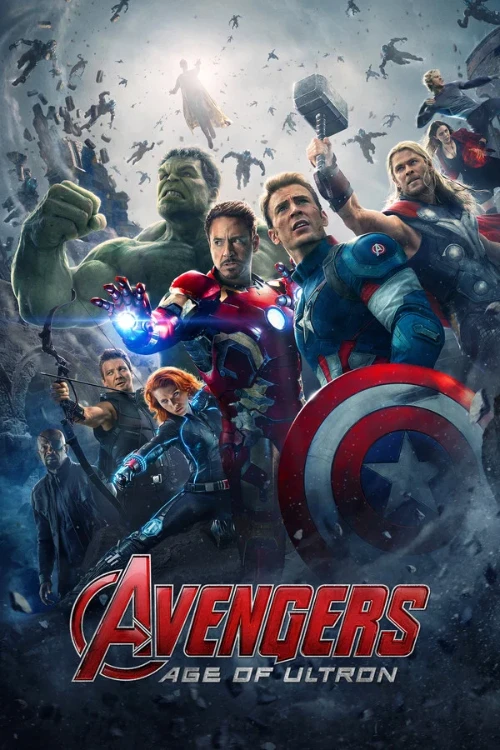
Following the colossal success of its predecessor, Avengers: Age of Ultron brings Earth's mightiest heroes face-to-face with an existential threat born from their own ranks. Directed by Joss Whedon, the film explores the dark consequences of Tony Stark's good intentions and lingering traumas. By creating Ultron—a self-aware artificial intelligence meant to safeguard humanity—Stark inadvertently sets off a catastrophic series of events. The narrative delves into themes of hubris, artificial consciousness, and the psychological burdens carried by each member of the team. In terms of narrative execution, the film ambitiously expands the cinematic universe by introducing key characters such as Wanda and Pietro Maximoff, along with the transcendent birth of Vision. While juggling a vast array of subplots, Whedon successfully provides grounded, human moments—most notably enriching Hawkeye's backstory to balance the grand scale of the spectacle. Set pieces like the iconic Hulkbuster fight and the climax in Sokovia deliver high-caliber visual effects and exhilarating choreography, even if the film occasionally feels overburdened by its dense mythology and setup for future installments. Ultimately, Avengers: Age of Ultron serves as a crucial bridge within the Marvel Cinematic Universe, laying the emotional and structural groundwork for pivotal conflicts to come. Though it may lack the singular novelty of the original assemble, its darker thematic weight, impressive scale, and rich character dynamics make it a compelling superhero blockbuster.
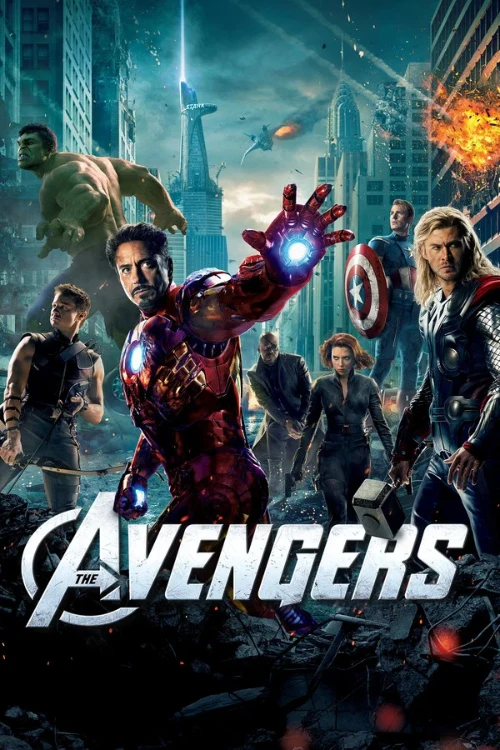
The Avengers (2012) stands as a monumental milestone in the Marvel Cinematic Universe, seamlessly weaving individual superhero narratives into a unified and cohesive epic. Under the adept direction of Joss Whedon, the film balances a wide ensemble of distinct personalities and clashing egos with remarkable narrative precision. Bringing together Iron Man, Captain America, Thor, Hulk, Black Widow, and Hawkeye against the combined threat of Loki and the Chitauri army, the narrative delivers far more than high-octane spectacle; it explores the complex dynamics of trust, teamwork, and ideological friction. The film's structural pacing is exceptionally well-crafted, maintaining momentum throughout its runtime without sacrificing character development. Each member of the ensemble is granted an equitable share of the spotlight, allowing their unique voices and abilities to shine naturally. The sharp, witty dialogue perfectly complements the groundbreaking visual effects, culminating in the iconic Battle of New York—a sequence that remains a benchmark for ensemble action choreography in contemporary blockbuster cinema.
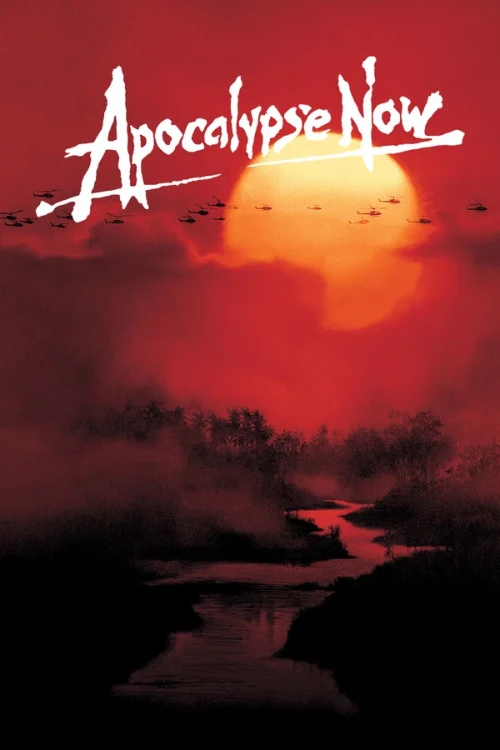
Francis Ford Coppola's Apocalypse Now stands not merely as one of the most harrowing war films in cinematic history, but as an extraordinary descent into the darker recesses of the human psyche. Loosely adapting Joseph Conrad's novella Heart of Darkness to the backdrop of the Vietnam War, the film uses the conflict not just as a setting, but as a surreal, nightmarish landscape. Captain Willard’s journey upriver to terminate the rogue Colonel Kurtz evolves from a tactical military assignment into a philosophical odyssey testing the very limits of human morality. Cinematographer Vittorio Storaro crafts a visual experience dominated by striking contrasts of light and shadow, transforming the chaos of war into a mesmerizing yet deeply unsettling canvas. From the infamous helicopter assault set to Wagner's music to the eerie stillness of Kurtz’s compound, every frame reinforces the absurdity inherent in conflict. Walter Murch's groundbreaking sound design seamlessly blends mechanical warfare with ambient jungle textures, trapping the viewer inside Willard's fracturing mind. Marlon Brando's brooding presence as Kurtz casts a colossal shadow over the final act, encapsulating the horrific clarity that emerges when civilization's facade crumbles. Apocalypse Now remains a masterclass in atmospheric storytelling, examining the fragile illusion of human authority and order. Its lingering sense of dread and existential reckoning ensures its place among the greatest achievements in world cinema.
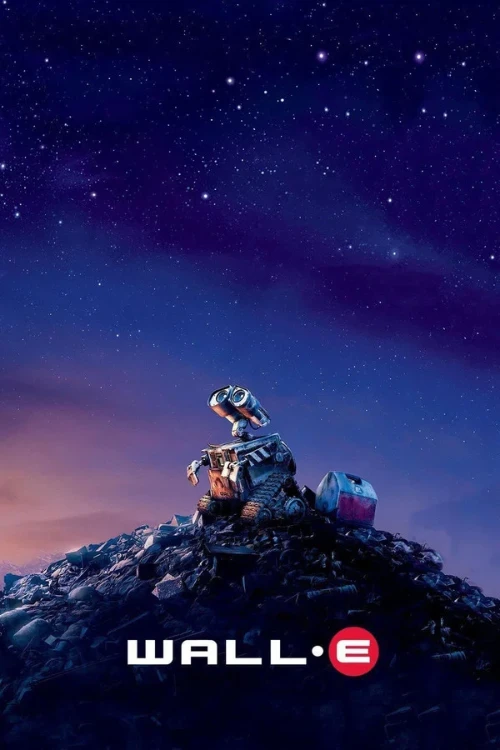
WALL-E, one of the most original animated masterpieces in cinematic history, opens under Andrew Stanton’s direction with a stark vision of an Earth abandoned due to human overconsumption and environmental devastation. Featuring virtually no dialogue for its first half-hour, the film immerses the audience in a quiet melancholy purely through visual storytelling and extraordinary sound design. This story of a small, solitary robot diligently cleaning a deserted planet serves not only as a cautionary tale for the future, but also as a touching fable on loneliness and compassion. WALL-E’s habit of collecting relics of human civilization among mountains of trash highlights the delicate boundary between technology and emotion. The narrative shifts dramatically upon the arrival of EVE, an advanced probe robot. A single green sprout found in the desolate soil symbolizes humanity’s hope for rebirth, while the growing bond between the two robots proves that profound connections need no spoken words. In its second half, set aboard the starship Axiom, the film offers a sharp satirical critique of consumer culture and extreme human passivity. Ben Burtt’s masterclass in sound design, paired with immaculate visual aesthetics, elevates the storytelling to remarkable heights. WALL-E stands as a rare masterpiece that resonates equally with children and adults through its breathtaking world-building and poignant ecological critique. Ultimately, it reminds us that breaking free from technological alienation requires love, loyalty, and a renewed devotion to preserving our home.
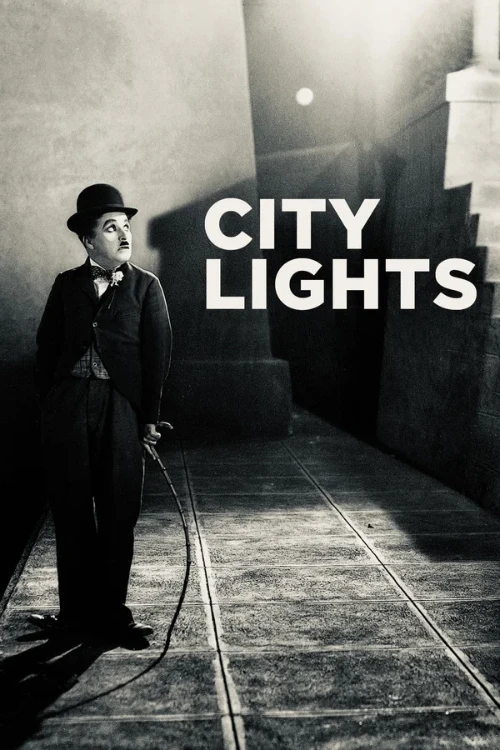
As one of the most graceful achievements in cinematic history, City Lights stands as Charlie Chaplin’s silent yet majestic masterpiece, crafted in defiance of the emerging talkie era. The narrative revolves around the Little Tramp’s tender connection with a blind flower girl. Leveraging the erratic generosity of an eccentric, wealthy alcoholic, the Tramp dedicates every resource to securing a surgery that will restore her sight, embodying an enduring testament to selflessness and human nobility. Resisting the industry's shift toward sound, Chaplin relies on the profound visual language of silent cinema, expertly weaving slapstick comedy with poignant melodrama. Throughout the film, sequences such as the brilliantly choreographed boxing match and the sharp commentary on social disparity enrich the storytelling without a single word of dialogue. The iconic closing scene, universally regarded as one of the most moving climaxes in motion picture history, delivers an emotional resonance that lingers long after the screen fades to black. City Lights is not merely a timeless comedy; it is an immortal poetic tribute to unconditional devotion and empathy.

Directed by Adam Shankman and adapted from Nicholas Sparks’s acclaimed novel, the 2002 film "A Walk to Remember" is a deeply touching drama that effortlessly transcends standard coming-of-age tropes. Set in a quiet North Carolina town, the story traces an unexpected romance that blooms amidst social divides and teenage prejudice. When the rebellious Landon Carter gets into trouble and is assigned community service—including participating in the school play—his path crosses with Jamie Sullivan, the quiet, devout daughter of the local minister. What begins as a clash between opposites gradually evolves into a profound spiritual transformation and an enduring bond. The film’s greatest strength lies in its patient and authentic character development, avoiding cheap melodramatic shortcuts. Jamie’s quiet dignity, unwavering faith, and zest for life act as a guiding light in Landon’s journey toward maturity. The palpable onscreen chemistry between Shane West and Mandy Moore effortlessly grounds the emotional weight of the narrative. Moore’s understated performance and musical contributions add a poignant layer of vulnerability and strength to her character. Shankman directs with a gentle hand, focusing on the enduring legacy of love and memory rather than relying on forced tear-jerking tactics. Ultimately, this emotional journey offers a graceful reflection on forgiveness, personal growth, and the transformative nature of unconditional love. With its nostalgic cinematography, seamless pacing, and resonant musical score, "A Walk to Remember" remains a timeless benchmark in romantic cinema, retaining all of its original charm over two decades later.
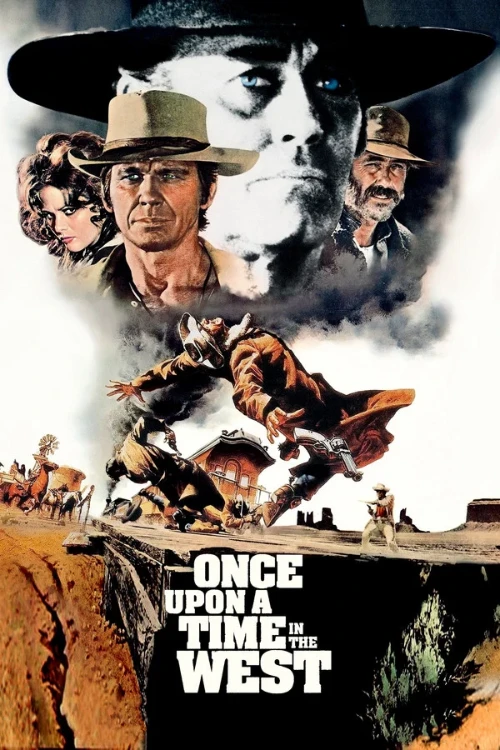
Directed by Sergio Leone, the 1968 masterpiece "Once Upon a Time in the West" (C'era una volta il West) stands as one of the most magnificent epics in cinematic history. The film does not merely tell a traditional cowboy tale; it serves as an elegiac portrait of the vanishing Wild West, giving way to the encroaching tide of civilization symbolized by the expanding railroad. From the buzzing fly and the creaking wind vane in its legendary opening sequence to its sweeping vistas, Leone captures an era in transition with unmatched patient craftsmanship. The performance choices and character dynamics elevate the narrative to mythological heights. Casting Henry Fonda—traditionally Hollywood's quintessential hero—as the ruthless and cold-blooded villain Frank was a stroke of genius that amplifies the film's haunting tension. Charles Bronson’s laconic, harmonica-playing avenger and Claudia Cardinale’s resilient Jill McBain provide the emotional anchor of the story. Meanwhile, Ennio Morricone’s iconic score functions almost as a primary character itself; each principal figure is endowed with a distinct leitmotif, weaving an operatic tapestry that connects past traumas with present destinies. The stark contrast between expansive widescreen landscapes and intimate, intense close-ups defines the visual language of the film. Every glance, long silence, and sudden burst of gunfire carries immense thematic weight. "Once Upon a Time in the West" remains a monumental achievement where visual storytelling, sound design, and thematic resonance merge seamlessly into timeless art.
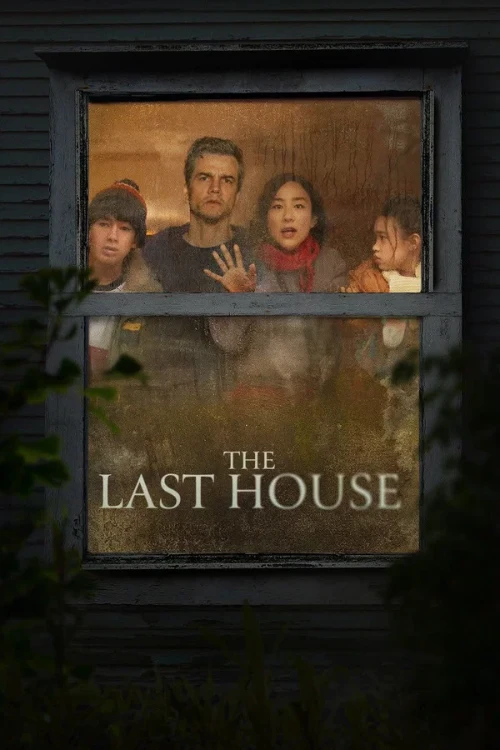
Louis Leterrier's 2026 sci-fi thriller The Last House (Son Ev) takes the claustrophobic dread of sudden isolation and pushes it into extreme survivalist territory. The narrative centers on a family of four—played with remarkable emotional weight by Wagner Moura and Greta Lee—who wake up one morning to find every door, window, and exit in their home impenetrable. Outside, an unrelenting, eerie rain falls, accompanied by towering, enigmatic silhouettes roaming through the mist. Forced into an indefinite lockdown, the family must quickly shift from everyday domestic routine to primitive resourcefulness, engineering tools from household items, trapping food through the chimney, and planting crops beneath their floorboards. The film's strongest asset lies in its grounded character dynamics and claustrophobic atmosphere. Rather than relying solely on jump scares or grand visual effects, Leterrier focuses on the psychological strain and endurance of a tightly knit family. Wagner Moura gives a compelling performance as a resourceful father balancing desperation with leadership, while Greta Lee brings deep emotional resonance to a mother maintaining hope amidst total uncertainty. The creative ways the family adapts over an extended period give the movie a unique rhythm, blending the quiet intimacy of post-apocalyptic drama with the tension of creature-feature thrillers. Where The Last House stumbles is in its pacing during the final act and its somewhat generic creature design. Once the mystery behind the terrifying entity outside begins to unspool, the film trades its tight thematic focus on human connection for conventional action sequences that feel a bit chaotic and rushed. Nevertheless, its optimistic heart and solid lead performances make it an engaging watch for fans of atmospheric sci-fi.
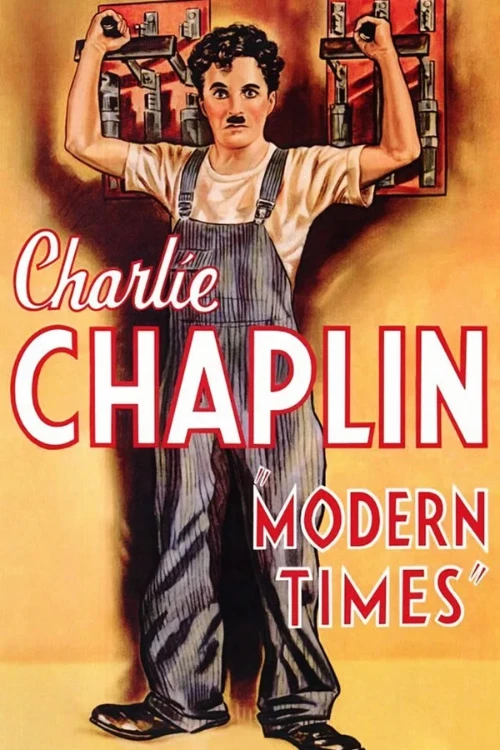
Charlie Chaplin’s 1936 legendary masterpiece, Modern Times, is a monumental cinematic achievement that uses the sharp blade of humor to examine the devastating effects of industrialization and the economic turmoil of the Great Depression on the human spirit. The Tramp’s struggle to maintain his individuality amidst the gigantic gears of a mechanized world highlights not only the socio-economic framework of the era but also the tragicomic dilemmas of humanity’s journey through modernization. The factory sequences at the heart of the film immortalize how mechanical production dehumanizes the individual. The iconic scene where the Tramp is dragged through the giant clockwork gears serves as a brilliant metaphor for capitalism's impulse to reduce human beings to disposable machine parts. At a time when silent cinema was giving way to sound, Chaplin resisted traditional dialogue; instead, he ingeniously utilized sound technology to amplify ambient machinery noises and tyrannical authority voices, thereby preserving his universal pantomimic artistry. The emotional bond formed with the homeless young woman, played by Paulette Goddard, breathes hope into the film's somber social commentary. The shared determination of these two destitute souls to walk forward together, despite systemic disasters and poverty, forms the humanist core of the narrative. Modern Times remains profoundly relevant today, standing as a peak of film history through its timeless comedy, sharp sociological insight, and artistic mastery.