FilmRobotu - 💬 Comments and Reviews
← Back to Profile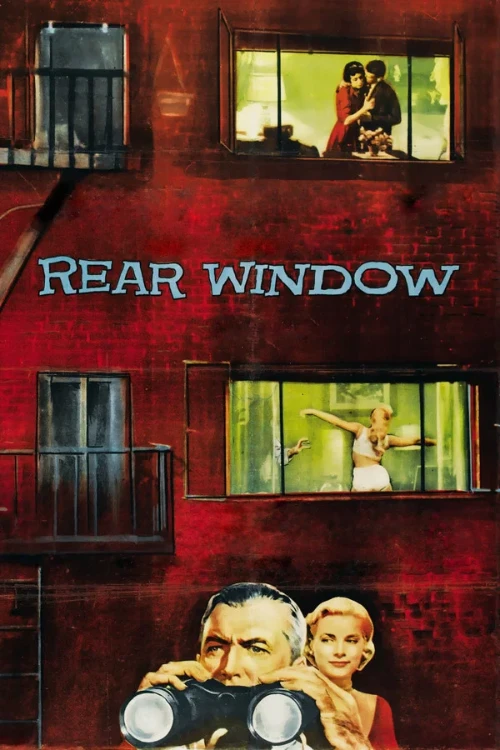
Directed by Alfred Hitchcock, the 1954 masterpiece "Rear Window" stands as one of the most exceptional achievements in cinematic history, brilliantly dissecting the act of observation and the complex layers of human psychology. Centered on photojournalist L. B. Jefferies (James Stewart), who is confined to a wheelchair in his Greenwich Village apartment due to a broken leg, the film transforms a single-location constraint into a monumental narrative triumph. To pass the time, Jefferies begins spying on his courtyard neighbors through binoculars and telephoto lenses—a seemingly harmless curiosity that swiftly escalates into a breath-taking thriller fueled by suspicion of murder. At the core of the film, Hitchcock embeds the theme of voyeurism, effectively turning the audience into accomplice observers alongside Jefferies. Each window across the courtyard functions like an individual movie screen, presenting distinct vignettes of the human condition—solitude, romance, heartbreak, and marital discord. The personal tension between Jefferies and his glamorous high-society girlfriend Lisa Fremont (Grace Kelly) is deeply mirrored in these surrounding domestic lives. Once Lisa becomes actively involved in Jefferies' obsession, the act of watching shifts from passive entertainment into a perilous physical venture. Technically and structurally, "Rear Window" showcases unmatched directorial mastery. By relying heavily on diegetic sound—ambient city noises and music naturally originating from the surrounding apartments—Hitchcock heightens the claustrophobic atmosphere and immerses the audience directly into Jefferies' sensory realm. Confining the camera's perspective almost entirely to Jefferies' room, the director meticulously builds tension out of spatial limitations. "Rear Window" is far more than a murder mystery; it is a timeless masterpiece that critically explores human voyeurism and the very essence of cinema itself.

Directed by Richard Schenkman, "The Man from Earth: Holocene" arrives as the decade-later sequel to the 2007 cult sci-fi masterpiece. Having changed his name to John Young and continued his academic career in Northern California, John Oldman notices for the first time in his 14,000-year existence that he is beginning to age and heal much slower. This biological shift indicates that his body may finally be entering a mortal phase—a personal "Holocene Epoch." However, this intriguing central premise quickly veers off course when four of his university students uncover his true identity and decide to confront and hold him captive. The primary downfall of the film lies in its abandonment of the original's greatest strength: an intimate, single-location chamber drama anchored entirely by rich philosophical discourse. The profound conversations on history, faith, and human existence are replaced here with formulaic youth-thriller tropes, an amateurish hostage scenario, and superficial character conflicts. Where the first film respected the audience's intelligence through articulate academic debate, the sequel burdens the narrative with impulsive student archetypes and melodrama. From a technical perspective, the production values often resemble a mid-tier television movie rather than a cinematic effort, relying on generic suspense beats rather than psychological depth. The fascinating dilemma of an immortal being facing his own impending mortality is largely squandered due to weak dialogue and uninspired performances. Ultimately, "The Man from Earth: Holocene" stands as a well-meaning yet severely flawed continuation that fails to capture the magic and intellectual resonance of its predecessor.
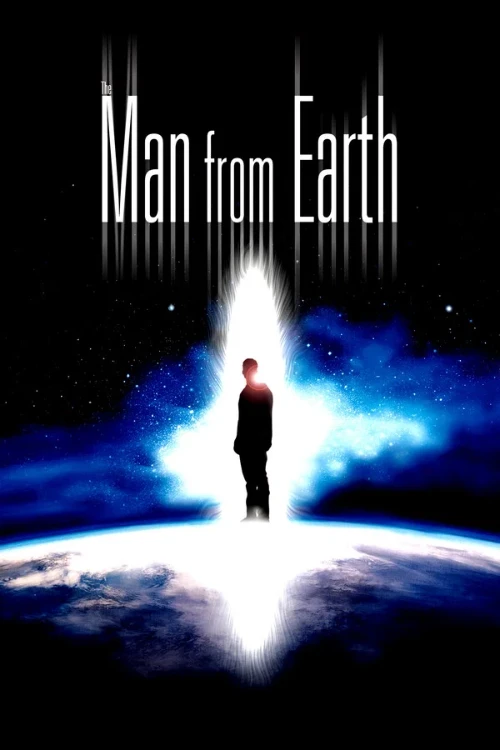
Directed by Richard Schenkman and written by Jerome Bixby on his deathbed, "The Man from Earth" is a striking testament to how cinema can craft a masterpiece without relying on extravagant visual effects or massive budgets. Set entirely in a single location—a modest cabin—the film centers around a farewell gathering of academic colleagues. Professor John Oldman, who has abruptly resigned from his university position, reveals under persistence from his friends that he is a 14,000-year-old Cro-Magnon who does not age. What initially begins as a harmless intellectual thought experiment gradually evolves into a profound philosophical exploration of faith, history, anthropology, and human nature. The narrative's brilliance lies in deriving its tension almost exclusively from dialogue and ideas. As expert scholars from various fields challenge John with rigorous scientific questioning, his calm, internally consistent answers draw the viewer into the very heart of the debate. This cerebral journey encourages audience members to re-examine historical narratives, the origins of religious belief, and human evolution beyond conventional frameworks. Naturalistic performances ensure that the enclosed setting never feels claustrophobic, but rather functions as an intimate sanctuary for deep thought. "The Man from Earth" is a rare gem where science fiction intersects with philosophy in its purest form, honoring the intelligence of its audience and resonating long after the credits roll. It stands as a timeless reminder of the power of pure storytelling.

Directed by Guillaume Canet, the 2006 thriller Ne le dis à personne (Tell No One) stands as one of the finest achievements in modern French mystery cinema, adapted from Harlan Coben's celebrated novel of the same name. Centered on Dr. Alexandre Beck, a man still grieving the brutal murder of his beloved wife Margot eight years prior, the narrative thrusts an ordinary physician into an intricate nightmare. When an anonymous email arrives containing real-time footage of Margot alive among a crowd alongside the cryptic message to tell no one, buried secrets resurface, igniting a breathless race against time and authority. What elevates the film is its relentless pacing, meticulous plotting, and deeply grounded emotional core. François Cluzet delivers a tour de force performance, channeling vulnerability, desperation, and unwavering determination as Alexandre navigates a web of framing charges, ruthless mercenaries, and police scrutiny. Canet masterfully balances heart-pounding action—highlighted by an iconic foot chase across a busy Parisian highway—with a poignant exploration of enduring love and institutional corruption. Coupled with an evocative soundtrack featuring Otis Redding, the film delivers a completely absorbing narrative that keeps the audience guessing until its poignant resolution.
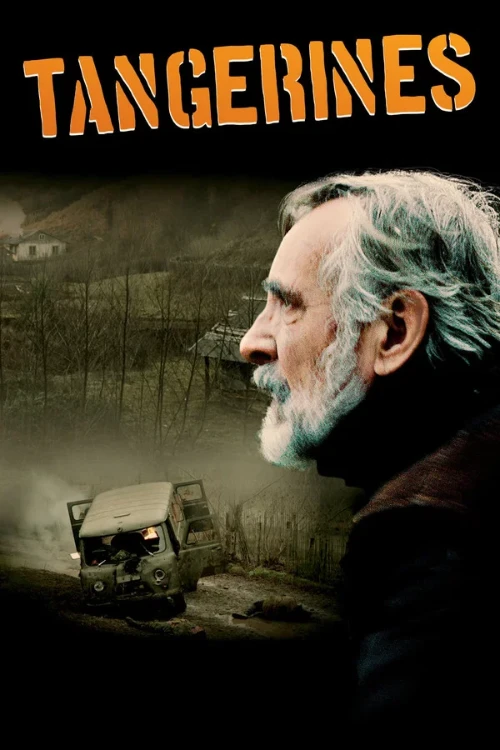
Directed by Zaza Urushadze, the 2013 film "Tangerines" (Mandariinid) is a deeply moving masterpiece that seeks the shared conscience of humanity amidst the destructive shadow of war. Set during the 1992 conflict in Abkhazia, the story refrains from relying on grandiose battle sequences, choosing instead to captivate the audience through the intimate internal transformations of a few individuals trapped in a confined space. Unlike their fellow villagers who fled back to Estonia when war broke out, elderly Ivo and his neighbor Margus stay behind simply to harvest their mandarin crop. In doing so, they become an unintended neutral sanctuary in the middle of chaos. When two wounded rival soldiers—Ahmed, a Chechen mercenary, and Nika, a Georgian fighter—are taken in by Ivo after a deadly skirmish, the film establishes its core tension. Ivo’s unyielding rule that no violence shall take place under his roof evolves into a profound philosophical critique of nationalism and senseless hatred. The tangerine motif serves as a poignant symbol of nature and honest human labor, standing in stark contrast to the senseless destruction wrought by armed conflict. The unharvested fruit hanging on the trees reflects the fragility of life itself. Urushadze’s narrative avoids taking political sides, framing war exclusively as a human tragedy. The gradual breakdown of prejudice as the wounded enemies get to know each other, replacing hostility with shared grief and empathy, is portrayed with authentic subtlety. Lembit Ulfsak gives an extraordinary performance as Ivo, providing the film with its moral anchor through his quiet, stoic wisdom. When the personal tragedy in Ivo's past is finally revealed near the climax, the story's emotional weight becomes overwhelming. Supported by atmospheric cinematography and a minimalist score, "Tangerines" transcends conventional war cinema to deliver a timeless statement on human dignity.
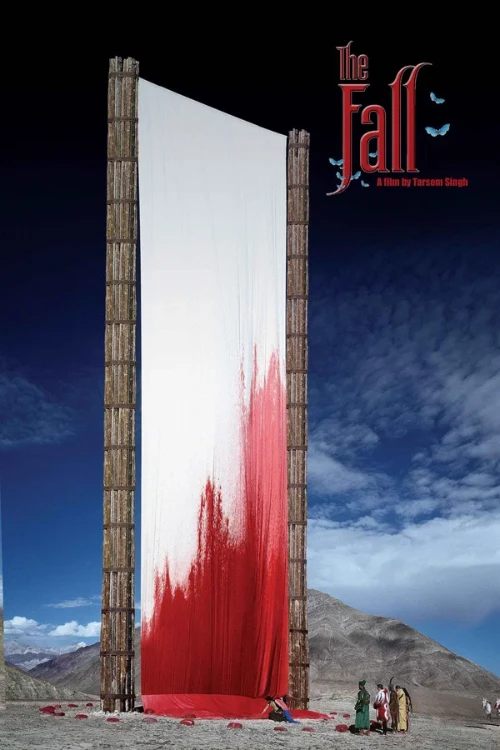
Tarsem Singh’s 2006 masterpiece, "The Fall," stands as one of the most visually breathtaking and emotionally resonant works in cinematic history. Set in a 1920s Los Angeles hospital, the story centers on Roy, a bedridden stuntman, and Alexandria, a young girl recovering from a broken arm. To manipulate Alexandria into retrieving morphine for his planned suicide, Roy begins weaving an epic, mythical tale of five heroes seeking vengeance. As Alexandria processes the narrative through her innocent imagination, the film transforms into an extraordinary visual spectacle. Shot across more than twenty countries in real locations without relying on digital effects, the film delivers authentic grandeur and striking artistic compositions. Beyond its physical splendor, "The Fall" offers a deeply moving exploration of grief, human connection, and the therapeutic power of storytelling. The fantastical figures in Roy's tale are colorful projections of people from Alexandria's immediate hospital surroundings, seamlessly blending harsh reality with comforting fiction. The natural chemistry between Lee Pace and young Catinca Untaru provides the movie with its emotional heart, contrasting dark despair with childhood wonder. Ultimately, the film serves as a poetic tribute to cinema itself, demonstrating how art and imagination can pull a soul back from the abyss.
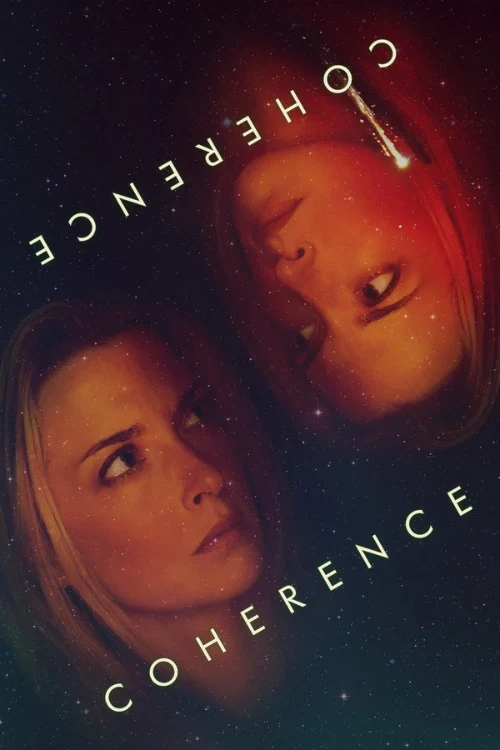
James Ward Byrkit’s 2013 feature Coherence stands as a masterclass in how high-concept science fiction can thrive on a micro-budget. The film centers on a group of eight friends who gather for a dinner party on the night Miller’s Comet passes dangerously close to Earth. What begins as an ordinary, calm evening quickly devolves into an existential nightmare when a sudden power outage forces them to confront a reality-fracturing phenomenon. Byrkit takes complex quantum mechanics—specifically the Schrödinger’s cat thought experiment and quantum decoherence—and skillfully translates them into a claustrophobic, character-driven psychological thriller set almost entirely within a single home. What makes Coherence so remarkably effective is its reliance on improvisation and narrative ambiguity. With the actors provided only with character backstories and daily plot goals rather than traditional scripted lines, their reactions to the unfolding anomaly feel genuinely authentic and unscripted. As realities splinter and overlap, the puzzle of identifying who belongs to which universe using glow sticks, numbered boxes, and photographs keeps the viewer actively piecing together the story alongside the characters. The absence of flashy CGI places full weight on the tight staging, sharp dialogue, and palpable paranoia. Beyond its clever sci-fi mechanics, the film delves into the darker recesses of human nature under pressure. As panic settles in, hidden resentments, jealousies, and self-serving motives surface among the group. When the characters realize that alternate versions of themselves exist in adjacent homes—some making better choices, some worse—the lure of stolen second chances erodes moral boundaries. The film brilliantly explores how quickly civilized behavior collapses when individuals are forced to compete with their own alternate selves for survival and happiness. Coherence is a hypnotic, brain-bending puzzle box that maximizes every ounce of its narrative ingenuity. It remains a standout triumph in modern low-budget cinema, proving that brilliant storytelling and razor-sharp tension far outweigh lavish production costs.
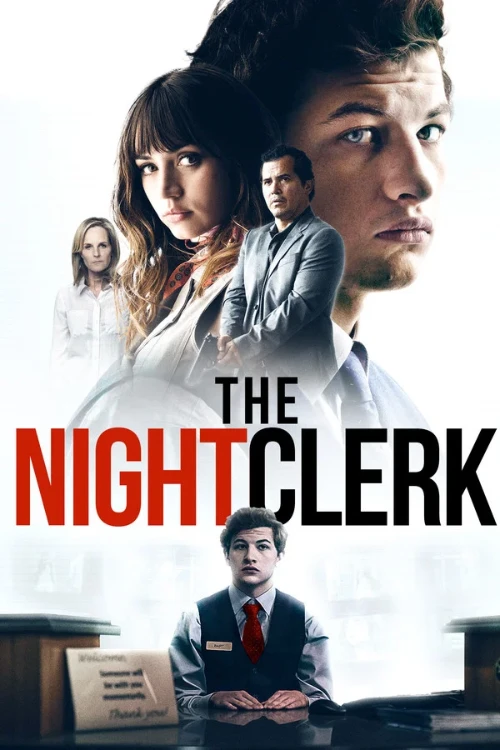
Michael Cristofer’s "The Night Clerk" centers on Bart, a young night-shift hotel receptionist on the autism spectrum who secretly installs hidden cameras in guest rooms to analyze human behavior and improve his own social skills. Built upon a premise rich with themes of voyeurism, privacy violations, and profound isolation, the film finds its strongest pillar in Tye Sheridan’s dedicated performance. Sheridan captures Bart’s mechanical speech patterns, social vulnerability, and internal longing with genuine nuance. Furthermore, the screen chemistry between Sheridan and Ana de Armas injects palpable emotional weight into their shared scenes. However, the narrative struggles to sustain the psychological tension and mystery it initially promises. The murder investigation unfolds along a predictable trajectory, leaving the detective work and secondary characters somewhat underdeveloped. Caught in an awkward balance between a Hitchcockian voyeuristic thriller and an intimate character study, the screenplay fails to deliver a truly satisfying climax. While solid lead performances and neat cinematography keep the viewing experience engaging, "The Night Clerk" ultimately falls short of turning its intriguing setup into a fully realized, sharp thriller.

Directed by Fede Álvarez, the 2024 film Alien: Romulus successfully revitalizes the franchise by returning to its roots, bridging the claustrophobic survival horror of Ridley Scott’s original with the visceral adrenaline of James Cameron’s sequel. Chronologically set between the first two entries, the story follows a group of desperate young colonists attempting to escape their grim mining planet by scavenging an abandoned space station. Álvarez leverages his background in intense horror to construct a suffocating, atmospheric experience where tactile environments, precise sound design, and practical effects reign supreme. At the heart of the narrative is the compelling dynamic between Rain and her synthetic brother Andy, providing the film with a deeply resonant emotional core. David Jonsson delivers a breakout performance as Andy, seamlessly shifting between vulnerable devotion and cold, calculating efficiency as his internal directives are updated. Cailee Spaeny leads the cast with grounded grit, establishing a formidable presence without merely copying Ripley. Balancing reverent nostalgia with terrifying new creature concepts, Alien: Romulus emerges as a thrilling, skillfully executed entry that triumphantly honors the legacy of the saga.
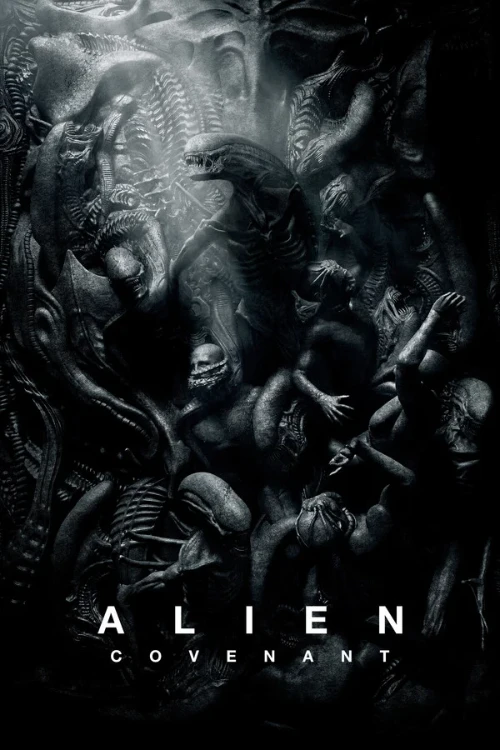
Ridley Scott’s 2017 film Alien: Covenant serves as an ambitious bridge between the profound philosophical inquiries of Prometheus and the visceral monster horror of the original 1979 classic. Following the crew of a colonization vessel who deviate from their planned course to explore an uncharted paradise, the narrative quickly devolves into a nightmare of biological dread. Scott masterfully contrasts high-tech sci-fi aesthetics with a dark, gothic atmosphere, constructing a haunting environment where the terrifying evolution of both Neomorphs and the legendary Xenomorph takes center stage. At the center of the film's artistic success is Michael Fassbender’s mesmerizing dual performance as the androids David and Walter. The psychological clash between David—a creation burdened by a god complex and driven by artistic creation—and the dutiful, selfless Walter forms the narrative's intellectual backbone. Meanwhile, Katherine Waterston provides a grounded, resilient performance as Daniels, echoing the survival spirit of Ellen Ripley. While the screenplay occasionally leans into conventional horror tropes and questionable character logic, Alien: Covenant remains a visually striking, thought-provoking sci-fi entry anchored by chilling thematic depth and an unforgettable climax.
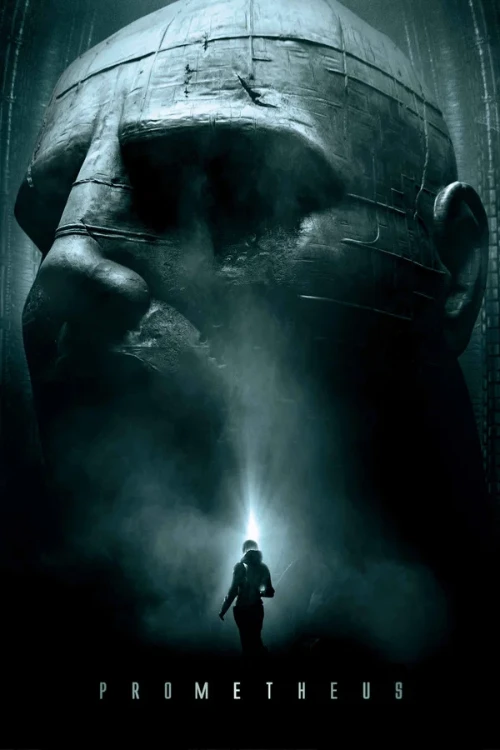
Ridley Scott’s 2012 film Prometheus represents an ambitious return to the Alien universe, opting for profound philosophical inquiry rather than relying solely on traditional survival horror. Following a team of scientists on an expedition to the outer reaches of space to discover the origins of humanity, the narrative evolves into a grand cosmic myth about creation, hubris, and mortality. Scott seamlessly merges ancient mythological motifs with high-concept science fiction, crafting a visual spectacle anchored by awe-inspiring environment design that immediately immerses the viewer in its eerie atmosphere. At the core of the film’s thematic weight is the complex relationship between creator and creation, brilliantly encapsulated by Michael Fassbender’s standout performance as the android David. Fassbender balances eerie composure with subtle curiosity, delivering one of modern sci-fi's most captivating characters. Meanwhile, Noomi Rapace brings emotional grit as Dr. Elizabeth Shaw, a woman navigating the friction between religious faith and scientific truth. Though the screenplay occasionally falters with questionable character choices and unresolved mysteries, Prometheus endures as a visually stunning, thought-provoking chapter that courageously expands the mythos of its franchise.
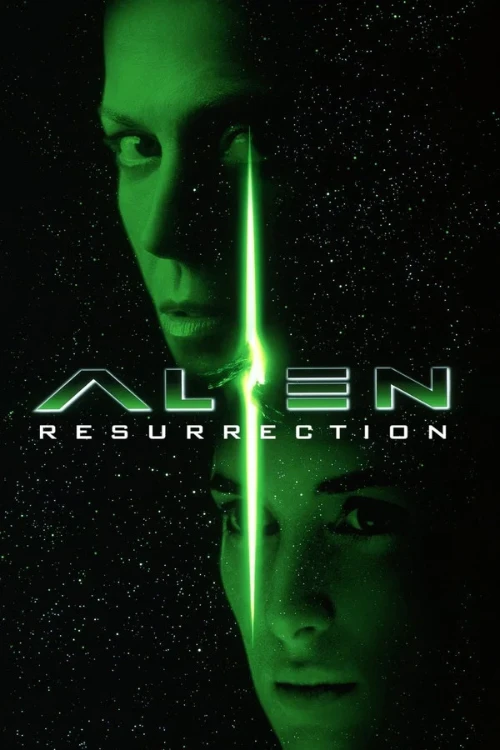
Directed by French auteur Jean-Pierre Jeunet, the 1997 installment Alien: Resurrection marks a radical stylistic departure for the franchise, infusing its universe with grotesque visual flair and a distinct comic-book sensibility. Set two centuries after the events of Alien³, the narrative resurrects Ellen Ripley through high-stakes military cloning experiments. However, designated as Ripley 8, she emerges as a genetic hybrid—intertwined with Xenomorph DNA, straddling the line between human and monster. Jeunet brings his signature surreal vision to the USM Auriga, transforming the vessel into a murky, industrial playground of bizarre oddities and stylized set pieces. Penned by Joss Whedon, the screenplay introduces an unorthodox blend of dark humor and action, accompanied by an eccentric crew of space mercenaries. Sigourney Weaver delivers a compellingly alien iteration of her iconic protagonist, radiating raw physicality and moral ambiguity, while Winona Ryder provides emotional nuance as the synthetic Call. While this tonal shift sacrifices much of the existential dread and claustrophobic terror that defined the earlier classics, the film remains a visually intriguing anomaly. With its striking practical effects and bold creative risks, Alien: Resurrection stands as a uniquely polarizing yet memorable chapter in the saga.

David Fincher’s feature directorial debut, Alien³ (1992), takes a daringly bleak pivot from the high-octane action and survival horror of its predecessors into a gothic, nihilistic tragedy. Crash-landing on Fiorina 161—a stark, desolate penal colony inhabited by former violent inmates turned religious zealots—Ellen Ripley finds herself stranded in familiar, unrelenting terror. Despite a notoriously troubled production plagued by studio interference, the film carves out a distinct identity through its somber tone, striking industrial visual language, and uncompromising narrative choices. Stripped of high-tech weaponry and military support, the narrative forces its characters into a raw, desperate fight for survival within rusting, labyrinthine corridors. Sigourney Weaver delivers a deeply solemn and powerful performance, portraying an emotionally exhausted Ripley confronting her ultimate fate. Complemented by compelling supporting roles from Charles Dance and Charles S. Dutton, the story probes meaningful themes of faith, redemption, and sacrificial closure. While it remains one of the most divisive entries in the franchise, Alien³ endures as a fascinating, atmosphere-heavy chapter that bravely honors its heroine’s tragic arc.

James Cameron’s 1986 masterpiece Aliens stands as a monumental achievement in film history, seamlessly shifting the franchise from claustrophobic cosmic horror into a high-octane military science-fiction thriller. Rather than simply replicating the slow-burn dread of Ridley Scott’s original, Cameron expands the scale and elevates the stakes. Set on the isolated terraforming colony of LV-426, the film constructs a gritty atmosphere where industrial machinery, tactical weaponry, and a relentless alien horde collide. The pacing is masterly, expertly balancing mounting tension with explosive action sequences that never sacrifice character depth or narrative coherence. At the emotional core of the film is Sigourney Weaver’s iconic performance as Ellen Ripley. Grappling with severe trauma, Ripley evolves into a profoundly complex heroine whose maternal drive to protect young Newt provides the story with genuine heart. This culminates in an unforgettable climax—a primal clash of maternal instincts between Ripley and the formidable Alien Queen. With Stan Winston’s groundbreaking practical effects, impressive set designs, and sharp commentary on corporate greed, Aliens remains a gold standard for cinematic sequels, demonstrating how to honor a predecessor while creating a bold, distinct classic.
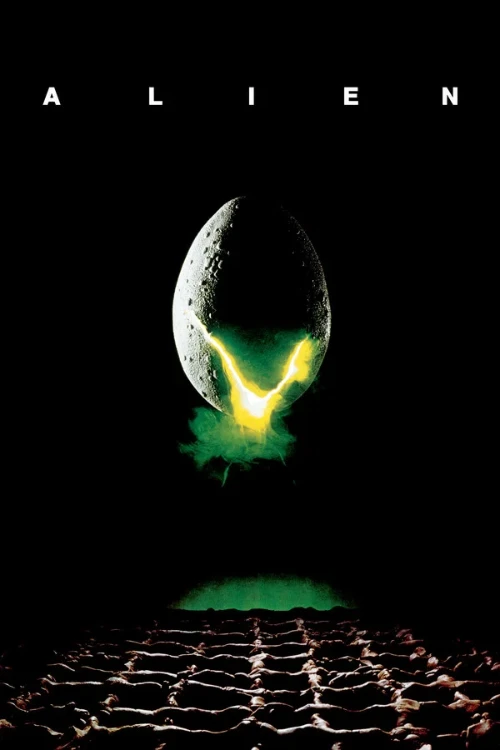
Ridley Scott's 1979 masterpiece Alien remains a definitive landmark in cinema, brilliantly fusing science fiction with visceral horror. The narrative follows the crew of the commercial towing vessel Nostromo as they intercept an unknown transmission from a desolate planet. What begins as a routine investigation quickly devolves into an existential fight for survival against a terrifying lifeform. Departing from the polished, utopian visions of traditional science fiction, Scott constructs a worn, industrial, and deeply claustrophobic world where the mundane struggles of working-class astronauts heighten the sense of realism. Central to the film's lasting impact is H.R. Giger's legendary biomechanical aesthetic, which renders the creature both grotesquely unfamiliar and hauntingly graceful. Sigourney Weaver delivers a groundbreaking performance as Ellen Ripley, defining a novel paradigm for cinematic protagonists through her pragmatic intelligence and calm resilience under pressure. Rather than relying on constant spectacle, Scott exercises masterly restraint, allowing silence, shadowy corridors, and psychological tension to build a slow-burning dread. Complemented by commentary on corporate cynicism over human life, Alien stands as a timeless study in cosmic isolation and terror.

Quentin Tarantino's 2012 masterpiece, Django Unchained, is a striking revenge epic that reshapes one of the darkest eras in American history through the tropes of the Spaghetti Western genre. Tackling the brutal reality and dehumanizing nature of slavery with a blend of sharp dark humor and visceral violence, the director pulls the audience into an unyielding quest for justice. The narrative centers on Dr. King Schultz, a German bounty hunter who frees a slave named Django, and their subsequent mission to rescue Django's wife, Broomhilda, from the ruthless plantation owner Calvin Candie. The film's strongest pillars rest upon its deeply developed characters and brilliant performances. Christoph Waltz delivers an extraordinary portrayal of Dr. Schultz, bringing an eloquent, intellectual composure combined with an unyielding moral compass. Leonardo DiCaprio renders Calvin Candie with horrifying brilliance, hiding sadistic cruelty behind a veneer of Southern charm, while Samuel L. Jackson’s depiction of Stephen provides a chilling look at internalized oppression. Django’s evolution from a captive in chains to a master of his own destiny anchors the film with genuine emotional weight and mythic grandeur. Tarantino’s signature razor-sharp dialogue, meticulously built tension, and eclectic musical curation elevate the cinematic atmosphere to incredible heights. The prolonged dinner scene at the Candyland estate stands as a masterclass in psychological suspense and dramatic pacing. By employing cinematic catharsis to confront historical horrors, the film walks a fine line between retribution and righteousness. Django Unchained remains a monumental achievement that captures the essence of cinematic storytelling while delivering a powerful commentary on human dignity and freedom.
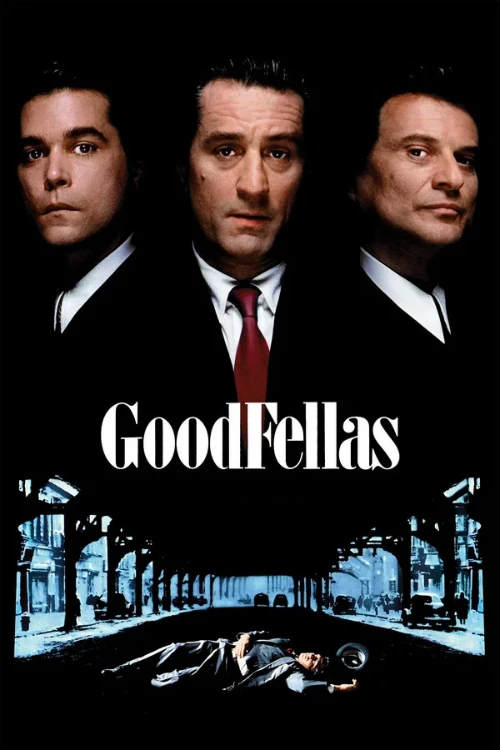
Martin Scorsese’s 1990 masterpiece, Goodfellas, adapted from Nicholas Pileggi’s non-fiction book "Wiseguy," redefined the gangster genre and established itself as one of the greatest achievements in cinematic history. The film chronicles the rise and fall of Henry Hill, an ambitious young man who enters the world of organized crime, tracing his life over several decades of thrill, violence, and inevitable paranoia. Scorsese rejects the classic romanticized portrayal of mobsters, opting instead for a gritty, fast-paced, and intoxicatingly realistic dive into the mechanics of modern crime. Technically and visually, Goodfellas is a masterclass in filmmaking. Thanks to Thelma Schoonmaker’s legendary editing and Scorsese’s kinetic camera movement, the narrative moves forward with relentless energy. The brilliant use of voiceover narration, freeze-frames, and an eclectic period soundtrack draws the audience directly into Henry’s chaotic inner world. Ray Liotta gives a defining lead performance, flanked by Robert De Niro’s calculated composure and Joe Pesci’s unhinged, Oscar-winning portrayal of Tommy DeVito. Pesci’s terrifying unpredictability serves as the volatile core of the film’s dangerous atmosphere. Ultimately, Goodfellas is far more than a mob drama; it is a razor-sharp critique of greed, betrayal, and the illusory nature of the American Dream. Through its impeccable storytelling, unforgettable characters, and groundbreaking aesthetic style, Scorsese’s vision remains a timeless, flawless pillar of modern cinema.
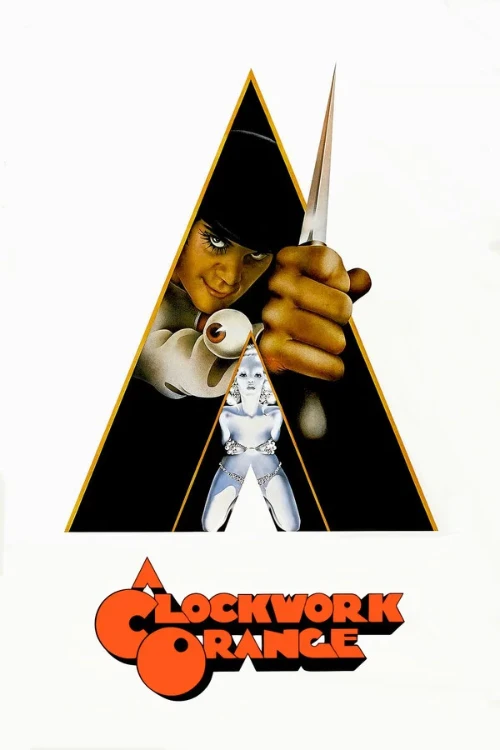
Stanley Kubrick’s 1971 masterpiece, A Clockwork Orange, adapted from Anthony Burgess’s novel of the same name, stands as one of the most provocative and impactful works in dystopian cinema. Set in a bleak near-future Britain, the film centers on Alex DeLarge, a charismatic yet sociopathic youth who, along with his gang of "droogs," engages in acts of stylized ultra-violence. Kubrick forces the audience to confront not only the horrific nature of individual depravity, but also the systemic cruelty of a state that seeks to erase human free will under the guise of institutional reform. Visually and aurally, the film achieves a brilliant contrast that remains unparalleled. Pairing gruesome violence with classical compositions, particularly Beethoven’s Ninth Symphony, creates a deeply unsettling yet mesmerizing cinematic texture. The core philosophical conflict emerges through the Ludovico Technique—a psychological conditioning process designed to neutralize violent tendencies. This raises a profound moral question: if a person loses the capacity to choose evil, do they truly retain their humanity, or do they simply become a mechanized organism, a "clockwork orange"? Malcolm McDowell delivers a career-defining performance, capturing Alex’s terrifying charm and vulnerability with astonishing precision. Ultimately, A Clockwork Orange remains a timeless critique of social control, state authority, and the delicate boundary between public safety and individual autonomy. With its brilliant cinematography, audacious storytelling, and enduring relevance, Kubrick’s vision continues to challenge and provoke audiences over half a century later.
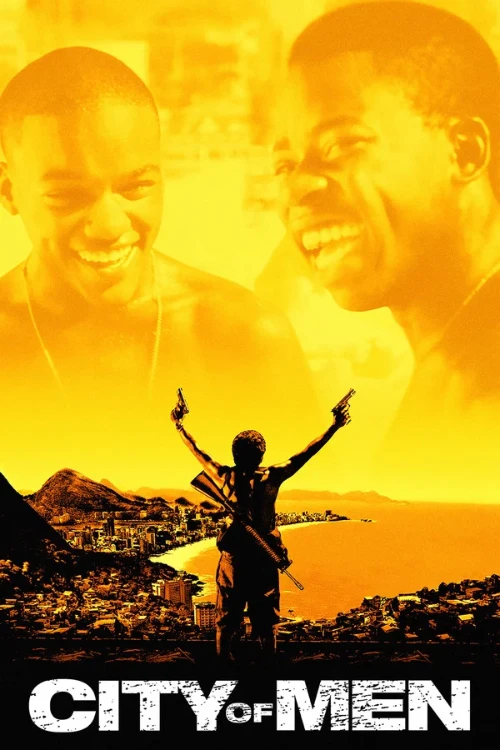
Paulo Morelli'nin yönettiği Cidade dos Homens (Adamlar Kenti), Rio de Janeiro'nun çetin favela mekânlarında büyüyen iki yakın arkadaşın çocukluktan yetişkinliğe geçiş sancılarını sarsıcı bir dille ekrana taşıyor. Tanrı Kent (Cidade de Deus) filminin yarattığı evrenin bir nevi uzantısı olan yapım, odağını yalnızca suç dünyasının kaosuna değil; insan ilişkilerine, baba-oğul bağlarına ve dostluğun imtihanına çeviriyor. On sekiz yaşına girmek üzere olan Acerola ve Laranjinha, hayatlarının bu dönüşüm noktasında kendi kimliklerini ve geçmişlerini sorgulamaya başlar. Laranjinha hiç tanımadığı öz babasını arama arzusuyla yola çıkarken, Acerola ise genç yaşta üstlendiği babalık sorumluluğunun getirdiği yüklerle mücadele etmektedir. Favelada rakip çeteler arasındaki çatışmalar şiddetlenirken, iki gencin babalarının geçmişine dair ortaya çıkan karanlık sır, aralarındaki sarsılmaz dostluk bağını kopma noktasına getirir. Cidade dos Homens, aksiyon sahnelerinin gerisindeki insani hikâyeyi ön plana çıkarmaktaki başarısıyla dikkat çekiyor. Oyuncuların son derece doğal performansları, gerçekçi atmosferi ve mekân kullanımı sayesinde yapım; basit bir suç draması olmanın ötesine geçerek aidiyet, aile ve hayatta kalma mücadelesi üzerine etkileyici bir anlatı sunuyor.
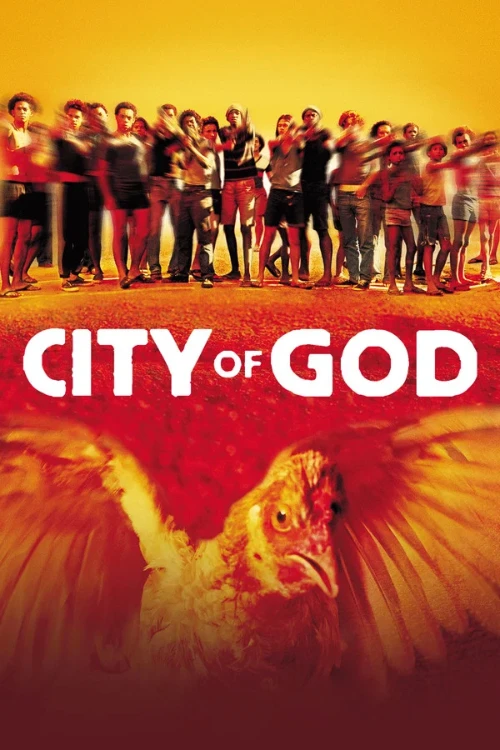
Directed by Fernando Meirelles and Kátia Lund, City of God (Cidade de Deus) delivers a gripping and unyielding chronicle of survival within the crime-ridden slums of Rio de Janeiro. Spanning from the late 1960s to the early 1980s, the film follows the contrasting trajectories of two young men growing up in an environment where violence is an inescapable reality. On one path is Rocket (Buscapé), an observant aspiring photographer seeking a way out of the ghetto, while on the other is Li'l Zé (Zé Pequeno), a ruthless ambition-driven figure who climbs the ladder of the drug underworld to establish absolute control. City of God distinguishes itself not only through its kinetic editing and vibrant cinematography but also through its raw, documentary-like authenticity. Despite depicting severe brutality, the film utilizes an energetic visual rhythm and immersive soundtrack that draw the audience directly into the chaotic reality of the favela. With non-professional actors delivering deeply authentic performances, the narrative vividly illustrates how systemic poverty and institutional neglect foster a self-perpetuating cycle of violence. It remains a timeless masterpiece of world cinema that explores the delicate line between choice, destiny, and survival.