FilmRobotu - 💬 Comments and Reviews
← Back to Profile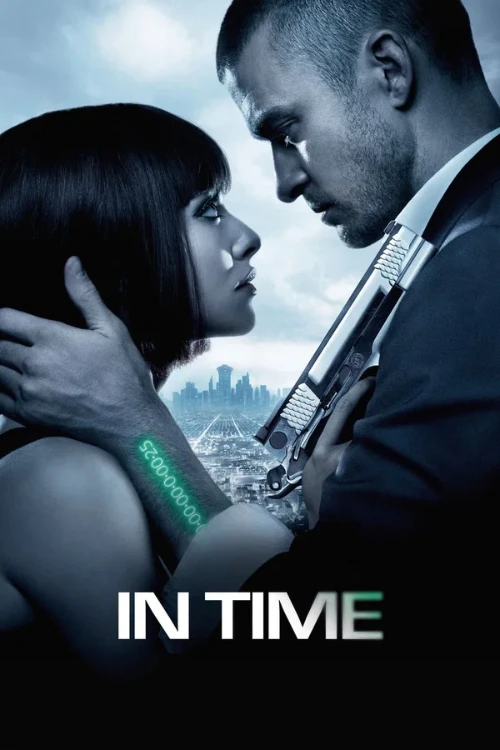
Directed and written by Andrew Niccol, the 2011 film "In Time" features one of the most inventive and intriguing concepts in modern science fiction. In a dystopian future where human aging stops at twenty-five and people must spend the time on their digital arm-clocks as currency, the phrase "time is money" literally comes to life. The film focuses on a stark critique of capitalism where the wealthy can remain young for centuries while the poor fight for seconds just to survive another day. The plot follows Will Salas, a young man from the slums, who rebels against this rigged system and becomes entangled in a high-stakes chase with the relentless Timekeepers. The strongest aspect of the movie is undoubtedly its brilliant premise and the philosophical questions it raises about inequality and mortality. However, the fascinating atmosphere and social commentary built in the first half gradually give way to a more conventional action and heist thriller in the second act. Evolving into a blend of Robin Hood and Bonnie and Clyde, the film falls slightly short of maximizing its profound narrative potential. Nevertheless, solid performances from Justin Timberlake, Amanda Seyfried, and especially Cillian Murphy as the captivating Timekeeper keep the story engaging throughout. The sleek production design and well-paced execution also contribute to a thoroughly entertaining experience. In conclusion, while "In Time" may not fully realize the grand potential of its core idea, its unique dystopian vision and brisk pacing make it a memorable entry in twenty-first-century sci-fi. It remains a compelling and highly enjoyable cinematic ride that holds up remarkably well.
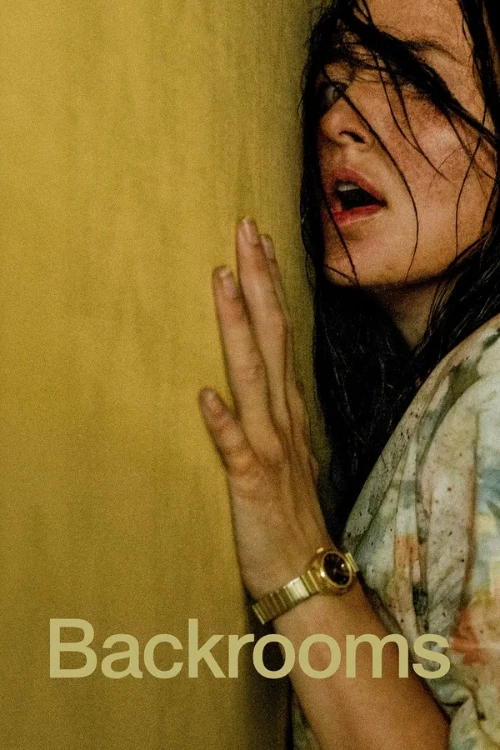
Adapted from one of the internet’s most recognizable creepypastas and expanded from his acclaimed YouTube series, director Kane Parsons makes his feature debut with "Backrooms." The film delves deep into surreal horror and psychological tension, leaning heavily into the unsettling nature of liminal spaces. Backed by grounded performances from Chiwetel Ejiofor and Renate Reinsve, the narrative effectively anchors its abstract concept around relatable human trauma and emotional isolation. The plot follows Clark, a struggling store owner who stumbles upon an entry point to a strange dimension beneath his furniture showroom, and Mary, his therapist who is pulled into the mystery. Rather than relying on standard jump scares, Parsons masterfully builds dread through atmosphere: buzzing fluorescent lights, endless yellow corridors, and distorted interior architecture. As the story unfolds and begins to demystify this uncanny realm, some of the initial enigmatic tension naturally diminishes. Nevertheless, the visual storytelling and sound design remain consistently impressive throughout its runtime. Ultimately, "Backrooms" succeeds as one of the most compelling feature adaptations of internet folklore to date. It delivers an eerie, thought-provoking journey for fans of psychological thrillers and atmospheric horror alike.
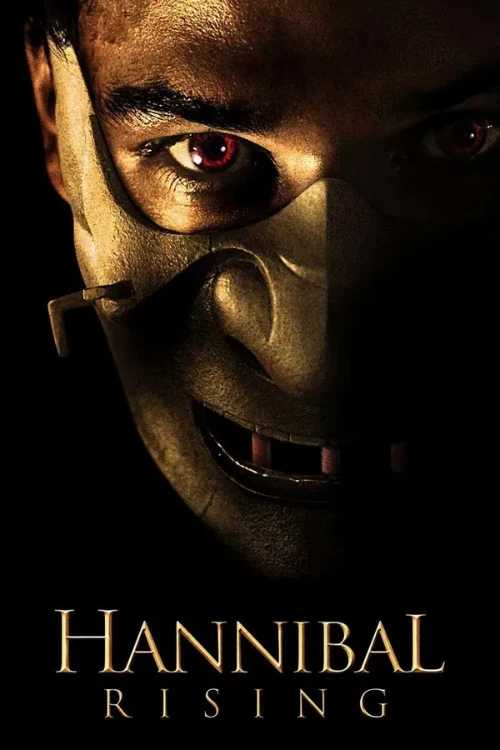
Directed by Peter Webber, the 2007 film "Hannibal Rising" explores the origins of the iconic Dr. Hannibal Lecter, tracing his descent into monstrousness back to his childhood and youth. Set against the traumatic backdrop of World War II, the story revolves around the horrific death of his young sister, Mischa, and the relentless quest for vengeance that follows. The narrative attempts to lift the veil on the personal tragedy that forged one of cinema's most terrifying minds. Gaspard Ulliel captures a cold, aristocratic, and unsettling presence as the young Hannibal, portraying the character's nascent cruelty with quiet intensity. Gong Li adds a touch of elegance and mystery as Lady Murasaki, infusing the film with Eastern aesthetics and samurai motifs. However, by explaining away Lecter's dark psyche through a standard revenge plot, the film risks demystifying the very ambiguity that made the character so iconic in the first place. While "Hannibal Rising" features solid cinematography and rich period set design, it falls short of the psychological brilliance established by its predecessors. By framing Lecter's cannibalistic turn as a tragic reaction to war atrocities, it delivers an entertaining yet relatively conventional period thriller rather than a deeply chilling psychological masterclass.
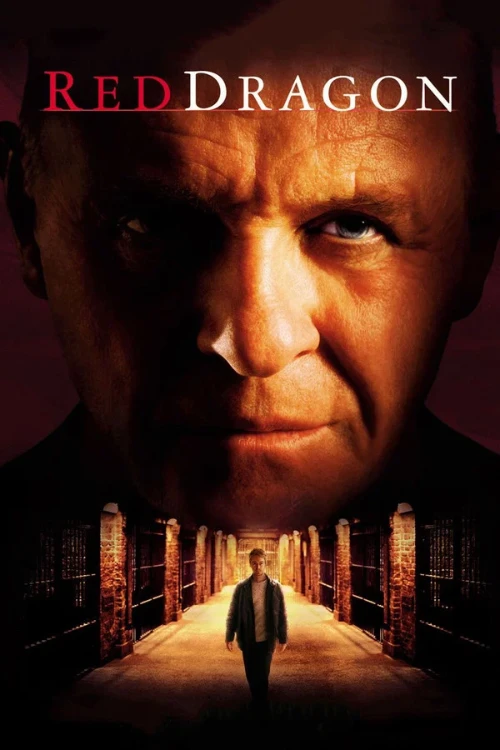
Directed by Brett Ratner, the 2002 film "Red Dragon" marks a compelling return to the origins of Thomas Harris’s universe and the mythos of Dr. Hannibal Lecter. Penned by Ted Tally—the screenwriter behind "The Silence of the Lambs"—the film takes audiences back to the beginning, detailing Lecter’s arrest and the psychological nightmares endured by gifted FBI profiler Will Graham. The narrative centers on a tense psychological game to apprehend a ruthless serial killer known as "The Tooth Fairy." Edward Norton convincingly portrays Will Graham’s profound empathetic ability along with the inner toll it takes on his psyche. Meanwhile, Ralph Fiennes delivers arguably the film’s standout performance as Francis Dolarhyde, brilliantly balancing the tragic vulnerability of a deeply traumatized human being with the terrifying malice of a monster. Anthony Hopkins effortlessly reclaims his signature role, bringing his usual cold intellect and charismatic presence to Lecter. Rather than leaning into Ridley Scott’s stylistic flair or Jonathan Demme’s claustrophobic horror, the film adopts a more traditional procedural structure that maintains a consistently eerie momentum. While it may not quite match the unassailable mastery of "The Silence of the Lambs," its stellar ensemble cast, tightly woven screenplay, and nuanced character studies make "Red Dragon" a thoroughly satisfying entry in the franchise.
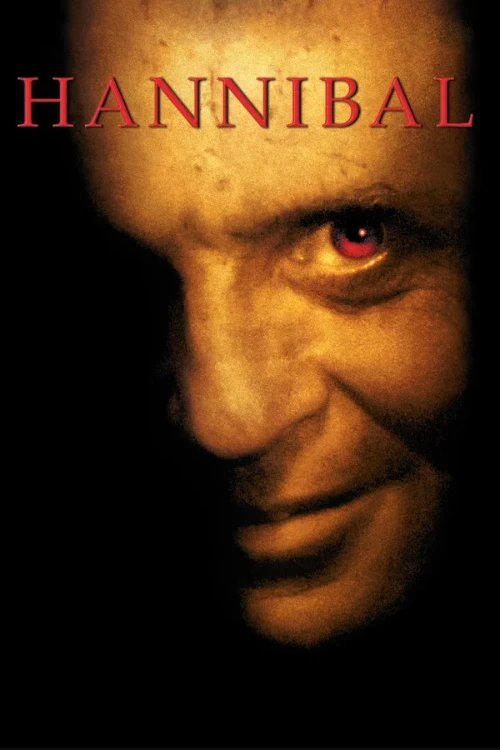
Directed by Ridley Scott, the 2001 film "Hannibal" brings one of cinema’s most iconic characters back to the big screen through a distinctly different aesthetic lens. Departing from the claustrophobic psychological tension of "The Silence of the Lambs," this installment shifts its focus toward the historic grandeur of Florence, baroque details, and an operatic sensibility. The uncanny balance Dr. Hannibal Lecter strikes between refinement and savagery becomes a visual feast under Scott’s masterful direction. Taking over the role of Clarice Starling from Jodie Foster, Julianne Moore brings a hardened, weary, yet resilient presence to the character. Anthony Hopkins remains mesmerizingly charismatic as Lecter, effortlessly commanding the screen once again. Gary Oldman, buried under unsettling prosthetics as the vengeful victim Mason Verger, adds a sinister layer of darkness to the narrative. Rather than matching the tight psychological depth of its predecessor, the film leans into visual splendor, poetic depictions of violence, and an intense game of cat and mouse. Supported by a rich score and stunning Italian cinematography, "Hannibal" stands out as an operatic revenge story rather than a pure psychological thriller.
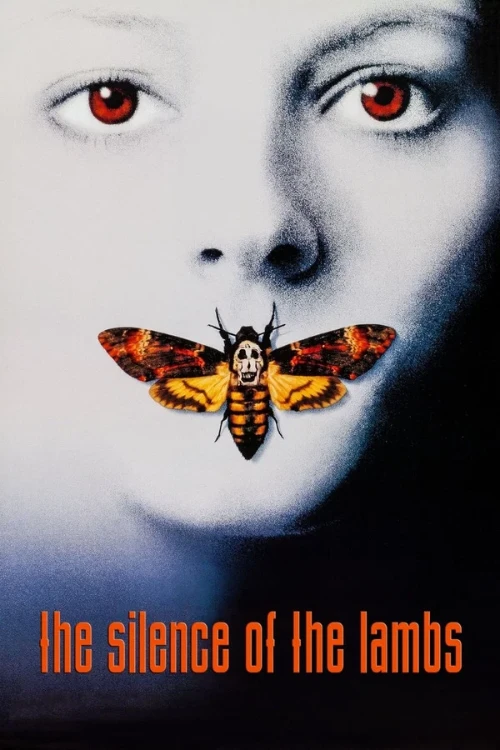
Directed by Jonathan Demme, the 1991 masterpiece "The Silence of the Lambs" stands as one of the most refined psychological thrillers in cinematic history. The film follows young FBI cadet Clarice Starling as she seeks the insights of the brilliant yet deeply disturbing cannibalistic psychiatrist Dr. Hannibal Lecter to catch a serial killer known as "Buffalo Bill." Demme’s masterful use of tight close-up camera angles pulls the audience directly into the claustrophobic mental landscape of its characters, creating an unsettling atmosphere of intimacy. Anthony Hopkins delivers an unforgettable performance as Dr. Hannibal Lecter; despite his limited screen time, his cold intelligence and commanding presence effortlessly dominate the screen. Jodie Foster balances him brilliantly by portraying Clarice Starling with an ideal mix of vulnerability, intellect, and sheer determination. Their psychological duel elevates every shared scene into a captivating study of power and manipulation. Coupled with a tightly constructed screenplay, the narrative deeply explores trauma, morality, and justice. "The Silence of the Lambs" remains an absolute triumph of storytelling, character development, and atmospheric tension.
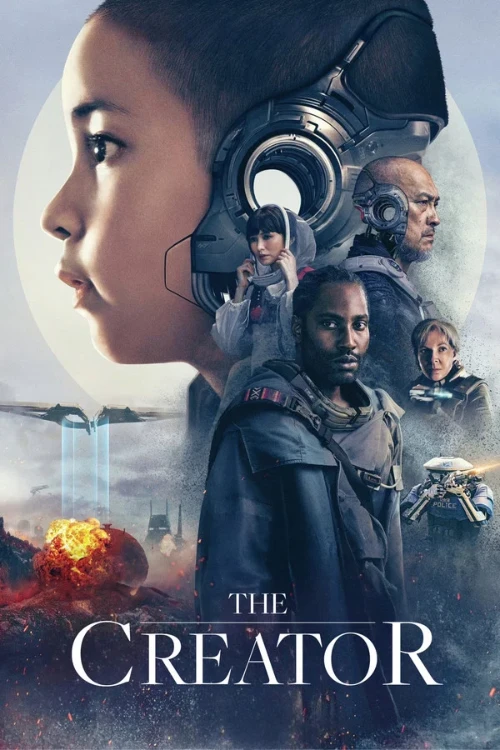
Directed by Gareth Edwards, The Creator explores whether artificial intelligence represents an existential threat or a natural evolution for humanity, set against a visually breathtaking backdrop. The film presents a fractured world where the Western hemisphere wages a relentless war against AI following a nuclear detonation in Los Angeles, while "New Asia" chooses coexistence. Edwards achieves an astonishing visual scale on a relatively modest budget by leaning into innovative production techniques. Shooting on real, tangible locations before layering seamlessly integrated visual effects creates a tactile sense of realism that elevates every frame alongside its evocative sound design. However, the narrative ambition struggles to fully keep pace with its technical brilliance. In probing what it means to be human in a machine-dominated age, the screenplay heavily borrows tropes from classics like Blade Runner, Akira, and Lone Wolf and Cub, rarely carving out its own distinct identity. Thinly written character motivations and a rushed second act occasionally undermine the emotional core of the journey. While the bond between Joshua and the child simulant Alphie generates moments of genuine warmth, the overly simplistic depiction of the opposing military forces dampens the film's philosophical potential. Nevertheless, its stunning cinematography and timely engagement with modern technological anxieties make it a compelling cinematic work.
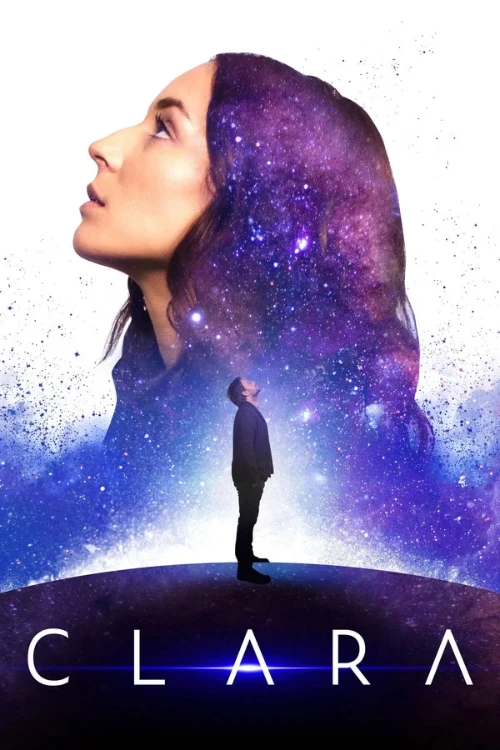
Directed by Akash Sherman, the 2018 film Clara distinguishes itself from the grand, visual-effects-heavy tropes of mainstream science fiction by focusing its lens on the depths of the human spirit and the vastness of the cosmos. The narrative follows Dr. Isaac Bruno, an obsessive astronomer consumed by personal grief who seeks purpose strictly through empirical data and the search for habitable exoplanets, and Clara, a nomadic artist who enters his life as a research assistant, viewing the world through an intuitive, artistic scope. As these two polar opposites collaborate on a hunt for distant worlds light-years away, their dynamic illustrates how scientific ambition and emotional vulnerability can harmoniously coalesce on a cosmic scale. One of the film's greatest strengths lies in its ability to take complex astronomical concepts and synthesize them with universal human experiences like love, loss, and existential solitude. The chemistry between Patrick J. Adams as the rigid, rationale-driven Isaac and Troian Bellisario as the free-spirited, enigmatic Clara feels deeply authentic, undoubtedly bolstered by the actors' real-life connection. The motion picture draws a poignant parallel between the cold, silent vacuum of outer space and the intricate, vulnerable pathways of the human heart, compelling the audience into a state of quiet contemplation. Technically, despite its modest budget, the film cleverly integrates real NASA and Hubble Telescope imagery with a minimalist visual aesthetic, establishing a serene and poetic atmosphere. The subtle musical score and sound design delicately mirror the characters' internal struggles and the majestic mystery of the universe. While the pacing occasionally slacks in the middle chapter and relies on a few predictable narrative beats, the film's emotionally resonant climax and its profound commentary on human connection far outweigh its minor shortcomings. Clara stands out as a graceful, thought-provoking independent sci-fi drama that honors both scientific truth and the intangible wonders of the soul.
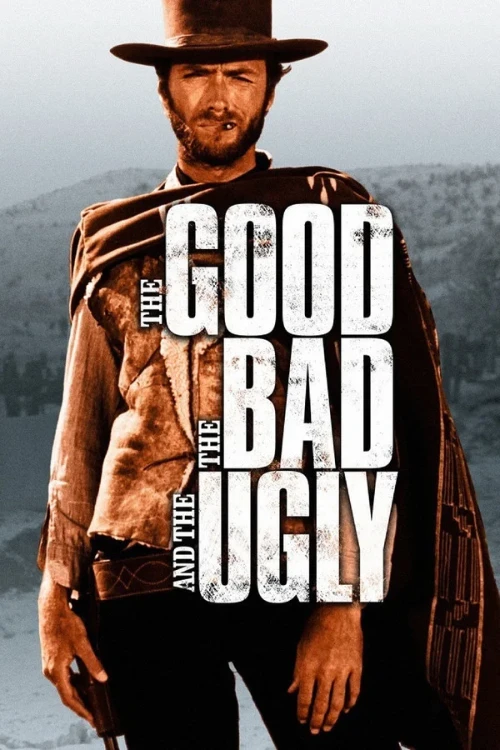
Directed by Sergio Leone, the 1966 masterpiece "The Good, the Bad and the Ugly" (Il buono, il brutto, il cattivo) serves as the grand culmination of the legendary Dollars Trilogy and one of the absolute pinnacles of cinematic history. Set against the chaotic backdrop of the American Civil War, the narrative follows three morally distinct yet equally desperate men—Blondie, "The Good" (Clint Eastwood); Angel Eyes, "The Bad" (Lee Van Cleef); and Tuco, "The Ugly" (Eli Wallach)—as they engage in a relentless, treacherous race to locate a buried fortune of Confederate gold. Leone elevates the Western framework far beyond standard genre tropes, transforming it into a sweeping historical epic about human greed, survival, and moral ambiguity. By contrasting the horror and futility of war with the personal obsessions of its three leads, the film offers a piercing critique of violence and motivation. The electric dynamic between Eastwood’s calculated calm, Wallach’s chaotic vitality, and Van Cleef’s cold malice creates an unforgettable narrative tension. Capped by the legendary three-way standoff at the Sad Hill Cemetery—seamlessly synchronized with Ennio Morricone’s immortal score "The Ecstasy of Gold"—the movie reaches an unparalleled height of visual and auditory tension. Ultimately, "The Good, the Bad and the Ugly" remains a timeless cinematic landmark of directorial perfection, iconic performances, and brilliant music.
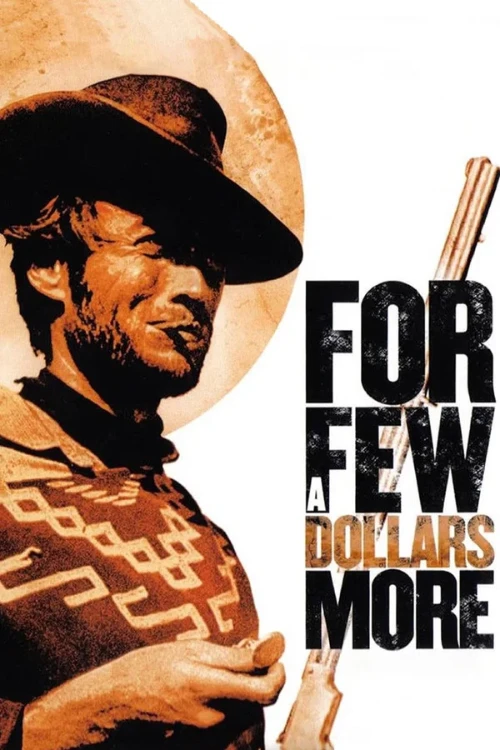
Directed by Sergio Leone, the 1965 classic "For a Few Dollars More" (Per qualche dollaro in più) stands as the impressive second installment of the iconic Dollars Trilogy. Elevating the Spaghetti Western blueprint established in its predecessor, the film expands both its narrative scope and emotional resonance through a compelling dual-protagonist structure. The story brings together two distinct bounty hunters: the young, pragmatic "Monco" (Clint Eastwood) and the calculated, experienced Colonel Douglas Mortimer (Lee Van Cleef), who join forces to track down the unhinged outlaw El Indio and his ruthless gang. The movie elevates standard bounty-hunting tropes into a sophisticated study of rivalry, honor, and personal retribution. The dynamic contrast between Eastwood's cool detachment and Van Cleef's hauntingly personal quest for vengeance adds rich layers of depth to the narrative. Ennio Morricone's legendary score becomes an integral storytelling device, highlighted by the hypnotic chime of a pocket watch that signals impending violence and uncovers hidden trauma. Leone's signature visual style—masterfully balancing sweeping panoramic vistas with intense, tight close-ups—creates an unmatched rhythm of suspense leading to one of the most memorable duels in cinematic history. Ultimately, "For a Few Dollars More" surpasses its origins by delivering a richer narrative, refined character arcs, and an unforgettable auditory landscape.
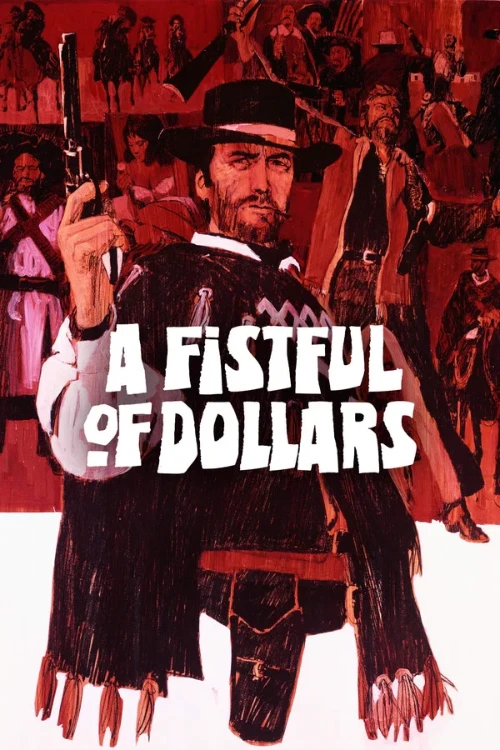
Directed by Sergio Leone, the 1964 cinematic classic "A Fistful of Dollars" (Per un pugno di dollari) serves as a foundational milestone that redefined the Western genre. Drawing inspiration from Akira Kurosawa's "Yojimbo," the story centers on a taciturn, nameless gunfighter who rides into a dusty border town torn apart by two rival smuggling factions: the Rojo brothers and the Baxter family. Brought to life by Clint Eastwood in a star-making performance, the "Man with No Name" shrewdly plays both families against one another for monetary gain and personal survival. The film boldly dismantles the sanitized, black-and-white moral code of traditional American Westerns, replacing it with a gritty, morally ambiguous atmosphere. Leone's directorial craft—characterized by extreme facial close-ups, wide sweeping landscapes, and deliberate pacing—creates immense visual tension. This stylistic identity is complemented by Ennio Morricone's iconic musical score, where whistling, acoustic guitar, and brass instruments elevate simple standoffs into mythic encounters. Though the protagonist appears ruthlessly self-interested, his subtle act of mercy toward a victimized family reveals a faint undercurrent of honor within a ruthless world. Ultimately, "A Fistful of Dollars" remains a masterclass in atmospheric storytelling, genre subversion, and cinematic iconography.
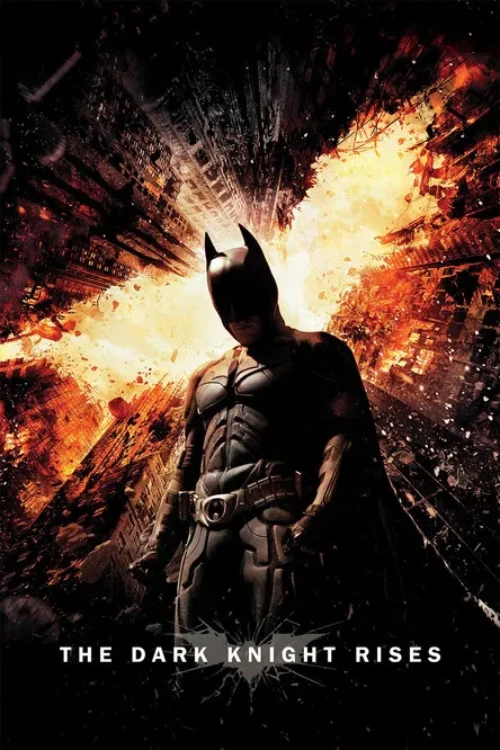
As the grand culmination of Christopher Nolan’s groundbreaking trilogy, "The Dark Knight Rises" elevates the superhero mythos into an epic saga of destruction, resilience, and rebirth. Eight years after taking the fall for Harvey Dent's crimes, a reclusive Bruce Wayne is forced out of retirement when Gotham City faces total annihilation at the hands of the ruthless terrorist Bane. Nolan expands the scope of his narrative beyond individual justice, weaving complex sociological themes of societal collapse, class warfare, and the illusion of revolution. The core strength of the film lies in Bruce Wayne's visceral journey from total physical and mental brokenness to spiritual resurrection. Tom Hardy delivers an imposing, physically dominant performance as Bane, providing Batman with a formidable adversary who dismantles both his body and his ideal. Anne Hathaway infuses the narrative with wit and agility as Selina Kyle, while stellar supporting performances from Michael Caine, Gary Oldman, and Joseph Gordon-Levitt anchor the film's emotional gravity. Coupled with Hans Zimmer's thunderous, chant-infused score and breathtaking IMAX cinematography, the film sustains an escalating sense of dread and triumph. In conclusion, "The Dark Knight Rises" delivers a satisfying, emotionally resonant, and colossal end to a legendary trilogy. Built on themes of sacrifice, hope, and the immortality of a symbol, it stands as a triumphant finale to one of the greatest cinematic achievements in modern filmmaking.
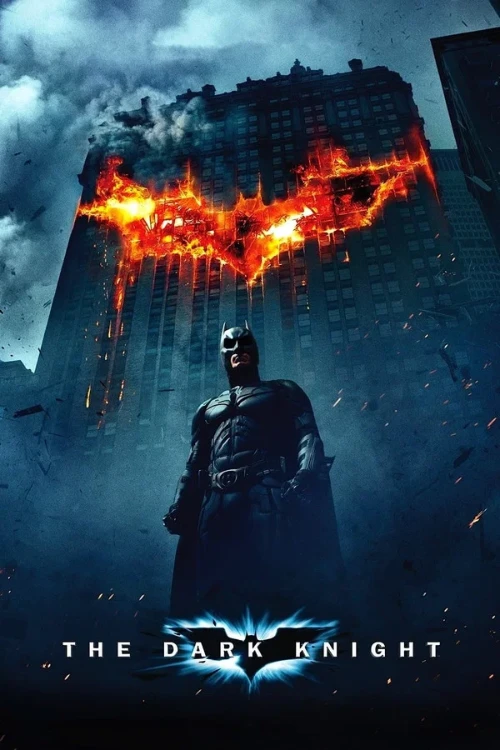
Christopher Nolan’s "The Dark Knight" transcends the boundaries of comic book adaptations to stand as one of the most accomplished crime sagas and psychological dramas in cinematic history. Set against the backdrop of Gotham City's fragile stability, the narrative follows Batman, Lieutenant Jim Gordon, and District Attorney Harvey Dent as their alliance is tested by the Joker—an agent of pure chaos. Nolan crafts a gripping narrative that shifts away from typical superhero tropes, diving instead into a profound exploration of escalation, morality, and the fragility of social order. At the heart of the film’s monumental success is the late Heath Ledger’s legendary performance as the Joker. Ledger presents an unsettling, force-of-nature antagonist whose motivations are untethered from conventional greed or power, thriving solely on destabilizing societal norms and forcing heroes into impossible moral compromises. Aaron Eckhart delivers a haunting depiction of Harvey Dent's tragic downfall, while Christian Bale anchors the story with a grounded, burdened portrayal of Bruce Wayne, who must accept becoming a villain in the eyes of the public to preserve hope. From a technical perspective, the film is a masterclass in filmmaking. Wally Pfister’s stunning IMAX cinematography gives Gotham a tactile, atmospheric presence, while the nerve-shredding score by Hans Zimmer and James Newton Howard amplifies every moment of tension. Coupled with seamless practical effects, razor-sharp dialogue, and relentless pacing, "The Dark Knight" remains an unchallenged masterpiece of modern cinema. In conclusion, "The Dark Knight" is a cinematic triumph that elevates its source material into a timeless epic of light, dark, and the choices that define humanity.
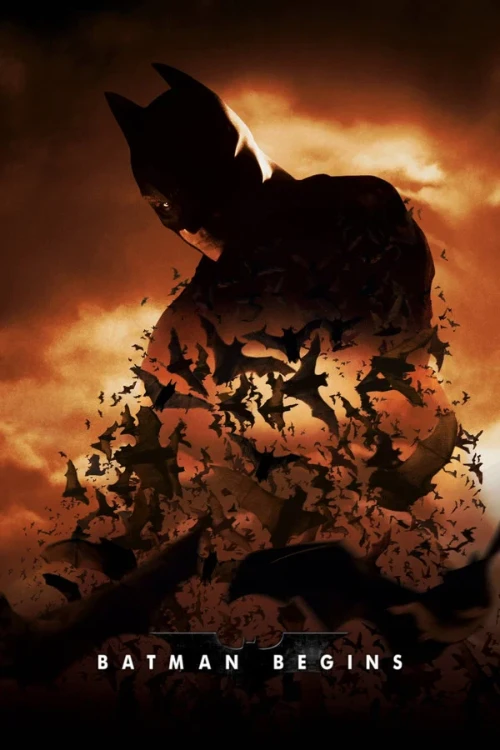
Christopher Nolan’s "Batman Begins" stands as a defining watershed in comic book adaptations, effectively re-engineering the superhero genre with a grounded, dark, and deeply psychological narrative. Rather than relying on immediate spectacle, the film meticulously explores Bruce Wayne's tragic origins, illustrating how childhood trauma and intense fear are reshaped into an instrument of justice for Gotham City. Nolan constructs a realistic world where believable motivations drive every narrative decision, supported by a sharp screenplay co-written with David S. Goyer. What truly elevates the film is its compelling character study and atmospheric world-building. Gotham City feels less like a fictional backdrop and more like a decaying, living entity dominated by systemic corruption. Christian Bale delivers a masterful performance, effortlessly balancing the grief-stricken orphan, the deceptive playboy persona, and the imposing vigilante. Complemented by the hauntingly heroic score from Hans Zimmer and James Newton Howard, the film delves into profound themes of fear, redemption, and moral duality. In conclusion, "Batman Begins" remains one of the most cohesive and influential origin stories in modern cinema. Through its patient storytelling, outstanding ensemble cast, and visionary direction, it sets an enduring gold standard for cinematic revivals.
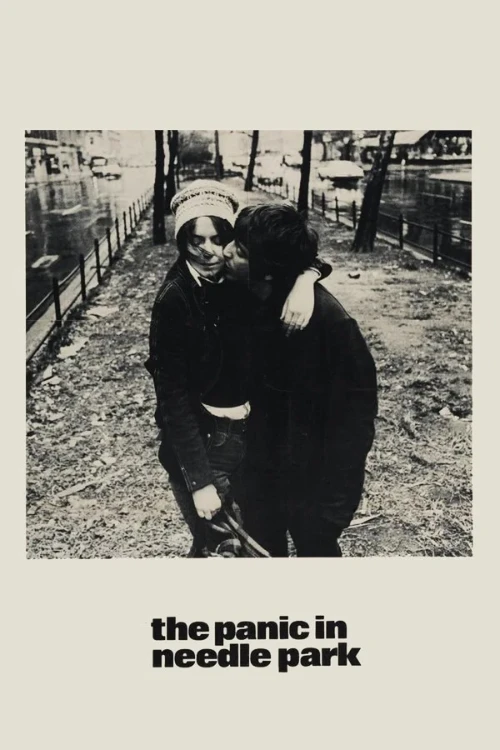
Directed by Jerry Schatzberg, "The Panic in Needle Park" (1971) stands as a gritty, unflinching portrait of heroin addiction set against the bleak urban landscape of New York City. Penned by Joan Didion and John Gregory Dunne, the screenplay intentionally shuns melodrama and romanticized tragedy, presenting an uncompromisingly realistic character study instead. Centered around Sherman Square—dubbed "Needle Park"—the narrative explores a desperate subculture spiraling into moral decay, particularly when a sudden supply shortage ("panic") hits the streets. Marking Al Pacino's first leading role in a feature film, his performance as Bobby offers an early glimpse of his magnetic screen presence. Pacino effortlessly captures the dual nature of a charming yet utterly doomed young man navigating rock bottom. Opposite him, Kitty Winn delivers a remarkably nuanced, Cannes-winning performance as Helen, tracing the heartbreaking erosion of an innocent soul drawn into a codependent vortex. Their dynamic is less a conventional romance and more a mutual descent into isolation. Atmospherically, the film embodies the raw aesthetic of the 1970s New Hollywood movement. Schatzberg's background in photography shines through the naturalistic framing, while the deliberate absence of a dramatic musical score allows the ambient sounds of the city to dictate the psychological tension. The movie refrains from preachy moralizing, opting instead for an intimate, documentary-like gaze into human vulnerability.
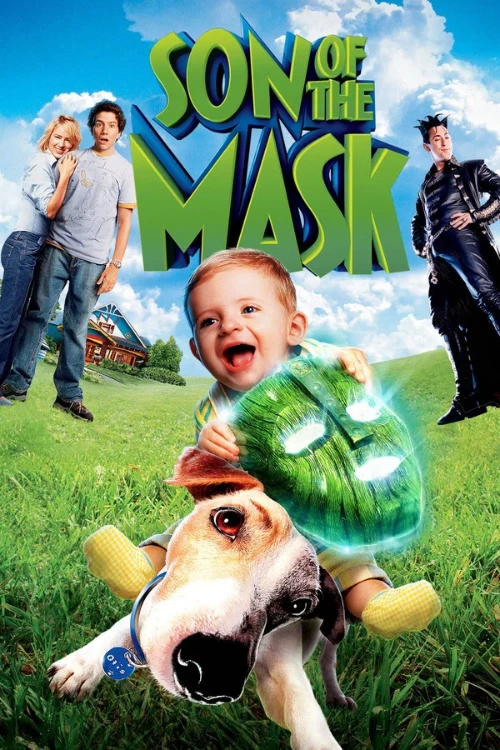
Directed by Lawrence Guterman, the 2005 release Son of the Mask stands as one of the most unfortunate sequels in cinematic history. The unique comedic sensibility and dynamic physical acting that Jim Carrey brought to the original film are completely lost here, replaced instead by chaotic visual excesses and awkward execution. Leading actor Jamie Kennedy fails to command the screen or capture any of the energetic charm that defined the 1994 classic. The film's fatal flaw lies in its overwhelming reliance on uncanny and exhausting computer-generated imagery. Sequences involving the hyper-animated infant and dog lean more into disturbing visual territory rather than genuine laughter. While the inclusion of Norse mythology and the character of Loki offers a slight narrative pivot, it ultimately fails to salvage a cluttered script that lacks a clear target audience. Stripped of the original's heart, Son of the Mask remains a jarringly uninspired viewing experience.
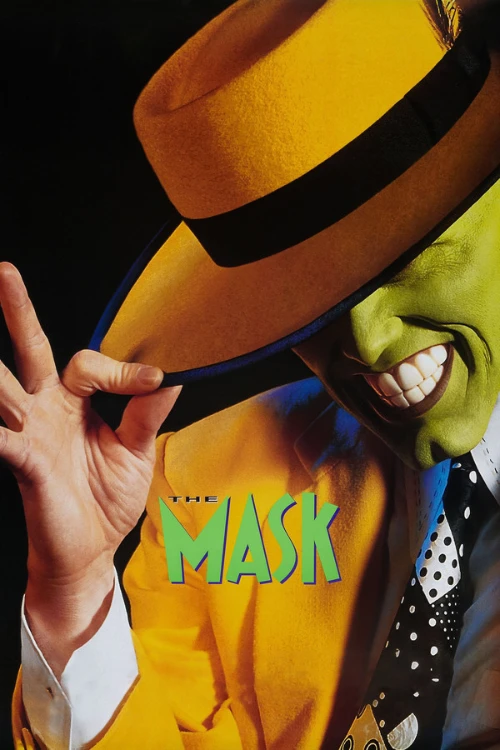
Directed by Chuck Russell, the 1994 cinematic staple The Mask stands as one of the most iconic fantasy-comedy films of its decade. Following Stanley Ipkiss, a timid bank clerk whose mundane existence changes drastically after discovering an ancient wooden mask that releases his inner repressed desires, the movie seamlessly fuses slapstick humor with groundbreaking visual effects. Jim Carrey delivers a career-defining performance, utilizing his unrivaled physical prowess and kinetic charisma to bring the cartoonish protagonist to life. The sharp contrast between Stanley's muted everyday life and The Mask's chaotic, vibrant persona captures the nostalgic energy of classic Tex Avery animation. Complemented by Cameron Diaz's striking screen debut and stylish set design, the film remains an exceptionally entertaining classic that continues to hold up brilliantly today.
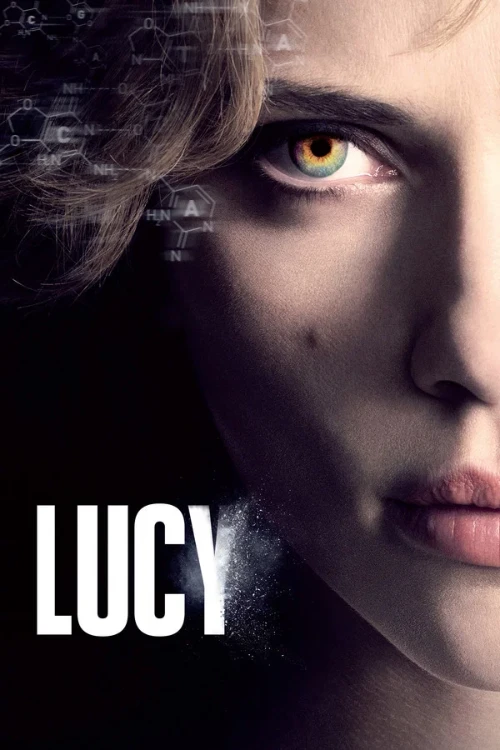
Luc Besson’s 2014 sci-fi action film "Lucy" takes the popular yet scientifically debunked myth that humans only utilize ten percent of their brain capacity and turns it into a high-octane visual spectacle. The story follows an ordinary woman in Taipei who is forced into working as a drug mule. When an experimental synthetic substance leaks into her bloodstream, she undergoes a rapid evolutionary shift that unlocks her mind's full cerebral potential, transforming her fight for survival into a quest for total knowledge. Scarlett Johansson delivers a compelling performance, convincingly portraying Lucy’s shift from a terrified victim to an emotionless, omnipotent entity. Morgan Freeman adds authority to the film’s theoretical foundation as Professor Norman, while Choi Min-sik provides a stark, ruthless contrast as the main antagonist. Besson utilizes dynamic editing, natural history stock footage, and striking visual effects to blend time and space into an inventive sequence of action pieces. However, the film’s primary flaw lies in how it sacrifices thematic depth for blockbuster pacing. As Lucy transcends her physical and emotional human constraints, it becomes increasingly difficult for the audience to maintain an emotional connection with her journey. Despite its narrative oversimplifications, "Lucy" remains an engaging, stylish, and entertaining cinematic ride.
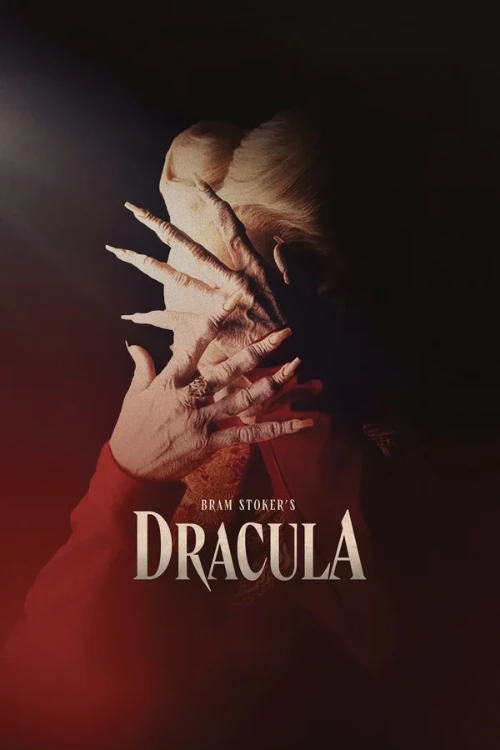
Francis Ford Coppola’s 1992 film Bram Stoker's Dracula stands as one of the most mesmerizing gothic romance achievements in cinematic history. Rather than presenting the legendary vampire myth solely as a horror tale, the narrative transforms it into a poignant tragedy woven with love, faith, and eternal damnation. Coppola deliberately favored traditional in-camera visual effects, shadow plays, and practical illusions over emerging digital techniques, lending the film a rich, operatic quality. Eiko Ishioka’s visionary costume design paired with Wojciech Kilar’s haunting score further elevates this poetic and dark universe. Gary Oldman delivers a masterful portrayal of Count Dracula, seamlessly shifting from an imposing monster to a grief-stricken lover. His performance captures the profound agony and timeless solitude of the character with impressive depth. Supported by compelling performances from Winona Ryder and Anthony Hopkins, the film turns a traditional tale of terror into a lavish study of human longing and immortal devotion. With its distinctive style and theatrical atmosphere, it remains an unquestionable milestone of gothic cinema.
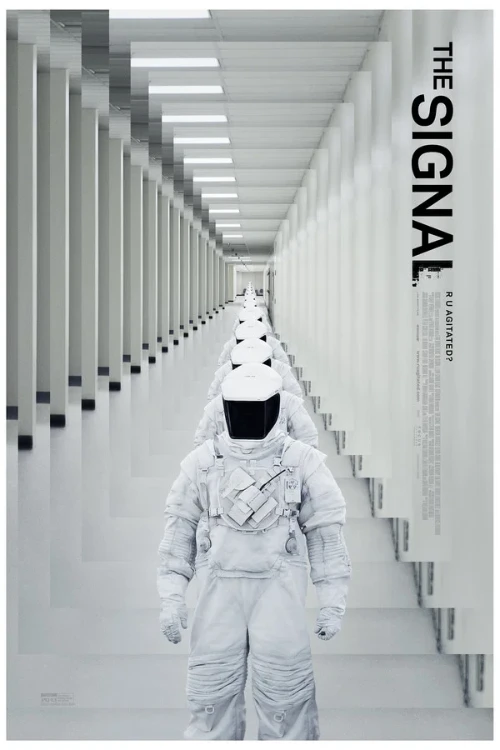
Directed by William Eubank, the 2014 film The Signal is an intriguing indie sci-fi thriller that maximizes its modest budget through striking visual craftsmanship and atmospheric tension. The narrative follows three college students tracking a rival hacker across the country, only to find themselves trapped in an isolated, sterile research facility after a mysterious blackout. What begins as a grounded road-trip mystery rapidly devolves into a claustrophobic psychological thriller that challenges the viewer's perception of reality. Eubank’s eye for cinematography—characterized by clinical white hallways, deliberate slow-motion shots, and tight framing—effectively conveys the protagonist Nic’s sense of isolation and disorientation. The film's strength lies in its ability to keep the audience as uninformed as the main character, maintaining a constant state of suspense as the true nature of the environment and characters is slowly unveiled. However, the screenplay occasionally struggles to match the height of its visual ambition. The sudden shift toward high-concept sci-fi action in the final act somewhat diminishes the grounded psychological depth established earlier on. Nevertheless, its exploration of cybernetic enhancement, human resilience, and simulated reality gives the film a distinct identity. While The Signal may not deliver a completely flawless narrative structure, its visual flair, tense atmosphere, and mind-bending twist make it a worthwhile watch for fans of stylistic science fiction.