FilmRobotu - 💬 Comments and Reviews
← Back to Profile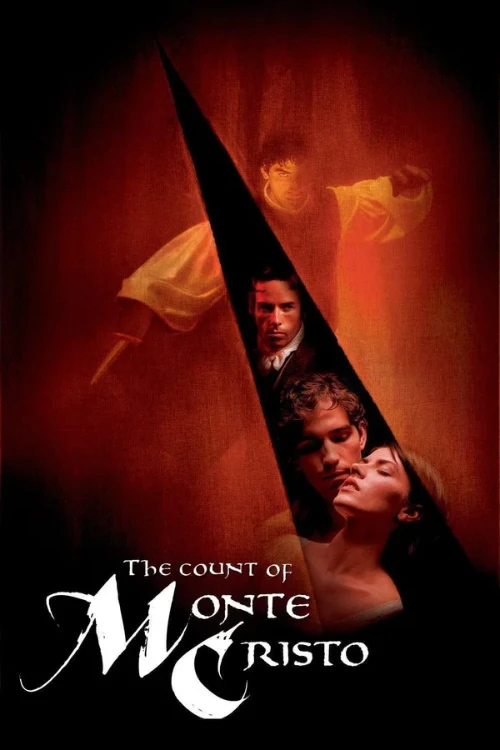
Kevin Reynolds’ 2002 adaptation of Alexandre Dumas’ classic novel, The Count of Monte Cristo, stands as one of the most engaging and accessible revenge epics in modern cinema. The story follows Edmond Dantès, a naive and honest sailor who is falsely accused of treason due to the jealousy of his close friend Fernand Mondego. Imprisoned in the grim Château d'If, Dantès undergoes a profound transformation under the mentorship of Abbé Faria, eventually escaping to claim a hidden fortune and reinvent himself as the enigmatic and vengeful Count of Monte Cristo. What makes this adaptation particularly compelling is its balance between high-stakes adventure and emotional resonance. Jim Caviezel delivers a grounded, compelling performance as Dantès, perfectly capturing his evolution from an innocent young man to a cold, calculating mastermind. Guy Pearce provides a deliciously villainous foil as Mondego, oozing arrogance and malice. While purists of Dumas’ work may point out the narrative simplifications and Hollywood-style streamlining, the film's crisp pacing, sharp dialogue, lush production design, and satisfying thematic payoff render it an enduring favorite of the swashbuckler genre.
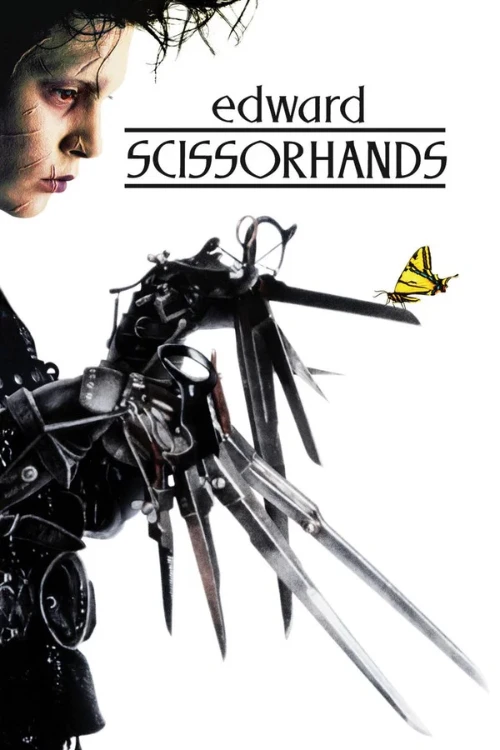
Tim Burton’s masterpiece, Edward Scissorhands, stands as an enchanting modern fairy tale that brilliantly contrasts gothic aesthetics with the pastel-hued conformity of American suburbia. The story of an unfinished creation with sharp scissors for hands trying to find his place in society is as emotionally resonant as it is visually captivating. Brought down from his isolated castle into the heart of suburban routine, Edward is initially celebrated for his extraordinary artistic talents, only for the community's conditional warmth to quickly dissolve into suspicion and fear. At its core, the narrative serves as a poignant critique of how society exploits uniqueness before ultimately rejecting it. Johnny Depp gives a masterclass in subtlety, conveying Edward’s profound innocence and tragic isolation almost entirely through his expressive eyes and gentle body language. Supported by Winona Ryder’s empathetic presence and Danny Elfman’s hauntingly ethereal score, the film balances tragic romance with a sharp examination of human hypocrisy. It remains a timeless, poetic exploration of vulnerability and the fragile nature of acceptance.
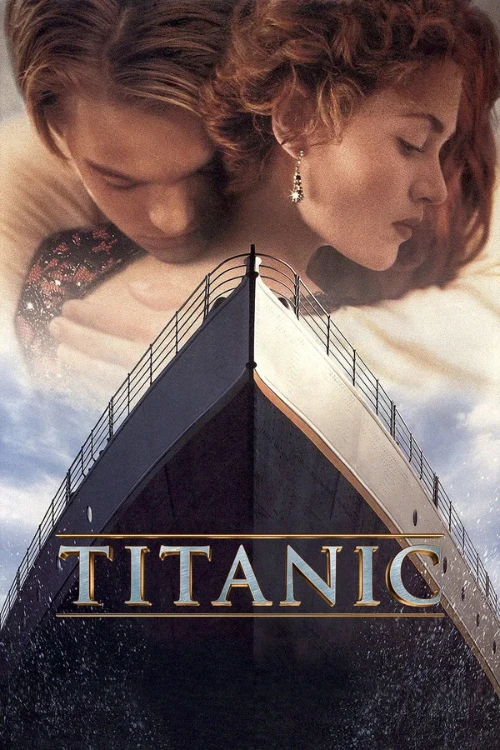
James Cameron's 1997 masterpiece, Titanic, stands as one of the most majestic and unforgettable epics in cinematic history. The film masterfully intertwines the tragic maiden voyage of a vessel symbolizing human technological hubris with a sweeping love story that transcends rigid class boundaries. The dynamic between Jack and Rose serves not merely as a romantic refuge, but as a poignant critique of early 20th-century social hierarchies and systemic constraints. Beyond its groundbreaking visual effects and meticulously detailed period design, the film's true resonance lies in its emotional depth. James Horner’s haunting score strikes a flawless balance between the opulent splendor of the ship and the inevitable gloom of catastrophe. As the waters rise and time contracts, sweeping camera pans and dramatic angles plunge the viewer into an atmosphere of helpless desperation. Titanic remains a masterclass in how visual scale and narrative intimacy can harmonize into timeless filmmaking.
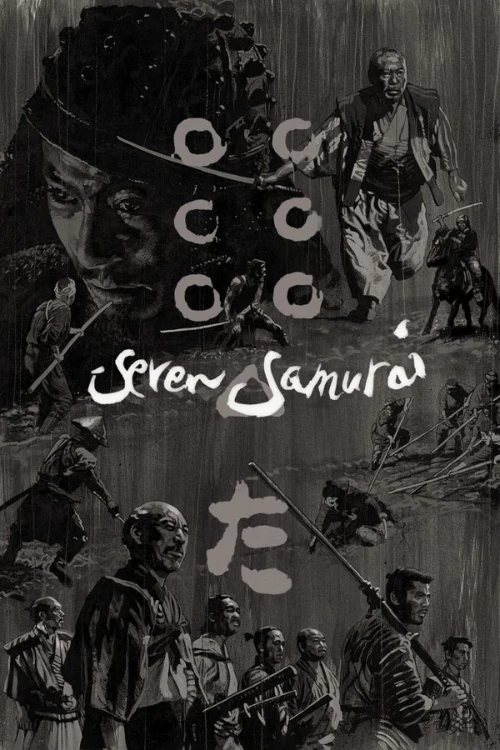
Akira Kurosawa’s 1954 masterpiece, Seven Samurai (Shichinin no Samurai), stands as one of the most monumental achievements not only in Japanese cinema, but in global film history. The narrative centers on a desperate village of farmers repeatedly victimized by bandits, who pool their limited resources to hire seven masterless samurai for protection. While appearing on the surface to be a straightforward tale of defense, Kurosawa transforms this premise into a profound exploration of human nature, class division, and the cost of sacrifice. Cinematographically, the film maintains a flawless balance between visceral action and intimate human drama. Kurosawa’s pioneering multi-camera setup, combined with his brilliant integration of natural elements like sweeping wind and torrential rain, imparts a kinetic rhythm to the visual storytelling. The climactic battle in the mud remains one of cinema's most harrowing and authentic depictions of chaotic warfare. Furthermore, the interplay between Takashi Shimura’s composed, wise leadership as Kambei and Toshiro Mifune’s volcanic, tragic performance as Kikuchiyo gives the narrative its powerful emotional anchor. Ultimately, the film concludes on a bittersweet note, acknowledging that despite the tactical victory, it is the bound farmers—not the fallen samurai—who truly endure. Seven Samurai remains a timeless cornerstone of the seventh art, defined by its flawless pacing, deep character development, and narrative resonance.
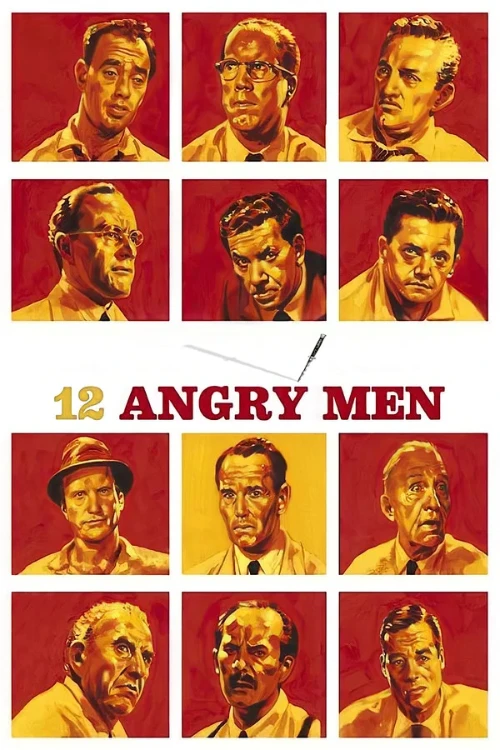
Sidney Lumet's 1957 masterpiece, "12 Angry Men," stands as one of the most compelling chamber dramas in cinema history. Centered on the deliberation process of twelve jurors tasked with deciding the fate of a young man accused of murdering his father, the film masterfully explores the intricate nature of justice and human psychology. In an atmosphere where the case initially appears open-and-shut and a guilty verdict seems inevitable, Juror 8 introduces a reasonable doubt that triggers a tense intellectual and moral struggle. Lumet’s brilliant use of claustrophobic camera angles and increasingly tight shot framing mirrors the suffocating heat of the room, forcing the audience to feel the mounting pressure alongside the characters. Beyond a simple legal investigation, the film serves as a profound character study where societal prejudices, personal traumas, and class biases are laid bare. Driven by Reginald Rose's razor-sharp screenplay, each juror's background and temperament emerge organically through their reactions. The central conflict between Henry Fonda's calm, principled pursuit of truth and Lee J. Cobb's rage-fueled personal bias carries the film to its dramatic peak. As undeniable proof that cinema needs neither flashy special effects nor sprawling locations to create a monumental experience, "12 Angry Men" remains profoundly relevant today. It serves as a timeless reminder of the weight of conscientious responsibility, the importance of empathy, and the courage required to challenge prevailing assumptions.
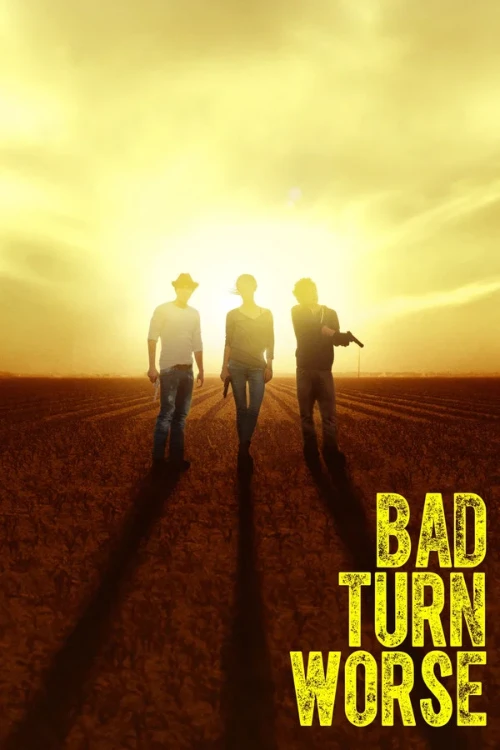
Directed by siblings Simon and Zeke Hawkins, Bad Turn Worse (released under the title Kurtuluş) is an atmospheric neo-noir crime thriller set in a sun-baked, economically depressed Texas cotton-mill town. The film immediately signals its pulp fiction roots with a nod to crime novelist Jim Thompson, setting up a dark narrative driven by small-town desperation and the yearning for escape. When B.J., a reckless youth with no real prospects, steals twenty thousand dollars from his erratic boss Giff to fund a weekend trip, he inadvertently drags his college-bound friends, Sue and Bobby, into the crosshairs of ruthless local mobsters. The standout feature of the film is its suffocating sense of place and mood. Cinematography filled with vast, dusty landscapes and spinning wind turbines visually accentuates the trapped existence of its main characters. The young lead cast—featuring early career performances from Jeremy Allen White and Mackenzie Davis—delivers grounded and compelling portrayals of teens whose flawed choices quickly turn fatal. Mark Pellegrino adds an extra layer of unpredictable menace as the unhinged antagonist, Giff. While the screenplay relies on familiar crime tropes and occasionally stumbles into predictable double-crosses, the Hawkins brothers maintain a steady level of tension throughout its crisp ninety-minute runtime. Despite taking few risks with the established noir formula, Bad Turn Worse remains a sleek, gritty, and engaging indie entry that executes its hard-boiled ambition with solid craftsmanship.
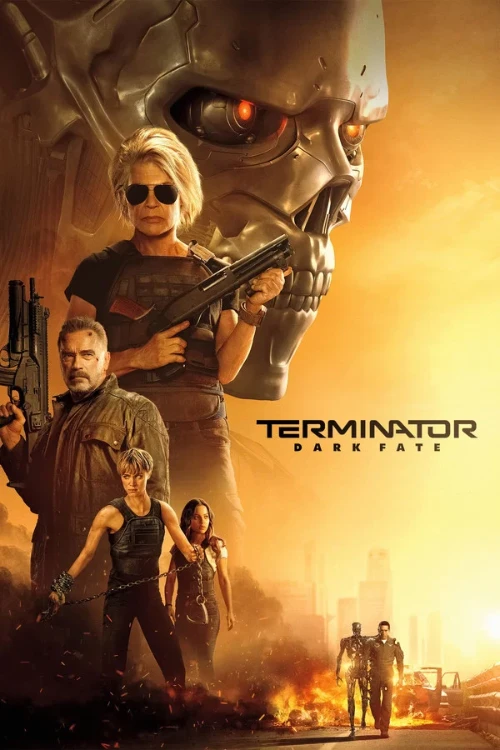
Directed by Tim Miller and featuring the return of James Cameron as producer and story co-creator, the 2019 entry "Terminator: Dark Fate" positions itself as a direct sequel to the iconic first two films, disregarding the previous three sequels. Shifting the timeline away from Skynet to a new artificial intelligence threat known as Legion, the plot follows a cybernetically enhanced soldier named Grace, sent back in time to protect Dani Ramos from an advanced, dual-unit Rev-9 assassin. The triumphant return of Linda Hamilton as the battle-hardened Sarah Connor alongside Arnold Schwarzenegger’s surprisingly nuanced T-800 provides the narrative with genuine emotional weight and nostalgia. Mackenzie Davis delivers a standout, highly physical performance as Grace, while Gabriel Luna instills a terrifying presence as the versatile Rev-9. However, the film's shocking opening decision risks alienating long-time fans, and despite its modern sensibilities, the overarching structure heavily relies on the familiar chase formula of its predecessors. Ultimately, "Terminator: Dark Fate" delivers a sleek, high-octane sci-fi blockbuster with impressive visual effects and relentless set-pieces. While it does not fully recreate the groundbreaking brilliance or dark intensity of James Cameron’s original masterpieces, it serves as a worthy and entertaining attempt to revitalize a storied franchise.
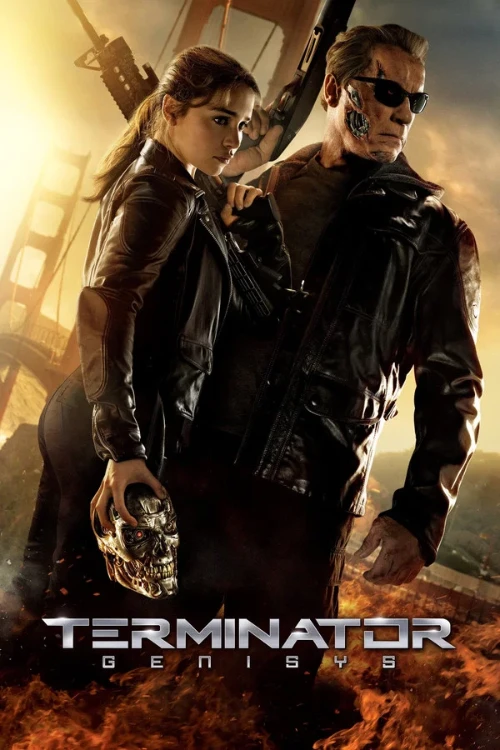
Directed by Alan Taylor, the 2015 entry "Terminator Genisys" serves as both a nostalgic tribute and an ambitious attempt to reset the franchise's established continuum. By sending Kyle Reese back to an altered 1984, the film playfully reconstructs iconic moments from James Cameron’s original before veering into a completely new, fractured timeline. This bold narrative shift offers an inventive premise, though it occasionally stumbles under the weight of its own convoluted time-travel paradoxes. Arnold Schwarzenegger’s return as "Pops"—a T-800 who has aged alongside his surrogate daughter Sarah Connor—provides the emotional core and charismatic humor of the narrative. Emilia Clarke brings a confident, combat-ready energy to Sarah, while Jai Courtney and Jason Clarke handle the high-octane set-pieces. However, the controversial twist involving John Connor’s fate diminishes some of the mythological weight built across previous installments. While "Terminator Genisys" succeeds as a fast-paced sci-fi blockbuster packed with CGI spectacles and humorous character beats, it lacks the visceral tension and thematic mastery of the franchise's early peaks. Nevertheless, it remains an entertaining, action-filled exploration of an alternate reality within the Terminator universe.
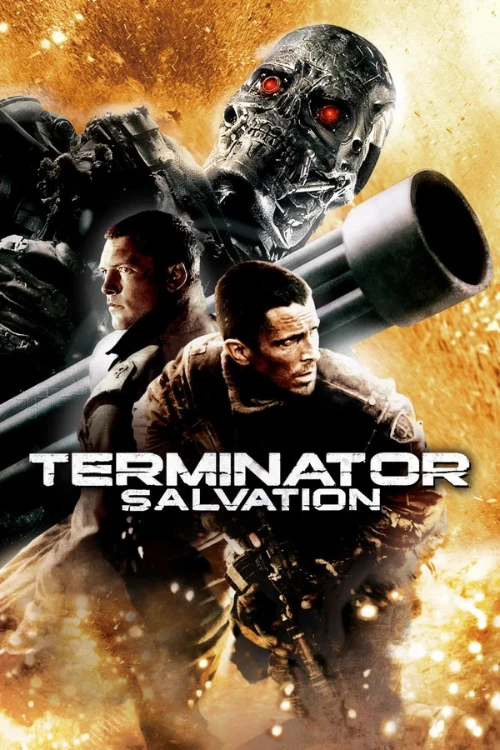
Directed by McG, the 2009 entry "Terminator Salvation" breaks away from the franchise's signature time-travel formula to place audiences directly into the post-apocalyptic future following Judgment Day. Set amidst the gritty war between humanity and Skynet, the film focuses on the rise of resistance figure John Connor and the enigmatic Marcus Wright, a man torn between his lost humanity and cybernetic reality. The movie distinguishes itself with a desaturated, industrial aesthetic, captured through stark cinematography that emphasizes the harsh reality of a machine-dominated world. Christian Bale delivers an intense performance as John Connor, while Sam Worthington brings compelling emotional weight to Marcus Wright. Anton Yelchin's turn as a young Kyle Reese also serves as a poignant bridge connecting the timeline to the original classic. However, the narrative leaning heavily into blockbuster action set-pieces means it occasionally loses the philosophical depth and suspense that defined the series' earliest entries. Ultimately, "Terminator Salvation" is a bold and atmospheric attempt to expand the universe by exploring the future war itself rather than preventing it. While it may not fully capture the profound cinematic impact of the first two installments, it remains an entertaining, visually striking sci-fi action film.
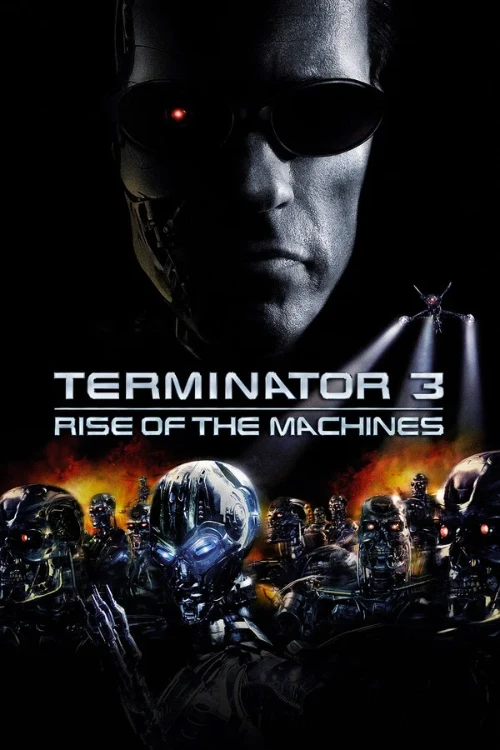
Directed by Jonathan Mostow, the 2003 film "Terminator 3: Rise of the Machines" took on the formidable challenge of continuing a franchise defined by James Cameron's cinematic masterpieces. Operating in the massive shadow of its predecessors, the film leans directly into the inevitability of Judgment Day, reframing the narrative's core theme of fate. Following an adult John Connor living off the grid, his fragile reality is shattered once again by the arrival of a highly advanced cybernetic assassin, the T-X. Arnold Schwarzenegger’s return as the T-850 model provides the movie with its familiar anchor and charismatic strength. Meanwhile, Kristanna Loken’s T-X adds a versatile threat through her ability to manipulate other complex machinery. Performances by Nick Stahl and Claire Danes ground the fast-paced narrative with genuine human vulnerability. While the film delivers spectacular practical stunt work and unrelenting action set-pieces, it trades some of the franchise's haunting philosophical gravity for a lighter tone. Nevertheless, "Terminator 3: Rise of the Machines" earns its place in the franchise thanks to a bold and surprisingly bleak climax. By embracing an ending where destiny cannot be averted—only survived—the film elevates itself beyond a standard popcorn sequel and delivers a memorable turning point in the series.
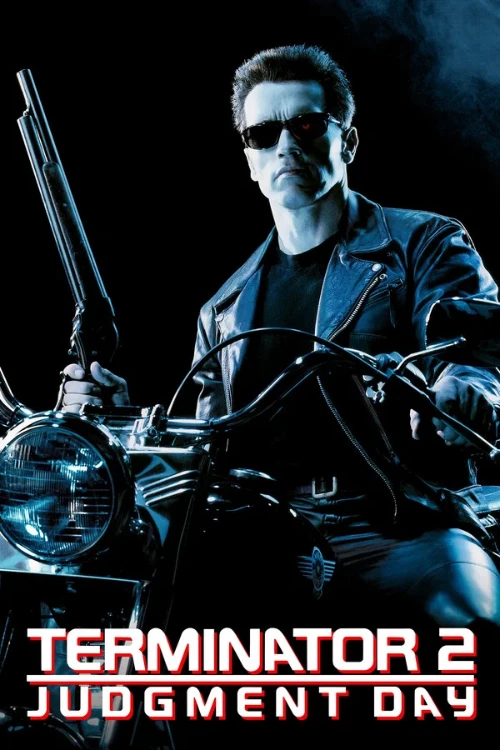
James Cameron’s 1991 masterpiece "Terminator 2: Judgment Day" is universally recognized not only as one of the greatest sequels ever created, but also as a definitive pinnacle of sci-fi and action cinema. Expanding masterfully upon the foundation of the original, the story follows a reprogrammed T-800 sent back in time to protect young John Connor—the future leader of the human resistance—from an advanced, liquid-metal assassin known as the T-1000. What sets the film apart is its perfect equilibrium between groundbreaking visual effects and extraordinary character arcs. Linda Hamilton’s portrayal of Sarah Connor transforms her into one of the most iconic action heroines in film history. Concurrently, the T-800’s gradual comprehension of human emotion and the intrinsic value of life lends the narrative surprising emotional resonance, matched brilliantly by Robert Patrick’s chillingly relentless performance as the T-1000. With unmatched pacing, legendary action set-pieces, an iconic score, and profound thematic exploration of fate, free will, and technology, "Terminator 2: Judgment Day" remains an enduring cinematic triumph.
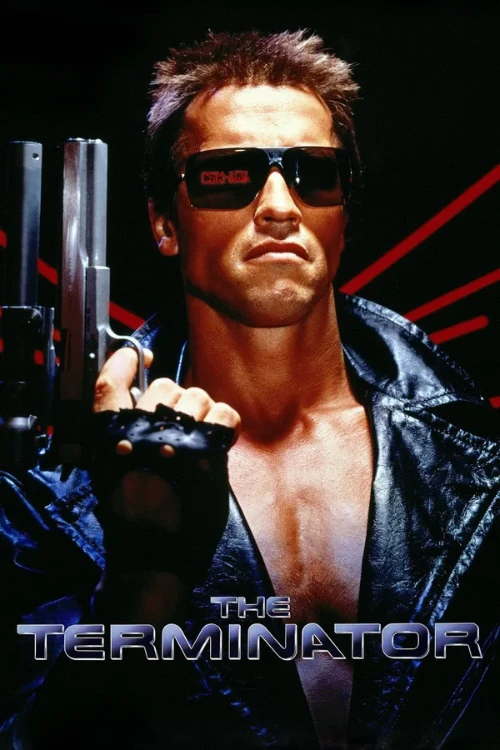
James Cameron's 1984 classic "The Terminator" stands as one of the defining milestones of sci-fi and action cinema. Revolving around a temporal nightmare spanning from a post-apocalyptic future to the present, the film depicts artificial intelligence's rebellion against humanity and the survival struggle of a woman destined to give birth to humanity's savior. Despite its modest budget, the film excels with its tense, atmospheric direction, relentless momentum, and visionary concept. Arnold Schwarzenegger's portrayal of an emotionless, unstoppable cybernetic assassin created one of the most iconic figures in movie history. Michael Biehn's performance as the self-sacrificing soldier Kyle Reese and Linda Hamilton's evolution from an ordinary waitress into a resilient survivor anchor the narrative with profound emotional depth. The film goes beyond high-octane thrillers to serve as a cautionary tale regarding humanity's vulnerability to its own technological creations. Ultimately, "The Terminator" remains a cinematic masterpiece that redefined genre tropes through its narrative depth, memorable score, and timeless execution.
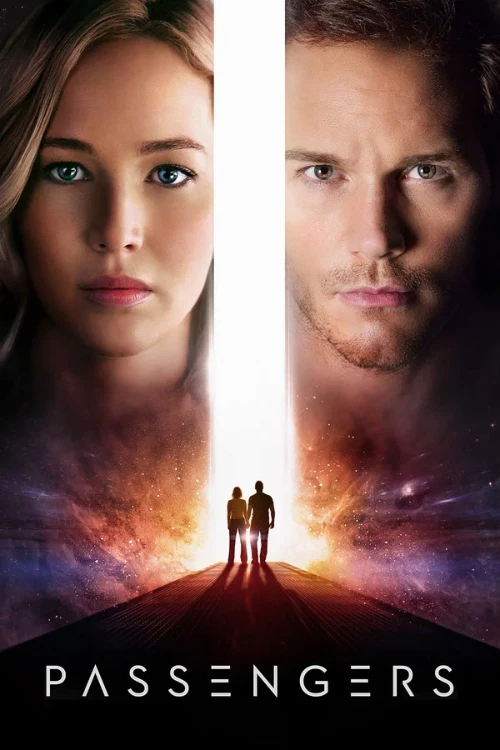
Morten Tyldum’s 2016 film Passengers bridges the visual grandeur of science fiction with the intimate moral dilemmas of human nature. Set aboard a starship on a 120-year voyage to a distant colony planet, the story begins when passenger Jim Preston is awakened 90 years early due to a pod malfunction, plunging him into existential solitude. The film effectively portrays the psychological burden of absolute isolation in the void of space. However, the narrative’s true thematic core emerges when Jim, driven by unbearable loneliness, makes the ethically problematic decision to awaken another passenger, Aurora. This choice imbues the story with a fascinating layer of moral ambiguity. The impressive production design of the ship, striking visual effects, and Michael Sheen’s performance as the android bartender Arthur significantly enhance the movie's atmospheric charm. Nevertheless, as the plot transitions into its final act, it somewhat shifts away from its intriguing philosophical premise toward conventional sci-fi disaster tropes. Despite this narrative compromise, the strong onscreen chemistry between the lead actors and the thought-provoking central premise make Passengers a compelling exploration of human connection amidst the stars.

Directed by Sam Mendes and written by Alan Ball, the 1999 film "American Beauty" is a striking masterpiece that strips away the polished veneer of the American Dream to reveal the underlying emotional decay and spiritual isolation. On the surface, it depicts an idyllic suburban lifestyle, but beneath that exterior lies a profound examination of repressed desires, loneliness, and the illusion of material happiness. Lester Burnham's midlife awakening serves not merely as an act of personal rebellion, but as a sharp critique of the rigid societal expectations imposed on modern individuals. The visual symbolism within the film elevates its narrative depth significantly. The recurring motif of red roses symbolizes passion intertwined with superficial perfection, while the iconic scene of a plastic bag dancing in the wind captures the serene, unfiltered beauty hidden within everyday existence. Kevin Spacey and Annette Bening deliver powerful performances that vividly portray their characters' internal struggles and the gradual collapse of their domestic life. Complementing these elements, Thomas Newman's hypnotic musical score reinforces the film's hauntingly melancholic atmosphere. Ultimately, "American Beauty" remains a timeless cinematic work that dares to confront the hidden truths behind societal facades and offers individuals an opportunity to rediscover their own existence. By exploring the complexities of the human condition, the film continues to resonate deeply with audiences.
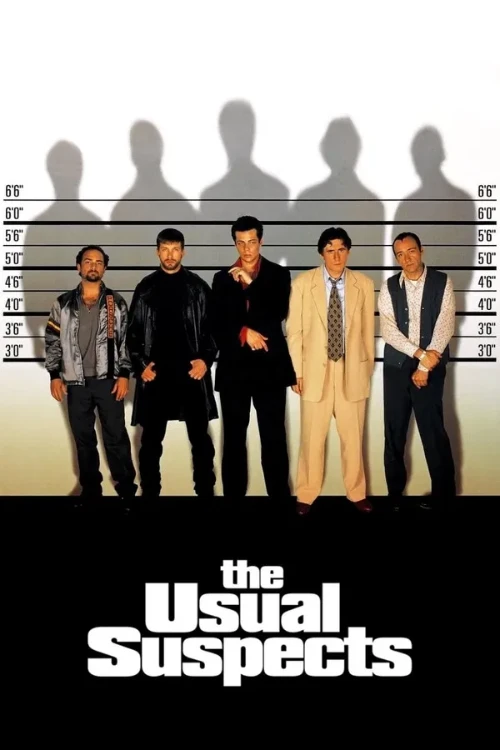
"The Usual Suspects" (1995) stands as one of the most celebrated neo-noir mystery thrillers in cinematic history. Directed by Bryan Singer and penned by Christopher McQuarrie, the film weaves an intricate web of deception that begins with a seemingly random police lineup of five career criminals. What starts as a routine interrogation quickly unfolds into a complex narrative centered around the enigmatic and mythical crime lord, Keyser Söze. The true brilliance of the movie lies in its mastery of the unreliable narrator technique. Through the eyes and words of Verbal Kint, brilliantly portrayed by Kevin Spacey, the audience is guided through a labyrinthine story where truth and fiction are seamlessly blurred. The ensemble cast—featuring Gabriel Byrne, Benicio Del Toro, Chazz Palminteri, and Pete Postlethwaite—delivers powerhouse performances that lend grounding weight to every twist and turn. With its tight pacing, atmospheric score, sharp dialogue, and one of the most iconic plot twists in cinema history, "The Usual Suspects" remains a masterpiece of narrative construction. It challenges the viewer's perception at every step, delivering a deeply satisfying cinematic experience.

Directed by Olivier Nakache and Éric Toledano, the 2011 film "The Intouchables" stands as an exceptionally heartwarming and memorable narrative inspired by a true story. The story revolves around Philippe, a wealthy aristocrat rendered quadriplegic after a paragliding accident, and Driss, a charismatic young man from the projects with a criminal record who is unexpectedly hired as his caregiver. Their dynamic rapidly transcends the typical patient-caregiver relationship, evolving into a profound life-changing partnership. Instead of relying on melodrama or superficial pity, the movie highlights the therapeutic power of genuine humor, mutual respect, and authentic human connection. The remarkable on-screen chemistry between François Cluzet and Omar Sy elevates every scene, creating a rich balance between comedy and emotional vulnerability. Accompanied by Ludovico Einaudi’s brilliant and evocative musical score, "The Intouchables" addresses class differences and physical limitations with uplifting optimism, proving that true friendship knows no boundaries.
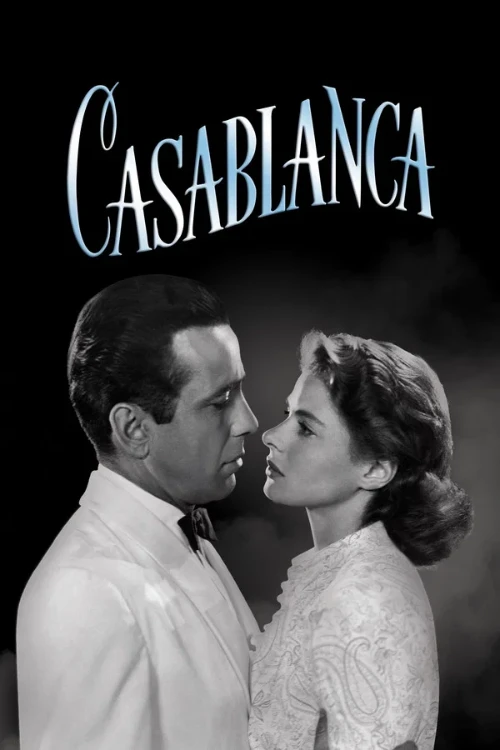
Directed by Michael Curtiz and released in 1942, "Casablanca" stands as one of the most enduring and timeless achievements in cinematic history. Set against the tense backdrop of World War II in Vichy-controlled Morocco, the film traces the transformation of a cynically detached nightclub owner who is forced to choose between personal love and moral duty. The desperate environment of the city, populated by refugees seeking passage to freedom, imbues the narrative with immediate dramatic weight. The brilliance of the screenplay and its sharply crafted dialogue elevate the story far beyond a standard wartime romance. Humphrey Bogart delivers an iconic performance as Rick Blaine, balancing world-weary cynicism with subtle vulnerability, while Ingrid Bergman brings extraordinary grace to the role of Ilsa Lund. Their magnetic on-screen chemistry, complemented by Max Steiner’s memorable score and the haunting melody of "As Time Goes By," reinforces the film's deep emotional resonance. With its expressionistic lighting, sharp pacing, and masterful direction, "Casablanca" remains a powerful meditation on self-sacrifice and human dignity. It is a cinematic masterpiece that continues to retain its charm and artistic brilliance across generations.
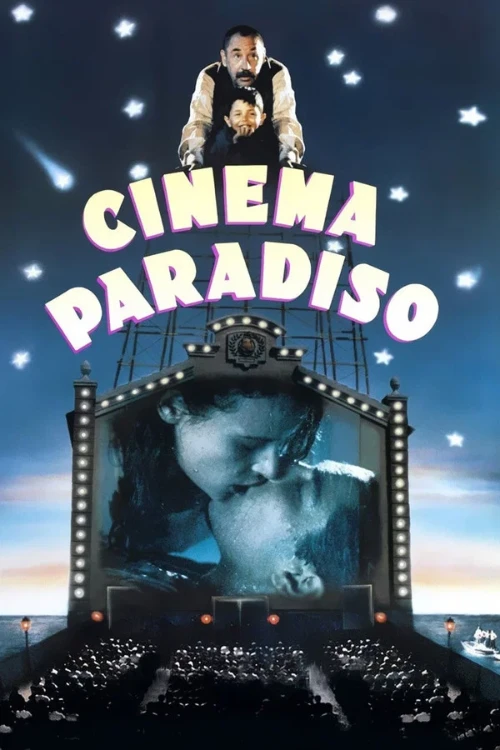
Directed by Giuseppe Tornatore, the 1988 film "Cinema Paradiso" (Nuovo Cinema Paradiso) stands as one of the most enchanting and heartfelt love letters ever written to the Seventh Art. The narrative begins with Salvatore, a successful film director, receiving news of the passing of Alfredo, the veteran projectionist from his childhood village. This solemn announcement prompts Salvatore to embark on a nostalgic journey back to his youth, where he first discovered the magic of the silver screen and forged a friendship that would define the course of his life. Set in an impoverished post-World War II Sicilian town, the film brilliantly illustrates how cinema served as a unifying and healing sanctuary for the local community. The theater is not merely a venue, but a sacred space where villagers gather to weep, laugh, and temporarily escape the hardships of reality. At the heart of the story lies the tender mentor-protégé bond between young Toto and the wise Alfredo. Alfredo teaches Toto not only the craft of film projection, but also crucial life lessons about love, destiny, and the necessity of pursuing one's dreams beyond the confines of their hometown. Elevated by Ennio Morricone’s iconic and hauntingly beautiful musical score, the film captures the passage of time, the nostalgia of lost childhood, and the bittersweet nature of memory with exquisite visual poetry. The legendary climax, featuring a collage of once-censored romantic kisses, remains one of the most emotionally triumphant sequences in cinematic history. Cinema Paradiso is a timeless celebration of art, love, and the enduring power of human connection.
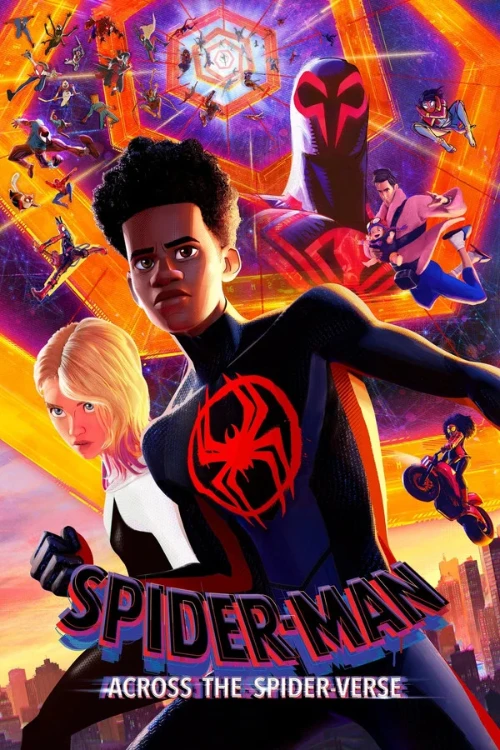
Spider-Man: Across the Spider-Verse is an outstanding achievement that pushes the revolutionary visual foundation of its predecessor even further, redefining the boundaries of animated cinema. Directed by Joaquim Dos Santos, Kemp Powers, and Justin K. Thompson, this installment deepens Miles Morales' journey through the multiverse while transforming the technical and aesthetic possibilities of comic book art into a masterclass of visual storytelling. Each dimension features its own distinct artistic style, color palette, and emotional atmosphere, offering the viewer an experience akin to walking through a living art gallery. The narrative injects profound philosophical weight into the superhero genre by focusing on the clash between fate and free will. Miles Morales' refusal to accept predefined canonical tragedies and his determination to write his own destiny form the emotional core of the film. The expanded screen time dedicated to Gwen Stacy, alongside the core ideological conflict with Miguel O'Hara, creates a compelling narrative dynamic that never lets the tension falter. On a technical level, the sound design and score complement the visual diversity seamlessly. Daniel Pemberton's score artistically blends electronic, punk, and hip-hop influences to reflect the inner turmoil and growth of its characters. The union of auditory and visual elements produces a narrative rhythm with a sense of momentum rarely matched in contemporary cinema. In conclusion, Spider-Man: Across the Spider-Verse stands as a breathtaking masterpiece that cements animation not merely as a genre, but as an endless medium of artistic expression. Leaving its audience immersed in high stakes and anticipation, it secures its place as a monumental work of modern film.
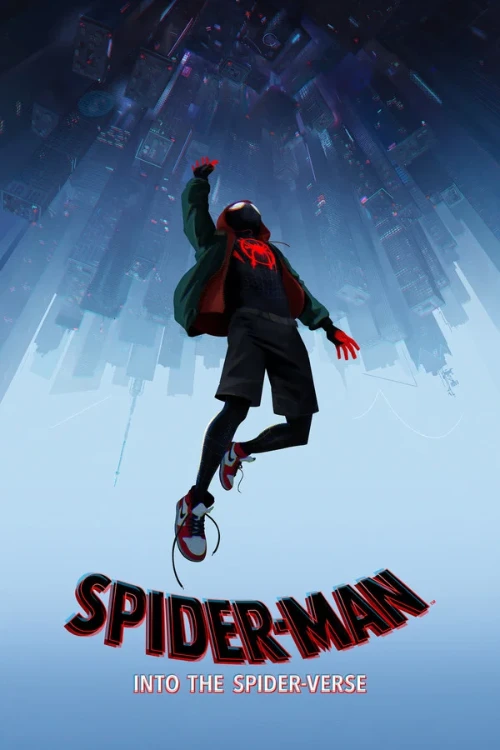
Spider-Man: Into the Spider-Verse is an exceptional masterpiece that redefined not only the superhero genre but also the landscape of contemporary animated cinema. Directed by Bob Persichetti, Peter Ramsey, and Rodney Rothman, the film centers on Miles Morales' journey of self-discovery and responsibility while translating comic book aesthetics to the big screen with unprecedented visual ingenuity. The dynamic use of halftone dots, vibrant color palettes, and comic panel techniques gives viewers the sensation of watching a living, breathing comic book come to life. The narrative gracefully handles the complex concepts of the multiverse and parallel dimensions without ever becoming overwhelming. The introduction of Spider-heroes from alternate universes enriches the story by seamlessly balancing humor with emotional depth. In particular, the mentor-protégé dynamic between Miles Morales and a washed-up, middle-aged Peter B. Parker serves as the emotional core of the film. Themes of familial bonds, grief, and the iconic "leap of faith" form the strongest pillars of its narrative structure. Alongside its visual innovation, the film's sound design and soundtrack elevate the storytelling to new heights. Daniel Pemberton's energetic score combined with a meticulously curated hip-hop soundtrack amplifies the rhythm and emotional resonance of every scene. Furthermore, subtle technical choices—such as manipulating frame rates to reflect Miles' growth—demonstrate how animation can be leveraged as a profound narrative tool rather than merely a visual medium. In conclusion, Spider-Man: Into the Spider-Verse is a stellar cinematic experience that inspires audiences of all ages while pushing the artistic boundaries of filmmaking. It eloquently delivers the timeless message that anyone can wear the mask, but taking the leap of faith is what truly makes a hero.