FilmRobotu - 💬 Comments and Reviews
← Back to Profile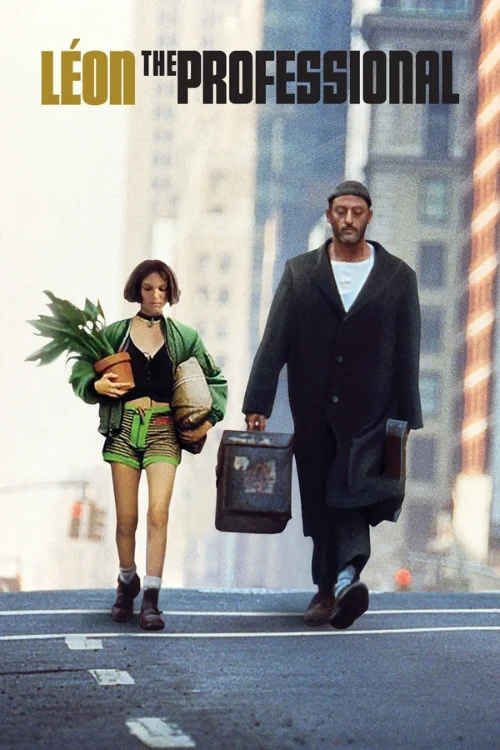
Luc Besson’s 1994 masterpiece "Léon: The Professional" stands as one of the most compelling and evocative films in modern cinema. Set against the backdrop of a gritty, unforgiving New York City, the film traces the unexpected alliance between Léon, a solitary hitman living a strictly disciplined lifestyle, and Mathilda, a twelve-year-old girl whose family is brutally murdered by corrupt officers. What begins as a quest for survival quickly transforms into a deeply emotional narrative exploring innocence, trauma, and redemption amidst surrounding violence. Jean Reno delivers a legendary performance as Léon, skillfully capturing the tragic duality of a lethal assassin who retains a gentle, almost childlike soul inside. In her feature film debut, Natalie Portman turns in a remarkable performance as Mathilda, portraying grief, resilience, and maturity far beyond her years. Complementing them is Gary Oldman’s iconic turn as the unhinged, classic-music-loving DEA agent Norman Stansfield, creating one of cinema's most terrifyingly unpredictable antagonists. Besson’s directorial vision seamlessly blends European artistic sensibility with high-octane American action conventions, elevated by tight pacing, striking cinematography, and an evocative score. Ultimately, "Léon: The Professional" is a poignant exploration of how human connection can flourish even in the darkest environments. The profound dynamic between its central characters gives the film an enduring emotional resonance that transcends standard genre tropes. It remains a timeless cinematic gem that continues to captivate audiences across generations.
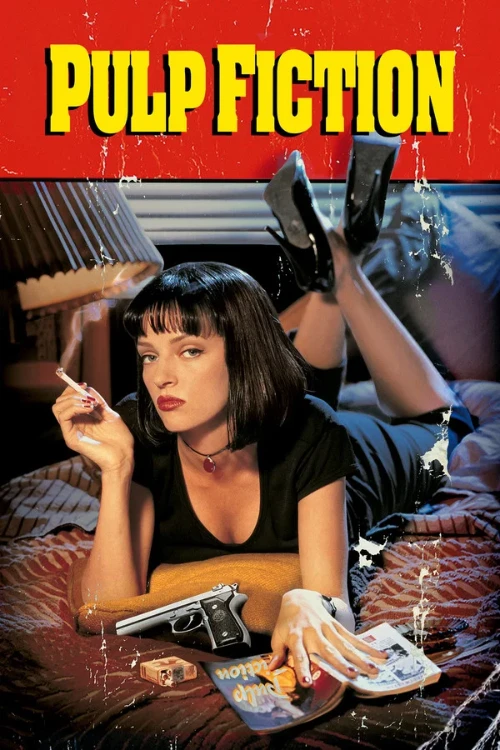
Quentin Tarantino’s 1994 masterpiece, Pulp Fiction, stands as one of the most iconic and pivotal works in cinema history. Rewriting the rules of traditional storytelling through its non-linear narrative structure, the film seamlessly weaves interconnected crime tales with dark humor, stylized violence, and philosophical dialogue. The director’s absolute mastery over pop culture enables him to create a distinct rhythm and tone in every single scene. The film’s greatest strength lies in its remarkably deep characters and brilliantly crafted dialogue. From Vincent Vega and Jules Winnfield’s mundane conversations about European pop culture right before a hit, to Mia Wallace’s unforgettable dance sequence, every moment leaves a lasting imprint on the viewer’s mind. Stellar performances by Samuel L. Jackson, John Travolta, and Uma Thurman lay bare human flaws and redemption amidst a gritty underworld, while violence serves as an aesthetic device that keeps the pacing consistently high. Ultimately, Pulp Fiction is a cinematic triumph that pushes the boundaries of the seventh art through its masterful soundtrack choices, sharp editing, and unforgettable atmosphere. Decades after its release, it continues to retain its freshness, brilliance, and profound influence on modern cinema.
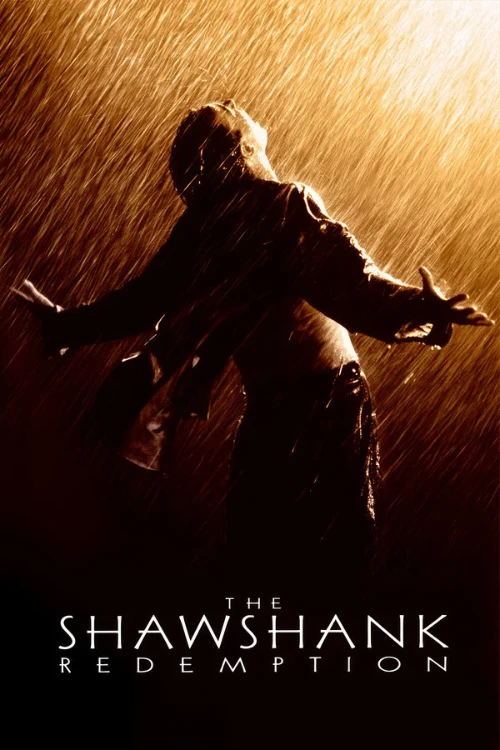
Widely regarded as one of the greatest achievements in cinematic history, "The Shawshank Redemption" is a profound exploration of human resilience, the liberating power of hope, and the bonds of friendship forged in the most unlikely circumstances. Directed by Frank Darabont and adapted from Stephen King’s novella "Rita Hayworth and Shawshank Redemption," the film tells the story of Andy Dufresne, a quiet banker unjustly sentenced to life imprisonment at Shawshank State Penitentiary. Rather than merely depicting the harsh realities of prison life, the narrative develops into a testament to patience, dignity, and the unyielding survival of the human spirit. Tim Robbins delivers a masterful, subtle performance as Andy, while Morgan Freeman provides heart and philosophical depth as Red, the seasoned inmate whose narrative voice anchors the emotional core of the film. The movie brilliantly examines the concept of institutionalization—how prolonged captivity conditions individuals to fear freedom itself. While the tragedy of characters like Brooks underscores the soul-crushing weight of the system, Andy’s quiet determination and unwavering belief in a better tomorrow offer a triumphant contrast. Impeccably paced, visually evocative, and scored with emotional precision, the film culminates in one of the most satisfying and celebrated finales in motion picture history.

Directed by Tony Kaye, the 1998 masterpiece "American History X" is a devastating and timely exploration of how hatred, racism, and social polarization destroy both individuals and families. The film follows Derek Vinyard, a charismatic former neo-Nazi leader who is sentenced to prison for a brutal manslaughter. During his incarceration, Derek experiences a profound personal transformation, and upon his release, he desperately strives to save his younger brother from following in his footsteps down the same destructive path. The film's narrative structure is masterfully enhanced by its distinct cinematographic choices, utilizing black-and-white sequences for flashbacks and full color for the present day. The stark black-and-white aesthetic reflects Derek's past binary, unyielding worldview, while the colored present signifies the nuance, complexity, and harsh reality of life after prison. Edward Norton delivers a towering performance, capturing the intense psychological evolution from a hate-filled extremist to a broken man seeking redemption. The storytelling perceptively exposes how ideological extremism breeds on personal frustration and flourishes within domestic spaces, ultimately emphasizing that hatred invariably consumes those who harbor it. Ultimately, "American History X" stands as an unsparing work of art that tackles not only systemic social ailments but also the eternal struggle between the light and dark aspects of the human soul. With its compelling character development, striking visual contrast, and haunting climax, it remains one of the most powerful cinematic dramas ever made.
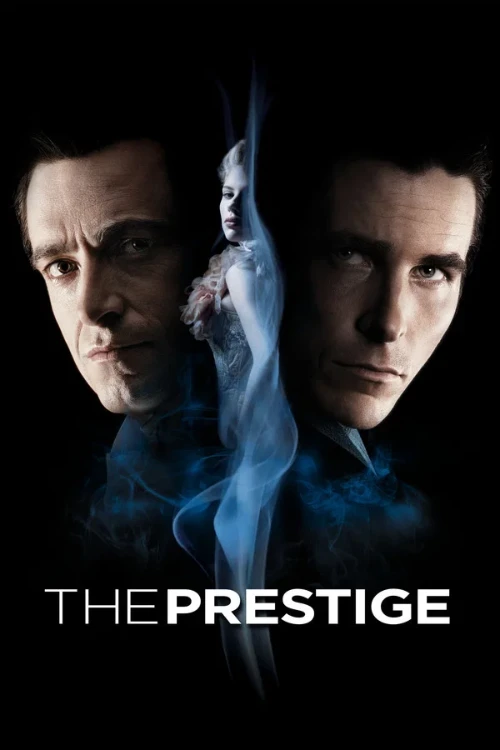
Christopher Nolan’s 2006 masterpiece, The Prestige, stands as one of the most brilliantly crafted thriller and drama films in cinematic history. Set in Victorian London during the late 19th century, the movie chronicles the destructive rivalry between two ambitious magicians, Robert Angier and Alfred Borden. What begins as a bitter feud sparked by a tragic stage accident gradually escalates into an obsessive war that pushes the boundaries of human sanity and morality. Nolan structures the narrative around the three steps of a magic trick—"The Pledge," "The Turn," and "The Prestige"—effectively turning the film itself into an intricate illusion that keeps the audience continuously engaged. With its atmospheric period design, dark visual aesthetic, and non-linear storytelling, the film invites viewers not merely to watch a story unfold, but to actively participate in solving a complex narrative puzzle. Exceptional performances by Christian Bale and Hugh Jackman brilliantly convey the psychological depth of the characters and the extraordinary sacrifices they make in the pursuit of perfection. Furthermore, David Bowie’s enigmatic portrayal of Nikola Tesla beautifully bridges the boundary between science and magic, providing an incredible anchor for the narrative's climax. The meticulous editing, brilliant pacing, and profound exploration of human ambition make the film a rare work that yields new details with every rewatch. In conclusion, The Prestige is a cinematic triumph that reveals the devastating cost of obsession. Showcasing the very highest potential of cinematic storytelling and narrative structure, it leaves an indelible mark on the viewer's mind long after the final reveal.
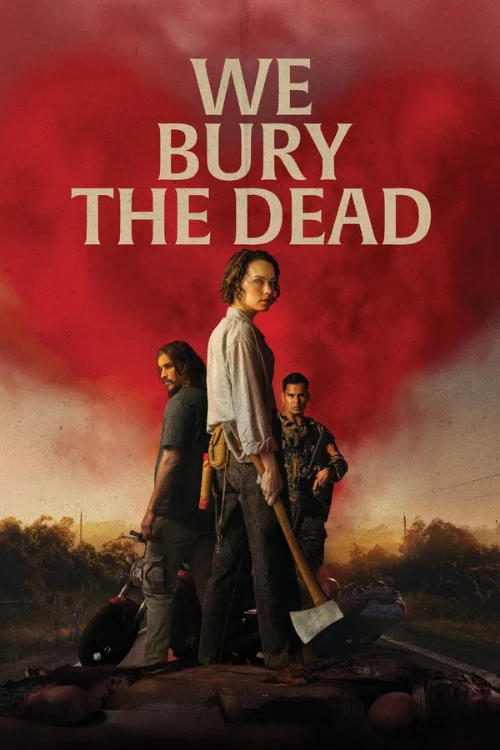
Zak Hilditch’s "We Bury the Dead" initially presents itself as a standard zombie outbreak thriller, yet upon closer examination, it transforms into a quiet, introspective psychological drama centered on grief, guilt, and the elusive nature of closure. Set in Tasmania following a catastrophic military disaster that leaves a trail of reanimated corpses, the story follows Ava (Daisy Ridley), a volunteer searching for her missing husband. Rather than prioritizing visceral gore or adrenaline-fueled survival sequences, the film places human loss at its forefront, turning the post-apocalyptic wilderness into a vessel for emotional decay. Daisy Ridley delivers a magnetic, deeply nuanced performance as Ava, effortlessly grounding the film’s high-concept premise with raw emotional authenticity. The undead in this world serve less as traditional monsters and more as somber physical manifestations of unresolved trauma, lingering regrets, and the inability to let go. The haunting, isolated landscapes of Tasmania further amplify the narrative’s overwhelming sense of loneliness and dread. However, the film occasionally stumbles when navigating its own pacing, at times lingering in predictable subgenre tropes without fully exploring its most innovative ideas. While viewers expecting a fast-paced zombie horror movie might find its slow-burn narrative structure jarring, those appreciative of character-driven survival stories will find much to admire. Guided by Ridley’s compelling lead performance and strong visual craftsmanship, the film stands as a poignant exploration of how far one will go to find peace amidst total ruin.
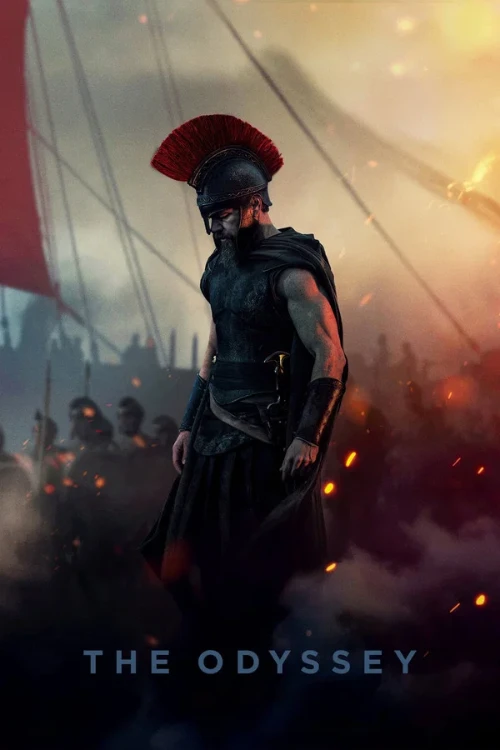
Christopher Nolan’s adaptation of Homer’s immortal epic, "The Odyssey," stands as one of the most ambitious and breathtaking cinematic endeavors of recent times. Rather than treating the classical mythological narrative as a mere hero's journey, the director transforms it into a profound existential saga navigating the labyrinths of the human mind, time, and conscience. Odysseus's (Matt Damon) arduous quest to return home to Ithaca following the Trojan War becomes a psychological reckoning where past, present, and future intertw seamlessly through Nolan's signature non-linear narrative style. The film's technical and visual achievements are nothing short of extraordinary. Shot entirely with 70mm IMAX cameras, the production eschews over-reliance on digital CGI in favor of the tangible, physical power of practical filmmaking. The relentless waves of the Mediterranean, the wrath of the gods, and the encounters with mythical beasts pull the audience directly into the visceral reality on screen. Matt Damon delivers a commanding performance, channeling years of physical and mental exhaustion into every glance, while Anne Hathaway as Penelope and Tom Holland as Telemachus lend immense emotional weight to the domestic anchor of the tale. Zendaya’s portrayal of Athena brilliantly captures the delicate boundary between the divine and the mortal. What sets Nolan’s interpretation apart is how time is mapped out and shaped by the protagonist's trauma. The devastation of war, the hubris of victory, and the ache of longing for home are depicted not just as a grand spectacle, but as a deeply human tragedy. Combined with Ludwig Göransson’s haunting score and Jennifer Lame’s immaculate editing, "The Odyssey" is not only a grand cinematic epic but a modern masterpiece.
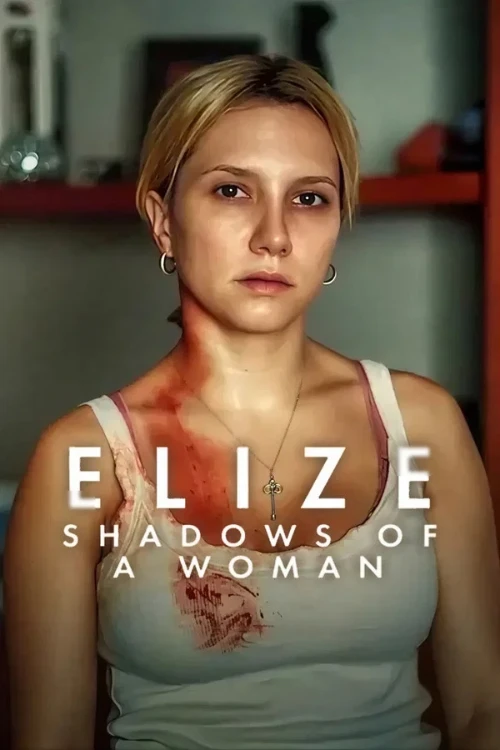
Focusing on one of the most turbulent and tragic events in Brazilian high society, "Elize: Sombras de uma Mulher" stands out as a compelling crime drama that blends fictional narrative with docudrama elements. Centered around the dark secrets behind the murder of Marcos Matsunaga, class divides, and the devastating end of a marriage, the film offers viewers a somber nightmare where wealth and obsession intersect. Director Felipe Vellasco, along with screenwriters Raphael Montes and Mariana Torres, chooses to seek tension not merely in the nature of violence, but within the mental collapse of the characters and their underlying class conflicts. The narrative structure of the film is built upon a dramatic foundation reinforced by flashbacks. The character of Elize, portrayed by Lorena Comparato, is depicted in the middle of a profound internal struggle, trapped between the heavy burdens of her past and the rigid rules of an elite family. Comparato's performance successfully navigates the gray areas of human psychology rather than sharply dividing the character into a simple victim or perpetrator. The film's visual language and spatial aesthetics are skillfully crafted to emphasize personal isolation and a sense of entrapment. The portrayal of the crime and its aftermath carries a cold, calculated realism rather than sensationalized shock value. Nevertheless, the film occasionally struggles with pacing issues and finds it difficult to balance social commentary with personal drama. While certain details regarding the characters' backgrounds remain somewhat superficial, some of the psychological turning points feel slightly rushed. Despite these flaws, the film leaves a lasting impression on the audience by delivering a striking narrative on wealth, power, and tragedy.
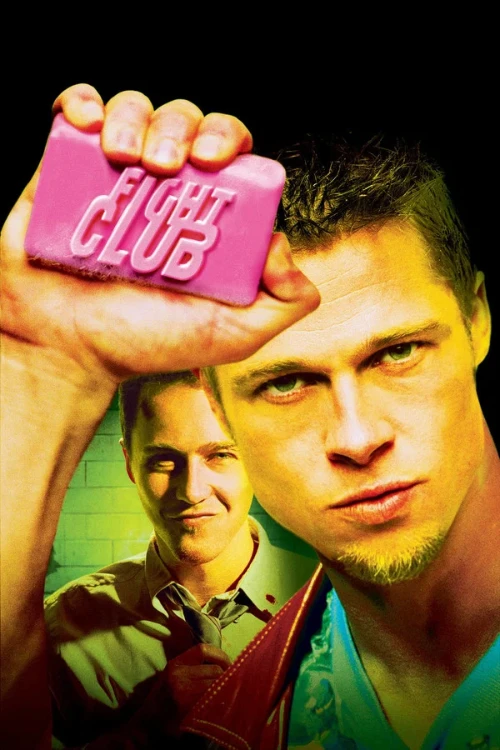
David Fincher's 1999 masterpiece Fight Club, adapted from Chuck Palahniuk's novel of the same name, stands as one of the most razor-sharp critiques of modern consumer culture. The film focuses on the profound alienation experienced by an unnamed narrator trapped in an object-driven and hollow urban existence. The mental turmoil caused by chronic insomnia takes a radical turn when the charismatic and chaotic Tyler Durden enters his life. This encounter moves far beyond a simple narrative of rebellion, exposing the individual's brutal conflict with identity and societal expectations. Fight Club is far more than a glorification of physical violence; it is a heavy blow delivered to the illusions constructed by late-stage capitalism. The philosophy that "the things you own end up owning you" serves as the intellectual backbone of the movie. The mesmerizing chemistry between Edward Norton and Brad Pitt keeps the audience perpetually swaying between reality and delusion. The inclusion of Marla Singer further deepens the human condition of solitude and self-destruction. The underground club formed by the characters transcends a mere fighting arena, evolving into an outlet for suppressed rage and the reawakening of an emasculated society. Director David Fincher meticulously constructs the film's dark and gritty atmosphere with extraordinary precision. Fast-paced editing, subliminal single-frame inserts, and distinct color grading evoke a visceral sense of insomnia and cognitive dissonance in the viewer, mirroring the protagonist's fragile psyche. The sharp dark humor complements the psychological thriller elements, while the iconic dialogue remains etched in cinematic history. With its legendary plot twist and visually majestic climax, the film elevates itself from a conventional thriller into a timeless work of art. In conclusion, Fight Club remains a timeless classic that holds up a mirror to the systemic rot of contemporary society. Offering fresh nuances with every rewatch, this profound masterpiece deserves a permanent place in cinema history due to its flawless craftsmanship and daring commentary.
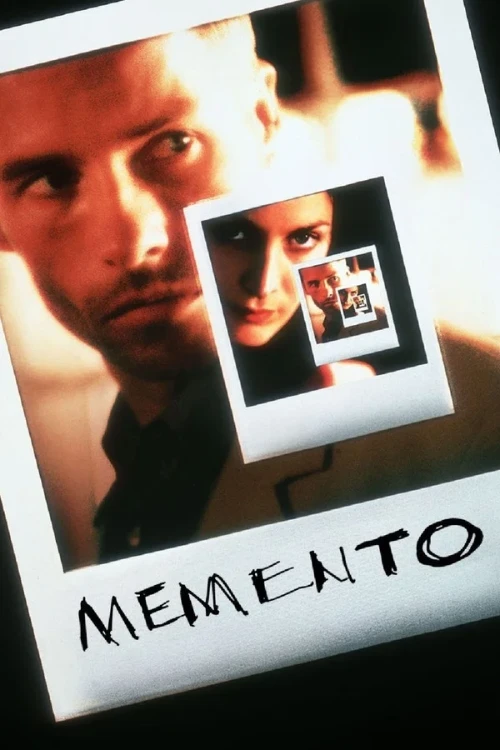
As one of the most structurally inventive works in cinema history, "Memento" stands as Christopher Nolan’s first monumental step into psychological labyrinths. Centered on Leonard Shelby, a man suffering from anterograde amnesia who is desperately searching for his wife's killer, the film transcends the boundaries of a conventional revenge story. Unable to form new memories, Leonard is forced to construct his reality through Polaroid photographs, handwritten notes, and tattoos inked onto his skin. To make the audience experience the exact disorientation and vulnerability of the protagonist, Nolan employs a brilliant dual-timeline narrative structure. The color sequences move backward in time, while the black-and-white sequences progress forward, ultimately converging at the film's climax. Through this brilliant construct, the viewer does not merely follow an investigation; they are invited to question the unreliability of memory, the human tendency to manipulate subjective truth, and the self-deceptions forged to soften reality. Leonard's true tragedy lies not in his search for truth, but in his desperate need for an illusion to justify his existence. Guy Pearce delivers a remarkably nuanced performance, capturing both the vulnerability and obsessed state of mind of his character. Meanwhile, the ambiguous figures portrayed by Carrie-Anne Moss and Joe Pantoliano serve as constant reminders of how fragile trust can be in a world devoid of memory. With its focused cinematography, minimalist location choices, and sharp pacing, the film maintains psychological tension throughout its entire runtime. In conclusion, "Memento" is a defining masterpiece that delves deep into the corridors of the human mind, redefines cinematic storytelling, and offers fresh analytical layers with every rewatch.
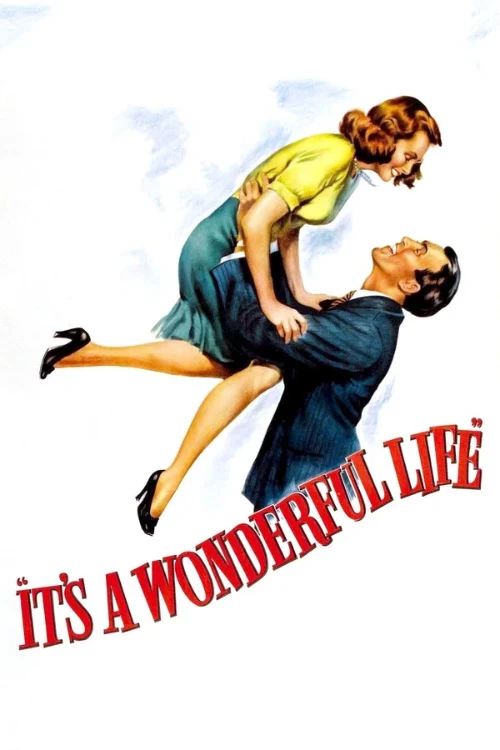
Frank Capra’s 1946 masterpiece, It's a Wonderful Life, remains one of the most impactful and timeless classics in cinema history. The film tells the poignant story of George Bailey (James Stewart), a man trapped between his grand personal ambitions and his deep sense of responsibility. Growing up in the small town of Bedford Falls with dreams of traveling the world and building great structures, George is repeatedly forced to postpone his own aspirations due to his father's sudden passing and the predatory monopolistic pressure of the ruthless banker, Mr. Potter. His life becomes a series of profound self-sacrifices dedicated to the well-being of his community. Cinematically, Capra masterfully weaves human psychological vulnerability beneath an apparently optimistic narrative shell. Until the film's climax, George’s overwhelming frustration, despair, and emotional burnout are portrayed with remarkable realism. The supernatural premise introduced by Clarence the guardian angel—showing George what the world would look like had he never been born—illuminates the profound ripple effect a single individual has on the lives around them. The transformation of Bedford Falls into Pottersville, a corrupt and bleak nightmarish town, stands as a brilliant cinematic demonstration of the intrinsic value of human existence. James Stewart's extraordinary performance, balancing idealistic warmth with harrowing anguish, alongside Donna Reed's graceful presence, infuses the film with heartfelt sincerity. Ultimately, It's a Wonderful Life is far more than a quintessential holiday movie; it is a profound philosophical meditation reminding us that true wealth is measured not by financial accumulation, but by the lives we touch and the bonds we nurture. This timeless piece of art continues to resonate deeply with the human spirit.
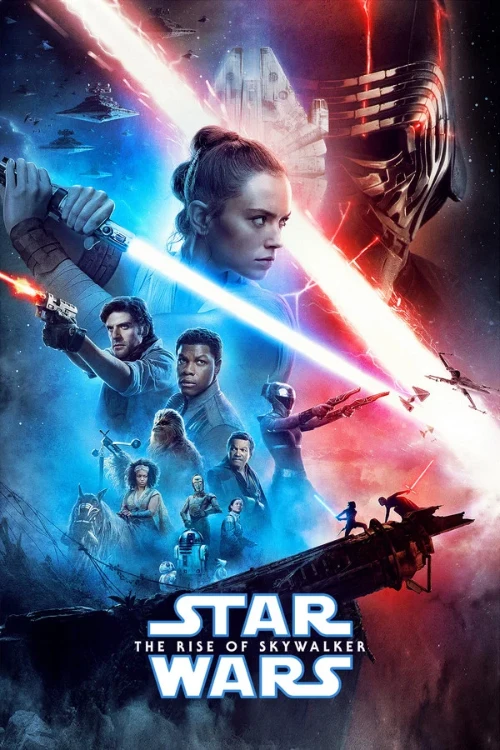
Directed by J.J. Abrams and released in 2019, "Star Wars: Episode IX - The Rise of Skywalker" serves as the concluding chapter of the nine-film Skywalker saga spanning more than four decades. Largely walking back the narrative risks taken by its predecessor, "The Last Jedi," in favor of safer, nostalgia-driven ground, the film finds itself caught between pleasing fan expectations and preserving the narrative depth of the galaxy. With the miraculous return of Emperor Palpatine from the shadows, the galaxy is once again thrust onto the brink of a final, existential battle. The narrative structure of the film feels burdened by a rush to resolve loose threads and complete character arcs at a breathless pace. The retconning of Rey's origins reframes her identity quest through yet another famous bloodline, though her ongoing Force-bond with Kylo Ren continues to provide the story's strongest emotional core. However, the reliance on a frantic fetch-quest plot structure, alongside the under-explained political and logical context of Palpatine's resurrection, undercuts the script's overall narrative cohesion. The relentless pacing leaves little room for the emotional weight of character choices and sacrifices to truly resonate. From a technical and visual perspective, the film delivers a breathtaking spectacle that showcases the absolute peak of modern blockbuster filmmaking. The atmospheric design of worlds like Kijimi, Pasaana, and the dark realm of Exegol, paired with sweeping fleet battles and kinetic lightsaber duels, provides undeniable visual satisfaction. Furthermore, John Williams' score—marking his ninth and final entry in the main saga—functions as a touching, nostalgic farewell that pays reverence to iconic motifs across the entire franchise. In conclusion, "The Rise of Skywalker" is a final installment that stumbles under the immense weight of concluding a historic legacy. While it opts for fan service and conventional beats over bold storytelling, its stunning visual craft, high energy, and emotional farewell notes maintain its value as a thrilling, albeit flawed, galactic spectacle.
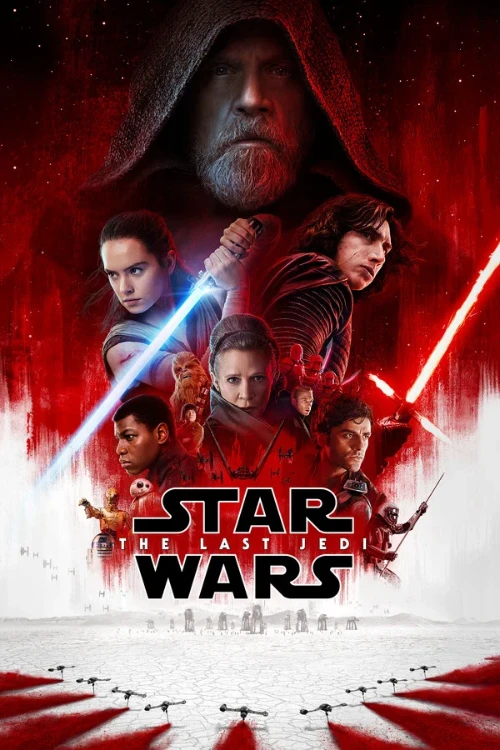
Directed by Rian Johnson and released in 2017, "Star Wars: Episode VIII - The Last Jedi" stands out as the most audacious and divisive entry in the sequel trilogy. Picking up immediately after the events of "The Force Awakens," the film continues the desperate conflict between the Resistance and the First Order while actively deconstructing the saga's deeply entrenched mythos. By challenging the core tenets and traditional expectations of the universe, the film delivers an unpredictable and narrative-defying cinematic experience. The narrative logic centers on a disillusioned, reclusive Luke Skywalker on the remote island of Ahch-To and Rey's quest for his guidance. Subverting the saga's historic reliance on bloodlines and chosen lineages, the story democratizes the Force, presenting it as a power accessible beyond famous dynasties. The enigmatic Force-bond forged between Rey and Kylo Ren blurs the rigid boundaries of light and dark, giving both characters profound psychological complexity, while the pivotal Snoke throne room sequence dramatically shifts the trajectory of the trilogy. Built around the central motif that failure is the greatest teacher, the film nevertheless suffers from pacing hiccups during side narratives like the Canto Bight subplot, which briefly stalls the overall momentum. Technically and visually, the film boasts some of the most striking and aesthetically breathtaking sequences in the entire franchise. The vivid contrast of red mineral dust breaking through the white salt flats on the planet Crait, the kinetic choreography of the Praetorian Guard throne room battle, and the startling cinematic silence of the "Holdo Maneuver" represent remarkable feats of visual direction. Accompanying these sequences, John Williams' evocative score seamlessly weaves new musical motifs with iconic legacy themes to sustain the narrative's emotional gravity. In conclusion, despite its polarized reception among fans and a few narrative detours, "The Last Jedi" remains a bold, visually captivating chapter that dares to redefine established tropes, securing a distinctive place within the Star Wars legacy.
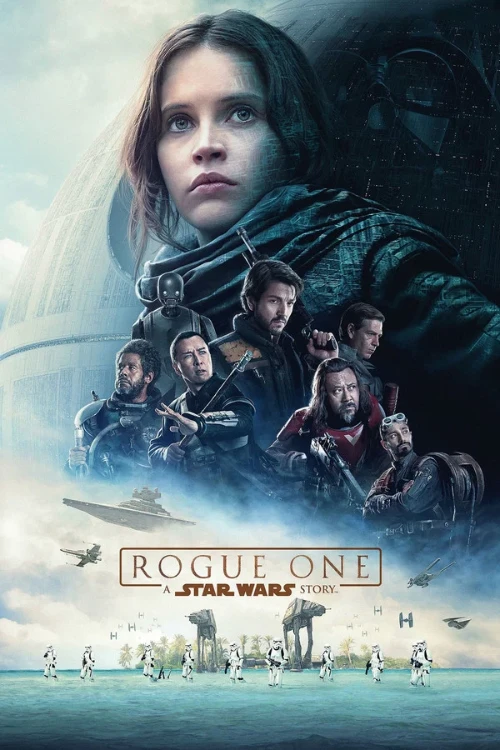
Directed by Gareth Edwards and released in 2016, "Rogue One: A Star Wars Story" stands out as the saga's first standalone anthology film, masterfully blending epic science fiction with the gritty realism of a dark war drama. Positioned directly prior to the events of "Episode IV - A New Hope," the film chronicles the perilous mission to steal the schematics for the Empire's ultimate weapon, the Death Star. Moving away from the fairytale tone of the main episodic entries to showcase the dust, grime, and brutal toll of military conflict, it delivers a remarkably bold narrative within the beloved universe. The storytelling shifts the focus away from Jedi knights and chosen figures toward the sacrifices of unsung, forgotten heroes. Led by Felicity Jones's resolute Jyn Erso and Diego Luna's morally complex Cassian Andor, the ragtag crew highlights the pragmatic gray areas of the Rebellion and the ethical weight of warfare. Rather than relying on simple dichotomies of good versus evil, the narrative emphasizes the devastating cost of galactic freedom. The escalating emotional stakes and the team's inescapable fate culminate in one of the most tragic and impactful third acts in Star Wars history. Technically and aesthetically, Gareth Edwards' documentary-style lens and grounded camera work grant the film a unique texture. The breathtaking beach warfare on Scarif, the tactical choreography of orbital fleet battles, and the stunning sense of scale demonstrate exceptional directorial craftsmanship. Furthermore, the terrifying corridor sequence featuring Darth Vader in the film's final moments instantly became one of the most iconic displays of power in cinematic history. Complementing this visual spectacle, Michael Giacchino's score pays homage to John Williams' legacy while supplying its own militaristic and tragic motifs. In conclusion, "Rogue One" is a visually stunning and emotionally powerful achievement that proves hope is forged in the darkest shadows through immense sacrifice. By infusing the franchise with mature war realism and haunting narrative weight, it endures as one of the most respected entries in the entire Star Wars canon.
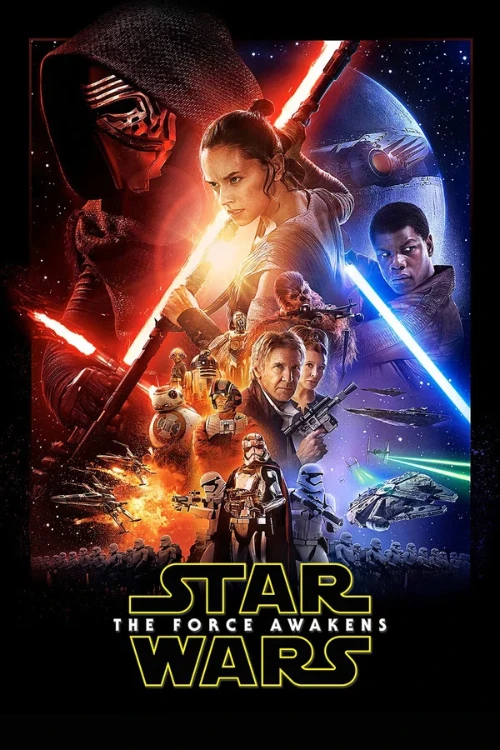
Directed by J.J. Abrams and released in 2015, "Star Wars: Episode VII - The Force Awakens" marks a monumental milestone that brought one of cinema's most legendary sagas back to the big screen after a decade-long hiatus. Taking up the torch from George Lucas, the film aims to satisfy the deep nostalgia of longtime fans while simultaneously welcoming a new generation of viewers into this captivating universe. The emergence of a new dark threat known as the First Order and the urgent quest to locate the missing Jedi Master Luke Skywalker serve as the narrative catalyst for this new era. The storytelling structure consciously mirrors the framework of 1977's "A New Hope." The crossing paths of Rey, a solitary scavenger on the desert planet Jakku, and Finn, a disillusioned stormtrooper fleeing the tyranny of the First Order, drive the energetic core of the film. While the return of iconic characters like Han Solo and Chewbacca gracefully passes the torch to the new leads, Adam Driver's portrayal of Kylo Ren—a deeply conflicted villain struggling beneath the imposing legacy of Darth Vader—adds impressive psychological weight to the drama. However, reliance on familiar tropes, such as the planet-destroying Starkiller Base, limits the script from taking truly bold narrative risks. Technically and aesthetically, the film strikes a superb balance between digital visual effects and practical props and sets. J.J. Abrams' dynamic camera work, fast-paced editing, and rich environmental design deliver a thrilling, immersive cinematic experience. Elevating this visual craft is master composer John Williams, whose new motifs—most notably "Rey's Theme"—brilliantly capture the spirit and emotional resonance of the new protagonists. In conclusion, while "The Force Awakens" leans heavily into safe, nostalgic territory rather than pioneering entirely new ground, its vibrant energy, compelling new characters, and immaculate technical execution successfully revitalize the Star Wars legacy for modern audiences.
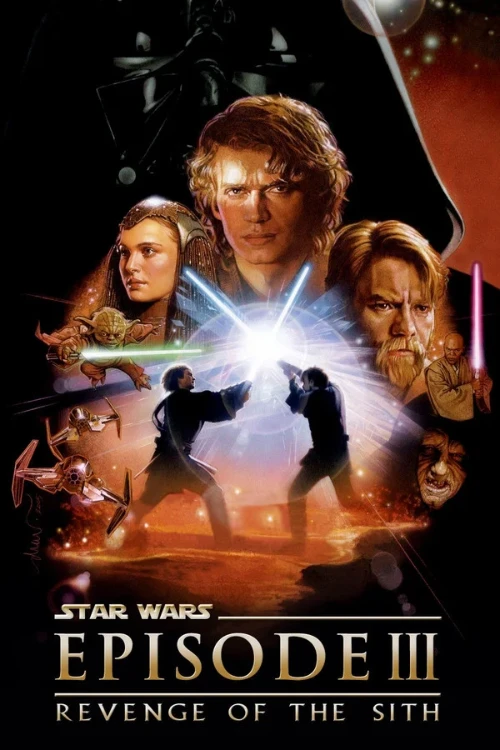
Released in 2005 and directed by George Lucas, "Star Wars: Episode III - Revenge of the Sith" serves as the grand, dark, and emotionally charged culmination of the prequel trilogy. Centering on the most anticipated and tragic turning point in the Star Wars universe, the film brings the fall of the Galactic Republic, the purge of the Jedi Order, and the fateful transformation of Anakin Skywalker into Darth Vader to the screen with staggering visual and narrative power. The seeds of fear, ambition, and suspicion sown across the previous two installments burst into an inevitable catastrophe, delivering one of the most compelling dramatic arcs in modern cinema. The narrative core of the film hinges on Anakin Skywalker's desperate fear of loss, skillfully exploited by the insidious and manipulative Chancellor Palpatine. As Palpatine entices Anakin with promises of power over life and death, the overarching political intrigue that transitions the Republic into an Empire under the guise of security adds a profound layer of real-world commentary. The sequence depicting "Order 66" remains one of the most poignant and heartbreaking montages in sci-fi history. Furthermore, the climactic duel between Obi-Wan Kenobi and Anakin Skywalker on the volcanic world of Mustafar stands as a haunting embodiment of brotherhood, betrayal, and sorrow. Technically and aesthetically, the film showcases the absolute peak of the trilogy's visual effects and action choreography. The ferocious lightsaber battle on Mustafar and the opening orbital space battle over Coruscant immerse the audience in a relentless, beautifully orchestrated spectacle. Hayden Christensen effectively conveys Anakin's tragic descent, matched by Ewan McGregor's emotionally resonant performance as Obi-Wan. Tying these visual and narrative threads together is John Williams' epic score, anchored by the haunting choral theme "Battle of the Heroes," which elevates the film's dramatic stakes to legendary proportions. In conclusion, "Revenge of the Sith" is a triumphant masterpiece that brilliantly concludes the prequel era while constructing an unbreakable bridge to the original trilogy. By unflinchingly capturing the heartbreaking fall of a hero into shadow, it endures as a powerful cinematic landmark within the Star Wars legacy.
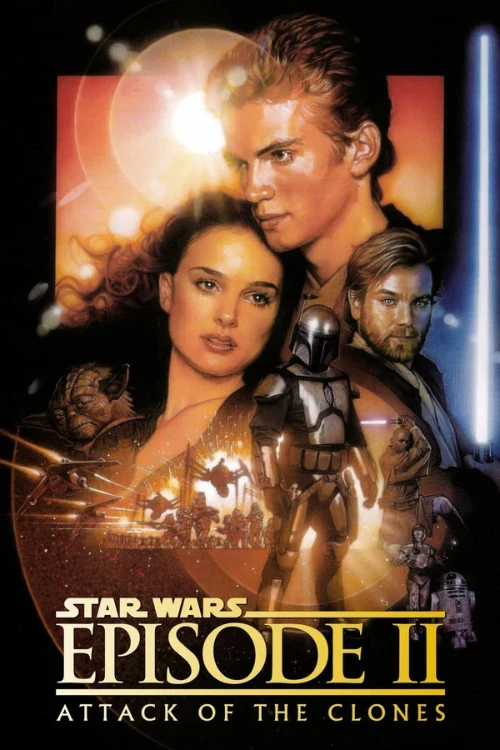
Released in 2002 and directed by George Lucas, "Star Wars: Episode II - Attack of the Clones" serves as the pivotal middle chapter of the prequel trilogy, detailing the turbulent era in which the Galactic Republic spirals toward doom. Set ten years after the events of "The Phantom Menace," the film focuses on the mounting political crises threatening the galaxy, the rise of the Separatist movement, and the accelerating descent of Anakin Skywalker toward the dark side. Built around political intrigue and emotional conflicts rather than the fairy-tale simplicity of the original trilogy, the film marks a significant expansion of the saga's lore. The narrative progresses along two distinct paths. On one hand, it follows Obi-Wan Kenobi in a detective-style investigation uncovering a secret clone army on the ocean world of Kamino; on the other, it depicts the budding forbidden romance between Anakin Skywalker and Padmé Amidala across Naboo and Tatooine. While Obi-Wan's mystery storyline adds engaging tension, Anakin's vengeful rampage on Tatooine following the tragic loss of his mother solidifies his internal downfall. However, the wooden romance dialogue and uneven dramatic pacing between Anakin and Padmé somewhat diminish the narrative's emotional impact. From a technical and visual perspective, as one of the first major blockbusters shot entirely on digital video, the film represented a bold technological leap. The spectacular climax in the Geonosis arena, the deployment of the clone troopers, and the lightsaber duels against Count Dooku elevate the action to its peak. In particular, Master Yoda's dynamic lightsaber duel remains a memorable high point of the sequence. Accompanying these events, John Williams' tragic and romantic composition, "Across the Stars," magnificently underscores the film's core themes. In conclusion, despite its narrative flaws and heavy reliance on early digital visual effects, "Attack of the Clones" stands as a vital turning point that heralds the outbreak of the legendary Clone Wars. It remains an essential chapter for understanding the fall of the Republic and the origin of a galactic tragedy.
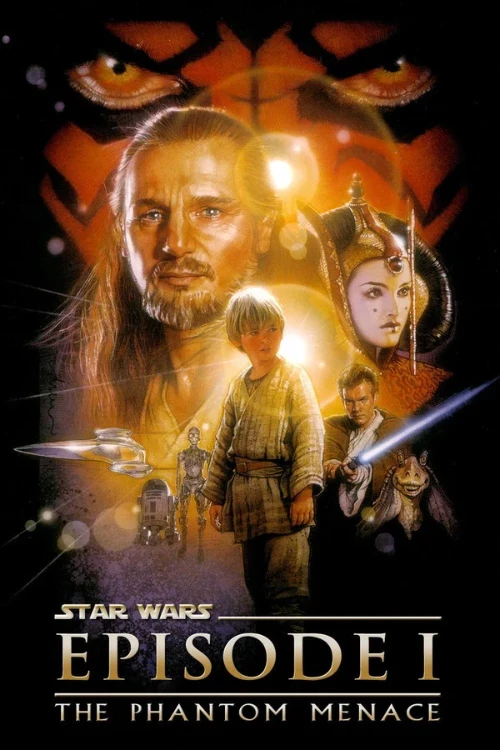
Released in 1999 and directed by George Lucas, "Star Wars: Episode I - The Phantom Menace" initiated a new era in cinema by opening a window into the past of the galaxy after a long sixteen-year anticipation following the original trilogy. As the opening installment of the prequel trilogy, the film focuses on the intricate political balance during the decline of the Galactic Republic, the Trade Federation's blockade of the planet Naboo, and the shadowy machinations of hidden dark forces. Departing somewhat from the fairytale simplicity of the original films, it presents a more bureaucratic and expansive depiction of the universe, taking a bold step to trace the origins of the saga. At the narrative heart of the film lies the effort of wise Jedi Master Qui-Gon Jinn and his loyal apprentice Obi-Wan Kenobi to resolve the galactic diplomatic crisis. The discovery of young Anakin Skywalker on the desert planet Tatooine—believed to be the prophesied chosen one destined to bring balance to the Force—plants the initial seeds for the tragic evolution to come. Liam Neeson's charismatic performance as Qui-Gon, Ewan McGregor's portrayal of a youthful Obi-Wan, and Natalie Portman's regal presence as Queen Amidala provide solid anchors for the cast. However, the inclusion of overly comedic elements like Jar Jar Binks and the biological explanation of the Force through "Midi-chlorians" drew criticism for somewhat diluting the saga's established mystical tone. From a technical and visual standpoint, the film served as a pioneering project that pushed the boundaries of late 90s CGI technology. The exhilarating Boonta Eve Podrace on Tatooine and the climactic lightsaber duel featuring Darth Maul's double-bladed weapon remain among the most iconic action set-pieces in sci-fi cinema. Elevating these sequences to legendary status is John Williams' operatic masterpiece, "Duel of the Fates," which weaves a dramatic intensity that resonates deeply with the audience. In conclusion, despite its pacing flaws and narrative controversies, "The Phantom Menace" retains a crucial role within the Star Wars lore through its expanding worldbuilding, unforgettable score, and groundbreaking visual effects. Experiencing the initial shadow of the hidden menace creeping across the galaxy offers a captivating return to the roots of a beloved universe.
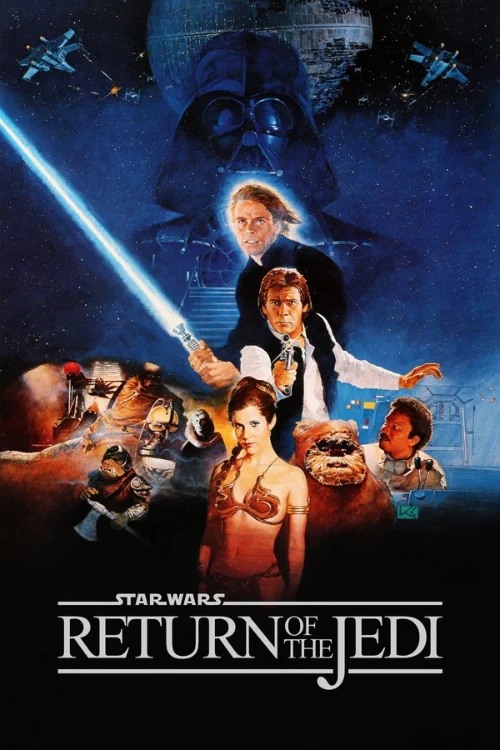
Released in 1983 and directed by Richard Marquand, "Star Wars: Episode VI - Return of the Jedi" serves as the grand, emotionally resonant conclusion to the original trilogy. Bringing the epic narrative woven across the previous installments to a definitive close, the film offers audiences both a visual spectacle and a poignant story of redemption and forgiveness. The rich universe crafted by George Lucas resolves its central themes around compassion, loyalty, and familial bonds, turning this final chapter into an unforgettable cinematic experience. The film's narrative begins with a high-stakes rescue mission at Jabba the Hutt's palace before expanding into a thrilling three-pronged finale that decides the fate of the galaxy. The ground assault on the forest moon of Endor, the high-octane space battle against the second Death Star, and, above all, the spiritual confrontation in the Emperor's throne room maintain a compelling rhythmic balance. Luke Skywalker's unwavering faith in the remaining light within his father, Darth Vader, forms the philosophical core of the story. Luke's refusal to give in to hatred and anger facilitates Anakin Skywalker's ultimate redemption, imbuing the climax with profound emotional weight. From a technical and aesthetic standpoint, the film pushes the boundaries of practical effects, creature design, and space combat sequence craftsmanship of its era. The kinetic choreography of the Death Star battle scenes retains a dynamic vigor that stands up remarkably well today. John Williams' majestic score continues to elevate every beat, seamlessly shifting from the sinister choral themes of the Emperor to the tragic, tense motifs of the Vader-Luke duel. In conclusion, "Return of the Jedi" crowns the original trilogy—one of the foundational pillars of sci-fi and fantasy cinema—with a deeply satisfying, timeless finale. By proving that ultimate victory over darkness is achieved not merely through military might but through love and redemption, the film firmly maintains its celebrated place in cultural history.
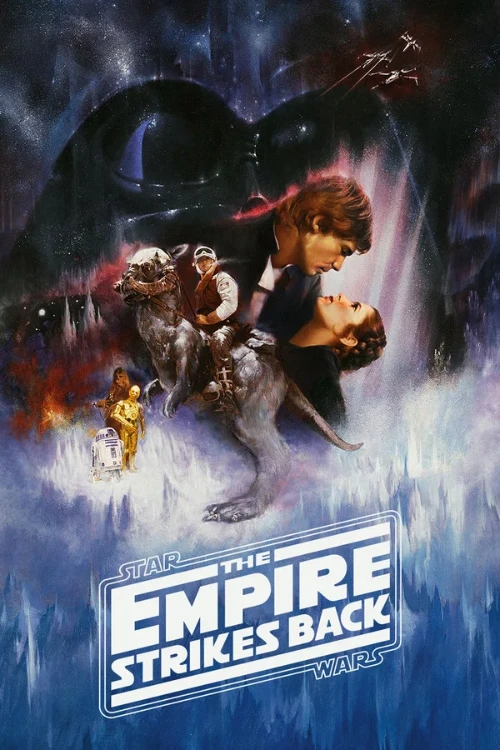
Released in 1980 and directed by Irvin Kershner, "Star Wars: Episode V - The Empire Strikes Back" transcends being merely one of the greatest sequels in cinema history to stand as a pinnacle of the science fiction genre. Moving beyond the triumphant tone of the original film, it propels the story into a much darker, more mature, and emotionally resonant realm, transforming the battle between good and evil from a straightforward conflict into a profound internal struggle for its characters. The captivating universe established by George Lucas attains a rare philosophical depth and tragic grandeur in this installment. The narrative advances with flawless balance along two parallel arcs. On one side, following the relentless ice battle on the planet Hoth, Luke Skywalker encounters Master Yoda in the foggy swamps of Dagobah to grasp the mystical nature of the Force; on the other, Han Solo and Princess Leia forge a deepening bond while attempting to evade the relentless Imperial fleet. The teachings imparted through Yoda elevate the concept of the Force to a spiritual level, while the confrontation at Cloud City—capped by one of the most earth-shattering reveals in cinematic history—drives the narrative's emotional arc to its peak. Ending on a note of defeat and uncertainty, the film boldly shattered conventional storytelling tropes of its era. Technically and aesthetically, the achievements in visual effects and set design command admiration to this day. From the freezing desolation of Hoth to the elegant architecture of Cloud City, every environment renders the universe tangible and believable. The puppetry of Yoda, brought to life by Frank Oz, represents a landmark achievement in practical craftsmanship given the technical limitations of the period. Furthermore, John Williams' legendary score—introducing the thunderous "Imperial March" to embody Darth Vader's formidable presence—remains one of the most iconic compositions in film history. In conclusion, "The Empire Strikes Back" is a timeless masterpiece that seamlessly weaves action, drama, mysticism, and psychological complexity. By unflinchingly exploring the costs of heroism and the seductive pull of the dark side, the film endures as an unrivaled benchmark in modern cinema.