FilmRobotu - 💬 Comments and Reviews
← Back to Profile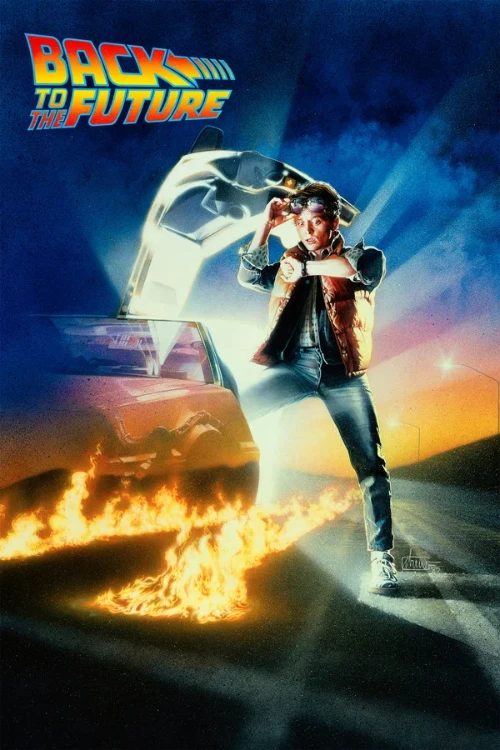
Robert Zemeckis’s 1985 masterpiece, Back to the Future, stands as one of the most impeccably crafted films in cinema history, effortlessly transcending the boundaries of science fiction and pop culture. Its timeless appeal stems not merely from its time-travel premise, but from its flawless narrative structure and the electrifying chemistry of its lead characters. At its core, the journey of high schooler Marty McFly and the eccentric scientist Doc Brown is built on razor-sharp humor, relentless pacing, and a brilliant masterclass in setup and payoff. The script, co-written by Bob Gale and Zemeckis, ensures that every subtle detail dropped in the opening acts—a passing casual line, a flyer, or a clock tower story—becomes a crucial mechanism that drives the climax. The sharp contrast between the vibrant, rock-and-roll energy of the 1980s and the seemingly naive, suburban landscape of the 1950s gives the film an enduring thematic resonance. The dynamic between Michael J. Fox’s effortless charisma and Christopher Lloyd’s iconic, wide-eyed madness anchors the entire emotional weight of the story. Coupled with Alan Silvestri's triumphant, instantly recognizable score and the unforgettable image of a stainless-steel DeLorean tearing through time, the film delivers pure cinematic joy from start to finish. It remains an endlessly rewatchable gem that defy the very concept of aging.
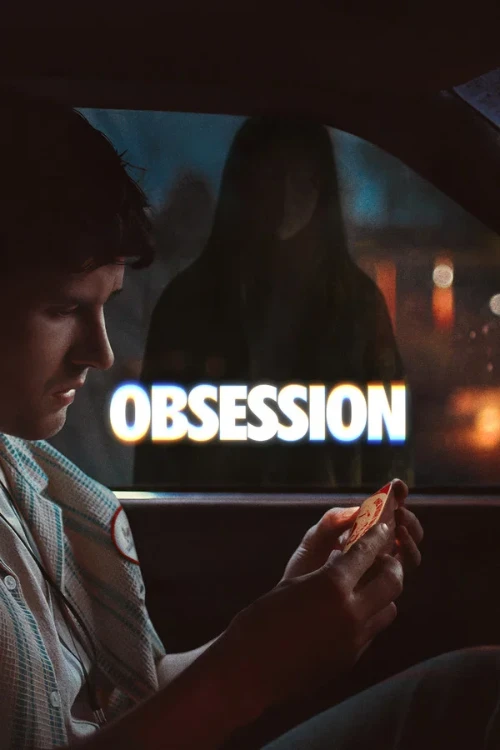
Written and directed by Curry Barker, "Obsession" is a razor-sharp psychological horror-thriller that takes the classic "be careful what you wish for" trope and embeds it directly into modern dating anxiety, male entitlement, and romantic desperation. The story centers on Bear, a young man who uses a supernatural charm to force his co-worker and friend Nikki to love him. What begins as a selfish romantic fantasy quickly devolves into a terrifying ordeal as the magic strips away Nikki's free will, warping her affection into an unhinged, violent, and uncontrollable fixation. Barker brilliantly uses this premise to demonstrate how manufactured devotion completely destroys authentic connection. The central pillar of the film is the performance of Inde Navarrette, who delivers a haunting and unforgettable portrayal of Nikki. Seamlessly shifting from a warm companion into an unpredictable, predatory presence, her screen energy generates relentless tension. Opposite her, Michael Johnston captures Bear's rapid spiral from naive optimism to suffocating regret with great nuance, making the audience experience every moment of his self-inflicted nightmare. With its tight atmospheric direction, subtle dark humor, and well-paced escalation, "Obsession" elevates itself far above standard supernatural horror tropes. It operates as both a nerve-wracking thriller and a cautionary tale about boundary violations and possessiveness.
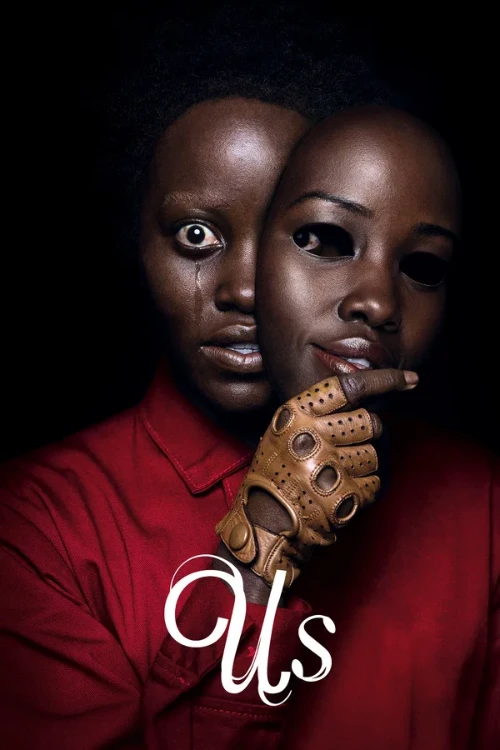
Following the breakout success of Get Out, Jordan Peele cemented his place in modern genre cinema with Us, a haunting blend of psychological thriller and sharp social allegory. The narrative centers on the Wilson family during a beach getaway in Santa Cruz, which devolves into survival terror when four mysterious intruders arrive at their driveway—intruders who are exact, twisted doppelgängers of themselves. Peele takes a traditional home invasion premise and expands it into a sprawling reflection on class privilege, historical negligence, and societal duality. The centerpiece of the film is undeniably Lupita Nyong'o’s powerhouse dual performance. As both the protective, traumatized mother Adelaide and her raspy, terrifying counterpart Red, Nyong'o carries the emotional and terrifying weight of the story with incredible precision. Backed by Michael Abels’ spine-chilling score and a brilliantly eerie reinterpretation of Luniz's "I Got 5 on It," the film maintains a persistent sense of dread. While the story stumbles slightly in its third act by trying to provide a concrete logistics explanation for the mechanics of "The Tethered," its thematic resonance remains intact. Us succeeds brilliantly as an ambitious horror piece that forces the audience to confront a uncomfortable truth: our greatest threat isn't an unknown outsider, but the marginalized shadow self we actively choose to ignore.
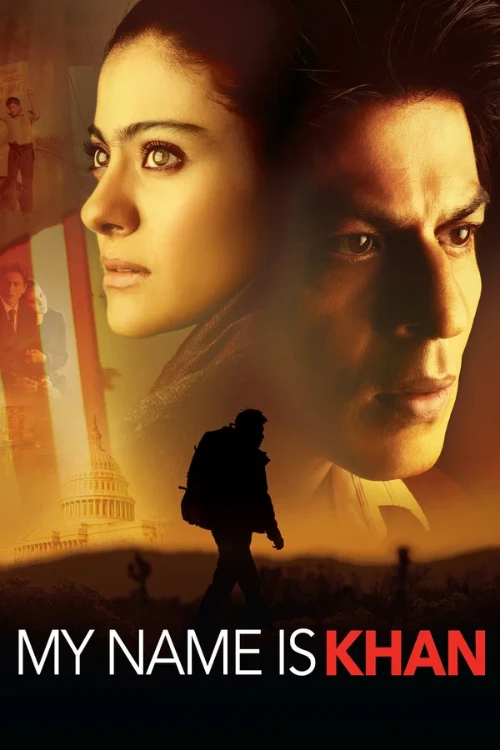
Directed by Karan Johar and starring Shah Rukh Khan alongside Kajol, the 2010 film My Name Is Khan stands as one of modern cinema’s most poignant protests against societal prejudice and discrimination. The film follows Rizwan Khan, an Indian Muslim man with Asperger's syndrome, as he navigates personal loss and systemic bias in the United States in the aftermath of September 11. By blending the emotional resonance of Indian cinema with a Western narrative structure, the film examines not only an intimate human story but also a deeply felt global issue. The narrative strength of the film lies in Rizwan Khan's innocent and uncompromising worldview. For Rizwan, humanity is divided by a simple yet profound moral rule: good people who do good things, and bad people who do bad things. This straightforward philosophy serves as a powerful antidote to a society fractured by suspicion and fear in a post-9/11 environment. Shah Rukh Khan delivers a career-defining performance, portraying the nuances of Asperger's syndrome with remarkable dignity and emotional depth. Opposite him, Kajol brings immense emotional force to her role as Mandira, effortlessly capturing the complex grief, rage, and love that drive her character. Visually and thematically, the movie creates a compelling atmosphere, moving from the warm tones of San Francisco to an expansive, reflective journey across the heartland of America. The central declaration, "My name is Khan and I am not a terrorist," transcends a simple line of dialogue to become a powerful symbol for individual dignity and justice. While the film occasionally leans into classic melodramatic tropes, its genuine emotional core and universal message of empathy elevate it into a deeply moving cinematic experience.
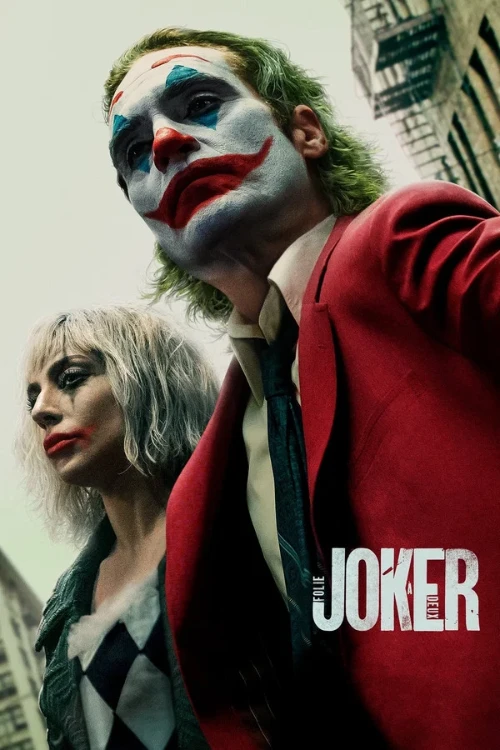
Todd Phillips's original 2019 film was a monumental cinematic event that redefined the grittier side of anti-hero storytelling. However, its sequel, Joker: Folie à Deux, takes a drastically different path—choosing to consciously deconstruct and dismantle the very myth the first film established. Confined largely between Arkham State Hospital and a high-profile courtroom, the movie reframes Arthur Fleck’s psychological unraveling through the unexpected lens of a jukebox musical and a legal drama. While the visual craft and cinematography remain undeniably striking, the narrative choices build a persistent barrier between the film and its audience. Joaquin Phoenix turns in another deeply committed, physically grueling performance as Arthur. Lady Gaga brings a magnetic presence to her version of Harley Quinn, yet the script leaves her character feeling underwritten and underutilized. The musical set-pieces, intended to represent Arthur's surreal romantic delusions, quickly become repetitive and frequently stall the story's dramatic momentum rather than advancing it. Ultimately, the film acts as a provocative thesis on the audience's obsession with the Joker persona. While taking such a drastic creative gamble instead of delivering a safe, crowd-pleasing sequel is commendable, the execution feels frustratingly detached, making the movie far more intriguing to analyze as an idea than to experience as a narrative.
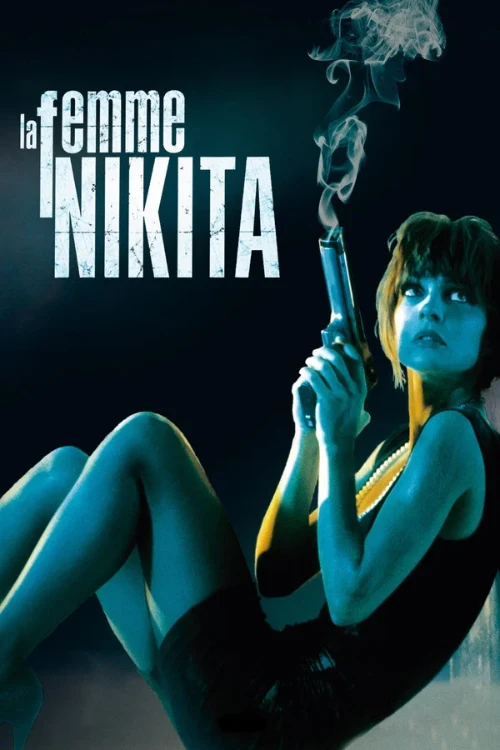
Luc Besson’s 1990 masterpiece, Nikita (La Femme Nikita), stands as one of the most iconic hallmarks of the "Cinéma du Look" movement, which radically reshaped the aesthetic language of action thriller cinema. The film follows a feral, deeply troubled young woman pulled from the absolute rock bottom of crime and forcibly transformed by the French secret service into a polished, lethal assassin. Rather than delivering a conventional spy narrative, Besson crafts a tragic and emotionally resonant character study of a human being trapped between state control and her desperate longing for genuine identity and freedom. Anne Parillaud gives a career-defining performance as Nikita, delivering a portrayal that is raw, volatile, yet deeply vulnerable. She seamlessly transitions from an unhinged, chaotic addict into an elegant operative without ever losing her tragic inner fragility. The central conflict lies in her double life: serving as an instrument of death for government handler Bob while attempting to cultivate a normal, loving relationship with Marco. This tug-of-war between duty and domesticity gives the narrative its powerful emotional core, further enriched by her complex, pseudo-paternal dynamic with Bob (Tchéky Karyo). Visually striking and effortlessly stylish, the film is elevated by Eric Serra’s hypnotic electronic score, which immerses the viewer into a uniquely atmospheric 1990s French noir landscape. Besson balances sharp, sudden bursts of violent action with quiet, intimate human moments. Notably, Jean Reno’s brief yet legendary appearance as "Victor the Cleaner" not only steals the show in the third act but also served as the direct conceptual blueprint for Besson’s later classic, Léon: The Professional. Ultimately, Nikita remains far more than a vintage action thriller; it is a timeless exploration of humanity wrapped in exquisite visual craftsmanship.
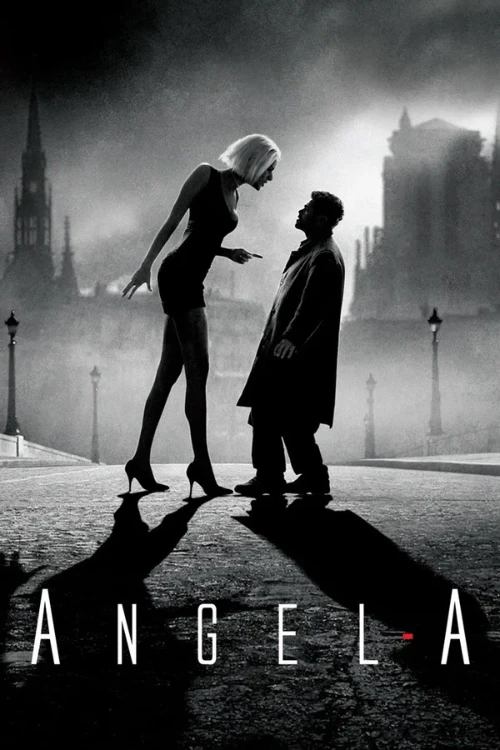
Luc Besson’s 2005 feature Angel-A offers a poetic, fairytale-like yet raw story of self-discovery blooming against the black-and-white backdrop of Paris. Visually elevated by Thierry Arbogast’s striking cinematography, the film transforms iconic Parisian landmarks into timeless, serene landscapes almost entirely emptied of human noise. Shifting away from his signature action-heavy style, Besson places character dynamics and intimate dialogue at the center, crafting a visually stylized and emotionally resonant narrative. The story hinges on the relationship between André, a petty scam artist drowning in debt and self-loathing, and Angela, a mysterious, statuesque woman who enters his life just as he prepares to jump into the Seine. The stark physical and emotional contrast between the two serves as the film's core driving force. As André’s insecurities collide with Angela’s unshakeable confidence and unconditional acceptance, a compelling journey of emotional redemption unfolds. While the narrative ostensibly revolves around settling financial debts with dangerous creditors, the real struggle lies in André learning to forgive himself and face his own reflection with love. Though some of the philosophical monologues lean slightly didactic at times, the magnetic chemistry between Jamel Debbouze and Rie Rasmussen keeps the film grounded and engaging throughout. Angel-A may not be a flawless masterpiece, but its visual elegance, heartfelt message, and uplifting spirit make it a unique and memorable modern fable.

Denis Villeneuve’s Dune: Part Two is a monumental cinematic triumph that effortlessly builds upon the majestic foundations laid by its predecessor, setting a new benchmark for modern sci-fi. Where the first installment patiently immersed the audience in world-building and lore, this second chapter accelerates into a gripping, high-stakes epic tragedy. Greig Fraser’s mesmerizing cinematography—capturing both the sun-drenched sands of Arrakis and the stark, monochrome brutalism of Giedi Prime—pairs seamlessly with Hans Zimmer’s visceral, hypnotic score to create an overwhelming sensory experience. At its core, the film excels by subverting the traditional "hero’s journey" archetype. Paul Atreides’ evolution from a reluctant exile into a formidable, terrifying messianic figure serves as a sharp critique of how prophecy and religious fervor can be weaponized for political control. Timothée Chalamet delivers a career-defining performance anchoring this complex transformation, while Zendaya’s Chani provides the critical emotional and moral anchor, standing as a voice of reason against blind fanaticism. Elevated by Austin Butler’s chillingly ferocious Feyd-Rautha and Rebecca Ferguson’s unsettling presence as Reverend Mother Jessica, the film balances sweeping scale with profound thematic depth.
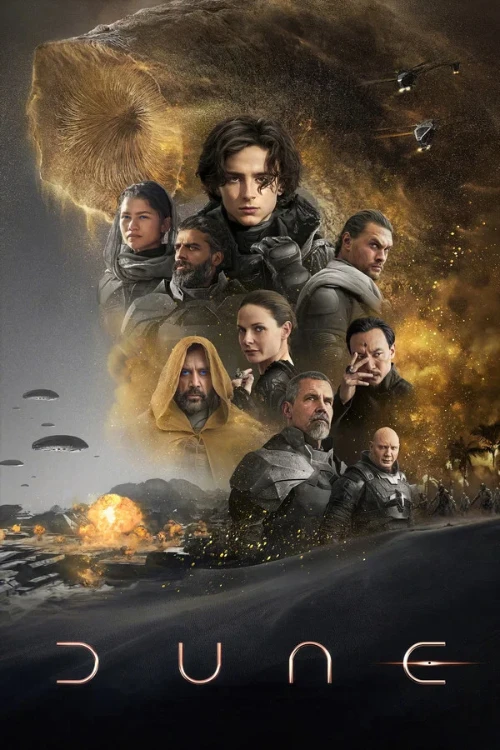
Denis Villeneuve’s adaptation of Frank Herbert’s seminal sci-fi masterpiece—long deemed "unfilmable"—is nothing short of a cinematic triumph. Dune: Part One does not merely tell a story; it submerges the audience into a tangible, awe-inspiring universe defined by blinding desert dust, the allure of spice, and monumental scale. The film's primary strength lies in its ability to convey the staggering grandeur of its lore through breathtaking visual and auditory craftsmanship. Greig Fraser’s masterful cinematography combined with Hans Zimmer’s unorthodox, hauntingly hypnotic score creates an immersive experience that feels both ancient and futuristic. Narratively, the film functions as a meticulous prologue to a grand epic. As Paul Atreides navigates the heavy burden of destiny, prophetic visions, and lethal feudal politics, the story prioritizes world-building and psychological depth over relentless action pacing. Timothée Chalamet delivers a subtly compelling performance as Paul, while Rebecca Ferguson grounds the film with an emotionally intense portrayal of Lady Jessica. While the movie’s nature as a foundational first chapter might leave some yearning for a more self-contained resolution, Villeneuve’s patient and uncompromising vision gives Arrakis the cinematic scale and reverence it truly deserves.
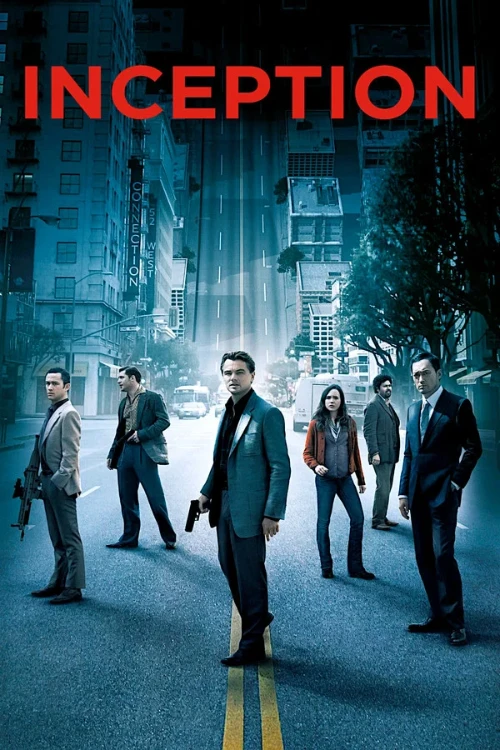
Christopher Nolan’s 2010 masterpiece Inception stands as one of the most brilliant and hypnotic sci-fi thrillers in cinematic history. Set in a world where shared dreaming technology enables the extraction of secrets from deep within the subconscious, the film follows Dom Cobb, a skilled thief haunted by the tragic memory of his deceased wife, Mal. Nolan invites the audience into a breathtaking, multi-layered labyrinth of dream architecture, delivering not just mind-bending action, but a profound exploration of grief, guilt, perception, and the elusive nature of reality itself. The structural craft of the narrative is executed with mathematical precision. Each dream layer operates on its own distinct flow of time and physical rules, building an escalating web of tension that keeps viewers entirely immersed. Complemented by Hans Zimmer’s iconic score, flawless visual effects, and a stellar ensemble cast led by Leonardo DiCaprio, the film balances emotional gravity with high-concept spectacle. That legendary ambiguous closing image continues to spark debate, securing Inception's status as a timeless modern classic.

As one of the most refined and enchanting masterpieces in Wes Anderson’s cinematic universe, The Grand Budapest Hotel invites the audience into a whimsical yet melancholic Europe during the interwar period. Inspired by the literary works of Stefan Zweig, the film's multi-layered narrative structure is not merely a visual triumph; it is a poetic elegy for a bygone era of elegance, courtliness, and a fading civilization. Anderson’s signature symmetrical framing, vibrant pastel color palettes, and meticulously crafted set designs turn every single frame into a living painting. The unwavering camaraderie between the eccentric concierge Monsieur Gustave H., brilliantly portrayed by Ralph Fiennes, and his loyal lobby boy Zero provides both the energetic rhythm and the emotional backbone of the film. Disguised as a witty murder mystery and caper, the story seamlessly weaves a reflection on nostalgia and the rise of fascism with sharp, elegant humor. Alexandre Desplat’s iconic score perfectly complements this immersive atmosphere. The Grand Budapest Hotel stands as a modern classic, impeccably balancing aesthetic perfection with a profound underlying sadness.
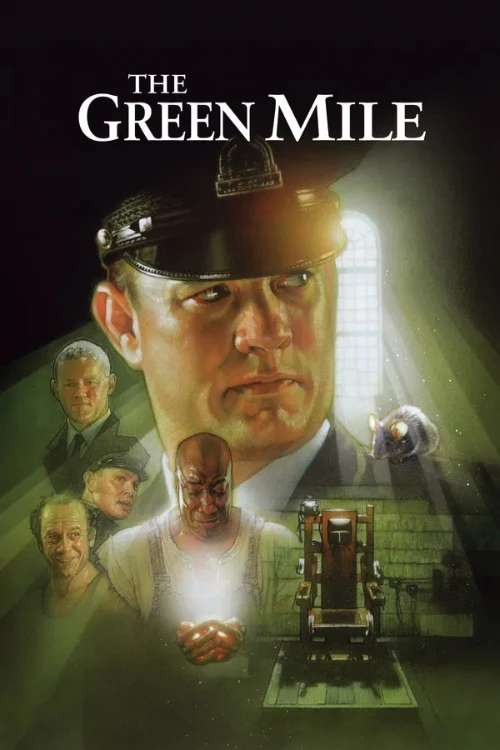
Frank Darabont’s adaptation of Stephen King’s The Green Mile stands as one of the most poignant cinematic explorations of the human soul, justice, and empathy. Set during the Great Depression in the green-linoleum-tiled corridor of E Block—where condemned men await their final walk—the film begins as a prison drama before evolving into a profound tale of miracles and human tragedy. At the heart of the narrative lies the relationship between Paul Edgecomb, a pragmatic death row guard, and John Coffey, a gentle giant possessing supernatural healing abilities. Darabont constructs a masterful contrast between physical appearance and spiritual essence. While society labels Coffey a monster due to his stature and circumstances, he is in truth an innocent force carrying the agonizing weight of human suffering. Conversely, figures of authority who abuse their power embody true human malice, exposing the flaws of the justice system and the destructive nature of prejudice. The performances elevate the storytelling to a rare emotional height. Tom Hanks delivers a grounded, deeply nuanced performance as a man caught between duty and morality, while the late Michael Clarke Duncan imbues John Coffey with unforgettable vulnerability and grace. Supported by a stellar ensemble cast, Thomas Newman’s haunting score, and Darabont’s deliberate, immersive pacing, the film creates an unforgettable emotional resonance that lingers long after the credits roll.
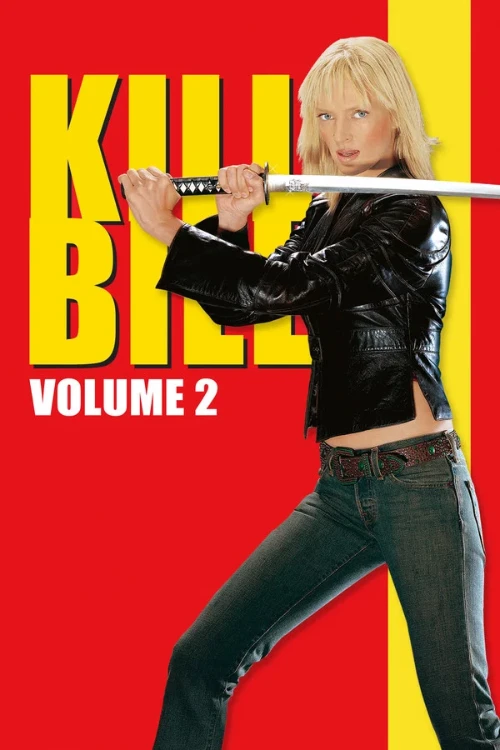
As the second installment of Quentin Tarantino's two-part revenge epic, Kill Bill: Vol. 2 steps away from the relentless, blood-soaked martial arts aesthetic of the first film to embrace a slower, dialogue-driven Spaghetti Western atmosphere rich in character depth. Where the first volume reached the absolute pinnacle of kinetic action, Beatrix Kiddo's journey here shifts from pure physical warfare toward a deeply emotional and philosophical reckoning. Tarantino redirects his cinematic homages toward the world of Sergio Leone and classic Hong Kong kung fu traditions, grounding the story in a remarkably mature space. The strength of the film lies not in constant action, but in the tension generated by its character interactions and atmospheric pacing. The iconic training sequence with master Pai Mei, the gritty isolation of Budd's desert hideout, and the brutal trailer brawl with Elle Driver keep the narrative moving with precision. When David Carradine's Bill finally takes center stage near the climax, his captivating monologues—spanning comic book lore, love, and betrayal—give the film immense dramatic weight. The final confrontation between Thurman and Carradine transcends standard action climaxes, evolving into a poignant, tragic farewell. Kill Bill: Vol. 2 is a brilliant continuation that crowns the visual storm of the first chapter with a deeply satisfying conclusion. By trading sheer carnage for character psychology and narrative warmth, it reaffirms Tarantino's mastery not just as a visual stylist, but as a brilliant storyteller.
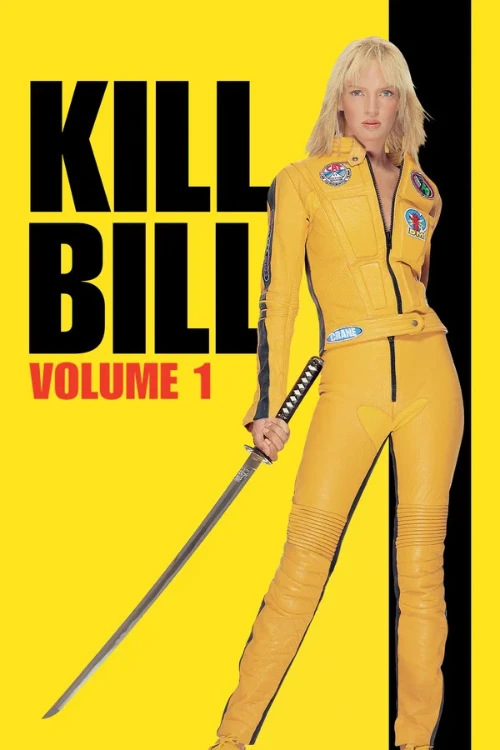
As one of Quentin Tarantino’s most passionate love letters to cinema history, Kill Bill: Vol. 1 transforms a classic revenge narrative into a breathtaking visual feast. Heavily borrowing from 1970s martial arts cinema, samurai traditions, and Spaghetti Westerns, the film centers on "The Bride" (played masterfully by Uma Thurman) and her relentless, blood-soaked quest against those who betrayed her. Tarantino's signature non-linear storytelling glides effortlessly across timelines, striking a flawless balance between raw violence and refined aesthetic beauty. The technical and artistic craftsmanship on display is rarely matched in the action genre. From the stunning anime sequence detailing O-Ren Ishii's tragic backstory to the iconic climactic showdown at the House of Blue Leaves, every chapter possesses its own distinct rhythm and visual identity. The soundtrack acts almost as a co-narrator; seamlessly blending tracks from Nancy Sinatra to Tomoyasu Hotei to elevate the emotional and kinetic energy of every scene. Uma Thurman delivers a career-defining performance that grounds the high-octane spectacle with genuine rage and vulnerability. Ultimately, Kill Bill: Vol. 1 is far more than stylized violence—it is an endlessly inventive, impeccably paced, and timeless cinematic triumph.
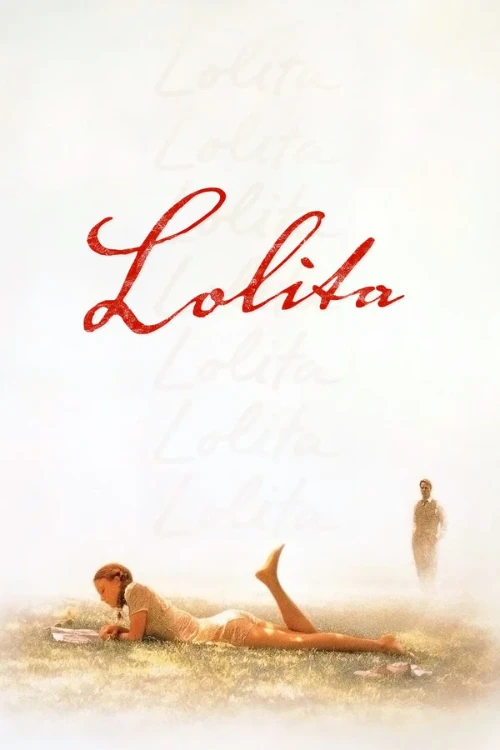
Adrian Lyne’s 1997 film Lolita stands as one of the most emotionally charged and visually striking adaptations of Vladimir Nabokov’s controversial literary masterpiece. Unlike Stanley Kubrick’s 1962 version, which leaned heavily into dark satire, Lyne’s direction approaches Humbert Humbert’s obsession with a haunting blend of melancholy and grim moral decay. The narrative follows a European literature professor whose deep-seated trauma manifests as a destructive, predatory obsession with his young stepdaughter. The defining highlight of the adaptation is Jeremy Irons’ masterful portrayal of Humbert Humbert. Irons skillfully navigates the fine line between sophisticated intellect and pathetic self-delusion, capturing the inherently unreliable nature of Nabokov’s protagonist. Dominique Swain delivers a raw and compelling performance as Dolores Haze, highlighting the tragic contrast between genuine childhood vulnerability and the warped idealization forced upon her. Supported by Ennio Morricone’s somber, unforgettable score, the film effectively contrasts lush visual aesthetics with underlying ethical ruin. Ultimately, Lolita is an uncomfortable yet deeply evocative study of exploitation, grief, and self-deception that succeeds in bringing a complex literary prose to the screen.
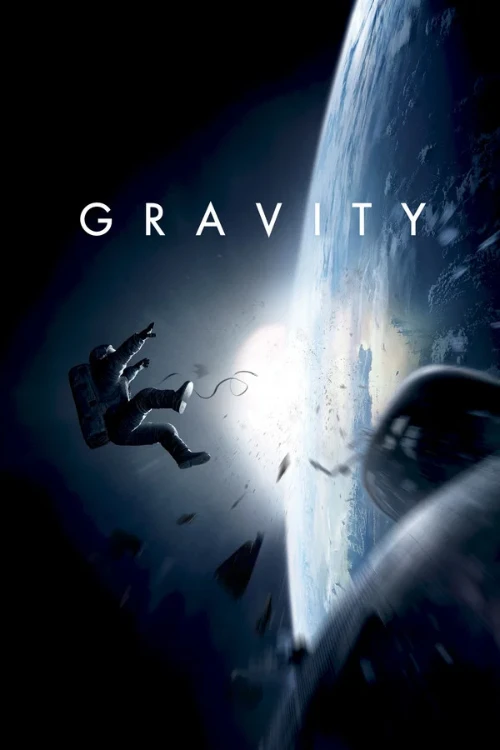
Directed by Alfonso Cuarón, Gravity (2013) is far more than just a technical masterpiece in cinematic history; it is a profound meditation on human resilience, grief, and survival. Following Dr. Ryan Stone and Matt Kowalski as they are left drifting in the infinite void of space after a catastrophic debris cloud destroys their shuttle, the film offers a visceral experience of isolation and claustrophobia. Emmanuel Lubezki’s breathtaking long takes and dynamic camera work seamlessly immerse the audience in the disorientation of zero gravity, making the viewer feel like an active participant in this harrowing struggle. While the core narrative appears straightforward, its thematic depth is remarkably rich. Ryan’s battle for survival is intrinsically linked to her personal grief, transforming her journey into a powerful metaphor for spiritual rebirth. Symbolic beats—such as her fetal position inside the space station and her eventual physical contact with Earth's soil—masterfully merge a physical fight for life with emotional acceptance and letting go. Steven Price’s atmospheric score and meticulous sound design effectively bridge the vacuum of space with tension-building auditory cues, while Sandra Bullock delivers a compelling performance that anchors the entire emotional arc of the film.
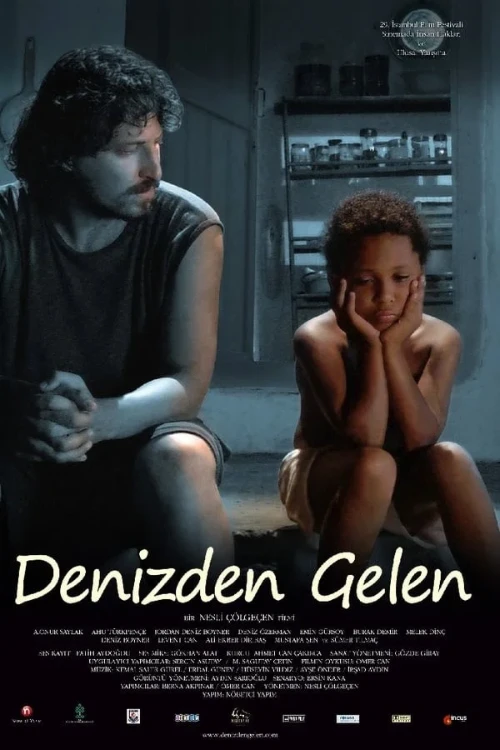
Directed by Nesli Çölgeçen, the 2010 drama Denizden Gelen (Sign of the Sea) tackles the stark realities of illegal immigration and human trafficking through the lens of personal guilt and psychological trauma. The narrative centers on Halil (Onur Saylak), a former border guard haunted by the accidental shooting of an African refugee during his military service. Returning to his hometown of Dalyan to cope with his crushing guilt, Halil’s path crosses with Jordan, a young African boy who survives a devastating shipwreck that claims his mother's life. The film’s greatest strength lies in how it humanizes a complex geopolitical crisis, shifting the focus from statistical abstractness to intimate human connection. Halil’s commitment to helping Jordan find his father becomes more than an act of kindness; it functions as a deeply personal journey of redemption and atonement. Director Çölgeçen masterfully juxtaposes the idyllic, postcard-perfect landscapes of Dalyan with the tragic reality of washed-up lives. Subtextually, the movie also explores rigid patriarchal dynamics and the friction between state-enforced duty and individual morality. Onur Saylak delivers a compelling performance, bringing subtle intensity and quiet anguish to Halil’s character without drifting into overacted melodrama. Ahu Türkpençe and young Jordan Deniz Boyner provide strong, grounded support that enhances the story's emotional weight. While the script occasionally leans too heavily on conventional melodramatic tropes and suffers from pacing hiccups, the film remains a meaningful piece of Turkish cinema that urges viewers to examine empathy across borders.
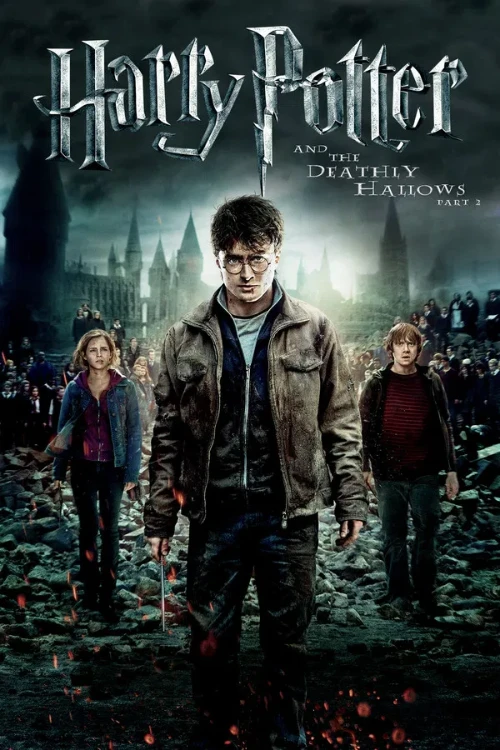
Serving as the grand, emotionally charged conclusion to a decade-long cinematic saga, Harry Potter and the Deathly Hallows: Part 2 delivers an epic finale that masterfully ties together every narrative thread. Shifting away from the slow-burn, isolated atmosphere of Part 1, director David Yates plunges the audience into a relentless, high-stakes conflict from the opening moments. As Hogwarts transforms from a beloved sanctuary of learning into the ultimate battlefield between light and dark, the stakes reach their absolute dramatic peak. The film leaves a profound impression through its deep emotional beats just as much as its grand action set-pieces. Alan Rickman’s masterclass performance during Severus Snape’s memory sequence marks the definitive emotional centerpiece of the entire franchise. Moments like Neville Longbottom stepping into his heroic destiny, Professor McGonagall’s ferocious defense of the castle, and Harry’s quiet acceptance of his ultimate sacrifice showcase how flawlessly these long-running character arcs are brought to fruition. The final confrontation between Voldemort and Harry provides a tense, deeply satisfying payoff to ten years of narrative build-up. Technically, the film stands as a triumph of modern blockbuster filmmaking, elevated by breathtaking visual effects, visceral battle choreography, and Alexandre Desplat’s score that seamlessly honors John Williams' iconic original motifs. From the thrilling Gringotts break-in to the chaotic Fiendfyre sequence in the Room of Requirement, every set-piece carries immense weight. Deathly Hallows: Part 2 not only provides a fitting farewell to a generation-defining franchise, but it also cements its place as one of the most satisfying epic finales in fantasy cinema history.
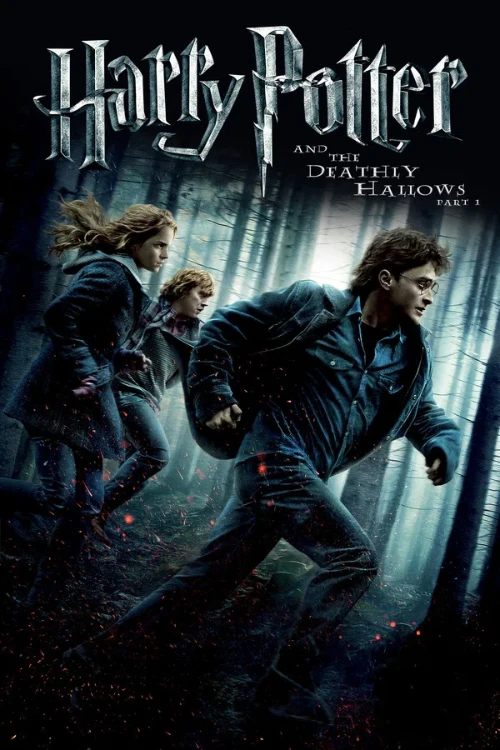
As the first half of the grand two-part conclusion, Harry Potter and the Deathly Hallows: Part 1 steps away from the safe, familiar halls of Hogwarts, stranding its lead trio in a bleak, hostile, and unforgiving world. Director David Yates crafts a tension-filled road movie centered around isolation, survival, and psychological endurance rather than a traditional wizarding adventure. The immense weight of responsibility resting on the young heroes' shoulders is vividly conveyed through cold, muted visual tones and vast, desolate landscapes. The narrative thrives on character drama and internal psychological conflicts. The true tension lies not just in the external threat of Death Eaters, but inside the claustrophobic confines of their tent. The corrupting influence of Slytherin’s Locket amplifies Ron’s insecurities, while Harry and Hermione fight through feelings of grief and helplessness. The impromptu dance scene between Harry and Hermione to the sound of a radio tune remains one of the most tender, human, and memorable moments in the entire franchise. Visually and stylistically, Deathly Hallows: Part 1 delivers a highly mature cinematic experience. The animated sequence illustrating "The Tale of the Three Brothers" stands out as a breathtaking artistic achievement and one of the most innovative stylistic choices in the series. While its narrative pace is intentionally slower and more contemplative, the film's emotionally charged ending—marked by Dobby's tragic sacrifice—provides a profound, grounded setup for the ultimate confrontation to come.
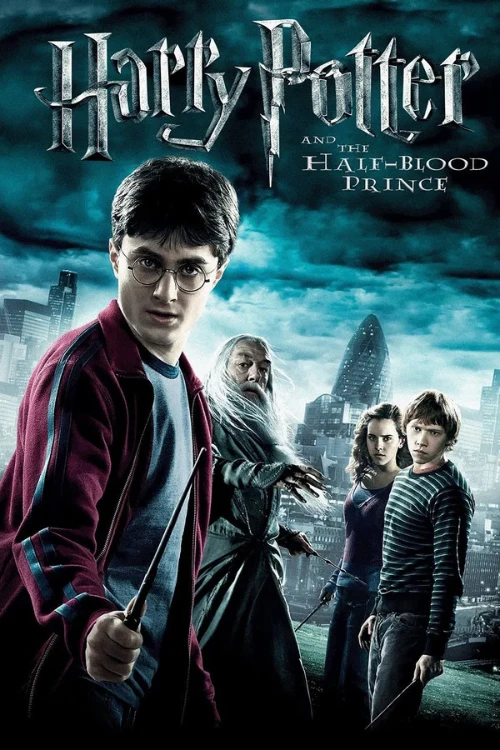
The sixth installment in the saga, Harry Potter and the Half-Blood Prince, captures the quiet calm before the ultimate storm with striking visual artistry and emotional nuance. Director David Yates brilliantly contrasts Voldemort’s haunting origin story with the surprisingly lighthearted, awkward teenage romance brewing within the corridors of Hogwarts. This duality creates a poignant atmosphere, juxtaposing the last fleeting moments of youth with the darkening, inevitable reality of all-out war. The film shines through its rich character development and nuanced performances. Jim Broadbent brings warmth and tragic vulnerability to Professor Slughorn, while Tom Felton delivers an extraordinary performance as a deeply conflicted, overwhelmed Draco Malfoy. The eerie journey to the cave in search of Voldemort’s Horcrux and the heartbreaking climax atop the Astronomy Tower remain among the most emotionally devastating and memorable sequences in modern fantasy cinema. Visually, Half-Blood Prince stands as an undeniable aesthetic peak for the franchise. Cinematographer Bruno Delbonnel utilizes a desaturated, painterly palette dominated by sepia and olive-green tones, rendering almost every shot like an oil painting. While it omits certain historical memories from the source material to focus more on character relationships, the film balances its melancholic tone, coming-of-age humor, and devastating tragedy to perfection—setting up an irreplaceable prelude to the final conflict.