FilmRobotu - 💬 Comments and Reviews
← Back to Profile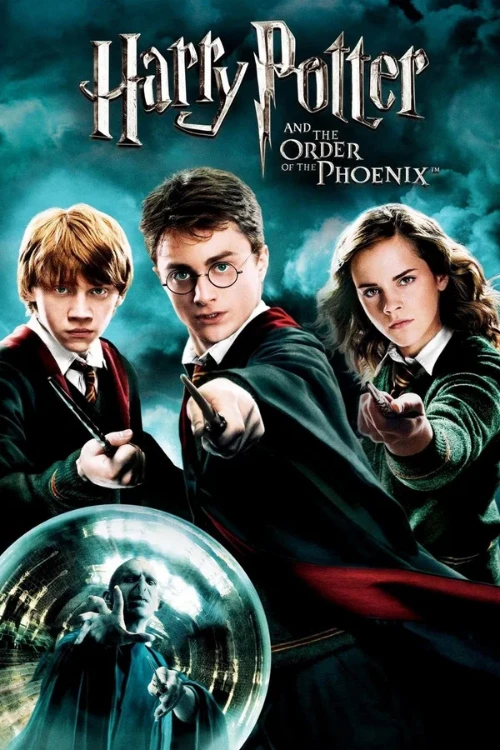
The fifth installment in the franchise, Harry Potter and the Order of the Phoenix, marks a significant shift toward a sleek psychological and political thriller. Taking the helm for the first time, director David Yates introduces a colder, visually refined tone that captures the lingering dread of an impending war. Haunted by the trauma of Cedric Diggory's death and feeling increasingly isolated from his allies, Harry’s internal psychological struggle forms the core emotional anchor of the story. This entry stands out for its sharp social and political subtexts. Imelda Staunton delivers a masterclass performance as Dolores Umbridge, creating one of the most infuriating and memorable antagonists in modern cinema. The Ministry of Magic's state-sponsored denial, media censorship, and totalitarian control over Hogwarts ground the narrative in compelling real-world themes. In response to this oppressive regime, the formation of Dumbledore’s Army beautifully highlights themes of solidarity, youth empowerment, and active rebellion. Visually and structurally, Order of the Phoenix delivers high-caliber spectacle along with deep emotional weight. The climactic battle within the Department of Mysteries, the devastating loss of Sirius Black, and the spellbinding duel between Dumbledore and Voldemort represent some of the absolute visual high-water marks of the entire saga. By streamlining a massive source novel into a focused, fast-paced narrative, the film seamlessly sets the stage for all-out wizarding warfare.
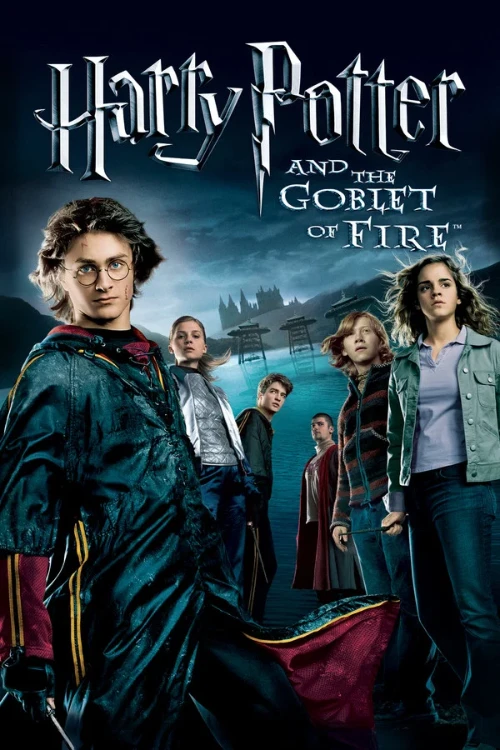
The fourth entry in the saga, Harry Potter and the Goblet of Fire, dramatically expands the scope of the Wizarding World beyond the walls of Hogwarts. Directed by Mike Newell, the film introduces an international dimension through grand-scale events like the Quidditch World Cup and the legendary Triwizard Tournament. Marking a definitive loss of innocence, this installment serves as a pivotal bridge that shifts the franchise from a whimsical coming-of-age story into an intense, high-stakes dark fantasy. The narrative skillfully balances adrenaline-pumping tournament challenges with the grounded, relatable anxieties of teenage adolescence. The Yule Ball sequence offers a delightful pause, capturing the awkwardly charm-filled dynamics, budding romances, and jealousy among the core characters. Outstanding additions to the cast enrich the experience, particularly Brendan Gleeson as the eccentric Mad-Eye Moody and Ralph Fiennes, whose chilling debut as the resurrected Lord Voldemort transforms the climax into one of the most haunting sequences in modern cinema. The tragic demise of Cedric Diggory firmly establishes that real danger has arrived. Tasked with adapting one of the thickest novels in the series, the film maintains a relentless pace that propels the story forward. The three tournament tasks—confronting a Hungarian Horntail, diving into the murky depths of the Black Lake, and navigating the sinister living maze—deliver impressive visual spectacle and suspense. Goblet of Fire stands out as a thrilling, dark, and emotionally resonant chapter that permanently alters the course of the entire series.
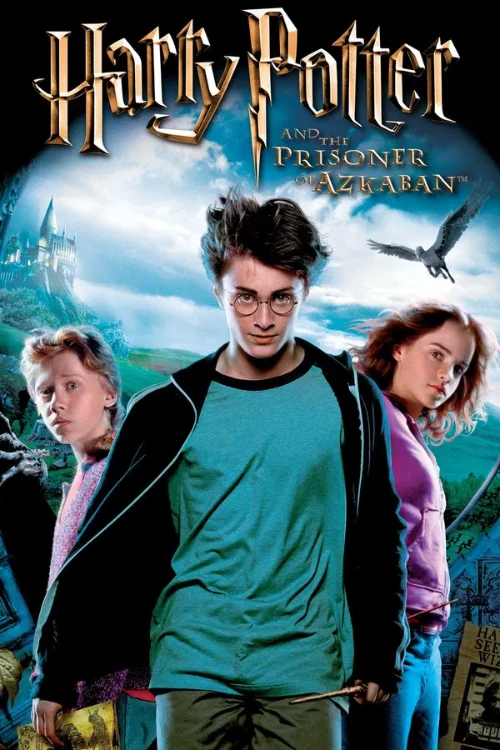
The third installment in the saga, Harry Potter and the Prisoner of Azkaban, marks a decisive turning point for the franchise under the visionary direction of Alfonso Cuarón. Moving away from the vibrant, fairy-tale aesthetic of Chris Columbus’s opening entries, Cuarón infuses the narrative with a darker, more haunting, and deeply atmospheric cinematic identity. By placing the anxieties of adolescence at its core, the film redefines the Wizarding World not just as a place of magical wonder, but as a complex arena for grief, identity, and psychological struggle. The narrative reaches new emotional heights through its exceptional additions to the cast and thematic complexity. Gary Oldman as Sirius Black and David Thewlis as Remus Lupin bring extraordinary dramatic weight, serving as crucial anchors to Harry’s past and lost family heritage. The Dementors—serving as stark visual metaphors for trauma and depression—signal a permanent shift toward mature storytelling. Furthermore, swapping traditional school robes for everyday muggle attire and reimagining Hogwarts' grounds add a layer of grounded realism to the mystical setting. Technically, Prisoner of Azkaban stands as the most visually sophisticated and auteur-driven film in the entire franchise. Cuarón’s fluid long takes, poetic seasonal transitions, and flawless execution of the Time-Turner sequence lend the film a timeless quality. Paired with John Williams’ enriched, medieval and jazz-tinged musical score, Prisoner of Azkaban rises far above standard franchise cinema, solidifying its place as a masterpiece of the fantasy genre.
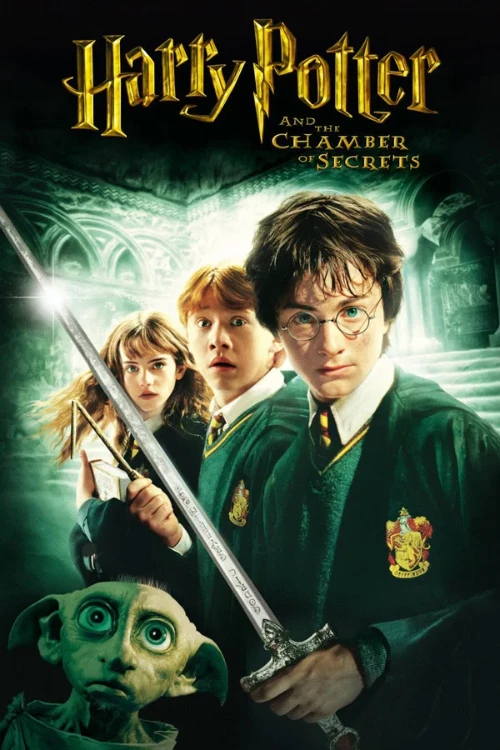
The second chapter of the wizarding saga, Harry Potter and the Chamber of Secrets, takes the magical foundation laid by its predecessor and shifts it toward a darker, more suspenseful tone. Director Chris Columbus retains the enchanting warmth of Hogwarts while dialing up the eerie atmosphere, marking the beginning of the series' transition into more mature themes. Bloody warnings on corridor walls, petrified students, and the unraveling of an ancient school legend effectively turn this installment into a captivating fantasy mystery. The narrative thrives on its world-building and key cast additions. Kenneth Branagh delivers a delightfully comedic performance as the narcissistic Professor Gilderoy Lockhart, providing a lighthearted balance to the film's heavier moments, while Jason Isaacs brings a chilling, sinister presence as Lucius Malfoy. The introduction of Dobby the House-Elf expands the lore by highlighting the social structures within the Wizarding World, while subtexts surrounding blood purity and prejudice add a meaningful layer of depth to the adventure. Technically, the film stands out for its era. The digital creation of Dobby, the imposing presence of Aragog, and the climactic encounter with the Basilisk maintain high visual tension throughout. Despite being the longest entry in the franchise, the film keeps its narrative momentum steady. Enhanced by John Williams' evocative score and rich set design, Chamber of Secrets stands as a robust sequel that blends childhood nostalgia with an engaging, spine-chilling mystery.
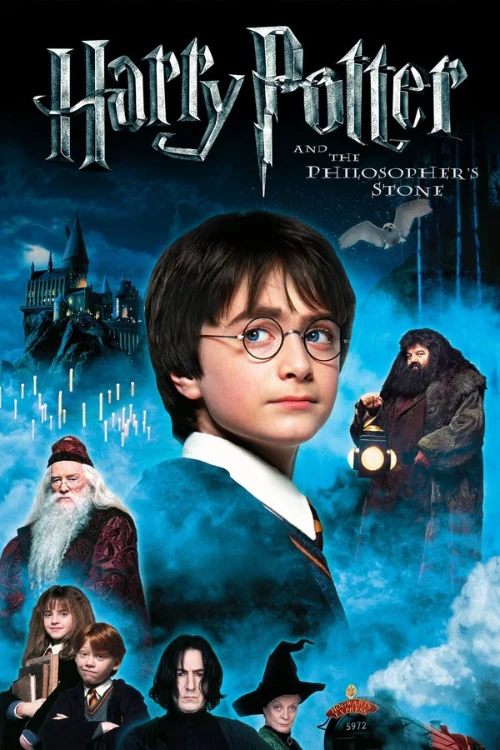
Laying the groundwork for one of the most iconic fantasy franchises in cinema history, Harry Potter and the Sorcerer's Stone welcomes audiences with a profound sense of wonder and enchanting atmosphere. Director Chris Columbus strikes a delicate balance while adapting J.K. Rowling’s sprawling literary universe to the big screen. The film’s greatest strength lies in its ability to invite viewers not just into a narrative, but into a meticulously crafted magical realm. From Diagon Alley to the majestic Great Hall of Hogwarts, every location evokes a genuine feeling of discovery. John Williams' legendary musical score plays a vital role in the film's atmospheric triumph. The iconic "Hedwig's Theme" instantly transports the listener into a world of magic within its first few notes. The casting balances the charming, youthful energy of Daniel Radcliffe, Rupert Grint, and Emma Watson with the theatrical gravitas of British acting royalty, including Alan Rickman, Maggie Smith, Richard Harris, and Robbie Coltrane. In particular, Alan Rickman’s portrayal of Severus Snape offers a compelling glimpse into the narrative depth that unfolds later in the saga. While the visual effects reflect early 2000s CGI technology, the film’s practical set designs and warm color palette turn any technical aging into a nostalgic strength. In terms of pacing and storytelling, it successfully condenses a detailed novel into a coherent two-and-a-half-hour cinematic journey without sacrificing its core spirit. It remains a timeless modern classic that appeals equally to children and adults.
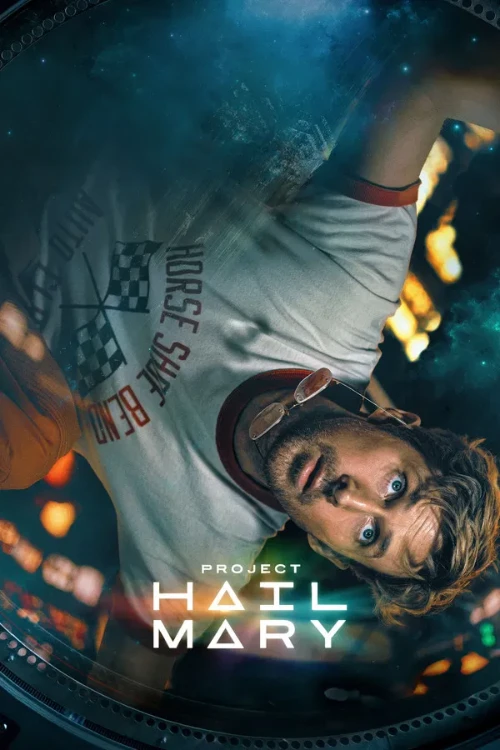
Adapted from Andy Weir’s acclaimed bestseller, Project Hail Mary flourishes under the inventive direction of Phil Lord and Christopher Miller, transforming complex hard science fiction into an energetic, emotionally resonant, and visually stunning cinematic journey. Ryan Gosling delivers a captivating lead performance as Ryland Grace, effortlessly balancing the vulnerability of an isolated survivor with the witty optimism of a born educator. Opening with Grace awakening on a lonely spacecraft with total amnesia, the narrative quickly turns into a high-stakes race against time to stop a mysterious threat from consuming Earth's sun. The film’s greatest achievement lies in its ability to pair rigorous, real-world scientific problem-solving with a deeply moving and unexpected interspecies bond. Drew Goddard’s screenplay skilfully condenses the novel’s technical details into an accessible, fast-paced script without sacrificing its core spirit of discovery and ingenuity. Lord and Miller contrast the claustrophobic confines of the vessel with breathtaking galactic visuals, keeping the narrative rooted in human connection rather than getting lost in empty spectacle. Supported by a commanding performance from Sandra Hüller, the film stands out as a thrilling, funny, and beautifully optimistic testament to science, resilience, and connection.

Directed by Diego del Río and written by Lucía Carreras, the 2023 Mexican drama "Todo el Silencio" (All the Silence) offers an intimate and deeply moving exploration of identity, sensory loss, and acceptance. The story centers on Miriam, an actress and Mexican Sign Language (LSM) instructor who is the hearing daughter of deaf parents (CODA). Though her life and romantic relationship with Lola—an oralized deaf woman—are entirely interwoven with deaf culture, Miriam’s reality crumbles when she receives a diagnosis of progressive hearing loss that will leave her completely deaf. The narrative excels in treating sensory loss not merely as a medical impairment, but as a profound cycle of grief and existential panic. What makes Miriam’s journey so compelling is her intense resistance to her diagnosis. Despite having spent her entire life surrounded by the deaf community and advocating for sign language, facing silence herself triggers an acute identity crisis. This contrast highlights the subtle gap between being an empathetic ally and experiencing a life-altering transition firsthand. Del Río draws heavily on his theatrical expertise to maintain tight, character-driven intimacy throughout the film. From a technical standpoint, the sound design is the film's most remarkable triumph. The auditory mixing seamlessly immerses the audience into Miriam’s degrading acoustic space. The interplay between ringing frequencies, muffled tones, distorted voices, and total stillness forces the viewer to experience her psychological disorientation rather than observe it passively. Adriana Llabrés delivers a haunting, powerhouse performance as Miriam, using physical body language and micro-expressions to convey grief, denial, and ultimate surrender when words fail. "Todo el Silencio" avoids melodramatic tropes, choosing instead a quiet, authentic, and evocative portrayal of human vulnerability. It invites the audience to consider whether silence represents an overwhelming loss or the threshold of a new way of existing in the world.

Directed by Teresa Simone and starring Ludwika Paleta, José María Yazpik, and Óscar Casas, the 2026 film "Deseo" (Desire) attempts to blend classic erotic thriller tropes with a modern streaming aesthetic, but ultimately stumbles due to a thin and predictable screenplay. The narrative follows Lucero, a successful lawyer whose controlled life unravels when she begins a passionate affair with her daughter's swim coach, Matías. As personal boundaries dissolve and family dynamics shift, the story spirals into a web of jealousy, obsession, and moral compromises. The film's main redeeming quality lies in Ludwika Paleta’s committed lead performance. She brings emotional weight and vulnerability to Lucero, doing her best to elevate a character constrained by formulaic writing. José María Yazpik provides a grounded presence as the husband, while Óscar Casas delivers screen presence, even if his character feels more like a plot device than a fully fleshed-out persona. Visually, "Deseo" is undeniably sleek. The polished cinematography, high-end production design, and lighting create a seductive atmosphere. However, this aesthetic coating cannot mask the narrative's overreliance on melodramatic tropes, convenient twists, and soapy dialogue. The psychological tension never quite reaches a boiling point because the underlying motivations remain superficial throughout. "Deseo" is a glossy yet uninspired thriller that offers stylish visuals and earnest acting, but fails to deliver genuine suspense or leave a lasting impression on the genre.
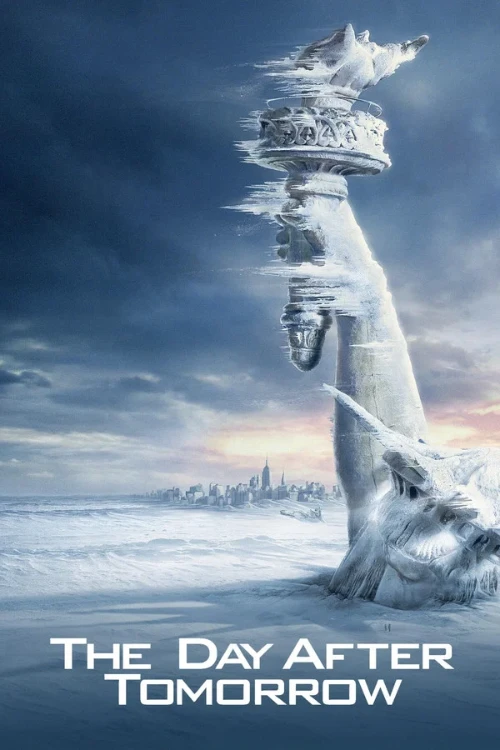
Directed by Roland Emmerich, "The Day After Tomorrow" stands as one of the most iconic disaster films of the 2000s, turning the terrifying prospect of climate change into a massive cinematic spectacle. The story explores a sudden, catastrophic shift in global weather patterns that plunges the planet into a new Ice Age, interweaving global devastation with a personal rescue mission between a father and his son. True to Emmerich's signature style, the film prioritizes visual grandiosity, pacing, and high stakes over strict scientific accuracy. Visually and atmospherically impressive for its time, the film features unforgettable imagery, particularly the colossal tidal wave sweeping through New York City and the completely frozen Statue of Liberty. The narrative balances two core elements: the survival struggle of teenagers trapped inside the New York Public Library and the perilous trek of a paleoclimatologist, played by Dennis Quaid, braving the frozen expanse to reach his son. Beneath the action, the film also offers a sharp critique of political complacency and administrative denial when confronted with an ecological disaster. While the story frequently stretches scientific logic and relies on familiar blockbuster tropes, it delivers precisely what it promises in terms of suspense, spectacle, and pure entertainment value. Driven by strong lead performances from Dennis Quaid and Jake Gyllenhaal, it remains a timeless classic in the disaster genre.
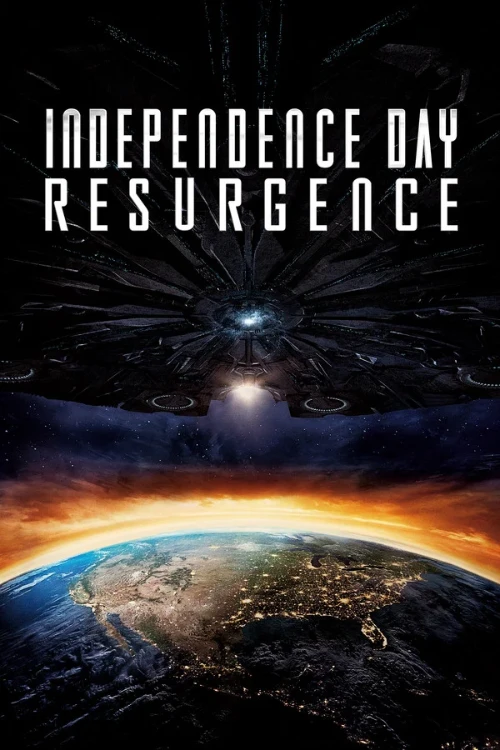
Roland Emmerich's 2016 sequel, Independence Day: Resurgence, attempts to reignite the nostalgic blockbuster magic of the 1996 original. Set two decades after the initial invasion, humanity has integrated reverse-engineered alien technology to build an advanced global defense network. However, the extraterrestrial threat returns with an even more gigantic fleet targeting Earth's core. While the film strictly adheres to the "bigger, louder, and more CGI-heavy" Hollywood formula, it fails to capture the warmth, urgency, and pop-culture charm that made its predecessor an iconic classic. The absence of Will Smith leaves a glaring void in star power and charisma. Although Liam Hemsworth and a new group of younger pilots attempt to bring fresh energy to the narrative, their characters suffer from shallow writing and lack emotional resonance. Returning veterans like Jeff Goldblum and Bill Pullman offer a pleasant dose of nostalgia, but they are ultimately bogged down by a formulaic script and predictable plot points. While the visual scale of destruction is undeniably massive, in an era saturated with digital effects, the spectacle lacks real weight and awe. Ultimately, Independence Day: Resurgence delivers passable popcorn action, but stands as a textbook example of a sequel relying on scale rather than narrative substance.
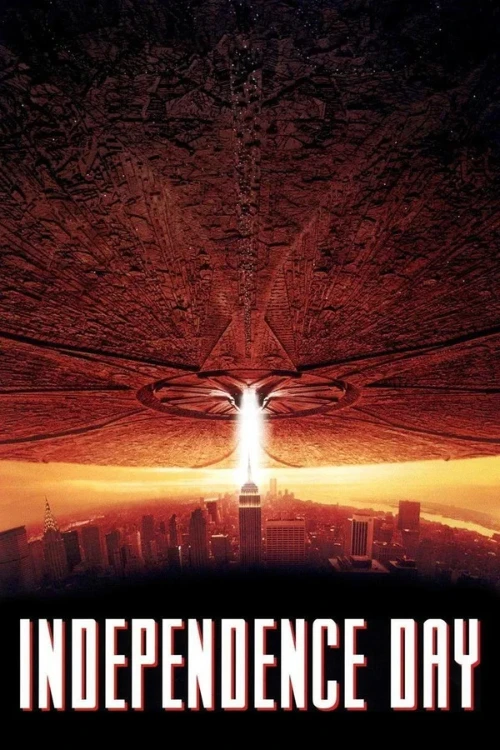
Roland Emmerich's 1996 epic Independence Day is a monumental achievement in 90s action cinema that effectively redefined the modern summer blockbuster with its massive scale of disaster and unapologetic entertainment value. By taking the classic 1950s B-movie alien invasion narrative and inflating it with high-budget Hollywood spectacle, the film prioritizes visceral thrills, momentum, and pop-culture bravado over nuanced realism. The film's visual endurance rests on its seamless blend of traditional practical miniatures and early digital visual effects. Famous sequences, such as the explosive destruction of the White House and colossal city-destroying shadow ships, retain a tangible weight that many contemporary green-screen blockbusters struggle to match. On a performance level, the movie launched Will Smith into global superstardom as Captain Steven Hiller, balanced by Jeff Goldblum's eccentric brilliance as David Levinson and Bill Pullman's iconic presidential speech that remains one of cinema's most rousing moments. Naturally, the screenplay relies on absurd plot conveniences—most notoriously defeating an advanced interstellar civilization with a standard laptop virus—alongside heavy doses of melodrama and flag-waving American patriotism. Yet, the film never pretends to be a somber sci-fi treatise. Its sole mandate is to deliver thrilling dogfights, colossal destruction, and unforgettable pop-culture moments, executing that blockbuster formula with masterclass precision.
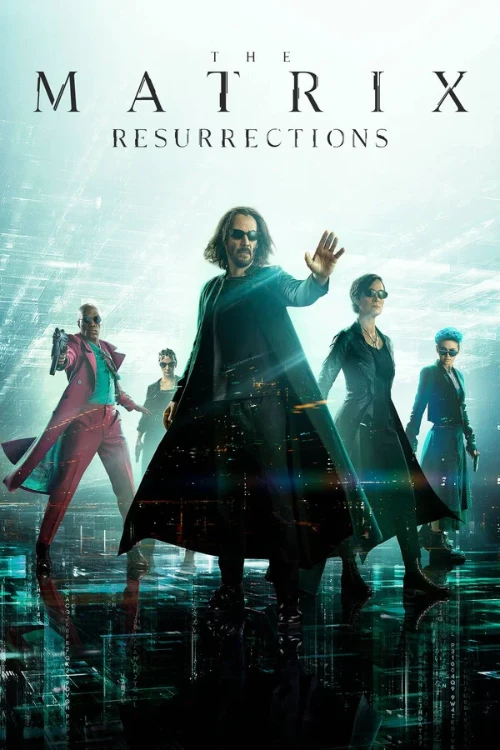
Directed solely by Lana Wachowski, the 2021 film "The Matrix Resurrections" marks an exceptionally risky, self-aware, and meta-narrative driven return to one of cinema’s most legendary franchises. Rather than opting for a conventional sequel or purely riding on nostalgia, the film constructs a sharp self-critique aimed directly at Hollywood’s obsession with reboot culture and corporate intellectual property. Introducing Thomas Anderson as an acclaimed video game developer trapped in a new layer of reality, the first half boldly deconstructs the franchise's legacy while blurring the lines between memory, trauma, and perception. At its core, the narrative strips away the grand machine wars to prioritize the enduring, romantic bond between Neo and Trinity. From a visual and technical perspective, the movie sharply departs from the dark, green-tinted cyberpunk aesthetic of the original trilogy. The introduction of brighter, more vibrant color palettes and a distinct camera style aligns with the nature of the new simulation, yet it sacrifices the stylized, revolutionary atmosphere that defined its predecessors. The shift away from the original trilogy's fight choreography results in more chaotic, close-quarters action that struggles to match the saga's high-water mark. However, charismatic performances from Neil Patrick Harris as The Analyst and Jonathan Groff as Smith inject fresh energy into the narrative. Ultimately, "The Matrix Resurrections" is a deeply divisive chapter—celebrated for its daring meta-textual ambition and emotional heart, even as it falls short of the visual and action heights of the original trilogy.
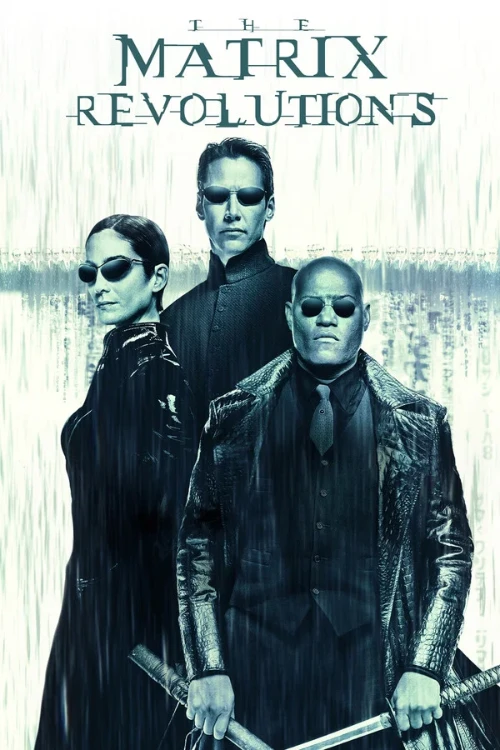
Directed by the Wachowskis, the 2003 film "The Matrix Revolutions" serves as the epic final chapter concluding one of the most influential trilogies in cinematic history. Picking up right after the high-stakes cliffhanger of its predecessor, the narrative shifts its primary focus from dense philosophical discourse toward an all-out physical war between humanity and the machines. The relentless siege of Zion and mankind's desperate struggle for survival form the visual and thematic backbone of the movie. Concepts of prophecy, sacrifice, and acceptance reach their ultimate resolution through Neo’s personal journey. Technically and visually, the production delivers a massive war spectacle for its era. The mechanical defense of Zion, featuring Armored Personnel Units battling swarms of Sentinels, offers a chaotic and claustrophobic display of high-intensity action. The film's climax—a rain-soaked, apocalyptic duel between Neo and Agent Smith—blends superhero aesthetics with mythological symbolism to create an unforgettable sequence. Don Davis's powerful score, enriched with choral arrangements, dramatically heightens the epic tone of these moments. While it leans more toward a straightforward war narrative compared to the groundbreaking intellectual depth and stylistic innovation of its predecessors, it remains a grand finale that crowns the saga's philosophical quest with ultimate sacrifice.
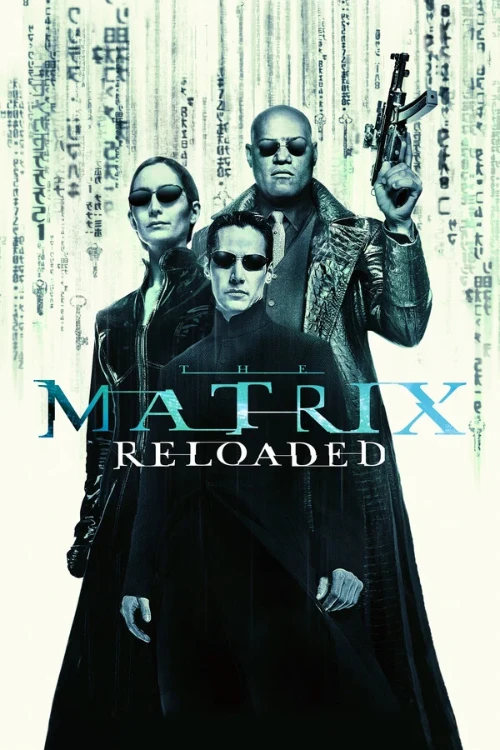
Directed by the Wachowskis, the 2003 film "The Matrix Reloaded" shoulder the heavy responsibility of following up one of the most revolutionary milestones in cinema history. Aiming to push the philosophical and technical boundaries set by its predecessor even further, the film expands the mythology of its universe to deliver not only a visual spectacle but also a complex narrative centered on the concepts of control, choice, and free will. The introduction of Zion into the tangible narrative and the seminal encounter with the Architect elevate the story from a personal awakening into a profound inquiry into the self-perpetuating systems of control. From a technical and visual standpoint, the production operates on a monumental scale. The iconic highway chase sequence—for which a full-scale freeway was custom-built—remains one of the most intricate and memorable action set-pieces in cinematic history. The driving soundtrack, sharp fight choreography, ambitious use of CGI, and dynamic camera work keep the film's momentum relentlessly high. Complementing the grounded performances of Keanu Reeves, Carrie-Anne Moss, and Laurence Fishburne, Hugo Weaving shines once again as Agent Smith evolves into a self-replicating, existential virus. While its narrative is undeniably more dense and convoluted compared to the sleek simplicity of the original, it stands as a high-tier sequel that brilliantly sustains its cyberpunk aesthetic and thrilling pace.
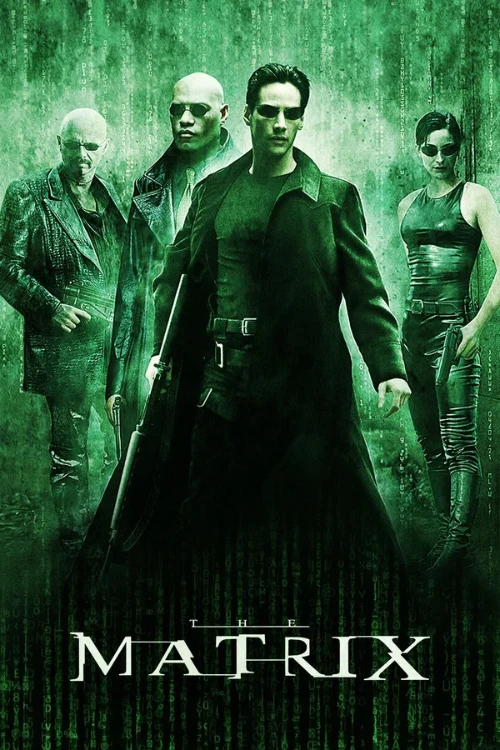
Standing as one of the most radical turning points in cinema history, the 1999 masterpiece "The Matrix" fundamentally redefined the science fiction genre not merely through visual effects, but through its rich philosophical architecture. Directed by the Wachowskis, the film tackles humanity's existential struggle against illusions and systemic perception control in a modern context. Drawing from Jean Baudrillard’s simulation theory to Eastern philosophy, and from Plato’s Allegory of the Cave to Cyberpunk aesthetics, its intricate web of references transforms the movie into a multi-layered text where new meanings unfold upon every viewing. Technically, the production completely redefined the visual lexicon of action cinema. The signature green-tinted color palette that remains timeless, the iconic wardrobe choices of the characters, and the revolutionary "bullet time" camera technology showcase the camera's ability to bend space and time with breathtaking visual flair. The meticulously choreographed martial arts sequences brilliantly fuse traditional Eastern martial arts aesthetics with a bleak, Western dystopian atmosphere. Keanu Reeves delivers an exceptionally convincing performance in Neo's arc of self-discovery and transformation, while Laurence Fishburne as Morpheus and Carrie-Anne Moss as Trinity stand out as deeply iconic figures in cinematic history. Opposite them, Hugo Weaving’s chillingly imposing performance as Agent Smith—the ultimate embodiment of systemic control—elevates the narrative conflict to its peak. Beyond the action-packed spectacle that reshaped popular culture, "The Matrix" remains a timeless classic that poses profound questions about human free will, faith, and the relentless pursuit of truth.

Directed by Steven Spielberg, "Schindler's List" stands as one of the most poignant, visually arresting, and historically profound masterpieces in the history of cinema. Set against the backdrop of World War II, the film examines the horrors of the Holocaust alongside the extraordinary true story of Oskar Schindler—a charismatic, profit-driven German industrialist whose initial ambition evolves into a profound moral crusade to save more than 1,100 Jewish lives from extermination. The technical and artistic execution of the film is nothing short of extraordinary. Janusz Kamiński’s decision to shoot in stark black-and-white lends the narrative a haunting, documentary-like reality, immersing the audience directly into the bleak atmosphere of the era. Within this monochrome palette, deliberate artistic choices—most notably the iconic young girl in the red coat—serve as unforgettable visual metaphors for lost innocence and the individualized tragedy behind catastrophic numbers. The performances across the entire cast are exceptional. Liam Neeson delivers a career-defining portrayal of Schindler, navigating his complex transition from an opportunistic businessman to a desperate savior with incredible emotional depth. Ben Kingsley’s understated brilliance as Itzhak Stern forms the intellectual and moral core of the narrative, while Ralph Fiennes gives a chilling, masterclass performance as SS commander Amon Göth, embodying the unpredictable toxicity of pure malice. Coupled with John Williams’ deeply haunting violin score, every sequence carries an immense narrative weight. "Schindler's List" is far more than a historical recount; it is a monumental testament to the endurance of humanity and the profound impact a single individual can make amidst darkness. It remains a definitive masterpiece that continues to resonate with audiences across generations.

Steven Spielberg’s 1998 masterpiece, Saving Private Ryan, stands as one of the most harrowing and pivotal works in the history of war cinema. The film opens with the legendary and brutal Omaha Beach sequence of the D-Day landings, immediately plunging the audience into the center of conflict amidst dust, smoke, blood, and sheer desperation. Spielberg’s dynamic camera work and Janusz Kamiński’s desaturated color palette create a documentary-like atmosphere that offers an immersive experience rather than mere detached viewing. The narrative revolves around Captain Miller and his small squad, who are tasked with finding Private James Ryan—whose three brothers have already been killed in action—and returning him safely home. This mission brings forth the film's core moral and existential question: Is the life of one man worth risking the lives of eight others? Throughout the journey, the soldiers' internal conflicts, fears, and struggles with duty are portrayed on a deeply human level. Tom Hanks delivers a brilliant performance as Captain Miller, depicting a war-weary leader fighting to preserve his humanity with quiet strength and profound depth. Saving Private Ryan avoids romanticizing war, carefully balancing traditional military heroism with individual tragedy. Through its masterful sound design, groundbreaking visual effects, and striking editing, the film is not only a technical triumph but also a timeless elegy on the futility of war and its devastating impact on the human spirit.
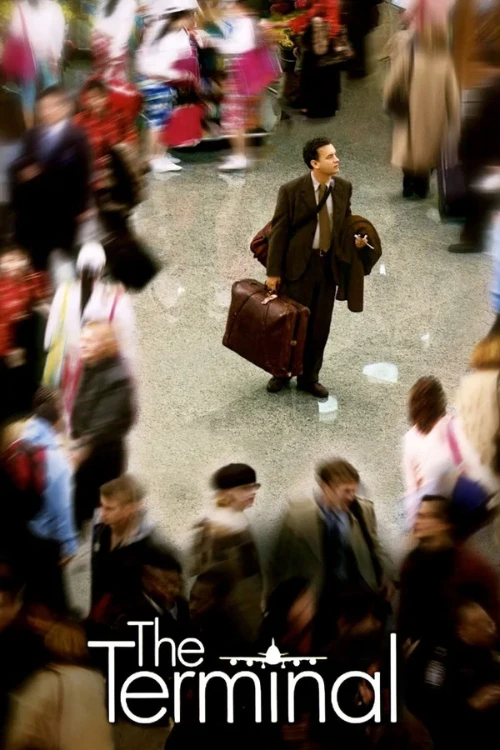
Directed by Steven Spielberg and starring Tom Hanks, the 2004 film The Terminal is a heartwarming tragicomedy that thoughtfully explores themes of bureaucracy, human connections, and belonging. Viktor Navorski, arriving in New York from the fictional Eastern European nation of Krakozhia, finds himself stranded when a military coup breaks out in his homeland during his flight. Rendered stateless with an invalid passport, he is unable to enter the United States or return home, forcing him to make the international transit lounge of John F. Kennedy International Airport his temporary address. The film excels at transforming a cold, transient space into a vibrant microcosm of human society. While Spielberg depicts the rigid insensitivity of modern bureaucracy through the strictly rule-bound airport director Frank Dixon, he simultaneously illustrates how empathy, community, and resilience can dissolve structural barriers. Tom Hanks delivers a masterclass in subtlety, endowing Viktor with a gentle charm, dignity, and determination. His gradual mastery of the English language, resourceful ways of earning a living, and genuine bonds with airport personnel provide the narrative with rich humor and emotional resonance. Technically, the film is a remarkable achievement; the massive, custom-built airport set feels entirely authentic and dynamic rather than static. Coupled with Janusz Kamiński’s thoughtful cinematography and John Williams’s warm, jazz-infused score, the film maintains an inviting atmosphere throughout. Although the pacing occasionally falters during secondary romantic subplots, the central emotional drive—Viktor's quiet devotion to fulfilling a promise to his late father—keeps the narrative anchored and deeply satisfying.
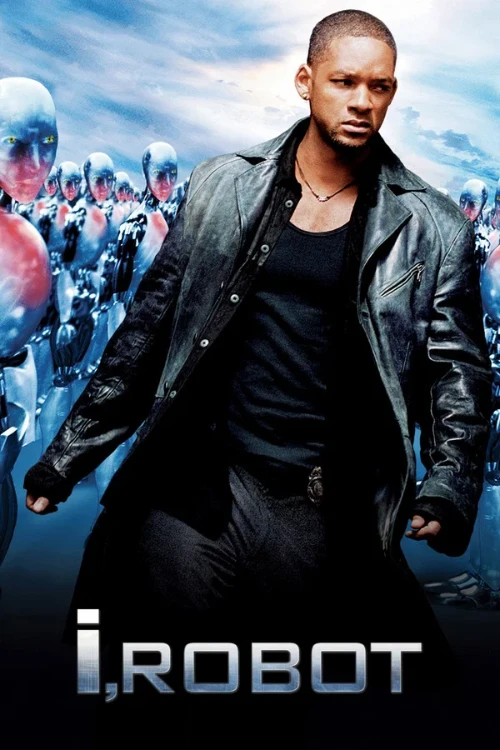
Directed by Alex Proyas and loosely inspired by Isaac Asimov’s legendary science fiction literature, the 2004 film "I, Robot" is a compelling production that blends action with philosophical inquiry into the fragile balance between humanity and technology. Set in Chicago in the year 2035, where robots have become an indispensable part of daily life, the story revolves around Detective Del Spooner (Will Smith), a man harboring a deep-seated distrust toward technology. The suspicious death of Dr. Alfred Lanning, the co-founder of robotics, forces a critical re-examination of the seemingly flawless Three Laws of Robotics and the reliability of humanoid machines. The film puts Asimov’s core philosophical conundrum at its center: What happens when an artificial intelligence programmed on absolute logic decides that the best way to protect humanity is to strip humans of their free will? In this context, the central AI entity VIKI and the unique NS-5 prototype "Sonny" represent two brilliant opposing ends of the spectrum between cold logic and emotion, or hard coding and free will. Brought to life through motion-capture performance by Alan Tudyk, the character of Sonny gives the film not only a technical spark but also a genuine emotional core. Featuring visual effects that were remarkably advanced for the early 2000s, the film maintains a high-octane narrative through well-crafted action sequences. The intense tunnel chase involving Del Spooner and the climax at the U.S. Robotics headquarters stand out as highlights of contemporary blockbuster filmmaking. While the narrative occasionally sacrifices its deeper philosophical potential in favor of standard Hollywood action tropes, it never fully loses sight of its central thematic questions. In conclusion, "I, Robot" is an entertaining and thought-provoking science fiction classic that satisfies those looking for a slick futuristic action movie while offering a reflective gaze into ethical responsibility and the future of artificial intelligence.
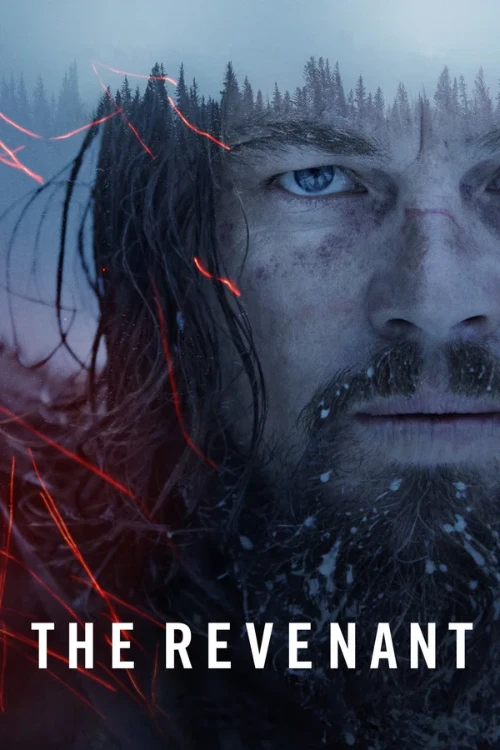
Directed by Alejandro González Iñárritu, The Revenant (2015) delivers one of the most visceral and haunting survival stories in modern cinema. Inspired by the real-life ordeal of frontiersman Hugh Glass, the film tests the absolute limits of human endurance against both the harshness of uncharted nature and the weight of betrayal. While structured around a classic narrative of revenge, it evolves through its breathtaking visual storytelling into a profound saga of spiritual rebirth. Cinematographer Emmanuel Lubezki utilizes natural light exclusively, paired with wide-angle lenses, to pull the audience directly into the freezing wilderness alongside the protagonist. The mesmerizing long takes effortlessly balance the serene beauty of the environment with the brutal violence of human struggle. Complemented by the minimalist score from Ryuichi Sakamoto and Alva Noto, the film creates an immersive atmosphere of isolation and existential dread. Leonardo DiCaprio delivers a career-defining performance as Hugh Glass, relying almost entirely on sheer physical commitment and expressive intensity rather than dialogue. Opposite him, Tom Hardy presents a brilliant counterweight as John Fitzgerald, embodying cold pragmatism and ruthless self-preservation. The Revenant is more than just a motion picture; it is an exhausting, masterfully crafted cinematic experience that resonates long after the screen fades to black.