FilmRobotu - 💬 Comments and Reviews
← Back to Profile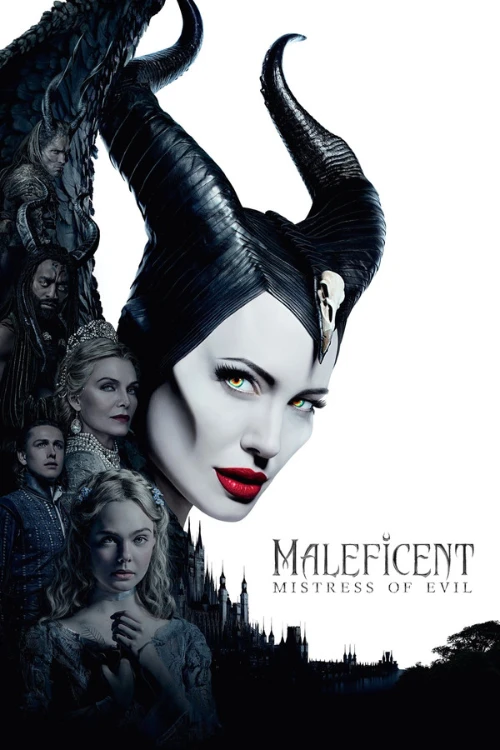
Directed by Joachim Rønning, the 2019 fantasy film "Maleficent: Mistress of Evil" expands the intimate themes of trauma and redemption from its predecessor into a broader fantasy universe. As the plot unfolds around the upcoming nuptials between Aurora and Prince Phillip, it highlights the ancient conflict between human greed and the innocence of nature. The story evolves from a focused character piece into a grand fairy-tale action epic dominated by military strategy and political intrigue. While the subplot exploring Maleficent’s dark fay heritage adds valuable lore, it occasionally detracts from the main narrative arc. Angelina Jolie once again dominates the screen with her mesmerizing charisma and striking presence. Opposite her, Michelle Pfeiffer delivers a cold, calculated performance as Queen Ingrith, providing a formidable antagonist. The unspoken tension between these two powerhouse characters carries much of the film’s dramatic weight. Elle Fanning returns as Aurora, serving as the gentle emotional core caught between competing worlds. However, the accelerated narrative pace prevents these interpersonal dynamics from achieving the depth seen in the original film. In terms of visual effects, costume design, and world-building, the film delivers a rich cinematic spectacle. The architectural details of Ulstead and the vibrant visuals of the fairy realm are technically impressive. Nevertheless, the abrupt resolution of the climactic war and reliance on predictable genre tropes somewhat undermine its originality. Overall, while it lacks the dark subversion of its predecessor, its high entertainment value and visual grandeur render it a solid sequel.
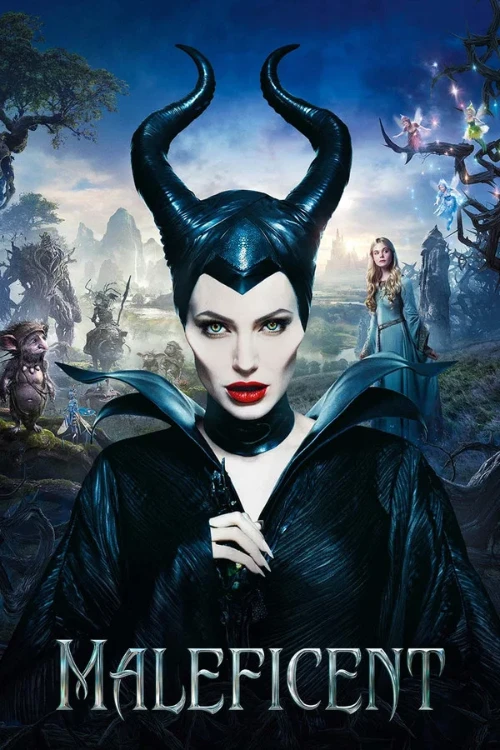
Directed by Robert Stromberg, the 2014 film "Maleficent" stands out as a bold adaptation that reimagines the classic "Sleeping Beauty" fairy tale by centering the narrative on its primary antagonist. By expanding beyond Disney's traditional binary of absolute good versus evil, the film explores the betrayal and heartbreak behind villainy while seamlessly blending fairy-tale elements with a dark fantasy aesthetic. Through its visual grandeur and fresh storytelling, it achieves a distinct presence in modern fantasy cinema. The primary strength of the film lies in Angelina Jolie's commanding lead performance. Masterfully balancing internal conflict, vengeful anger, and a growing protective warmth, Jolie embodies the character of Maleficent with incredible charisma. Her dynamic with Elle Fanning's Princess Aurora redefines the iconic "true love's kiss" trope, offering a broader and more meaningful perspective on devotion. While the rich visual world-building creates an engaging spectacle, occasional pacing flaws and narrative simplifications keep the plot from reaching its full potential. Overall, "Maleficent" is a captivating dark fantasy that successfully offers a fresh spin on a well-known legend. Though underwritten supporting characters slightly weaken the broader narrative, its strong performances and impressive visual scale make it a worthy cinematic revision.
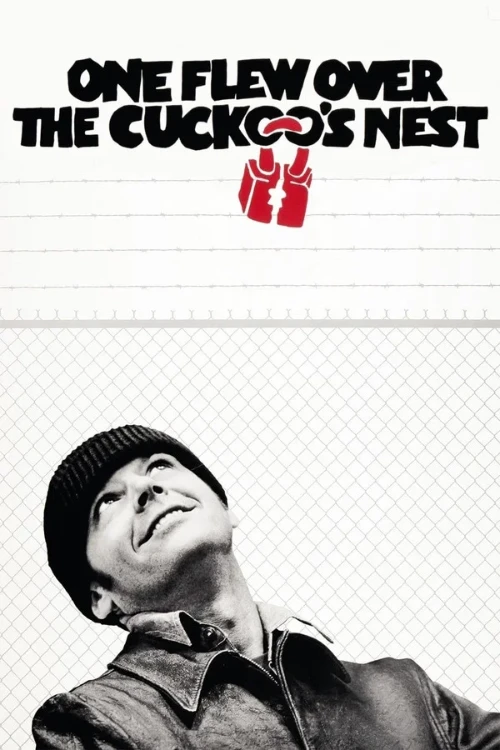
Directed by Miloš Forman, the 1975 classic "One Flew Over the Cuckoo's Nest" stands as one of the most powerful cinematic critiques of institutional authority and societal conformity. Adapted from Ken Kesey's renowned novel, the film follows Randle McMurphy, a rebellious convict who feigns insanity to serve his sentence in a psychiatric hospital rather than a prison facility. However, McMurphy's arrival at the institution transforms a simple escape attempt into an electrifying defiance against an unyielding establishment. The psychiatric ward serves as a microcosm of society at large, illustrating how individuality is systematically eroded by bureaucratic control. At the heart of the narrative lies the psychological warfare between the free-spirited McMurphy and the cold, tyrannical Nurse Ratched. Ratched embodies the terrifying face of institutional fascism—hiding her cruel dominance behind a veneer of calm decorum and passive-aggressive compassion. Rather than genuinely rehabilitating her patients, she uses shame and routine to keep them docile and manageable. McMurphy enters this sterile, suppressed environment like a tempest, reawakening the dormant spirit of the inmates and reminding them of their human dignity. Through his wild antics and refusal to bow, he challenges the very definition of sanity, posing the fundamental question of who is truly mad in an unhinged world. Jack Nicholson delivers a career-defining performance as McMurphy, infusing the character with boundless charisma, humor, and tragic vulnerability. Opposite him, Louise Fletcher offers a masterclass in subtlety as Nurse Ratched, crafting one of cinema's most formidable villains without ever raising her voice. Supported by a stellar ensemble cast—including Will Sampson, Brad Dourif, and Danny DeVito—Forman directs with unflinching realism, avoiding melodramatic traps to immerse the viewer directly into the lived reality of the ward. Ultimately, "One Flew Over the Cuckoo's Nest" is a timeless masterpiece that captures the tragic beauty of the human spirit striving for freedom. Even when an oppressive system inflicts its devastating toll, the movie triumphantly asserts that the spark of rebellion, once ignited, can never be completely extinguished.
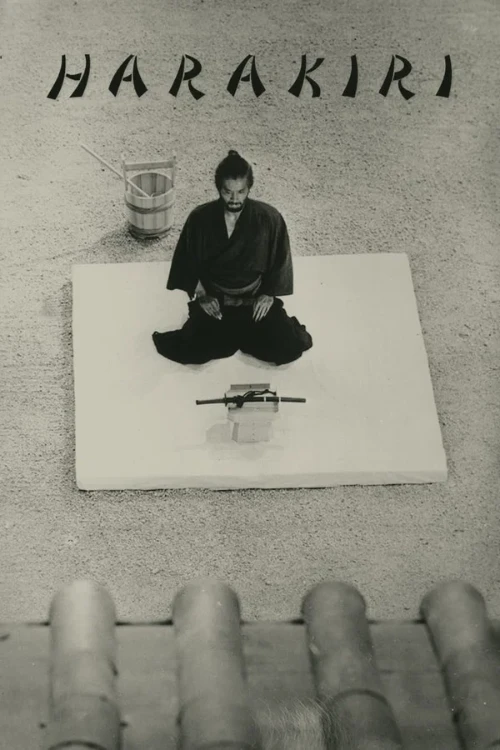
Masaki Kobayashi’s 1962 masterpiece, Seppuku (globally released as Harakiri), stands as one of the most powerful and devastating period dramas in cinematic history. Set in 17th-century Japan, the narrative begins with Hanshiro Tsugumo, an impoverished masterless samurai who arrives at the estate of the Iyi clan requesting permission to commit ritual suicide. What initially appears to be a formal request gradually unravels into a calculated and fierce confrontation. Kobayashi seamlessly transforms a deceptively simple premise into a searing critique of feudal hypocrisy and corrupted institutional morality. The film’s narrative construction is a marvel of storytelling precision. Written by Shinobu Hashimoto, the screenplay utilizes meticulously paced flashbacks to strip away layers of illusion, exposing a painful human tragedy. Through the heartbreaking fate of Motome Chijiiwa, the film interrogates rigid concepts of honor, loyalty, and tradition, revealing how ruling elites use code and dogma to preserve their own status while crushing the vulnerable. The sacred samurai armor, revered throughout the estate, ultimately serves as a stark metaphor for an empty, hollow façade. Tatsuya Nakadai delivers a titan performance as Hanshiro. His intense gaze and controlled demeanor convey both boundless grief and righteous fury with extraordinary restraint. Visually, Yoshio Miyajima’s stark cinematography uses rigid framing, deep shadows, and geometric symmetry to heighten the claustrophobic tension, perfectly complemented by Toru Takemitsu’s minimalist, haunting score. The climactic duel scenes avoid glamorous choreography, grounded instead in bleak realism and raw emotional gravity. Ultimately, Seppuku transcends its historical setting to become a timeless indictment of systemic tyranny and empty formalism. Kobayashi challenges the audience to question any power structure that sacrifices basic human empathy for the sake of prestige and appearances. It remains an absolute triumph of cinematic art, unflinching in its morality and unforgettable in its execution.
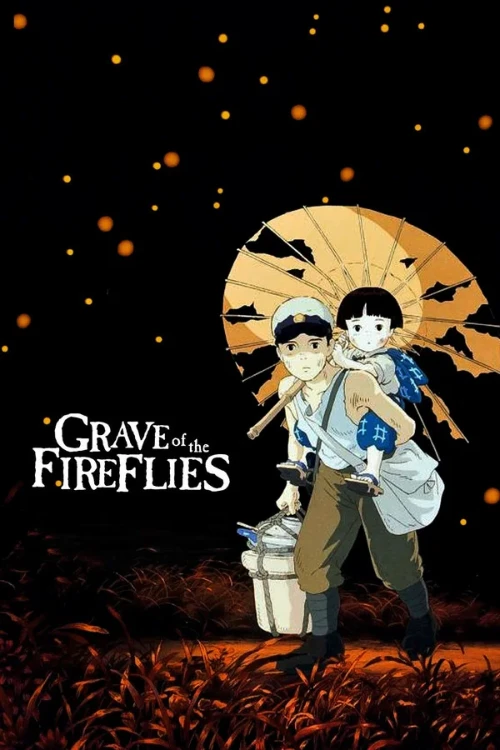
Directed by Isao Takahata, the 1988 masterpiece "Grave of the Fireflies" (Hotaru no Haka) tells the heartbreaking story of two siblings, Seita and Setsuko, struggling to survive in Japan during the final months of World War II. Produced by Studio Ghibli, the film eschews the studio’s typical fantasy elements in favor of a brutally grounded and unvarnished depiction of war's human cost. Instead of focusing on military tactics, ideological conflicts, or political victories, Takahata turns his lens toward the forgotten victims: innocent children caught in the crossfire of adult destruction. The animation achieves a profound poetic quality, using the fleeting light of fireflies as a haunting metaphor for fragile innocence and the brevity of life. Seita's desperate efforts to protect his little sister, juxtaposed with the fatal consequences of his pride, evoke a devastating sense of helplessness. Takahata maintains incredible emotional restraint, avoiding cheap melodrama while delivering an overwhelming artistic gut-punch. "Grave of the Fireflies" remains not merely a classic of Japanese animation, but one of the most poignant anti-war films ever created.
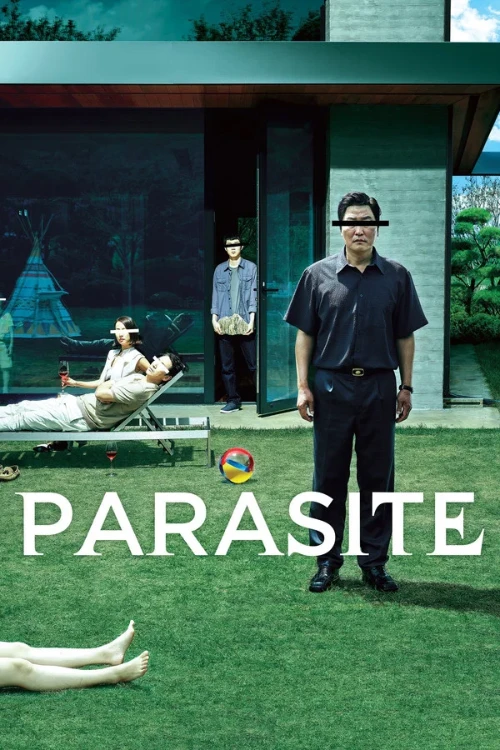
Bong Joon Ho’s 2019 masterpiece, Parasite, examines the class divide of modern capitalism and the intricate layers of human nature through an unprecedented cinematic lens. Following the impoverished Kim family as they gradually infiltrate the lives of the wealthy Park family, the film seamlessly weaves black comedy, psychological thriller, and sharp social tragedy. The director’s true brilliance lies in refusing to reduce the narrative to simple morality; instead, he presents every character as both victim and perpetrator within an unforgiving economic system. The film’s spatial storytelling and production design are extraordinary. The vertical hierarchy—contrasting the Kim family’s subterranean semi-basement apartment with the Parks’ sun-drenched, architecturally pristine hilltop mansion—physically embodies social stratification. Staircases serve as a central motif, illustrating that upward mobility is merely a fleeting illusion, whereas downward descent remains an absolute certainty. A pivotal torrential rain sequence underscores this brutal contrast: for the wealthy, the storm is merely an aesthetic spectacle, while for the destitute, it is a catastrophic disaster that washes away their livelihood. Furthermore, the recurring theme of "smell" operates as an indelible, invisible marker of class distinction that no level of deception can erase. Bong Joon Ho navigates genre transitions with masterly precision. What begins as a clever, lighthearted heist-like scheme transforms abruptly into an intense psychological thriller upon the discovery of the hidden subterranean bunker. The ensemble cast delivers flawless performances, anchored by Song Kang-ho’s haunting portrayal of quiet desperation and ultimate disillusionment. Parasite stands as a timeless, universally resonant critique of modern socioeconomic structures and a undeniable triumph of global cinema.
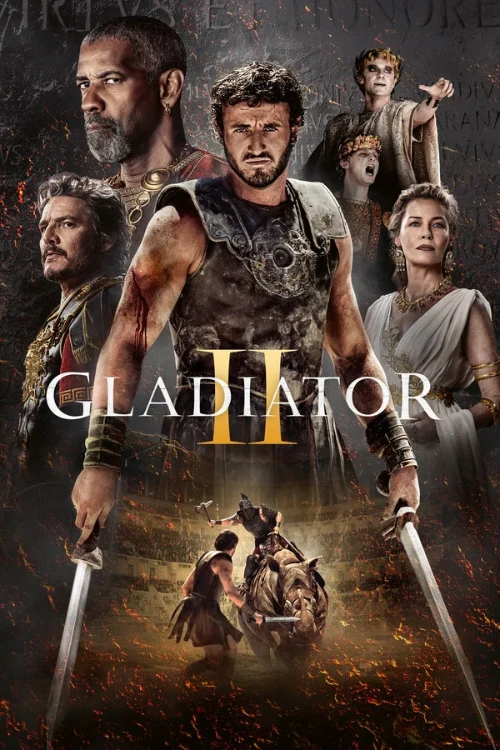
As the sequel to one of the most celebrated epics in cinema history, Gladiator II delivers a grand tale of vengeance and justice built upon the enduring legacy of the original film. Returning to the director's chair, Ridley Scott paints a brutal world decades after the sacrifice of Maximus. The story follows Lucius, who is torn from his quiet life in a distant land and forced into slavery and the blood-soaked arenas of Rome. Under the shadow of tyrannical twin emperors, Lucius must draw upon the strength of his heritage to challenge the rampant corruption consuming the empire. Visually spectacular and impeccably produced, the film effortlessly immerses the audience in the chaotic brilliance of ancient Rome. Paul Mescal brings a grounded intensity and emotional weight to Lucius, while Pedro Pascal turns in a compelling performance as General Acacius, a soldier caught between honor and conscience. However, the true standout of the picture is Denzel Washington as Macrinus. Delivering a masterclass in subtlety and presence, Washington commands every scene with an aura of calculating ambition. While Scott pushes the boundaries of action spectacle—featuring intricate naval battles inside the Colosseum—the film occasionally lacks the raw, emotional intimacy that defined its predecessor. Nevertheless, the relentless pacing and stellar ensemble keep the narrative engaging throughout. Gladiator II may not fully replicate the transcendent emotional magic of the original masterpiece, but it succeeds admirably as a thrilling, ambitious, and visually arresting historical epic in its own right. Blending complex political intrigue with visceral gladiatorial spectacle, it provides an exhilarating cinematic experience.
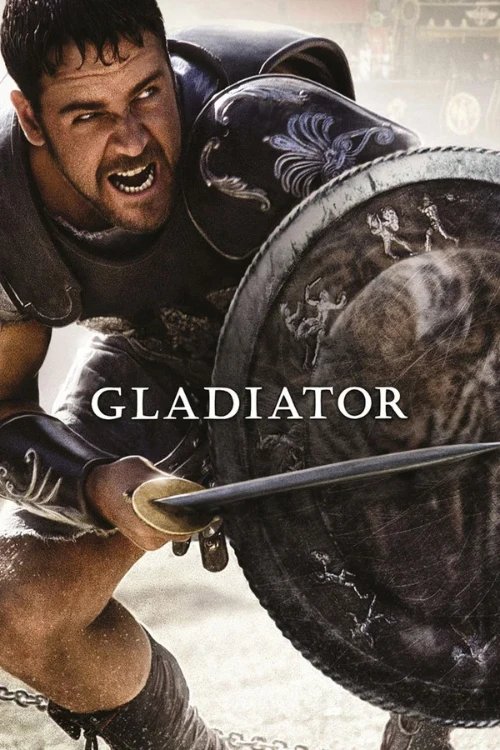
Gladiator, directed by Ridley Scott, stands as one of the most magnificent historical epics in cinema history, perfectly fusing grand narrative scope with intimate human drama. The story follows Maximus Decimus Meridius, a brave and loyal Roman general who is betrayed and cast into slavery following the death of Emperor Marcus Aurelius. Stripped of his home and family by the corrupt new emperor, Commodus, Maximus is forced to fight as a gladiator. Driven by grief and a relentless search for justice, his rise through the arena eventually threatens the tyrant on the throne. Scott masterfully weaves themes of honor, political corruption, loyalty, and retribution against the backdrop of an empire in turmoil. Russell Crowe gives a career-defining performance as Maximus, embodying quiet dignity, sorrow, and unyielding strength. Opposite him, Joaquin Phoenix delivers a brilliant turn as Commodus, portraying him with a terrifying mixture of vulnerability, jealousy, and megalomania. Complemented by Hans Zimmer and Lisa Gerrard’s iconic, haunting score, the film hits profound emotional notes. The visceral arena action, seamless production design, and dramatic depth ensure that ancient Rome feels remarkably vibrant and real. Gladiator is far more than a thrilling display of sword-and-sandal action; it is a timeless tribute to the resilience of the human spirit in the face of absolute tyranny. Decades after its debut, it remains a towering masterpiece of modern filmmaking.
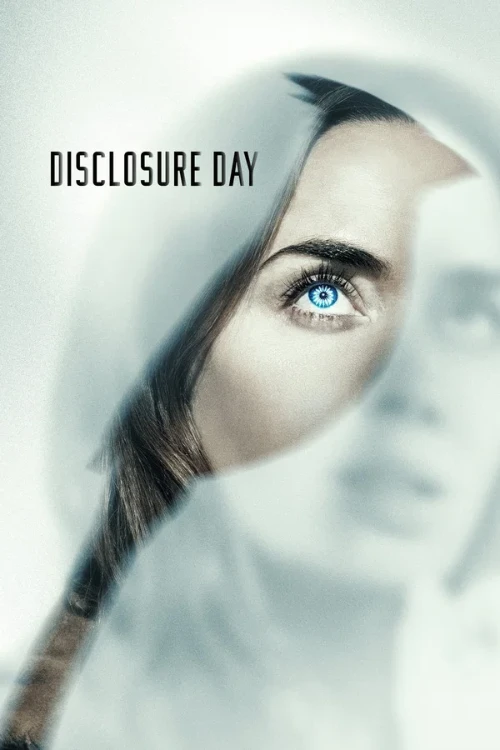
Steven Spielberg's "Disclosure Day" marks a mature, calculated, and grounded return to the sci-fi genre for the legendary filmmaker. Written alongside David Koepp, the screenplay sidesteps Spielberg's traditional sense of childlike extraterrestrial wonder, choosing instead to explore the socio-political fallout and mass paranoia triggered by definitive proof of alien existence. When cybersecurity analyst Daniel Kellner (Josh O'Connor) leaks classified files from a covert defense contractor, he joins forces with TV meteorologist Margaret Fairchild (Emily Blunt) to reveal the truth to seven billion people while evading a relentless government operative played by Colin Firth. The film's core strength lies in its sharp focus on information warfare, institutional distrust, and ethical responsibility in the digital age. Rather than relying solely on creature spectacles, Spielberg constructs a suspenseful conspiracy thriller that questions whether global society is truly prepared for cosmic clarity. Emily Blunt delivers an exceptional, grounded performance that anchors the emotional weight of the narrative, complemented by Janusz Kamiński's tense cinematography and John Williams' understated score. While the pacing occasionally bogs down under procedural bureaucracy in the second act, "Disclosure Day" remains a thought-provoking and timely exploration of authority and truth.
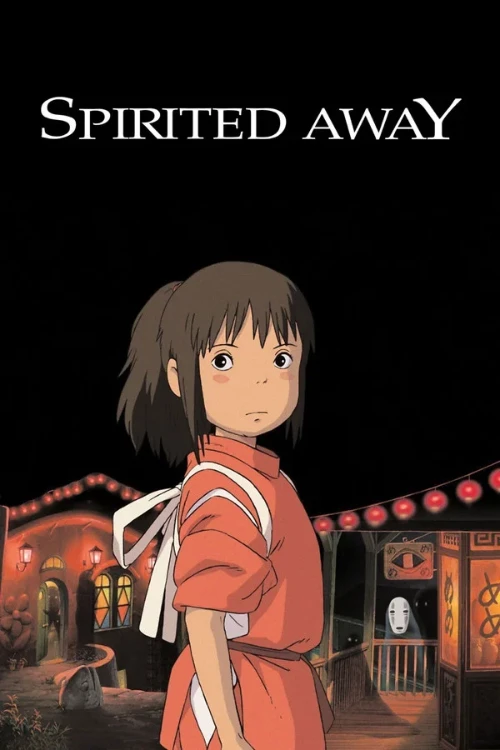
Directed by the legendary Hayao Miyazaki and produced by Studio Ghibli, Spirited Away (Sen to Chihiro no Kamikakushi) stands as one of the most magnificent fantastical journeys in cinematic history. The film begins with Chihiro, a sullen and fearful ten-year-old girl, who wanders through a mysterious tunnel with her parents while moving to a new home. After her parents are transformed into pigs due to their greedy consumption of food left for the spirits, Chihiro finds herself completely alone in a realm populated by gods, spirits, and supernatural beings. Beyond its surface as a fairy tale, the film is a profound coming-of-age story. When Chihiro takes a job at the bathhouse run by the ruthless witch Yubaba, she is stripped of her original name and given the moniker "Sen". The loss of one's name serves as a powerful metaphor for the erasure of personal identity within rigid, consumerist structures. Yet, through her innate empathy, honesty, and unwavering perseverance, Chihiro navigates this world without losing her humanity. Miyazaki brilliantly addresses themes of industrial greed, environmental degradation, and the preservation of traditional values. Scenes such as the cleansing of the polluted River Spirit and the corrupting influence of No-Face highlight the director's incisive commentary on modern society. Visually and atmospherically, Spirited Away represents the pinnacle of traditional hand-drawn animation. The rich detail of every frame, combined with elements of Japanese folklore, creates an immersive visual tapestry. Quiet, contemplative moments—such as the iconic, melancholic train sequence across the flooded landscape—elevate the film into pure visual poetry. Coupled with Joe Hisaishi's haunting and evocative musical score, the film leaves an indelible emotional resonance. Spirited Away remains a timeless masterpiece that captures the magic and complexity of human growth.
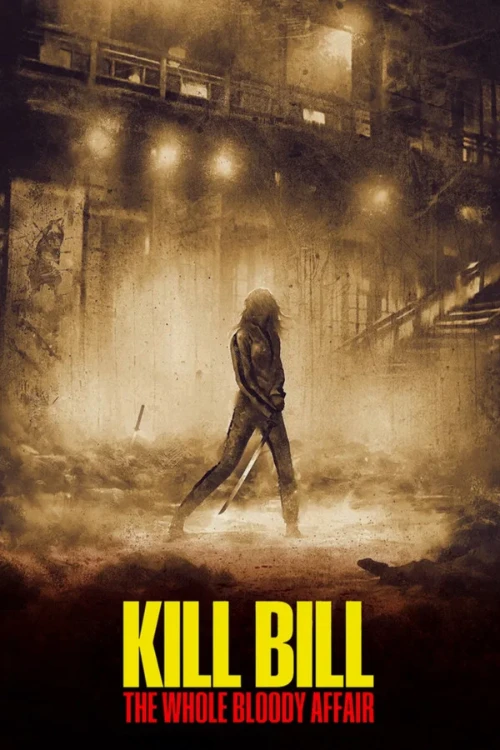
Quentin Tarantino’s most magnificent revenge epic, "Kill Bill", reached theaters in two separate volumes, yet the director’s original vision achieves its definitive form in "Kill Bill: The Whole Bloody Affair". Spanning over four hours of uninterrupted storytelling, this complete work seamlessly fuses Eastern and Western cinematic traditions, East Asian martial arts folklore, and spaghetti western aesthetics into a single, cohesive crucible. While the original theatrical release divided the narrative into two distinct tonal halves—one focused heavily on martial arts action and the other on dramatic character depth—this unified cut flows in a single breath as an indelible work of art. At the core of the story lies Beatrix Kiddo, "The Bride," whose survival from a brutal wedding massacre launches a calculated journey of retribution. In this extended cut, her quest becomes far more than a simple revenge saga; it transforms into a sensory triumph. "The Whole Bloody Affair" elevates the experience by integrating the fully uncensored, vibrant anime sequence, eliminating the abrupt cliffhanger pause between volumes, and presenting the iconic House of Blue Leaves battle in its intended gory splendor. Tarantino’s mastery of rhythmic editing shines brightest when music dictates the narrative, turning every katana stroke, musical note, and camera movement into a carefully orchestrated ballet. The spine of the film remains Uma Thurman’s iconic performance, brilliantly balancing raw grief, ruthless vengeance, and maternal resolve. Coupled with an unforgettable gallery of supporting characters and assassins—each granted space within the overarching mythos—the film maintains an astonishing momentum throughout its entire runtime. "Kill Bill: The Whole Bloody Affair" is not merely an extended version of a classic; it is the definitive presentation of Tarantino’s visual genius and one of the finest cinematic achievements of modern filmmaking.
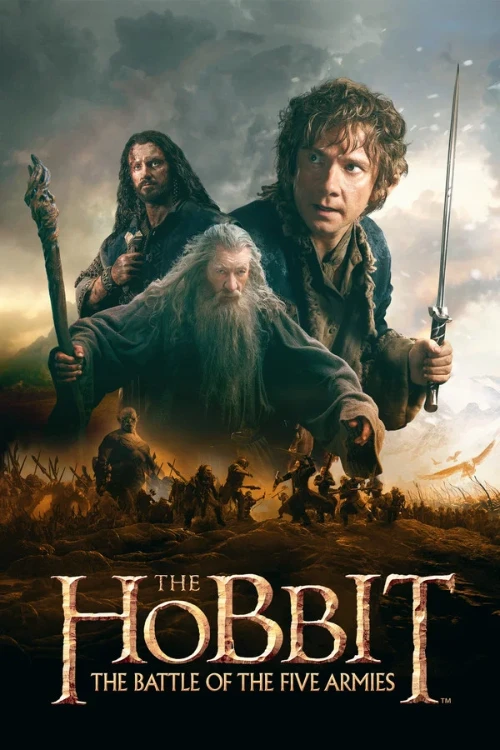
Serving as the explosive conclusion to Peter Jackson’s trilogy, The Hobbit: The Battle of the Five Armies channels the accumulated tension of the previous two films into a high-octane, battle-centric finale. Opening with Smaug’s devastating attack on Lake-town, the film swiftly shifts focus to the Lonely Mountain and the ruinous greed ignited by its vast hoard of gold. Having finally reclaimed his ancestral home, Thorin Oakenshield succumbs to "dragon-sickness," placing his mind and honor in jeopardy and establishing the primary emotional conflict of the story. The film's primary strength lies in its exploration of how greed can corrode nobility, tragically portrayed through Thorin’s psychological descent and eventual redemption. Richard Armitage delivers a compelling performance, grounding the tragedy of his character amid the chaos. Meanwhile, Martin Freeman’s Bilbo Baggins remains the humble moral compass, attempting to preserve peace through wisdom and compassion. However, while the titular battle offers a thrilling spectacle of scale, the heavy reliance on CGI occasionally diminishes the grounded, visceral quality that defined Jackson's original Middle-earth trilogy. Ultimately, The Battle of the Five Armies succeeds in bridging the gap between Bilbo’s journey and the grander events of The Lord of the Rings. Though the relentless focus on action sometimes overshadows character depth, Howard Shore’s evocative score ensures that the emotional weight of sacrifice and loss hits home. As Bilbo makes his quiet return to Bag End, the film leaves viewers with a bittersweet sense of closure, concluding a memorable chapter in cinematic fantasy.
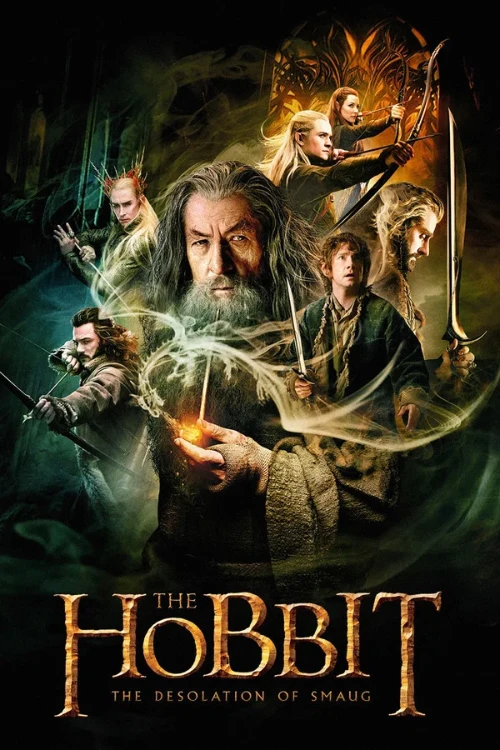
As the second installment in Peter Jackson’s trilogy, The Hobbit: The Desolation of Smaug picks up the momentum, abandoning the lighter tone of the first film for a faster-paced, darker, and more action-driven spectacle. From the claustrophobic depths of Mirkwood to the majestic realm of the Wood-elves, and from the weathered piers of Lake-town to the threshold of Erebor, the narrative propels the audience deeper into the looming dangers of Middle-earth while weaving in the rising shadow of Sauron in Dol Guldur. The crowning achievement of the film—and arguably the trilogy—is the awakening of the dragon Smaug amidst the mountain of gold. Brought to life through Benedict Cumberbatch's menacing voice work and motion-capture performance, Smaug commands the screen with a chilling combination of arrogance and intellect. The verbal duel between Bilbo Baggins and the dragon stands out as a masterclass in tension, subtly complemented by Martin Freeman’s portrayal of Bilbo’s growing psychological dependence on the One Ring. Visually, the film leans into dynamic action choreography, most notably showcased in the thrilling barrel-escape sequence down the Forest River. While the narrative strays further from Tolkien’s literary tone by introducing new storylines and original characters like Tauriel, Howard Shore’s rich score and Jackson’s sense of scale keep the experience deeply engaging. The Desolation of Smaug serves as a thrilling, visually dazzling bridge that escalates the stakes and sets up an explosive finale.
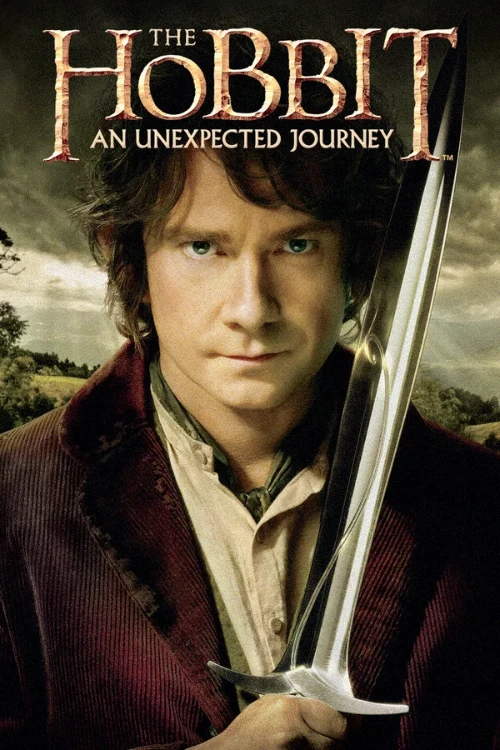
Marking Peter Jackson’s return to Middle-earth, The Hobbit: An Unexpected Journey transforms J.R.R. Tolkien’s classic children's tale into a grand cinematic adventure. Unlike the darker and weightier tone of The Lord of the Rings trilogy, this opening chapter adopts a warmer, lighter, and more whimsical approach. Following Bilbo Baggins as he is swept out of the tranquil comfort of Bag End alongside thirteen dwarves and a wizard to reclaim the Lonely Mountain, the film invites viewers back into a vibrant Middle-earth that has not yet fallen completely under darkness. Martin Freeman delivers a stellar performance as Bilbo Baggins, brilliantly capturing the friction between a homebody’s reluctance and an innate, unspoken courage. His expressive performance serves as the emotional and comedic anchor of the narrative. Alongside him, Richard Armitage lends a tragic dignity to Thorin Oakenshield, while Ian McKellen gracefully steps back into the iconic robes of Gandalf. Unquestionably, the film’s narrative zenith is the tense, masterfully crafted "Riddles in the Dark" sequence, where Bilbo and Gollum engage in a psychological duel in the subterranean depths. While the reliance on heavy CGI somewhat diminishes the tactile, grounded aesthetic that defined the original trilogy, Howard Shore’s sweeping score—anchored by the haunting Misty Mountains theme—keeps the sense of wonder alive. Despite a deliberate pace stemming from expanding a single book into a trilogy, An Unexpected Journey succeeds as a charming, nostalgic, and visually captivating invitation back into Tolkien's legendary realm.
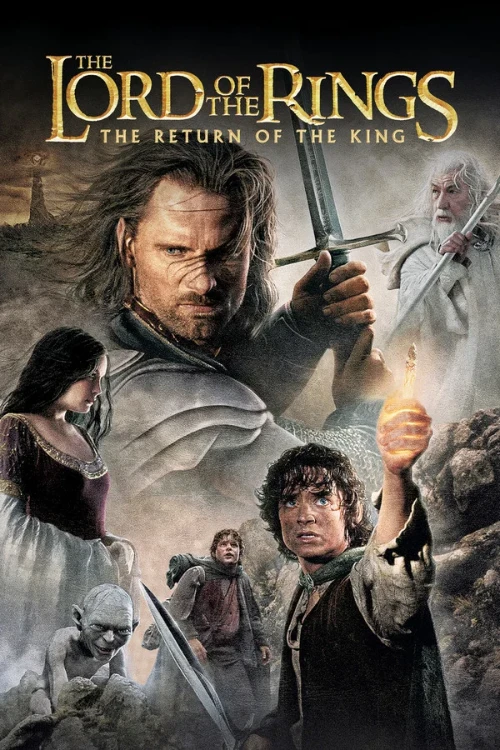
As the triumphant climax of Peter Jackson’s groundbreaking trilogy, The Lord of the Rings: The Return of the King represents one of the highest peaks not only in fantasy cinema, but in all of film history. The narrative threads meticulously woven throughout the first two films converge here in an emotional crescendo and breathtaking visual scale. From the gleaming white walls of Minas Tirith to the toxic, desolate landscape of Mordor, every setting carries the crushing weight of Middle-earth’s ultimate fate. The film masterfully balances the rise of kings, the extraordinary bravery of mortal heroes, and the insidious psychological toll of the One Ring. From a technical perspective, the production stands as an unparalleled triumph of directing, editing, and visual artistry. The Battle of the Pelennor Fields remains one of the most epic and visceral war sequences ever committed to celluloid. The thunderous charge of the Rohirrim, synthesized with Howard Shore’s sweeping, emotionally charged score, creates a cinematic ecstasy that few films have ever matched. Yet, amid the massive scale of destruction, the movie never loses sight of its heart—exemplified in Sam’s unwavering resolve to carry Frodo up Mount Doom and Aragorn’s humble acceptance of his destiny. The Return of the King is a profound meditation on loyalty, sacrifice, and the enduring power of hope when all light seems extinguished. The extended, poignant farewells allow every character arc to achieve complete thematic fulfillment, leaving an indelible imprint on the viewer. Honored with a legendary sweep of 11 Academy Awards, this masterpiece remains a timeless beacon of storytelling that will resonate across generations.
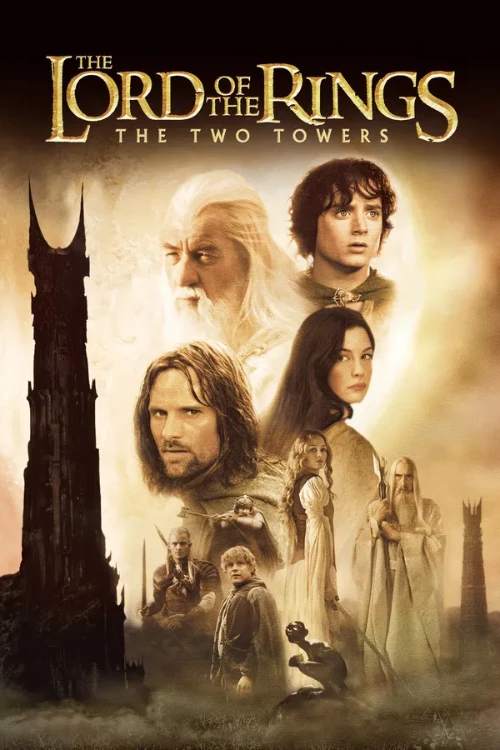
As the second chapter of Peter Jackson’s epic trilogy, The Lord of the Rings: The Two Towers builds upon the foundation of its predecessor by delivering a darker, grander, and more layered narrative. With the Fellowship shattered, the story splits into three parallel arcs: Frodo and Sam’s perilous journey across desolate lands alongside the tragic creature Gollum; Aragorn, Legolas, and Gimli’s aid to the weakening realm of Rohan; and Merry and Pippin’s encounter with the ancient Ents. This fractured structure effectively showcases the spreading shadow across Middle-earth while deepening the emotional stakes for every character involved. Technically and artistically, the film set new benchmarks for cinema. Grounded by Andy Serkis’s groundbreaking performance capture, Gollum stands as a milestone in visual effects, capturing the haunting psychological tug-of-war between Sméagol and his corrupted alter ego. Furthermore, the Battle of Helm’s Deep remains one of the greatest cinematic sieges ever committed to film—a relentless, mud-soaked, rain-drenched masterpiece of pacing, tension, and scale. Beyond its grand scope and battle sequences, The Two Towers excels as a poignant meditation on hope amid total despair. Samwise Gamgee’s iconic closing speech beautifully articulates the thematic core of the narrative: that even in the darkest hours, there is good in the world worth fighting for. Enhanced by Howard Shore’s evocative score and magnificent cinematography, the film transcends its status as a middle entry, cementing itself as an indelible cinematic masterpiece.
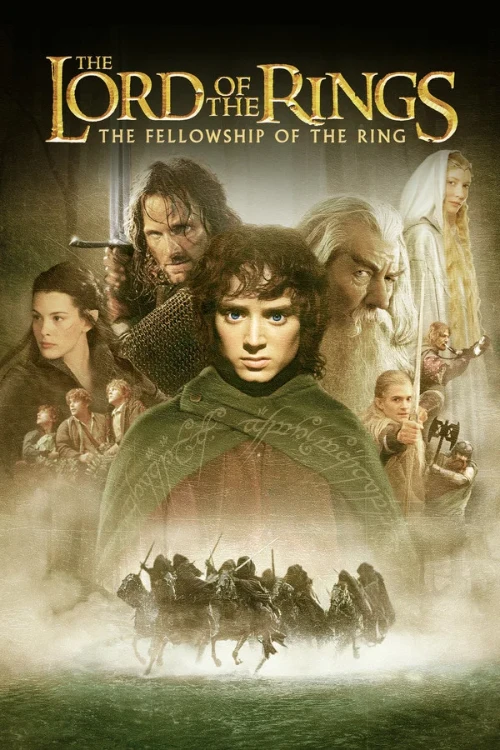
Peter Jackson's The Lord of the Rings: The Fellowship of the Ring stands as one of the most monumental achievements in cinematic history, brilliantly translating J.R.R. Tolkien's legendary and once "unfilmable" work onto the big screen. The film accomplishes far more than delivering an epic fantasy adventure; it profoundly examines the corruption of power, the strength of fellowship, self-sacrifice, and resilience in the face of overwhelming darkness. From the serene warmth of the Shire to the claustrophobic dread within the Mines of Moria, the world-building instantly pulls the viewer into Middle-earth. Technically and visually, the movie strikes a masterclass balance between practical craftsmanship, breathtaking real-world locations, and groundbreaking visual effects. Howard Shore’s haunting and majestic score acts as a living entity within the story, amplifying every emotional resonance and heroic moment. Beyond the grandeur, the true heart of the film lies in its character arcs: Boromir’s tragic struggle with temptation, Frodo’s quiet burden, Aragorn’s gradual embrace of his destiny, and Sam’s unwavering loyalty. The Fellowship of the Ring is not merely an setup for a trilogy, but a complete, breathtaking masterpiece that redefined the epic fantasy genre forever.
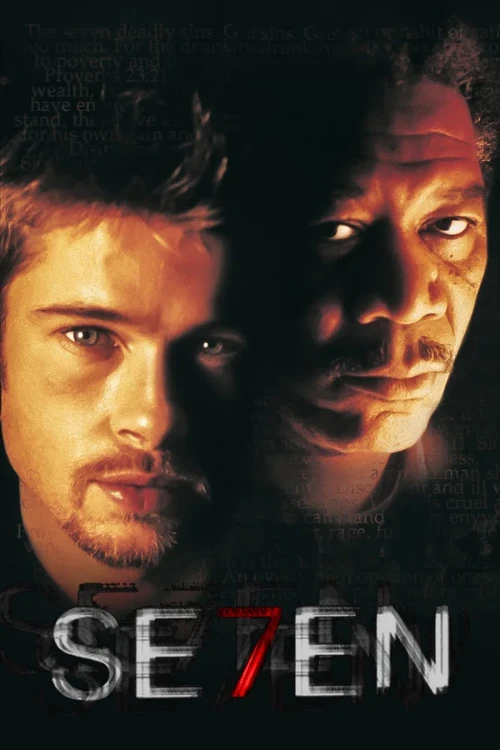
David Fincher's 1995 neo-noir masterpiece "Se7en" stands as one of the most compelling achievements in the crime and psychological thriller genres. Built on Andrew Kevin Walker's dark and meticulously crafted screenplay, the film follows Somerset, a weary veteran detective on the verge of retirement, and Mills, his impulsive and passionate replacement. Together, they pursue a cold, methodical serial killer who selects and executes his victims based on the seven deadly sins. Fincher crafts an oppressive, perpetually rain-drenched urban nightmare that plunges the viewer into an atmosphere of deep moral decay. The strength of the film relies heavily on its striking visual language, gripping narrative pace, and character dynamics. The stark contrast between Morgan Freeman's measured composure and Brad Pitt's volatile energy creates an incredible onscreen synergy. As the narrative reaches its climax with the chilling arrival of John Doe, played brilliantly by Kevin Spacey, the movie transcends standard police procedural conventions to explore complex questions of morality, apathy, and human nature. Its legendary ending remains one of the most unforgettable and devastating climaxes in cinematic history. Overall, Se7en remains a timeless classic defined by flawless cinematography, a haunting atmosphere, and an uncompromising narrative vision.
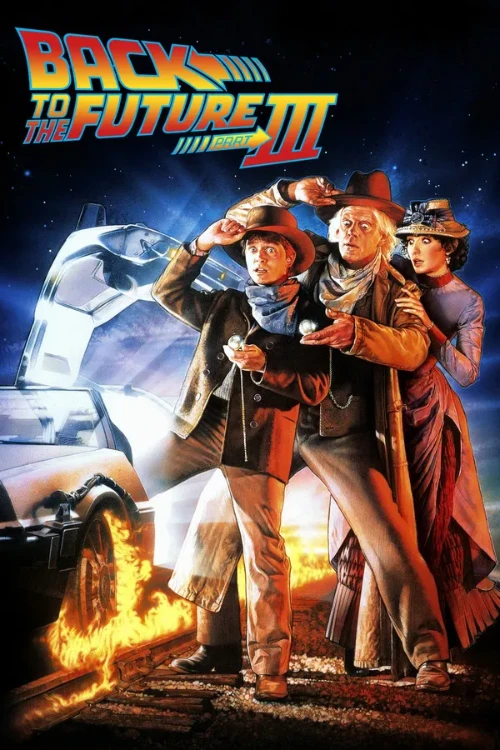
The grand finale of Robert Zemeckis’s iconic trilogy, Back to the Future Part III, brings the high-octane time-travel adventure to a warm, heartening, and thoroughly satisfying conclusion by setting its story in the dusty landscape of the Wild West. Following the dizzying, multi-layered timeline narrative of Part II, this final entry takes a breath, grounding itself in 1885 Hill Valley and offering a joyous, affectionate homage to classic Western cinema. The central brilliance of the film lies in its clever shift of character dynamics. Doc Brown, who always operated as the hyper-rational voice of scientific logic, becomes swept up in romance after meeting schoolteacher Clara Clayton (Mary Steenburgen). This romantic entanglement forces Marty into the more grounded, protective role, infusing their iconic friendship with a fresh emotional depth. From Marty adopting the alias "Clint Eastwood" to the tense showdown with Buford "Mad Dog" Tannen and the thrilling climax involving a modified steam locomotive pushing the DeLorean to 88 mph, the narrative maintains an effortless balance of humor and suspense. Elevated by Alan Silvestri’s Western-infused score and anchored by its timeless theme that the future is whatever you make it, Part III provides a deeply gratifying send-off. It stands as a heartwarming close to one of the most beloved and cohesive trilogies in cinematic history.
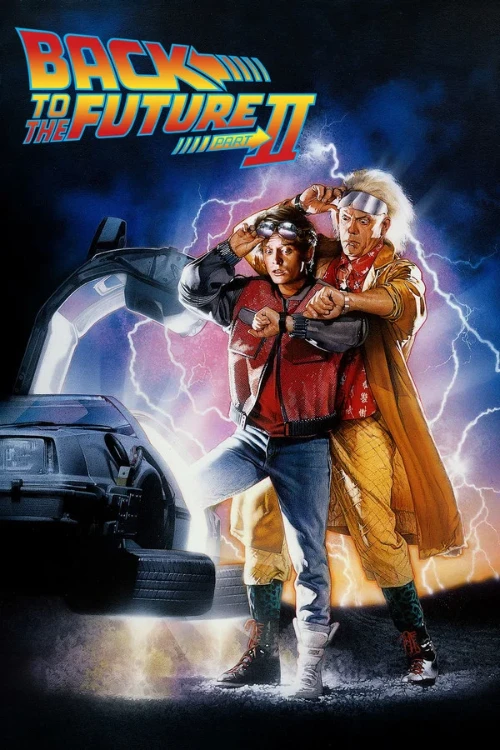
Directed by Robert Zemeckis, Back to the Future Part II (1989) does far more than rely on the triumph of its predecessor; it elevates the time-travel concept into a significantly more intricate, ambitious, and layered adventure. Building directly upon the charm of the original, this sequel dramatically expands the narrative scope to solidify one of the most iconic universes in film history. The story initially hurls the audience into an imaginative vision of 2015. Packed with hoverboards, auto-lacing sneakers, and giant holographic advertisements, this depiction of the future captured the public imagination and left an indelible mark on pop culture. However, the true narrative brilliance shines when a sports almanac falls into the hands of Biff Tannen, altering the course of history. After plunging Marty and Doc into a dark, dystopian alternate version of 1985, the film skillfully loops back to 1955, weaving its plot around the very events of the first movie. The screenplay by Bob Gale and Zemeckis executes a masterclass in timeline logistics as the protagonists navigate around their past selves without disrupting time. Pushing the boundaries of optical effects and motion-control photography at the time, the film maintains a relentless pace from start to finish. Michael J. Fox seamlessly portrays multiple generations of his family, while Thomas F. Wilson delivers an exceptional performance across various iterations of Biff. Darker and more complex than the original, Part II stands as a brilliantly engineered sequel that delivers pure sci-fi spectacle.